Explained
Baby Carriers, Explained
After reading this, you will understand what makes a carrier comfortable and hip-healthy, which features actually matter, and how to read a product listing without getting fooled.
In this guide
A baby carrier looks simple until you start shopping and hit a wall of terms: soft-structured, M-seat, hip-healthy, front-outward, lumbar support. Most carriers promise the same thing (hands-free carrying that is comfortable for you and safe for your baby), but they differ on the details that matter over months of daily use. The two things that trip up first-time buyers are assuming that more carry positions automatically means a better carrier, and underestimating how much a seat's shape affects your baby's hips and your own back.
The 30-second version
- Hip-healthy positioning is the non-negotiable. the seat should support your baby's thighs so the knees sit higher than the bottom in an 'M' shape, rather than letting the legs dangle from the crotch.
- Comfort comes from padding and load distribution, not from the number of features; thick shoulder straps and a supportive waistband are what let you wear a carrier for hours.
- Positions matter only if you will use them. front-outward carry is the main dividing line; if you do not need it, a two-position carrier can be the easier, comfier choice.
- A carrier that grows with your baby saves money and hassle, look for an adjustable seat and strap system that fits from the newborn weeks into toddlerhood without a separate insert.
- Fit is personal and shared. if more than one caregiver will wear it, the waistband's adjustment range decides whether it fits everyone comfortably.
The products this guide is about
Our verdict on each, with the full reasoning on the companion review.
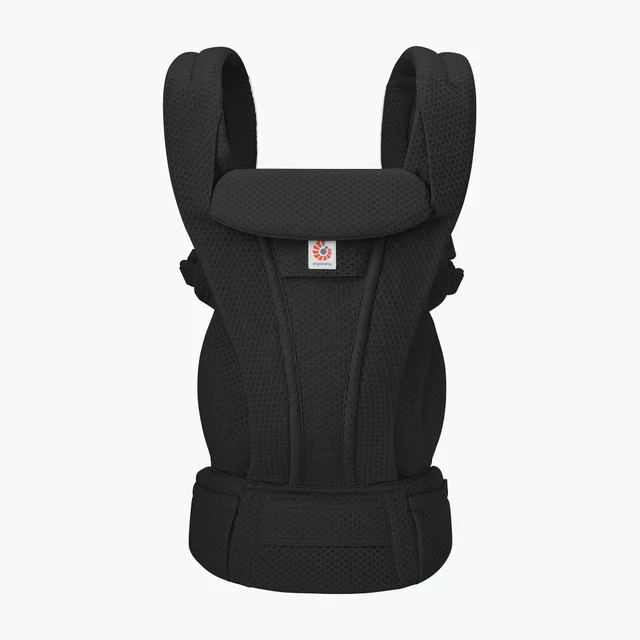
- Buy Ergobaby Omni Deluxe The most comfortable all-rounder, with four carry positions and a seat that adjusts as your baby grows. Amazon
- Buy LÍLLÉbaby Complete 6-in-1 All Seasons Six carry positions, structured lumbar support, and a zip-down mesh panel for warm days. Amazon
- It depends Baby Tula Explore A comfortable, quick-adjusting carrier that grows with your baby but skips the hip carry. Amazon
- Skip Infantino Flip Advanced 4-in-1 A cheap, versatile-on-paper carrier that falls short on ergonomics and long-wear comfort. Amazon
What actually matters
- Hip-healthy, adjustable seat. The single most important feature is a seat that holds an ergonomic M-position and adjusts in width as your baby grows, so it stays supportive from newborn to toddler.
- Shoulder and back support. Thick, evenly distributed strap padding and a firm, supportive waistband are what separate a carrier you can wear for an hour from one you cannot. A lumbar pad helps parents prone to lower-back strain.
- Carry positions you will actually use. Front-inward is standard; front-outward, hip, and back carry add flexibility, but only front-outward is a genuine either/or decision for most families.
- Weight range. A wider supported range (roughly newborn through toddler) means the carrier stays useful longer and you avoid buying a second one.
- Breathability. Mesh panels make a real difference in warm weather and for babies who run hot; heavy cotton retains heat.
- Ease of fitting. A carrier you can put on and adjust correctly without a struggle gets used; one that requires a video every time gets left in the closet.
- Fit across caregivers. If two people of different sizes will share it, check the waistband adjustment range before buying.
The specs, in plain English
Green flags vs red flags
Green flags
- The seat adjusts in width and clearly supports the thighs into an M-position
- A hip-healthy acknowledgement from a recognized hip-health body
- Thick, evenly padded shoulder straps and a firm, supportive waistband
- Fits your baby's current weight and keeps working into toddlerhood without an insert
- A mesh panel option if you live somewhere warm
- A waistband range that fits every caregiver who will wear it
Red flags
- A narrow-base seat that lets the baby's legs dangle straight down
- Owner complaints about pinching, circulation, or a baby who slumps in the seat
- Thin, minimal padding on straps and waistband, or no real back support
- A low weight ceiling that limits use to the first several months
- Requires a fiddly separate insert to fit a newborn safely
- Marketing that emphasizes the number of positions while saying little about ergonomics or comfort
Who's who: the brands
- Ergobaby - A premium babywearing brand known for padded, do-everything all-rounders.
- LÍLLÉbaby - Known for feature-rich carriers with many carry positions, lumbar support, and wide waistband adjustment.
- Baby Tula - Popular for comfortable, easy-fitting carriers and a wide selection of fabrics, favoring simplicity over maximum versatility.
- Infantino - A budget, widely available brand; carriers are inexpensive and versatile on paper but often weaker on ergonomics and long-wear comfort.
- BabyBjörn - A long-established brand known for easy on-and-off carriers.
How to read a listing without getting fooled
Start with the seat, not the feature count. A listing that leads with 'six positions' or '4-in-1' is telling you about versatility, which is only useful if you will actually use those positions, and says nothing about whether the seat holds your baby's hips correctly. Look instead for language about an adjustable, ergonomic or M-position seat and any hip-healthy acknowledgement. Next, check the weight range against how long you want the carrier to last, and confirm whether a newborn needs a separate insert. Read the comfort claims critically: 'padded' is easy to print, so weigh it against owner reports about how the carrier feels after an hour, not five minutes. Finally, match the mesh-versus-cotton choice to your climate, and confirm the waistband range fits everyone who will wear it. Treat glowing headline specs as a starting point and let aggregated owner reports confirm whether the carrier lives up to them.
How much should you spend?
You are paying for padding quality, seat engineering, and durable materials, not for the number of buckles. The cheapest carriers tend to cut corners exactly where it hurts most: a narrow, non-ergonomic seat and thin padding that make long sessions uncomfortable and shorten the carrier's useful life. Spending into the mid-range typically buys you a properly hip-healthy adjustable seat, genuine long-wear comfort, and a weight span that carries you from newborn to toddler, which is where most families find the value sweet spot. Premium and flagship carriers add plusher fabrics, a more refined fit, and sometimes extra positions or a lumbar pad; those are worth it if you will wear the carrier daily for hours or want one carrier to do everything, but they are not required for a safe, comfortable fit. Because a good carrier grows with your baby, the higher up-front cost often replaces buying a second carrier later, and a well-made one holds enough resale and hand-me-down value to justify the outlay.
Questions, answered
What actually makes a carrier 'hip-healthy'?
It is about the seat. A hip-healthy carrier supports your baby's thighs so the knees sit higher than the bottom, forming an 'M' shape, rather than leaving the legs to dangle from the crotch. Look for an adjustable seat and, where available, an acknowledgement from a recognized hip-health organization. This is general product information, not medical advice; ask your pediatrician about your baby's specific hip needs.
Do I need a separate infant insert for a newborn?
Increasingly, no. Some current carriers adjust their seat and panel down to fit a small newborn without an add-on, which owners often list as a convenience. Older or budget models may still require an insert, so check the listing and the minimum weight before you buy.
Is a carrier with more positions always better?
No. More positions add flexibility but also more straps and settings to adjust, which makes fitting busier. Front-outward carry is the position that is most often a real either/or decision for most families. If you do not need to face your baby outward, a simpler two-position carrier can be more comfortable and easier to use.
When can my baby face outward?
Only once your baby has steady, independent head and neck control, and even then facing out is best in shorter stretches. Follow the minimum age or weight and any facing-out guidance in your carrier's manual. Not every carrier offers a front-outward position, so if it matters to you, confirm it is included.
Which carrier is best for a larger or plus-size parent, or for sharing between caregivers?
Look at the waistband adjustment range, which is the feature that decides fit. Carriers designed with a wide waistband range accommodate a broader range of body types, and some can be extended further with a separate strap, making them a practical choice when two differently sized caregivers will share one carrier.
How long will one carrier last?
A carrier with an adjustable seat and a wide supported weight range (roughly newborn through toddler) can serve for the entire babywearing period, while a budget model with a low weight ceiling may only get you through the first several months. Buying one that grows with your baby usually costs less overall than replacing a carrier midway.
Or jump to the head-to-head: Ergobaby Omni Deluxe vs LÍLLÉbaby Complete 6-in-1 All Seasons.