

Baby & Family
The Best Baby Carriers: 4 Compared (and One to Skip)
We compared four soft-structured carriers on hip-healthy positioning, all-day comfort, and how well they grow with your baby.
The short version
Across maker specifications and owner reports, the Ergobaby Omni Deluxe is the most comfortable all-round soft-structured carrier, with four positions and an adjustable seat that grows with your baby. The LÍLLÉbaby Complete 6-in-1 All Seasons is the strongest value, offering six positions, structured lumbar support, and a zip-down mesh panel. The Baby Tula Explore is a comfortable, easy-fitting pick if you can live with three positions and no hip carry. Skip the Infantino Flip Advanced for all-day wear, where its narrow-base seat and thin padding draw owner complaints. Best for: parents who want one carrier that stays comfortable and supportive from the newborn weeks well into toddlerhood.
Our picks at a glance
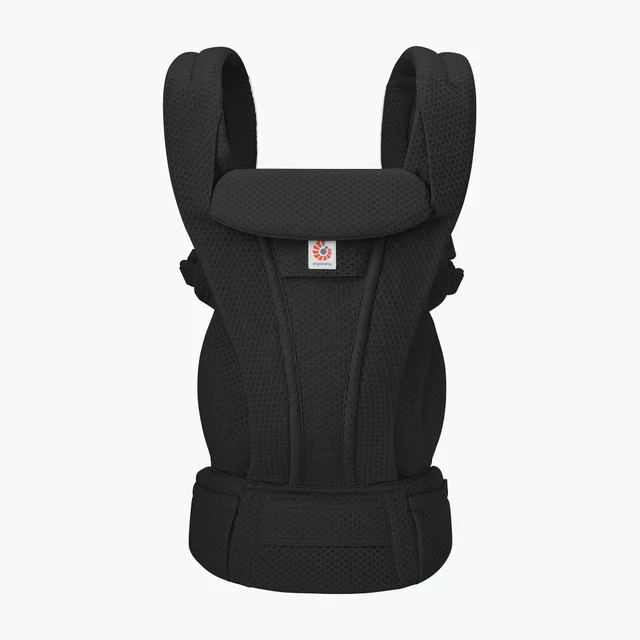
- Ergobaby Omni Deluxe - Buy. The most comfortable all-rounder, with four carry positions and a seat that adjusts as your baby grows.
- LÍLLÉbaby Complete 6-in-1 All Seasons - Buy. Six carry positions, structured lumbar support, and a zip-down mesh panel for warm days.
- Baby Tula Explore - It depends. A comfortable, quick-adjusting carrier that grows with your baby but skips the hip carry.
- Infantino Flip Advanced 4-in-1 - Skip. A cheap, versatile-on-paper carrier that falls short on ergonomics and long-wear comfort.
The verdict in 30 seconds
What mattered most
- Carry positions
- Weight range
- Ergonomic M-seat
- Back/lumbar support
- Hot-weather comfort
- Fits larger parents
A good soft-structured carrier should distribute weight without wrecking your shoulders, hold your baby in a hip-healthy M-seat, and keep working from the newborn weeks into toddlerhood. Drawing on maker specifications and aggregated owner reports, we compared four widely sold carriers and found broad agreement on the top performers, with reviewers split mainly on how much versatility and lumbar support a parent actually needs. One carrier stands out for comfort across a wide size range, one is the value-conscious runner-up, one suits a specific kind of parent, and one we would skip for all-day wear.
The most comfortable all-rounder, with four carry positions and a seat that adjusts as your baby grows.
Best for: Parents who want one do-everything carrier and will wear it for hours at a stretch.
- Front-in, front-out, hip, and back carry across the newborn to toddler range, per owner reports
- Thick, well-padded shoulder straps and waistband earn praise for long-wear comfort
- Full-mesh version stays cool in hot weather
- Ergobaby markets it as an ergonomic, hip-healthy seat
- The priciest option here
- Newcomers report a short learning curve with the buckles and strap adjustment
- No dedicated lumbar pad, unlike some rivals
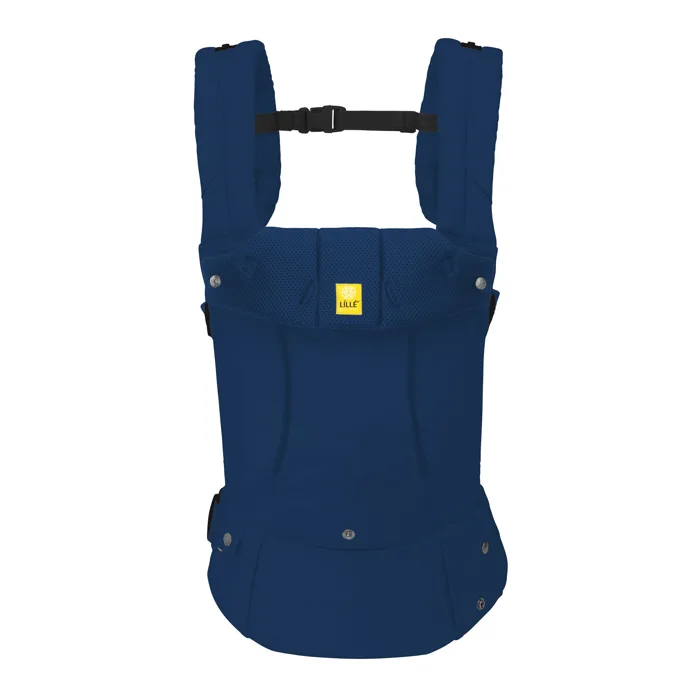
Six carry positions, structured lumbar support, and a zip-down mesh panel for warm days.
Best for: Parents who want maximum position flexibility, lumbar support, and a carrier that adjusts between warm and cool days.
- Six ways to wear, including fetal, front-outward, hip, and back carry, from 7 to 45 lb with no infant insert required
- Structured lumbar support, which LÍLLÉbaby says prevents lower back strain
- Zip-down front panel reveals breathable mesh, then zips up for wind protection
- Rated hip-healthy by the International Hip Dysplasia Institute, with straps that can be worn crossed or parallel
- More straps and settings mean a busier fit process
- The fetal carry for the first weeks needs a separate infant pillow
- Fabric feels less plush than the premium picks
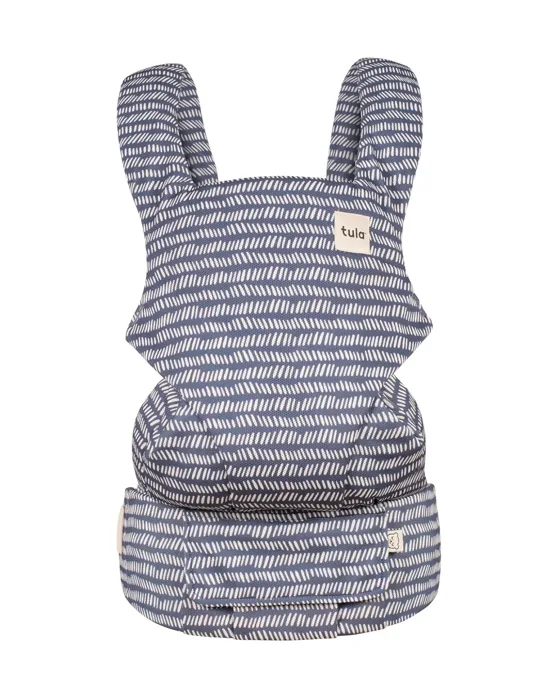
A comfortable, quick-adjusting carrier that grows with your baby but skips the hip carry.
Best for: Parents who value simple, quick fitting and a wide choice of fabrics and prints, and will not miss a hip carry.
- Tula lists it as newborn ready from 7 lb with no infant insert, growing to 45 lb
- Quick-adjust straps make it easy to share between caregivers
- Wide padded waistband and an extendable head support pillow
- Sold in cotton, linen, and mesh versions, with a matching hood
- Three positions only: front-inward, front-outward, and back, with no hip carry
- Tula does not list a separate lumbar pad
- Premium tier, priced above the LÍLLÉbaby for fewer positions
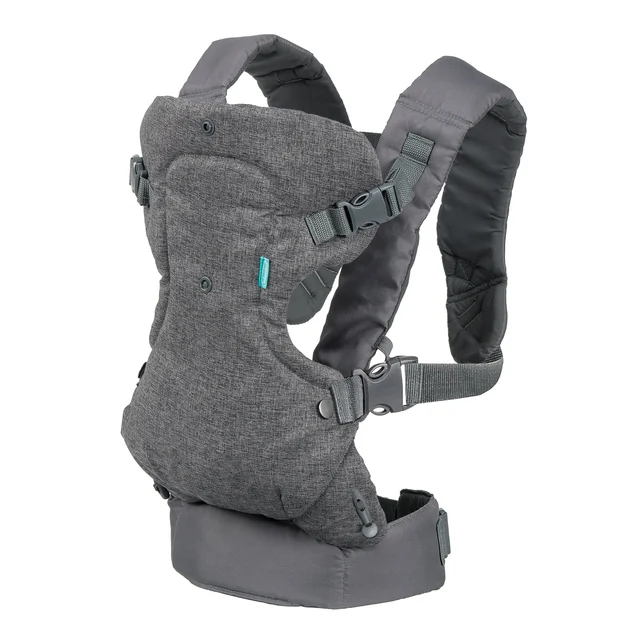
A cheap, versatile-on-paper carrier that falls short on ergonomics and long-wear comfort.
Best for: Occasional, short-duration use on a tight budget, not all-day wear.
- Very inexpensive and widely available
- Converts between several front and back positions
- Simple snap adjustments and a compact, lightweight build
- Owners report the narrow-base seat lets baby's legs dangle rather than hold a supported M-position, and Infantino does not claim IHDI hip-healthy acknowledgement on its page
- Owners note pinching and circulation complaints in the narrow setting
- Owners describe thin padding and minimal back support, which makes long sessions uncomfortable
- Infantino lists 8 to 32 lb, a lower ceiling than the others, which limits use into the toddler years
| Criteria | Ergobaby Omni Deluxe Top pick | LÍLLÉbaby Complete 6-in-1 All Seasons | Baby Tula Explore | Infantino Flip Advanced 4-in-1 |
|---|---|---|---|---|
| Verdict | Buy it | Buy it | It depends | Skip it |
| Best for | Parents who want one do-everything carrier and will wear it for hours at a stretch. | Parents who want maximum position flexibility, lumbar support, and a carrier that adjusts between warm and cool days. | Parents who value simple, quick fitting and a wide choice of fabrics and prints, and will not miss a hip carry. | Occasional, short-duration use on a tight budget, not all-day wear. |
| Price tier | $$$$ · flagship | $$ · mid-range | $$$ · premium | $ · budget |
| Carry positions | Front-in, front-out, hip, back | Six, incl. fetal, front-out, hip, back | Front-in, front-out, back | Front-in, front-out, back |
| Weight range | Not confirmed | 7 to 45 lb | 7 to 45 lb | 8 to 32 lb |
| Ergonomic M-seat | Adjustable, marketed as hip-healthy | Adjustable, IHDI hip-healthy | Adjustable, marketed as hip-healthy | Narrow base; legs can dangle |
| Back/lumbar support | Padded waistband, no lumbar pad | Structured lumbar support | Wide padded waistband, no separate lumbar pad | Minimal |
| Hot-weather comfort | Full mesh | Zip-down mesh panel | Mesh version available | Thick, runs warm |
| Fits larger parents | Good | Very good (extendable back panel) | Good (quick-adjust straps) | Limited |
| Price tier | $$$$ · flagship | $$ · mid-range | $$$ · premium | $ · budget |
Which one is right for you?
- Parents who want one do-everything carrier and will wear it for hours at a stretch. Buy it Ergobaby Omni Deluxe
- Parents who want maximum position flexibility, lumbar support, and a carrier that adjusts between warm and cool days. Buy it LÍLLÉbaby Complete 6-in-1 All Seasons
- Parents who value simple, quick fitting and a wide choice of fabrics and prints, and will not miss a hip carry. It depends Baby Tula Explore
- Occasional, short-duration use on a tight budget, not all-day wear. Skip it Infantino Flip Advanced 4-in-1
How we judged the field
We did not run our own lab. Instead, this comparison draws on maker specifications and aggregated owner reports. Soft-structured carriers all promise the same thing - hands-free carrying that is comfortable for you and safe for your baby - but they diverge on the details that matter over months of daily use. We weighed each carrier on the criteria parents actually feel: the range of carry positions and how long the carrier stays usable, the supported weight range, whether the seat holds a hip-healthy M-position, how easy it is to fit correctly, hot-weather breathability, and how well it adjusts across different parent body types. Every recommendation below reflects maker specifications and patterns in owner reports.
Ergobaby Omni Deluxe
Buy itThe Omni Deluxe is a top-tier Ergobaby carrier, and it is the one owners often name as the best all-rounder. It offers all four carry positions - front-inward, front-outward, hip, and back - and its seat adjusts as the baby grows, so it stays hip-healthy from newborn to toddler. What earns it the top spot is comfort: owners often single out its thick, evenly padded shoulder straps and supportive waistband as the reason it stays wearable for long stretches. The full-mesh version breathes well in heat. Two caveats recur: it is the most expensive carrier here, and new users mention a short learning curve with the buckles before the fit clicks. It also lacks a dedicated lumbar pad, which the LÍLLÉbaby offers.
LÍLLÉbaby Complete 6-in-1 All Seasons
Buy itThe Complete All Seasons is the value-savvy pick and our runner-up, and LÍLLÉbaby calls it its most popular style. It stands out in two ways. First, it offers six ways to wear, including front-outward, hip, and back carry, plus a fetal setting for the first weeks. Second, it pairs structured lumbar support with two-way adjustable straps and an extendable back panel, so it adapts across different wearers. A zip-down front panel reveals breathable mesh on warm days and zips back up for wind protection, and LÍLLÉbaby states it is rated hip-healthy by the International Hip Dysplasia Institute, with a 7-to-45-pound range and no infant insert required. The trade-off for all that adjustability is a busier fitting process, and the fetal carry needs a separate infant pillow. The fabric feels a touch less plush than the flagship, but you pay noticeably less.
Baby Tula Explore
It dependsThe Explore is a comfortable, well-built carrier that suits a specific parent. Tula lists it as newborn ready from 7 pounds with no infant insert, growing to 45 pounds, and its quick-adjust straps make it easy to hand between caregivers. The wide padded waistband spreads the load, an extendable head support pillow grows with the baby, and Tula sells it in cotton, linen, and mesh with a wide range of prints. The reason it lands at ‘it depends’ rather than a clear buy is versatility for the money: it offers three positions, front-inward, front-outward, and back, with no hip carry, and Tula does not list a separate lumbar pad. At the premium tier, that is fewer options than the LÍLLÉbaby for more money. If the fit and the fabrics appeal and you will not miss a hip carry, it is an easy, comfortable choice.
Infantino Flip Advanced 4-in-1
Skip itOn paper the Flip Advanced is appealing: it costs a fraction of the others, is widely available, and converts between several front and back positions. In practice, it is the one we would skip for regular, all-day wear. The seat uses a narrow base in one setting, and owner reports describe babies’ legs hanging straight down rather than holding a supported M-position, with recurring complaints about pinching and circulation in the narrow setting. Padding is thin and back support minimal, so longer sessions get uncomfortable, and the lower weight ceiling shortens how long you can use it. It can work for brief, occasional carries on a tight budget, but it is not the carrier for hours of daily babywearing.
Ergobaby Omni Deluxe vs LÍLLÉbaby Complete 6-in-1 All Seasons: which should you buy?
These two are the carriers most parents should choose between, and the decision comes down to priorities rather than quality - both are strong. The Ergobaby Omni Deluxe wins on sheer comfort and finish: its padding is plusher, its fit feels more refined once you learn it, and owners often name it the carrier they reach for by default. Choose it if you will wear a carrier for long stretches and want the most comfortable option regardless of price.
The LÍLLÉbaby Complete 6-in-1 All Seasons answers a different question. It costs less, adds two more carry positions, includes the structured lumbar support the Ergobaby lacks, and its zip-down mesh panel adapts to the weather. Choose it if you want maximum position flexibility, specifically want lumbar support, share the carrier between caregivers of different sizes, or simply want to spend less without giving up the essentials. Parents who prioritize back support and adjustability tend to prefer it; those who prioritize plush comfort tend to prefer the Ergobaby.
What to look for
- A hip-healthy, adjustable seat. The single most important feature is a seat that supports the thighs so the knees sit higher than the bottom in an ‘M’ shape. Look for carriers acknowledged as hip-healthy and a seat that adjusts as your baby grows. This is general guidance, not medical advice.
- The positions you will actually use. More positions add flexibility, but front-outward is the main dividing line here. If facing out matters to you, rule out carriers that omit it.
- Shoulder and back support. Thick, evenly distributed strap padding and a supportive waistband are what separate a carrier you can wear for an hour from one you cannot. A lumbar pad helps parents prone to lower-back strain.
- Breathability. Mesh panels make a real difference in warm weather and for babies who run hot.
- Fit across caregivers. If more than one person will wear it, check the waistband’s adjustment range so it fits everyone comfortably.
Our final take
For most families, the Ergobaby Omni Deluxe is the carrier worth stretching for: it is the most comfortable, most refined all-rounder, and it stays hip-healthy and useful from the newborn weeks into toddlerhood. If value, lumbar support, or position flexibility rank higher for you, the LÍLLÉbaby Complete 6-in-1 All Seasons delivers nearly everything for less. The Baby Tula Explore is a comfortable, simple choice for parents who will not miss a hip carry. And while the Infantino Flip Advanced is tempting on price, its ergonomics and padding make it hard to recommend for the daily, long-haul carrying that a good carrier is really for.
Questions, answered
What makes a carrier hip-healthy?
The International Hip Dysplasia Institute looks for a seat that supports baby's thighs so the knees sit higher than the bottom, forming an 'M' shape rather than letting the legs dangle. The LÍLLÉbaby Complete is rated hip-healthy by the IHDI, and Ergobaby and Tula market their seats as ergonomic; the Infantino's narrow base is where owners raise concerns. This is general product information, not medical advice - ask your pediatrician about your baby's specific needs.
Do I still need a separate infant insert?
It depends on the carrier. LÍLLÉbaby lists its inward-facing narrow-seat position for newborns without an insert, though its fetal position needs a separate pillow. Check each maker's page for the exact carrier before assuming you can skip an insert.
Which is best for hot weather?
The full-mesh Ergobaby Omni Deluxe and the mesh version of the Baby Tula Explore are the most breathable. The LÍLLÉbaby Complete 6-in-1 All Seasons splits the difference with a zip-down panel that reveals mesh on warm days and zips up against wind.
Can I face my baby outward?
Yes with all four. Each offers a front-outward position for curious babies who can hold their head up steadily; LÍLLÉbaby asks for at least 6 months and strong head control. The Baby Tula Explore is the one without a hip carry.
Which carrier is best for a larger or plus-size parent?
Check each maker's waistband range before buying. The LÍLLÉbaby Complete 6-in-1 All Seasons pairs structured lumbar support with an extendable back panel and straps that cross or run parallel, and the Tula Explore's quick-adjust straps are built for sharing between wearers.
Deciding between the top two? See our head-to-head: Ergobaby Omni Deluxe vs LÍLLÉbaby Complete 6-in-1 All Seasons.
More Baby & Family reviews
 The Best Baby Food Makers: 4 Compared (and One to Skip)
  The Best Baby Food Storage Containers: 4 Compared (and One to Skip)
  The Best Baby Gates: 4 Compared (and One to Skip)
  The Best Baby Nail Clippers: 4 Compared (and One to Skip)
  The Best Baby Play Mats: 4 Compared (and One to Skip)
  The Best Baby Proofing Kits: 4 Compared (and One to Skip)