Explained
Baby Bottles, Explained
After reading this you will understand what makes a bottle anti-colic, how flow and nipple shape affect feeds, and which features are worth paying for.
In this guide
Baby bottles look nearly identical on the shelf, yet they solve very different problems and price gaps are large. The words on the box, anti-colic, vented, wide-neck, slow-flow, hide the two decisions that actually matter: how the bottle keeps air out of your baby's tummy, and whether your baby will accept the nipple. Most first-time buyers overbuy on brand and underthink flow and cleaning.
The 30-second version
- Anti-colic is about air, not magic. the whole point is to keep your baby from swallowing bubbles, which is what causes much of the gas, spit-up, and fussing.
- Flow rate matters as much as brand. a newborn needs a slow-flow nipple; too-fast flow causes gulping and gas no matter how good the bottle is.
- Every extra part is a part to wash. the best-venting designs tend to have more pieces, so be honest about your tolerance for scrubbing at 3 a.m.
- Fit your gear before you commit. wide silicone bottles may not fit some warmers, sterilizer racks, or diaper-bag pockets, so check before buying a full set.
- Buy one or two, not a full set. babies are picky about nipples, so test acceptance with a single bottle before you invest in a matching six-pack.
The products this guide is about
Our verdict on each, with the full reasoning on the companion review.
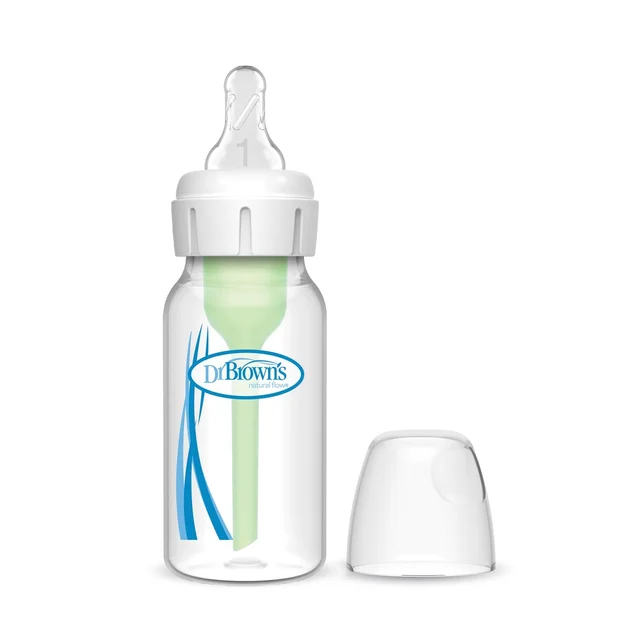
- Buy Dr. Brown's Natural Flow Anti-Colic Options+ Narrow Bottle Anti-colic venting built around an internal vent system, if you can tolerate the extra parts. Amazon
- Buy Comotomo Natural Feel Silicone Baby Bottle A silicone bottle that is easy to clean and often accepted by breastfed babies. Amazon
- It depends Philips Avent Anti-colic Bottle with AirFree Vent Solid venting with fewer parts than Dr. Brown's, but the AirFree vent is a mixed bag. Amazon
- Skip MAM Easy Start Anti-Colic Bottle Clever self-sterilizing trick, but owners often report leaks from the vented base. Amazon
What actually matters
- Venting system. This is how the bottle lets air escape without going into your baby. Internal-vent designs (a straw or tube inside) aim to control air most; simple nipple vents trade some performance for less cleaning.
- Flow rate. How fast milk comes out. Start slow-flow for newborns and step up as your baby grows. The wrong flow undoes a good bottle.
- Nipple shape and material. A wide, breast-like nipple helps breastfed babies switch back and forth; a firmer, narrower one suits bottle-fed babies. Silicone nipples last; older latex is softer but wears faster.
- Parts count and cleaning. More pieces means better venting but more washing, reassembling, and losing small parts. Wide necks clean by hand; narrow ones need a brush.
- Leak resistance. Many vented bottles only leak when assembled or overfilled wrong, so real-world leak behavior depends heavily on getting the collar and vent seated right.
- Material of the bottle body. Plastic is light and cheap, glass is inert and dishwasher-tough, silicone is soft and squeezable. Each has trade-offs in weight, durability, and gear fit.
- Gear compatibility. Whether the bottle fits your warmer, sterilizer, drying rack, and bag. Unusual shapes look great and fit nothing.
The specs, in plain English
Green flags vs red flags
Green flags
- The venting method is described plainly (internal straw, dual nipple vents) rather than just the word anti-colic.
- It comes in clearly labeled flow levels so you can step up as your baby grows.
- Owner reports praise it for reducing gas and spit-up, not just for looks.
- The nipple has a high acceptance rate, especially if you are switching from breast.
- It states clearly whether it fits standard warmers and sterilizers, or you have confirmed it does.
- The design is easy to take apart and reassemble, with few small pieces to lose.
Red flags
- Only slogans on the box ("advanced", "natural") with no explanation of how it vents.
- One flow speed only, or no clear newborn slow-flow option.
- A cluster of owner reports about leaking, dripping, or overflowing when tipped or overfilled.
- An unusual body shape that will not fit common warmers, racks, or bags.
- So many tiny parts that cleaning and reassembly clearly become a chore.
- You are pushed to buy a large matching set before you have tested whether your baby accepts the nipple.
Who's who: the brands
- Dr. Brown's - Known for an internal-vent anti-colic system, a common pick when gas is the real problem.
- Comotomo - Soft, squeezable silicone bottles with breast-like nipples and a wide neck that cleans without a brush; popular with breastfed babies.
- Philips Avent - Widely available mainstream range with the AirFree vent for more upright feeding and fewer parts than internal-straw designs.
- MAM - Value-oriented bottles with a clever microwave self-sterilizing base and soft, high-acceptance nipples.
- Tommee Tippee - Popular for breast-like nipple shapes and easy-hold bottles; a common first-set choice for new parents.
- Lansinoh - Rooted in breastfeeding support, with nipples designed to ease the transition between breast and bottle.
How to read a listing without getting fooled
Ignore the front of the box and read how the bottle actually handles air. If it uses an internal straw or tube, expect strong venting and more parts. If it lists dual nipple vents or a vented base, expect simpler cleaning and slightly less aggressive venting. Next, find the flow level and make sure a slow-flow newborn option exists. Then check the neck width, wide for easy cleaning and breast-like feeding, narrow for gear compatibility, and confirm the body material suits you (plastic light, glass inert, silicone soft). Finally, scan owner reports for one word: leaks. Many vented bottles only leak when the collar is over-tightened or the bottle is overfilled, so pattern of complaints tells you how forgiving the design is in real life.
How much should you spend?
You do not need the most expensive bottle to get effective venting; the mid-range is where many proven anti-colic designs live, and stepping up mostly buys you softer silicone bodies or breast-like feel rather than better performance. Budget bottles can feed a baby fine, but some of the cheapest vented designs draw frequent leak reports, so an ultra-low price can cost you in frustration. The genuine value move is to buy a single bottle first and test whether your baby accepts the nipple before committing to a full matching set, because acceptance, not brand prestige, is what determines whether the money was well spent. Spend more only when a specific need justifies it, strong venting for a gassy baby, or easy-clean silicone if scrubbing narrow bottles is your breaking point.
Questions, answered
Do anti-colic bottles actually stop colic?
They help with the air-related part of the problem, not colic as a whole. Vented designs reduce the bubbles a baby swallows, and owner reports link that to less gas, spit-up, and fussing for many babies. This is general product information, not medical advice: true colic has many causes, so if your baby is inconsolable, feeding poorly, or you are worried, ask your pediatrician.
What flow nipple should a newborn use?
Start with the slowest flow, usually labeled level 0, level 1, or newborn slow-flow. A too-fast nipple makes babies gulp and swallow air, which causes the very gas an anti-colic bottle is meant to prevent. Step up a level only when your baby seems to be working hard or feeding is taking a long time.
Are more parts really worth it for venting?
For a baby with real gas or reflux, most owners say yes, because internal-vent designs are built to cut swallowed air. If your baby feeds comfortably, a simpler bottle with fewer parts is easier to live with and cleans faster. Match the complexity to the actual problem, not to the marketing.
Glass, plastic, or silicone, which is best?
None is best for everyone. Plastic is light and cheap and travels well; glass is inert, easy to sterilize, and lasts, but is heavier and can break; silicone is soft and squeezable and very easy to clean, though its wide shape may not fit your warmer or bag. Pick for weight, cleaning, and gear fit rather than status.
How many bottles do I actually need to start?
One or two. Babies are surprisingly picky about nipples, and it is common to try one brand before landing on the one your baby accepts. Buy a single bottle, confirm acceptance and that it fits your gear, then scale up to a set of the winner rather than committing to six of an untested design.
Why does my vented bottle leak?
Often assembly or fill level. Vented bottles rely on the collar and vent being seated evenly and the bottle not being overfilled or tipped past the vent. Over-tightening the collar can actually make leaks worse. If leaks persist even when assembled carefully and filled to the recommended line, the design itself may just be leak-prone, which owner reports will usually reveal.
Or jump to the head-to-head: Dr. Brown's Natural Flow Anti-Colic Options+ Narrow Bottle vs Comotomo Natural Feel Silicone Baby Bottle.