

Baby & Family
The Best Anti-Colic Baby Bottles: 4 Compared (and One to Skip)
We compared four current anti-colic bottles on venting performance, latch, cleaning, leak resistance, and warmer compatibility to find the one worth buying.
The short version
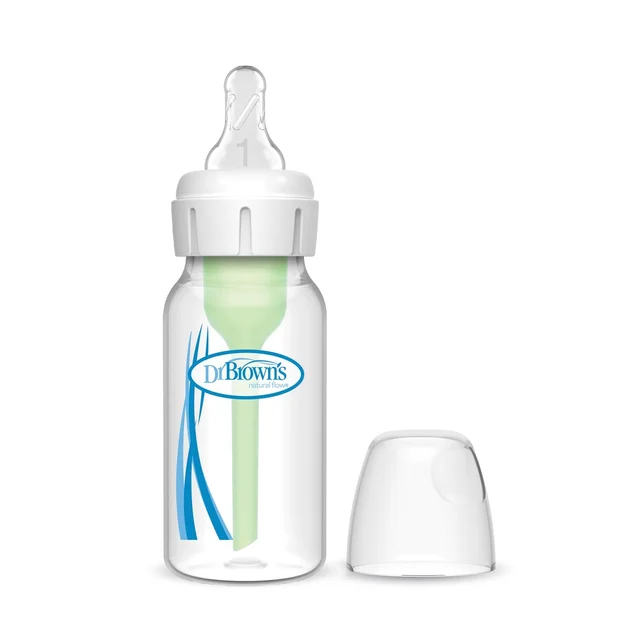
If your baby genuinely struggles with gas, reflux, or colic, Dr. Brown's Natural Flow Anti-Colic Options+ is built around an internal vent, and you accept a few extra parts to wash in exchange. Comotomo is the strongest alternative: soft silicone, easy to clean, and often accepted by bottle-refusing breastfed babies, though its wide base may not fit every warmer. Philips Avent with the AirFree vent is a reasonable middle ground with fewer parts, but the vent can leak, so it depends on your setup. MAM's self-sterilizing trick is neat, yet its vented base draws frequent leak complaints and less consistent colic control, so we skip it for this purpose. Best for: parents choosing an anti-colic bottle who want proven venting first and convenience second.
Our picks at a glance
- Dr. Brown's Natural Flow Anti-Colic Options+ Narrow Bottle - Buy. Anti-colic venting built around an internal vent system, if you can tolerate the extra parts.
- Comotomo Natural Feel Silicone Baby Bottle - Buy. A silicone bottle that is easy to clean and often accepted by breastfed babies.
- Philips Avent Anti-colic Bottle with AirFree Vent - It depends. Solid venting with fewer parts than Dr. Brown's, but the AirFree vent is a mixed bag.
- MAM Easy Start Anti-Colic Bottle - Skip. Clever self-sterilizing trick, but owners often report leaks from the vented base.
The verdict in 30 seconds
What mattered most
- Anti-colic effectiveness
- Parts to assemble & clean
- Breast-like nipple / acceptance
- Leak resistance
- Warmer & sterilizer fit
- Material
Anti-colic bottles all promise fewer bubbles, less gas, and calmer feeds, but they get there in very different ways, from Dr. Brown's multi-part internal vent to Comotomo's soft silicone body. We drew on maker specifications and owner reports to sort the genuinely effective designs from the ones that trade colic control for cleaning headaches. Two of these earn a clear buy, one depends on your baby, and one we would skip for colic specifically.
Anti-colic venting built around an internal vent system, if you can tolerate the extra parts.
Best for: Babies with real gas, reflux, or colic where venting performance matters more than convenience.
- Dr. Brown's describes its internal vent system as clinically proven to reduce colic, and it is widely praised for cutting gas and spit-up
- Dr. Brown's says the vent can be removed as baby's feeding develops, so the bottle keeps working long-term
- Nipple delivers a genuinely slow, steady flow that suits newborns and paced feeding
- The internal straw and insert mean more parts to wash and reassemble than most bottles here
- The extra pieces can leak if the collar is over-tightened or the vent is seated wrong
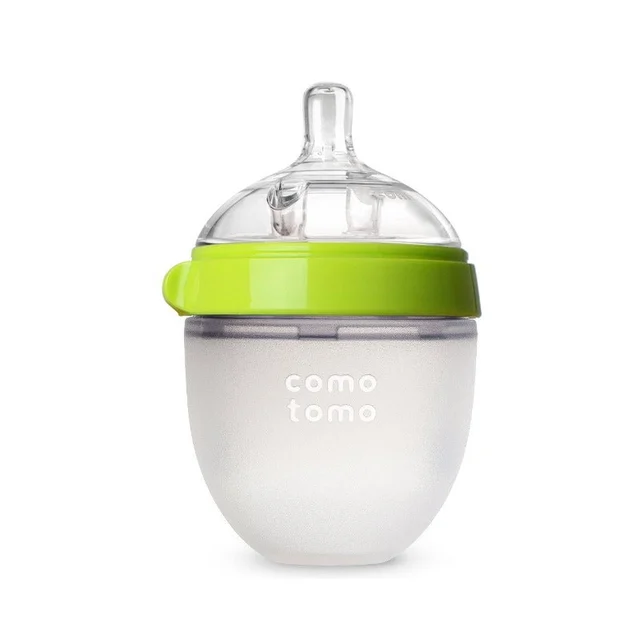
A silicone bottle that is easy to clean and often accepted by breastfed babies.
Best for: Breastfed babies transitioning to a bottle, and parents who hate scrubbing narrow bottles.
- Soft, breast-like silicone body and wide nipple win over many bottle-refusing, breastfed babies
- Ultra-wide neck lets you clean the whole bottle by hand without a brush
- Dual anti-colic vents on the nipple are simple, with far fewer parts than vented-straw designs
- The squat, wide base may not fit some bottle warmers, sterilizer racks, or cup holders, so check your gear against Comotomo's compatibility list
- Owners note nipple flow can speed up or drip if the collar seal is not seated just right
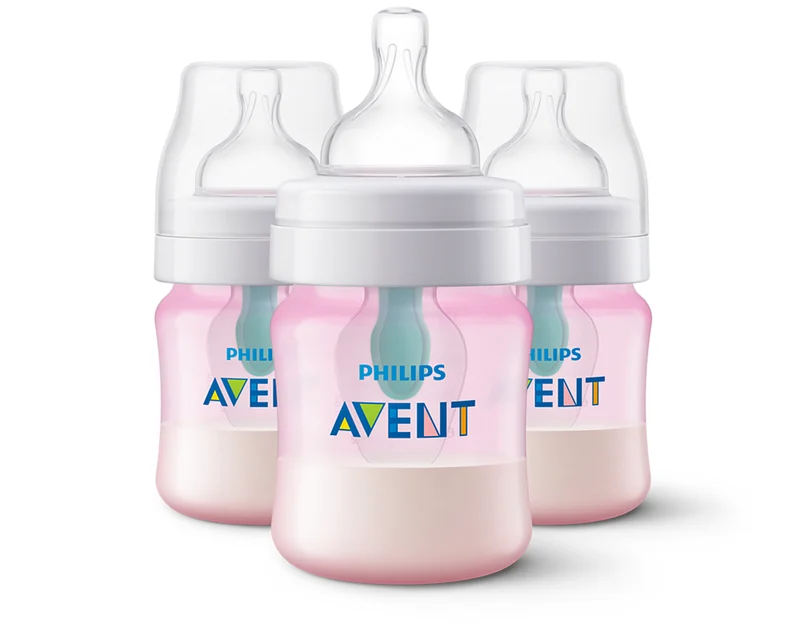
Solid venting with fewer parts than Dr. Brown's, but the AirFree vent is a mixed bag.
Best for: Parents who want anti-colic help and upright feeding without Dr. Brown's full parts count.
- Fewer pieces than internal-straw bottles while still reducing air intake during feeds
- AirFree vent keeps the nipple full so babies can feed more upright, which some reflux babies prefer
- Wide, ridged nipple is widely accepted and the range is easy to find and expand
- Reviewers report the AirFree vent can leak or overflow if the bottle is tipped or filled too high
- Some owners find the nipple flows faster than expected, which does not suit every newborn
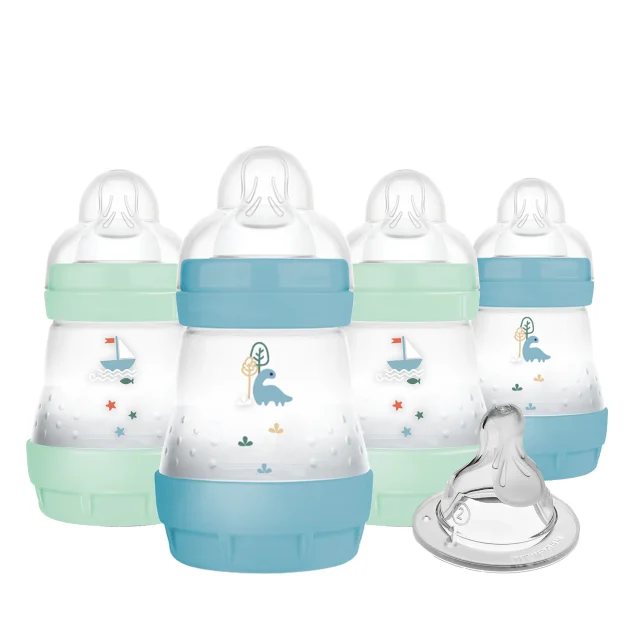
Clever self-sterilizing trick, but owners often report leaks from the vented base.
Best for: Parents who value the microwave self-sterilizing feature over best-in-class colic control.
- Self-sterilizes in the microwave in a few minutes with just a little water, which is genuinely handy for travel
- Soft SkinSoft nipple has a high acceptance rate with babies
- Affordable and widely stocked
- The multi-piece vented base is a common leak complaint in owner reports if not assembled perfectly
- Anti-colic performance is reported as less consistent than the dedicated venting leaders
| Criteria | Dr. Brown's Natural Flow Anti-Colic Options+ Narrow Bottle Top pick Buy it Buy | Comotomo Natural Feel Silicone Baby Bottle Buy it Buy | Philips Avent Anti-colic Bottle with AirFree Vent It depends Buy | MAM Easy Start Anti-Colic Bottle Skip it Buy |
|---|---|---|---|---|
| Best for | Babies with real gas, reflux, or colic where venting performance matters more than convenience. | Breastfed babies transitioning to a bottle, and parents who hate scrubbing narrow bottles. | Parents who want anti-colic help and upright feeding without Dr. Brown's full parts count. | Parents who value the microwave self-sterilizing feature over best-in-class colic control. |
| Price tier | $$ · mid-range | $$$ · premium | $$ · mid-range | $ · budget |
| Anti-colic effectiveness | Strong, per owner reports | Good | Good | Moderate |
| Parts to assemble & clean | Most (internal vent) | Fewer | Moderate | Many (vented base) |
| Breast-like nipple / acceptance | Good | Best in class | Good | Very good |
| Leak resistance | Good if assembled right | Good | Mixed (AirFree vent) | Frequent leak reports |
| Warmer & sterilizer fit | Standard fit | Check fit (wide base) | Standard fit | Self-sterilizes in microwave |
| Material | Plastic | Silicone | Plastic | Plastic |
| Ease of cleaning | Fiddly | Easiest | Easy | Fiddly |
| Price tier | $$ · mid-range | $$$ · premium | $$ · mid-range | $ · budget |
Which one is right for you?
- Babies with real gas, reflux, or colic where venting performance matters more than convenience. Buy it Dr. Brown's Natural Flow Anti-Colic Options+ Narrow Bottle
- Breastfed babies transitioning to a bottle, and parents who hate scrubbing narrow bottles. Buy it Comotomo Natural Feel Silicone Baby Bottle
- Parents who want anti-colic help and upright feeding without Dr. Brown's full parts count. It depends Philips Avent Anti-colic Bottle with AirFree Vent
- Parents who value the microwave self-sterilizing feature over best-in-class colic control. Skip it MAM Easy Start Anti-Colic Bottle
How we judged the field
We do not run our own lab. Instead, we drew on maker specifications and aggregated owner reports to see where each bottle actually earns its keep. For an anti-colic roundup, the criteria that mattered most were: how effectively the venting reduces swallowed air, how the nipple flows and whether babies accept it, how many parts you have to wash and reassemble, how well the bottle resists leaks, and whether it fits real-world gear like warmers and sterilizers. We weighted venting effectiveness and leak resistance heavily, because those are the whole point of buying an anti-colic bottle rather than a plain one.
A note on flow: these bottles generally come in slow-flow versions for newborns, and matching nipple flow to your baby’s age matters as much as the brand. We judged each on its slow-flow starting point.
Dr. Brown’s Natural Flow Anti-Colic Options+ Narrow Bottle
Buy itThis is the bottle reviewers and owners reach for when colic, gas, or reflux is a genuine problem rather than a marketing worry. Its internal vent system channels air away from the milk, and Dr. Brown’s describes it as clinically proven to reduce colic. The honest trade-off is parts: the internal straw and insert give you more pieces to wash than most bottles here, and if you over-tighten the collar or seat the vent wrong, it can leak. The saving grace is that the vent is removable, so as your baby grows out of colic you can simplify the bottle instead of buying a new one. For the job of controlling air, it is the most purpose-built design here.
Comotomo Natural Feel Silicone Baby Bottle
Buy itComotomo solves a different problem: acceptance and cleaning. Its soft silicone body and wide, breast-like nipple win over a lot of breastfed babies who reject firmer bottles, and the ultra-wide neck means you can wash the whole thing by hand without a brush. Its dual nipple vents are far simpler than a vented straw, so there is very little to reassemble. Two caveats keep it from being the outright winner for colic: the squat, wide base may not fit some warmers, sterilizer racks, or diaper-bag pockets, and owners note the flow can drip or speed up if the collar is not seated cleanly. As a naturalness-and-convenience pick, though, it is excellent.
Philips Avent Anti-colic Bottle with AirFree Vent
It dependsThe Avent sits between the two leaders. Its AirFree vent keeps the nipple full of milk so babies can feed in a more upright position, which some reflux-prone babies tolerate better, and it does this with fewer parts than Dr. Brown’s. Whether it is right for you genuinely depends on your setup: some owners report the AirFree vent leaking or overflowing if the bottle is tipped or overfilled, and some find the nipple flows faster than they want for a newborn. Used carefully and filled sensibly, it is a capable anti-colic bottle; used casually, the vent can frustrate you.
MAM Easy Start Anti-Colic Bottle
Skip itMAM has real strengths, a soft, high-acceptance nipple and a clever base that self-sterilizes in the microwave in a few minutes, which is genuinely useful for travel. But for anti-colic specifically, its multi-piece vented base is the part owners most frequently report leaking when it is not assembled just right, and its venting performance is described as less consistent than the dedicated leaders. If self-sterilizing is the feature you care about above all, it is defensible. If you are buying primarily to control colic, the other three do that core job more reliably, so we skip it here.
Dr. Brown’s Options+ vs Comotomo: which should you buy?
These are the two we would actually put on a registry, and they suit different households. Dr. Brown’s is the choice when the symptoms are real: its internal vent is the design most aimed at reducing the swallowed air behind gas, and you accept more washing-up as the price. Comotomo is the choice when your baby is fussy about the bottle itself or you simply cannot face scrubbing narrow bottles at midnight: it is easy to clean, breast-like, and often accepted by nursing babies, with simpler venting. Put simply, buy Dr. Brown’s if colic is the problem, and Comotomo if acceptance and cleaning are. If you only want one bottle to cover most babies, start with Dr. Brown’s and keep a Comotomo on hand as backup.
What to look for
- Venting that matches the problem. Internal-vent designs aim to control air most; simpler nipple vents trade some performance for far less cleaning.
- Parts count. Every extra piece is another thing to wash, lose, and reassemble at 3 a.m. Be honest about your tolerance.
- Correct nipple flow. Start with slow-flow for newborns; too-fast flow causes gulping and gas no matter how good the bottle.
- Leak resistance in the real world. Read owner reports on leaks specifically, since many vented bottles leak only when assembled or filled wrong.
- Gear fit. Confirm the bottle fits your warmer, sterilizer, and bag before you commit to a full set, especially with wide-base silicone bottles.
- Material preference. Silicone feels soft and is easy to clean; plastic and glass options fit more accessories and warmers.
Our final take
For an anti-colic bottle, buy for the job first and convenience second. Dr. Brown’s Natural Flow Anti-Colic Options+ is our pick because its venting is the most purpose-built for the one thing you are paying for, and the removable vent means it stays useful after the colic passes. Comotomo is the runner-up and the smarter buy for breastfed babies and cleaning-averse parents who can live with its bulky base. Philips Avent is a reasonable middle path if you want fewer parts and upright feeding, provided you fill it carefully. MAM’s self-sterilizing trick is neat, but its leak-prone base and softer colic control put it last for this specific purpose. Start with the bottle that fits your baby’s actual struggle, and you will not need to rebuy.
Questions, answered
Do anti-colic bottles actually reduce colic?
They can help with the air-related part of the problem. Vented designs reduce the bubbles a baby swallows, and independent testing and owner reports link that to less gas, spit-up, and fussing for many babies. This is general product information, not medical advice; true colic has many causes, so if your baby is inconsolable, feeding poorly, or you are worried, consult your pediatrician.
Which of these is easiest to clean?
Comotomo. Its wide-neck silicone body can be cleaned by hand without a bottle brush, and it has fewer parts. Dr. Brown's and MAM sit at the other end because their venting systems add an internal straw or a multi-piece base that all need washing.
Are the extra parts in Dr. Brown's worth the hassle?
For a baby with real gas or reflux, most owners say yes, because the venting is the strongest feature here. The bonus is that the internal vent can be removed, so once your baby outgrows colic you can drop the extra piece and keep using the same bottle as a simpler design.
Why is MAM the one to skip if it is so popular?
MAM is well liked overall and the self-sterilizing feature is genuinely convenient. For anti-colic specifically, though, its vented base is a part owners often report leaking when it is not assembled perfectly, and its venting is reported as less consistent than the leaders. If colic control is your top priority, the others do it better.
Which bottle is best for a breastfed baby who refuses bottles?
Comotomo is the usual first recommendation. Its soft, breast-like silicone body and wide nipple are designed to mimic nursing, and owners often report it works for refusers. MAM's soft nipple is a reasonable second option to try.
Deciding between the top two? See our head-to-head: Dr. Brown's Natural Flow Anti-Colic Options+ Narrow Bottle vs Comotomo Natural Feel Silicone Baby Bottle.
More in Baby & Family
Baby Bottles, Explained Plain-English guide → Dr. Brown's Natural Flow Anti-Colic Options+ Narrow Bottle vs Comotomo Natural Feel Silicone Baby Bottle Head-to-head →  The Best Baby Bouncers & Swings: 4 Compared (and One to Skip)
  The Best Baby Carriers: 4 Compared (and One to Skip)
  The Best Baby Food Makers: 4 Compared (and One to Skip)
  The Best Baby Food Storage Containers: 4 Compared (and One to Skip)