

Health & Wellness
The Best Sunrise Alarm Clocks (Wake-Up Lights) for 2026
Four sunrise alarm clocks compared for 2026: Philips, Lumie and Hatch wake-up lights that earn their keep, plus one budget model we would tell you to skip.
The short version
For most people the Philips SmartSleep is the one to get: a bright, warm sunrise plus a sunset wind-down and guided breathing, all handled on the device without an app. The Lumie Bodyclock Shine 300 is the better pure light if you want a longer, more adjustable sunrise. Choose the Hatch Restore 3 only if you mainly want a sound machine and do not mind its app and subscription. Skip Lumie's entry Sunrise Alarm - it cuts too much to be worth it.
Our picks at a glance
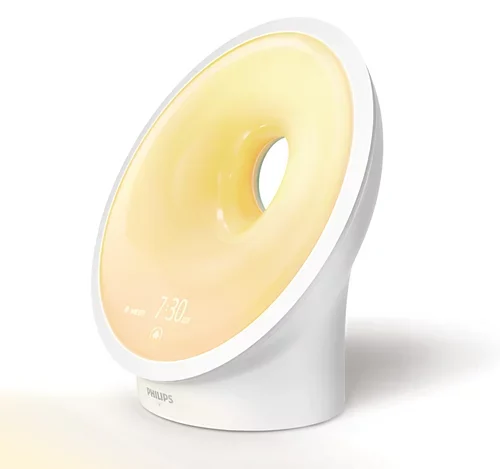
- Philips SmartSleep Sleep & Wake-Up Light HF3650/60 - Buy. A complete dusk-to-dawn routine - warm sunrise, sunset wind-down and guided breathing - with no app to babysit.
- Lumie Bodyclock Shine 300 - Buy. The purest wake-up light here, with the longest and most adjustable sunrise, run entirely from the unit.
- Hatch Restore 3 - It depends. A capable sound machine with a gentle sunrise, held back by an app and a subscription nudge.
- Lumie Sunrise Alarm - Skip. Lumie's entry model strips out too much - a coarse, often-too-dim sunrise that leaves you wanting the Shine.
The verdict in 30 seconds
What mattered most
- Max sunrise length
- Brightness control
- Sunset wind-down
- Sounds & radio
- App / subscription
- Price tier
A sunrise alarm wakes you with gradually brightening light instead of a jarring buzzer, which can make dark mornings feel less brutal. The catch is that many models are too dim, too fiddly, or lean on an app and a subscription to do their job. We synthesised independent expert testing and long-term owner feedback to sort the wake-up lights worth buying in 2026 from the one that is not.
A complete dusk-to-dawn routine - warm sunrise, sunset wind-down and guided breathing - with no app to babysit.
Best for: People who want a complete, app-free sleep-and-wake routine on the nightstand.
- RelaxBreathe wind-down and a genuine sunset program, not just a sunrise
- Self-dimming display that can switch off entirely, plus 25 brightness steps
- Full routine works on-device with no app or subscription
- Bulky disc shape crowds a small nightstand
- Mixed touch and physical controls take a few mornings to learn
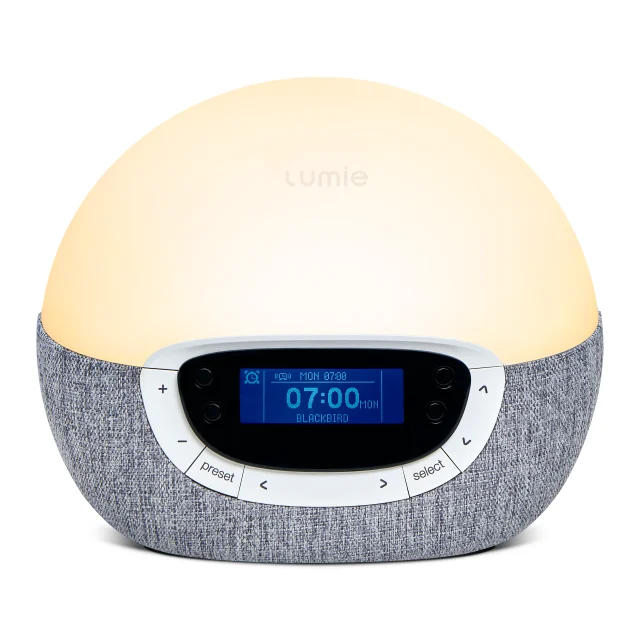
The purest wake-up light here, with the longest and most adjustable sunrise, run entirely from the unit.
Best for: Those who care most about the light itself and want a long, deeply adjustable sunrise without an app.
- Sunrise and sunset adjustable 15-90 min in 5-min steps, independently
- Warm, low-blue LEDs with adjustable maximum brightness
- Runs entirely from the unit and doubles as a dimmable reading lamp
- Button-menu setup is less intuitive than it should be
- Ordinary speaker and no smart or app features
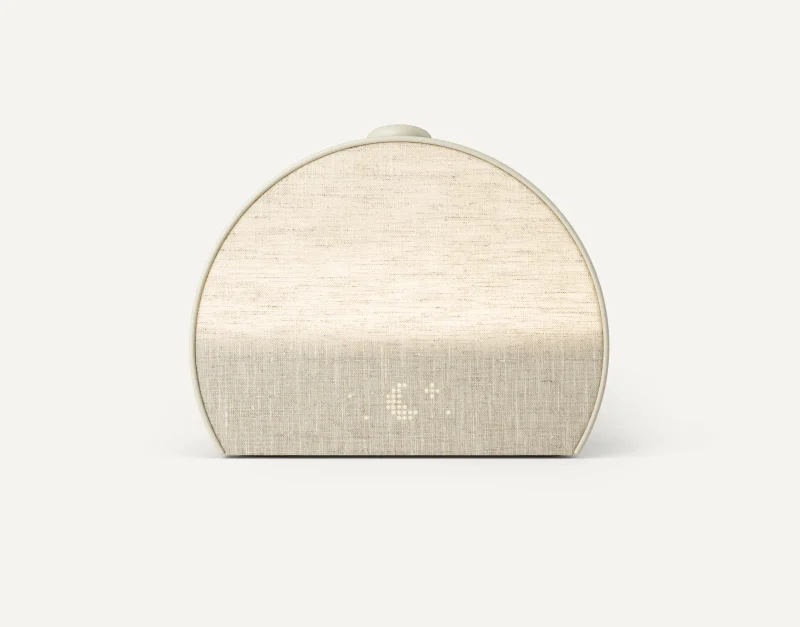
A capable sound machine with a gentle sunrise, held back by an app and a subscription nudge.
Best for: People who want a strong sound machine and flexible, app-scheduled routines and do not mind a subscription nudge.
- Loud, clear forward-facing speaker with a large sound library
- Big Button runs your wind-down phone-free, with easy app scheduling for changing wake times
- Light is gentle and glows through the fabric front rather than filling the room
- Full experience nudges you toward the paid Hatch+ subscription, and the app is required to set up
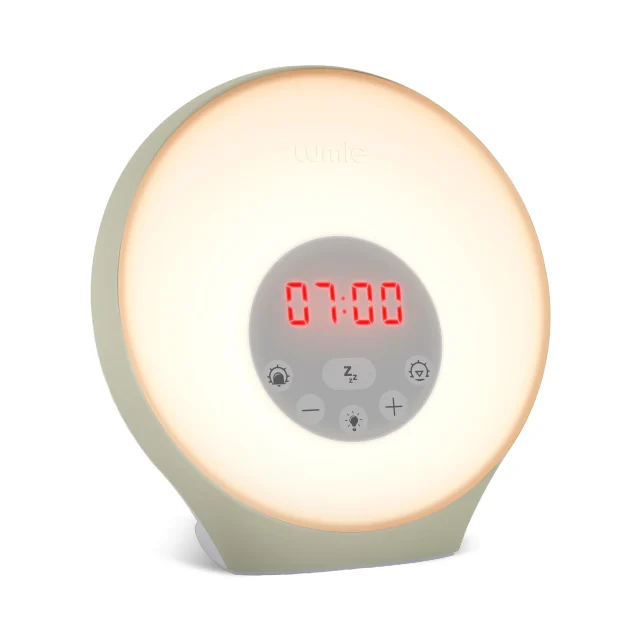
Lumie's entry model strips out too much - a coarse, often-too-dim sunrise that leaves you wanting the Shine.
Best for: Only light sleepers on a tight budget who want the gentle-light idea and little else.
- Compact, with a warmer sunrise than harsh generic RGB clocks
- Keeps a basic sunset fade and a nightlight
- Coarse ~10-step sunrise that owners say often is not bright enough to wake heavier sleepers
- No FM radio, only a handful of sounds, and limited sunrise flexibility
| Criteria | Philips SmartSleep Sleep & Wake-Up Light HF3650/60 Top pick | Lumie Bodyclock Shine 300 | Hatch Restore 3 | Lumie Sunrise Alarm |
|---|---|---|---|---|
| Verdict | Buy it | Buy it | It depends | Skip it |
| Best for | People who want a complete, app-free sleep-and-wake routine on the nightstand. | Those who care most about the light itself and want a long, deeply adjustable sunrise without an app. | People who want a strong sound machine and flexible, app-scheduled routines and do not mind a subscription nudge. | Only light sleepers on a tight budget who want the gentle-light idea and little else. |
| Price tier | $$$ · premium | $$$ · premium | $$$ · premium | $ · budget |
| Max sunrise length | Up to ~30 min | 15-90 min, adjustable | Up to ~30 min | ~30 min, limited |
| Brightness control | 25 levels, auto-dimming display | Fine, adjustable maximum | Adjustable via app | ~10 levels, coarse |
| Sunset wind-down | Yes, plus RelaxBreathe | Yes | Yes | Basic fade only |
| Sounds & radio | Nature sounds + FM radio | ~15 sounds + FM radio | 40+ sounds (100+ paid), no radio | 6 sounds, no radio |
| App / subscription | None, all on-device | None, all on-device | App required; optional Hatch+ sub | None, on-device |
| Price tier | $$$ premium | $$$ premium | $$$ premium + optional sub | $ budget |
Which one is right for you?
- People who want a complete, app-free sleep-and-wake routine on the nightstand. Buy it Philips SmartSleep Sleep & Wake-Up Light HF3650/60
- Those who care most about the light itself and want a long, deeply adjustable sunrise without an app. Buy it Lumie Bodyclock Shine 300
- People who want a strong sound machine and flexible, app-scheduled routines and do not mind a subscription nudge. It depends Hatch Restore 3
- Only light sleepers on a tight budget who want the gentle-light idea and little else. Skip it Lumie Sunrise Alarm
How we judged the field
Sunrise alarm clocks all promise the same thing: a light that brightens gradually so you drift awake instead of being jolted by a buzzer. In practice they vary enormously in the one thing that matters most, which is whether the light is actually bright and warm enough to wake you at real bedside distance. We leaned on independent expert testing and long-term owner feedback rather than any single measurement of our own, and weighted four things: how bright and adjustable the sunrise is, whether the sunset wind-down and sounds are genuinely useful, how much you can do without an app or subscription, and whether the build and controls hold up day to day. We deliberately included one popular model we think most people should avoid, because the gap between a good wake-up light and a stripped-down one is easy to miss on a spec sheet.
Philips SmartSleep Sleep & Wake-Up Light HF3650/60
Buy itThis is the model we would point most people toward. Its sunrise ramps from a soft red through orange to a warm yellow over roughly half an hour, and it is one of the few units here that pairs that with a proper sunset program that dims light and sound to help you wind down. Two features push it ahead: the RelaxBreathe mode, which paces your breathing with a soft pulsing glow to help you fall asleep, and a display that dims itself to the room and can switch off entirely, so it does not glow at you all night. It also carries 25 brightness steps, nature sounds and FM radio, a midnight nightlight tap, and a USB port for charging a phone.
What we liked more: everything runs on the device itself, with no app to set up and nothing behind a paywall, so the full dusk-to-dawn routine is yours out of the box. What we liked less: the round disc is bulky on a small nightstand, and the mix of touch and physical controls takes a few mornings to learn. It sits at a premium price, and while the light is warm and pleasant, heavier sleepers should not expect it to be blinding.
Lumie Bodyclock Shine 300
Buy itIf you care about the light above all else, this is the stronger pure wake-up light and our runner-up. Its headline advantage is range: you can set the sunrise, and the sunset, anywhere from 15 to 90 minutes in five-minute steps, independently of each other, which no other pick here matches. The LEDs are tuned warm and low-blue, the maximum brightness is adjustable, and a light-sensitive display fades down as the room darkens. It also holds a bank of sleep and wake sounds plus FM radio, and doubles as a dimmable reading lamp.
What we liked more: the long, slow, deeply adjustable sunrise, all controlled from the unit with no phone involved. What we liked less: setting it up means stepping through button menus that are less obvious than they should be, the speaker is ordinary, and there are no smart features if you eventually want them. Like the Philips, it asks a premium price.
Hatch Restore 3
It dependsThe Restore 3 is the pick if you think of this device as a sound machine first and a light second. Its speaker faces forward and is the loudest and clearest of the group, the sound catalogue is large, and a single Big Button can run your whole wind-down without unlocking your phone. Scheduling is easy in the app, which makes it the most convenient option if your wake time changes often or you work shifts.
What we liked more: the audio and the app-based flexibility, which suit changeable routines better than the button-driven rivals. What we liked less: two things hold it back. The light is gentler than a dedicated wake-up light, glowing through a fabric front rather than filling the room, and the fuller experience nudges you toward the paid Hatch+ subscription. The sunrise, sunset and a set of basic sounds do work without paying, but the marketing leans hard on the membership, and you need the app to get going at all.
Lumie Sunrise Alarm
Skip itThis is the one to avoid, and it is telling that it comes from the same brand as our runner-up. The Sunrise Alarm is Lumie’s entry model, and it reaches its low price by cutting the things that make a wake-up light work. The main sunrise offers only about ten brightness steps, a coarse range next to the Shine’s fine control, and owners regularly report it is simply not bright enough to wake a heavier sleeper. There is no FM radio, the sound library is down to a handful of options, and the sunrise length is far less flexible.
What we liked more: it is compact, the warm-toned light is still gentler than the harsh multicolour glow of throwaway generic clocks, and it keeps a basic sunset fade and a nightlight. What we liked less: you pay more than a bargain-bin sunrise clock yet get a light that struggles at the core task. For a modest step up in price you can have the Shine 300, which does everything this model does and far more, so we cannot recommend spending money here.
Philips SmartSleep vs Lumie Bodyclock Shine 300: which should you buy?
These two are close, and the decision comes down to what you want the device to do. The Philips is the better all-rounder: alongside a strong sunrise it gives you a sunset program and the RelaxBreathe wind-down, so it manages both ends of the day, and its self-dimming display is a small thing you appreciate every night. The Lumie is the better light in isolation, with a longer and more finely adjustable sunrise that can stretch to a slow 90-minute wake for very deep sleepers or dark winter mornings. If you want one device to guide you to sleep and back out again, choose the Philips. If your priority is the gentlest, longest, most customisable sunrise and you do not need breathing exercises, choose the Lumie.
What to look for
Start with brightness and placement, because they decide whether any of this works. The clock has to sit within arm’s reach and throw light toward your face, so measure your nightstand and be wary of models known to be dim. Next, decide whether you want the sunset and wind-down side of things or only a better way to wake; a full routine points to the Philips or Hatch, a pure light to the Lumie Shine. Then choose your control style: on-device buttons that never depend on a phone, or an app with more flexibility and, in Hatch’s case, an optional subscription. Finally, weigh sound needs, since only the Hatch treats audio as a headline feature. Resist the temptation to save money on a very cheap model whose light cannot do the job.
Our final take
For most people the Philips SmartSleep Sleep & Wake-Up Light is the safest choice, because it handles the whole routine well without an app or ongoing cost. The Lumie Bodyclock Shine 300 is the one to buy if the sunrise itself is what you care about, and the Hatch Restore 3 earns its place for anyone who wants a capable sound machine and does not mind its app. Whatever you pick, spend enough to get a light that is genuinely bright, and skip the entry-level Lumie Sunrise Alarm, which cuts too much to be worth it.
Questions, answered
Do sunrise alarm clocks actually work?
For many people, yes. Gradually brightening light before your alarm can make waking feel less abrupt and groggy, especially on dark winter mornings. They are not a cure for poor sleep or a disorder, but as a gentler wake cue most owners notice a real difference.
Are they bright enough to replace light therapy for SAD?
Not usually. Wake-up lights are tuned for a gentle sunrise, not the high, sustained brightness used for seasonal light therapy. A few premium models edge closer, but if treating winter low mood is your goal, look specifically at a dedicated bright-light therapy lamp instead.
Do I need the Hatch subscription?
Not for the basics. The Restore 3's sunrise, sunset and light functions work without paying, along with a limited set of sounds and routines. The subscription mainly unlocks the larger audio library and extra guided content, so budget-minded owners can comfortably skip it.
A sunrise clock or just a smart bulb on a timer?
A dedicated clock is usually gentler and more reliable. Smart bulbs can mimic a sunrise, but they often start at a jarring brightness, depend on your network, and lack a proper snooze and display. For waking specifically, a purpose-built unit is the safer choice.
Where should I place a wake-up light?
Within arm's reach on a nightstand, ideally roughly level with your head and not hidden behind a lamp or books. The light has to reach your face to work, so a clear line of sight matters more than people expect, particularly with dimmer budget models.
Deciding between the top two? See our head-to-head: Philips SmartSleep Sleep & Wake-Up Light HF3650/60 vs Lumie Bodyclock Shine 300.
More Health & Wellness reviews
 The Best TENS Units for At-Home Pain Relief: 4 Compared (and One to Skip)
  The Best Tourniquets: 4 Compared (and One to Skip)
  The Best Under-Desk Walking Treadmills: 4 Compared (and One to Skip)
  The Best Weighted Blankets: An Honest Comparison
  The Best Infrared Sauna Blankets: 4 Compared (and One to Skip)
  The Best Acupressure Mats: 4 Compared (and One to Skip)