

Beauty & Grooming
The Best Electric Toothbrushes (and the Trendy One to Skip)
We compared four popular electric toothbrushes against maker specs, dentist-reviewed sources and owner reports. Two are worth buying, one depends on your budget, and one over-hyped subscription brush should stay on the shelf.
The short version
Buy the Oral-B iO Series 2: its round oscillating head plus the quieter iO motor deliver a scrubbed-clean feel with a useful pressure light and a four-week battery, at a sensible outlay. The Philips Sonicare 4100 wins if you prefer gentler sonic cleaning, especially for sensitive gums, and costs less. Skip the Quip Sonic for daily deep cleaning; it is a travel-first minimalist brush, not a plaque remover. Best for people who want dentist-chair clean and will actually watch the pressure sensor.
Our picks at a glance
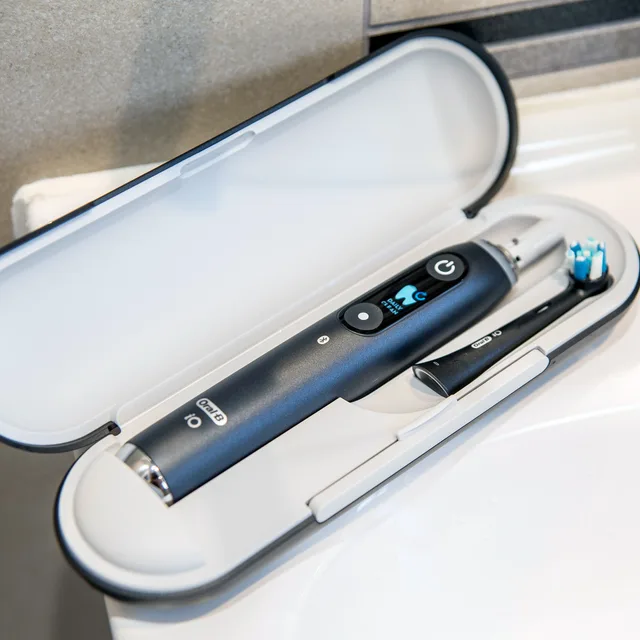
- Oral-B iO Series 2 - Buy. The best all-around pick: real oscillating-rotating cleaning, a bright pressure sensor, and a quiet iO motor without the flagship price.
- Philips Sonicare 4100 Series - Buy. The best value: gentle high-frequency sonic cleaning and a two-week battery at a budget price.
- Oral-B Pro 3 3000 - It depends. Excellent no-frills oscillating clean if you'll skip the app and tolerate a buzzier, plainer handle.
- Quip Sonic - Skip. A stylish, subscription-driven brush whose weak motor cleans barely better than a manual brush.
The verdict in 30 seconds
What mattered most
- Cleaning action
- Motor speed (maker)
- Pressure sensor
- Brushing modes
- Battery life
- Smart app tracking
An electric toothbrush is only worth it if it actually cleans better than the cheap manual you already own. We pulled the consensus from maker specifications, dentist and hygienist reviews, and owner reports to separate the better brushes from the ones selling design and subscriptions. Here are three we'd recommend and one popular pick most people should avoid.
The best all-around pick: real oscillating-rotating cleaning, a bright pressure sensor, and a quiet iO motor without the flagship price.
Best for: Most people who want dentist-approved oscillating cleaning with pressure feedback at a fair price
- Round oscillating-rotating head hugs each tooth and removes plaque effectively
- Pressure sensor that glows red and slows the brush, plus a 2-minute timer with 30-second pacer, the features dentists actually ask for
- Oral-B rates the battery at four weeks per charge, and the iO motor runs quietly
- Firm vibration can feel harsh on sensitive gums
- No Bluetooth or app on this model, and iO refill heads cost more than Sonicare's
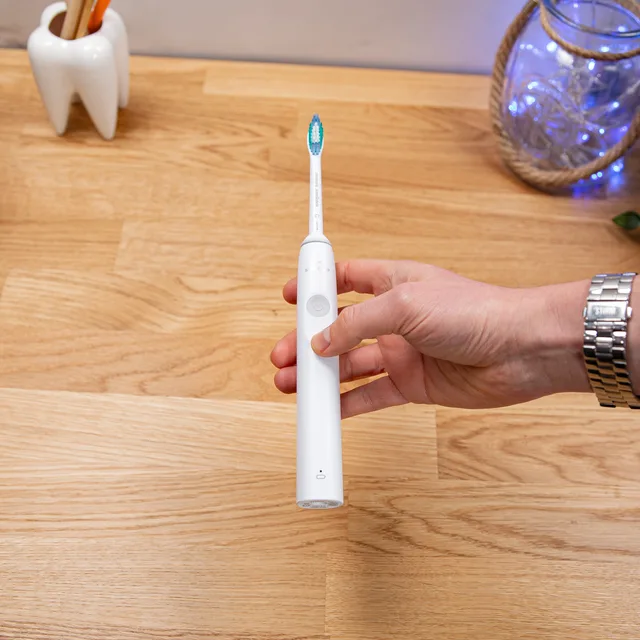
The best value: gentle high-frequency sonic cleaning and a two-week battery at a budget price.
Best for: Budget-minded buyers and anyone with sensitive gums who wants a gentler sonic feel
- Gentle sonic vibration is kinder to sensitive gums and receding gum lines
- Philips rates the battery at 14 days per charge
- 2-minute SmarTimer with QuadPacer, pressure sensor, and simple one-mode, two-intensity operation
- Pressure-sensor and timer alerts are subtle and easy to confuse or miss
- One mode with two intensities and no app for those who want tracking
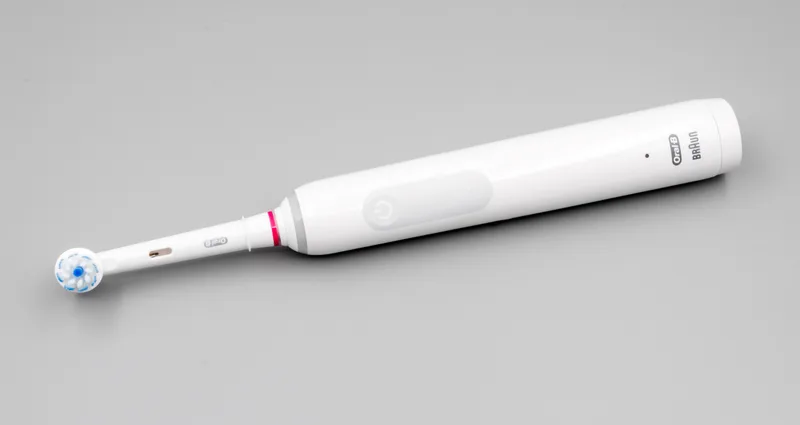
Excellent no-frills oscillating clean if you'll skip the app and tolerate a buzzier, plainer handle.
Best for: Value hunters who want top-tier cleaning and don't care about smart features or looks
- Same proven round oscillating-rotating cleaning action as pricier Oral-B models
- Visible pressure sensor light that stops you brushing too hard
- Cheaper entry point than the iO line
- Louder and buzzier in the hand than sonic or iO brushes
- Dated, bulky handle, and Oral-B sells it in the UK and Europe rather than through its US lineup
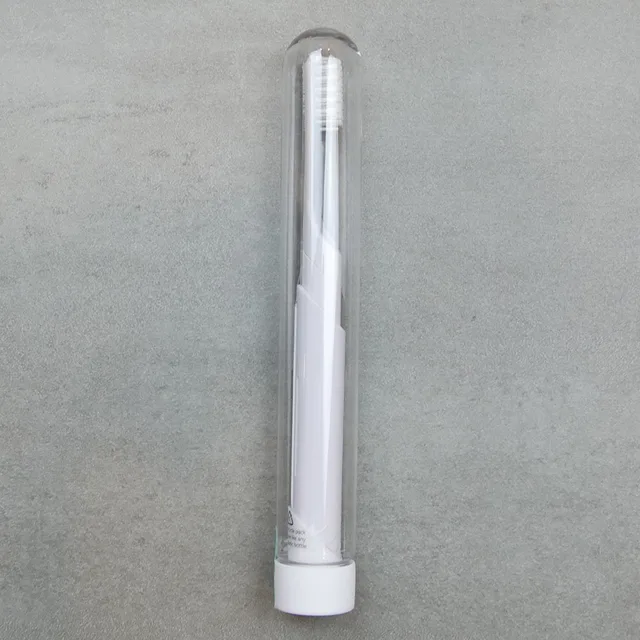
A stylish, subscription-driven brush whose weak motor cleans barely better than a manual brush.
Best for: Only as a step up from a manual brush or a lightweight travel spare, not as your main brush
- Slim, attractive design that travels well and runs up to three months on a AAA battery
- Built-in 2-minute timer with 30-second pulses and auto shutoff
- Quip publishes no vibration rate; its single sensitive mode feels underpowered next to the rechargeable brushes here
- Quip's own claim is 120 percent more plaque removal than a manual brush, a low bar next to Philips' 7x figure
- One mode, no pressure sensor, slippery handle, and refill heads pushed through a recurring subscription
| Criteria | Oral-B iO Series 2 Top pick | Philips Sonicare 4100 Series | Oral-B Pro 3 3000 | Quip Sonic |
|---|---|---|---|---|
| Verdict | Buy it | Buy it | It depends | Skip it |
| Best for | Most people who want dentist-approved oscillating cleaning with pressure feedback at a fair price | Budget-minded buyers and anyone with sensitive gums who wants a gentler sonic feel | Value hunters who want top-tier cleaning and don't care about smart features or looks | Only as a step up from a manual brush or a lightweight travel spare, not as your main brush |
| Price tier | $$ · mid-range | $ · budget | $ · budget | $ · budget |
| Cleaning action | Oscillating-rotating | Sonic vibration | Oscillating-rotating | Sonic vibration (weak) |
| Motor speed (maker) | Not published | 31,000 brush strokes/min | Not published | Not published |
| Pressure sensor | Yes, red light, slows brush | Yes, flashing alert | Yes, 360-degree ring | No |
| Brushing modes | 3 | 1 (2 intensities) | 3 | 1 |
| Battery life | Up to 4 weeks | 14 days | 2+ weeks | Up to 3 months (AAA) |
| Smart app tracking | No | No | No | No |
Which one is right for you?
- Most people who want dentist-approved oscillating cleaning with pressure feedback at a fair price Buy it Oral-B iO Series 2
- Budget-minded buyers and anyone with sensitive gums who wants a gentler sonic feel Buy it Philips Sonicare 4100 Series
- Value hunters who want top-tier cleaning and don't care about smart features or looks It depends Oral-B Pro 3 3000
- Only as a step up from a manual brush or a lightweight travel spare, not as your main brush Skip it Quip Sonic
How we judged the field
We focused on what protects teeth and gums over years: how effectively the head disrupts plaque, whether a pressure sensor stops you scrubbing too hard (the leading cause of gum recession from brushing), a two-minute timer with a quadrant pacer, battery life, and the ongoing cost and availability of replacement heads. We treated movements-per-minute figures and long mode lists as marketing, since most people use one mode and higher vibration counts do not linearly mean cleaner. RBE does not lab-test; we synthesize maker specifications and independent dental-backed testing with long-run owner reports on motors, batteries, and heads. The Oral-B iO Series 2 is our pick for cleaning feel, a useful pressure light, and a long battery; the Philips Sonicare 4100 is the runner-up for gentle sonic cleaning at a lower price.
Oral-B iO Series 2
Buy itThe iO Series 2 pairs Oral-B’s round oscillating-rotating head, which cups each tooth and works in small circles, with the newer iO magnetic drive that adds gentle micro-vibrations and runs markedly quieter than Oral-B’s older whining motors. Two features stand out: a pressure sensor that glows red and automatically slows the brush when you push too hard, and a two-minute timer that nudges you every 30 seconds to change zones. Owners consistently describe a just-been-to-the-dentist smoothness, and many switching from older Oral-B models single out how much calmer and quieter the iO motor feels. Oral-B lists three settings (super-sensitive, gentle gum care, and daily clean) and rates the battery at four weeks per charge, double the Sonicare’s figure. The trade-offs: there is no Bluetooth or app on this model, so any brushing feedback is on the handle itself, and replacement heads cost more and are less cheaply cloned. Right for anyone who wants the scrubbed oscillating clean with real-time pressure feedback. Wrong for shoppers who want app tracking or several cleaning modes.
Philips Sonicare 4100 Series
Buy itThe Sonicare 4100 uses sonic technology, a brush head that sweeps side to side at 31,000 brush strokes per minute by Philips’ count, driving fluid between teeth rather than rotating on each one. Its useful features are a pressure sensor that flashes when you bear down too hard and a two-minute SmarTimer with QuadPacer to even out coverage. Philips rates the battery at 14 days per charge, enough for a two-week trip, though the iO Series 2 is rated at twice that. The sonic action feels gentler and less aggressive than oscillation, which sensitive users and gum-recession-conscious brushers appreciate. Where it gives ground: the 4100 has a single cleaning mode with two intensity settings and no display, some users feel it delivers less of a physically scrubbed sensation than a rotating head, and premium replacement heads add up. Right for people who want gentle, quiet cleaning at the lowest price here. Wrong for those who prefer the vigorous, polished feel of an oscillating brush or want multiple modes.
Oral-B Pro 3 3000
It dependsThe Pro 3 3000 is the value oscillating option: a round rotating-oscillating head, a 360-degree pressure ring that glows red and slows the brush when you press too hard, three modes (daily clean, whitening, and sensitive), and a battery Oral-B says lasts more than two weeks. On cleaning effectiveness it is close to the iO, and the wraparound pressure light is arguably more visible than the iO’s. So why it depends? It runs on Oral-B’s older motor, which is noticeably louder and buzzier than the iO drive and transmits more vibration to the hand, and Oral-B sells it through its UK and European range rather than its US lineup, so US buyers find it through importers and marketplace sellers. It depends on your priorities: if you want proven oscillating cleaning, three modes, and a wraparound pressure ring at a lower outlay, and noise does not bother you, it is a smart buy. If a quiet, refined brushing experience matters, the iO is worth the step up. Right for value-minded oscillating fans. Wrong for the noise-sensitive.
Quip Sonic
Skip itThe Quip is a design-led, travel-first sonic brush: a slim handle in plastic or metal, one sensitive sonic vibrating mode, a two-minute timer that pulses every 30 seconds and shuts the brush off, a AAA battery Quip rates at up to three months, and a cover that doubles as a mirror mount and stand. For portability and low maintenance it is appealing; nothing to recharge, easy to pack, and refills arrive on a schedule. We skip it for primary daily cleaning because the fundamentals are modest: the vibration is gentle and lower-powered than the rechargeable sonic and oscillating brushes here, Quip publishes no vibration rate and claims only 120 percent more plaque removal than a manual brush, and there is no pressure sensor to guard your gums. The AAA-battery approach also means steady replacements rather than a rechargeable cell, and the warranty is one year. To be fair, as a second brush for travel or for a minimalist who prioritizes simplicity over maximum cleaning, it does that job well. Right for travel and minimalists. Wrong as your main plaque-removal tool.
Sources
Specs in this review come from these pages.
- Oral-B, iO Series 2 Rechargeable Electric Toothbrush Starter Kit product page (modes, pressure sensor, timer, battery) (oralb.com)
- Oral-B, Which Oral-B iO electric toothbrush is right for you (iO2 battery life, Bluetooth models) (oralb.com)
- Philips, Sonicare 4100 Series HX3681/24 product page (31,000 brush strokes, 2 intensities, 14-day battery, pressure sensor) (usa.philips.com)
- Oral-B UK, Pro 3 3000 CrossAction electric toothbrush product page (3 modes, 360-degree pressure sensor, battery) (oralb.co.uk)
- quip, Sonic Toothbrush product page (one mode, timer, AAA battery life, warranty) (getquip.com)
Oral-B iO Series 2 vs Philips Sonicare 4100 Series: which should you buy?
This is oscillation versus sonic, and both clean well enough that feel and price decide it. The iO Series 2 gives a more physically scrubbed, polished result from its round rotating head, plus a red pressure light that is easy to obey, a motor far quieter than older Oral-B brushes, and a four-week rated battery. Its costs are pricier heads and no app. The Sonicare 4100 cleans by sweeping fluid between teeth, which feels gentler and suits sensitive gums, and its 14-day rated battery still covers a two-week trip. Its limits are a single mode and a less scrubbed sensation. Choose the iO Series 2 if you want that dentist-visit smoothness and the longest battery between charges. Choose the Sonicare 4100 if you prefer gentle sonic cleaning or want to spend less. Both protect gums with pressure sensors, so neither is a wrong answer.
What to look for
Decide the cleaning style first, because it shapes everything else. Oscillating-rotating heads (Oral-B) cup and scrub each tooth for a polished feel many find more thorough; sonic heads (Sonicare, Quip) sweep fluid between teeth and feel gentler, which sensitive gums often prefer. Neither is decisively better in the research, so pick the sensation you will enjoy enough to brush the full two minutes. Next, insist on a pressure sensor: brushing too hard is a top cause of gum recession, and a light that warns you is more protective than any mode. Treat mode counts and movements-per-minute as marketing, since most people use one mode and a whitening mode mostly just runs longer. Weigh battery life against your habits: two weeks or more matters if you travel or forget to charge; less is fine if the brush lives on a bathroom charger. Finally, factor the long-term cost and availability of replacement heads, since that recurring spend outweighs the handle price over a couple of years. Match style, pressure protection, battery, and head cost to your routine.
Our final take
The Oral-B iO Series 2 is the pick for most people: an effective oscillating clean, a quiet modern motor, a four-week battery, and a pressure light you will actually use, with pricier heads and no app as the trade. The Sonicare 4100 is the runner-up for gentle sonic cleaning at a lower price, ideal for sensitive gums. The Pro 3 3000 is a smart-value oscillating option if you can tolerate a louder motor and can find the UK-market model. The Quip Sonic is a fine travel brush but too gentle to be your main plaque remover.
Questions, answered
Oscillating or sonic, which cleans better?
Independent dental-backed testing finds both remove plaque effectively, so there is no decisive winner. Oscillating brushes (Oral-B) give a scrubbed, polished feel; sonic brushes (Sonicare) feel gentler and suit sensitive gums. Pick the sensation you will tolerate for a full two minutes twice a day.
Is the iO Series 2 worth more than the Pro 3 3000?
Both use a round oscillating head and clean similarly. The iO adds a much quieter motor and a four-week battery; the Pro 3 offers three modes and a 360-degree pressure ring for less, but Oral-B sells it in the UK and Europe, not through its US range. Pay up for the iO mainly for the quieter, more refined feel.
Do I really need a pressure sensor?
Yes, more than you need extra modes. Brushing too hard is a leading cause of gum recession, and a sensor that lights up when you press too hard actively protects your gums. Every brush here except the Quip includes one, a key reason we skip it.
Is the Quip good enough as my only toothbrush?
For travel or minimalism it is fine, but as a primary brush it underperforms. Its gentle sonic vibration removes less plaque than the rechargeable brushes here, and it has no pressure sensor. Use it as a second, travel brush rather than your main daily cleaner.
Deciding between the top two? See our head-to-head: Oral-B iO Series 2 vs Philips Sonicare 4100 Series.
More Beauty & Grooming reviews
 The Best Facial Cleansing Brushes: 4 Compared (and One to Skip)
  The Best Foot Files: 4 Compared (and One to Skip)
  The Best Gel Manicure Kits: 4 Compared (and One to Skip)
  The Best Hair Clippers for Home Haircuts: 4 Compared (and One to Skip)
  The Best Hair Dryers: 4 Compared (and One to Skip)
  The Best Hair Straighteners: 4 Compared (and One to Skip)