

Health & Wellness
Best Smart Bathroom Scales for 2026
We compared four 2026 smart scales on repeatability, app sync, and body-composition metrics that actually help, plus the flagship most people should skip.
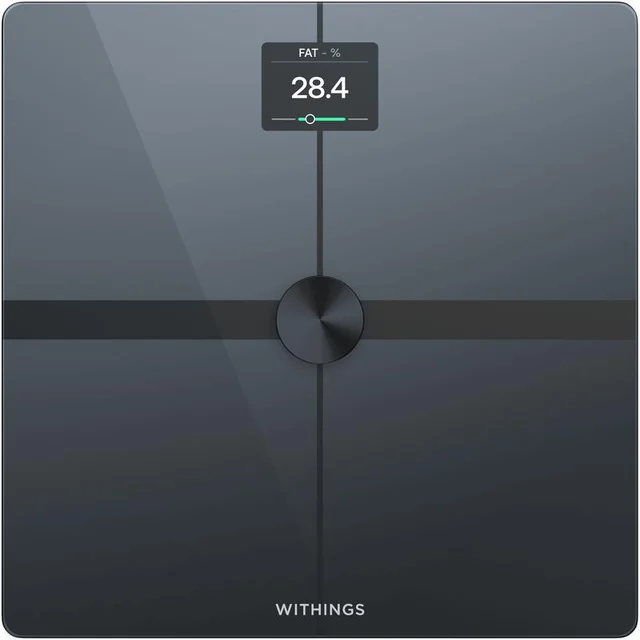
The short version
For most people, the Withings Body Smart is the pick: consistent weight trends, eight composition estimates plus heart rate, and sync to more than 100 apps without a subscription. The eufy Smart Scale P3 is the value runner-up, packing 16 readings and strong multi-user handling for less. Buy the Garmin Index S2 only if you already use Garmin Connect. Skip the pricier Withings Body Comp: its cardiovascular extras stay novelty-grade and nudge you toward a paid plan the Body Smart never needs.
Our picks at a glance
- Withings Body Smart - Buy. The most consistent, widely compatible scale for tracking weight trends without buying into extras.
- eufy Smart Scale P3 - Buy. A lot of body-composition detail and multi-user smarts for a mid-tier outlay.
- Garmin Index S2 - It depends. The scale to buy only if you already live in Garmin Connect.
- Withings Body Comp - Skip. A capable scale whose headline extras rarely earn the step up from the Body Smart.
The verdict in 30 seconds
What mattered most
- Body-composition metrics
- Connectivity
- App ecosystem
- On-scale display
- Multi-user support
- Subscription for full value
A smart scale cannot measure your body fat the way a clinic can, so the honest question is which one repeats a trustworthy trend and puts it somewhere useful. We compared four 2026 models on repeatability, app support, and whether the extra metrics earn their keep. Three are worth owning for different buyers; one costs more than it should.
The most consistent, widely compatible scale for tracking weight trends without buying into extras.
Best for: Most people who want reliable weight trends and body-composition estimates that sync almost anywhere.
- Reads weight to within about 50 grams, and on-scale foot-placement guidance keeps the day-to-day trend line steady
- Syncs over both Wi-Fi and Bluetooth to more than 100 apps, including Apple Health, Google, and Samsung Health, with no subscription
- Body-fat and muscle figures come from single-pass foot-to-foot BIA, so treat the absolute numbers as estimates, not measurements
- Baby, pregnancy, and athlete modes live in the app rather than on the scale, adding setup steps
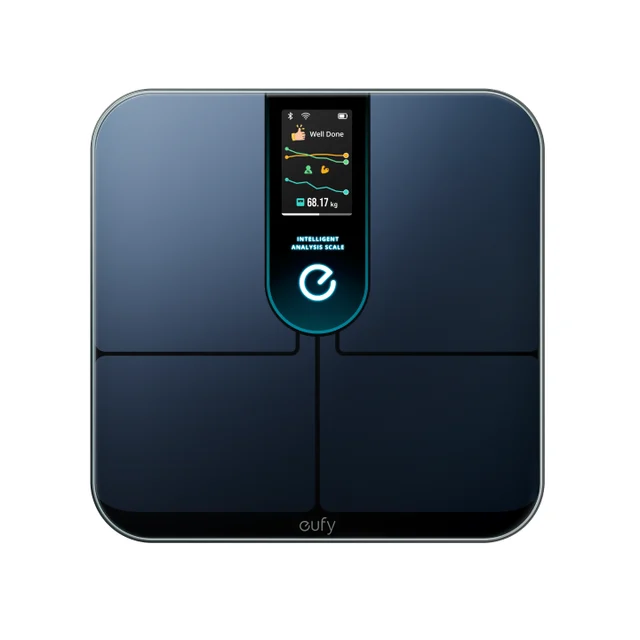
A lot of body-composition detail and multi-user smarts for a mid-tier outlay.
Best for: Data-minded households that want the widest metric list without stepping up to flagship pricing.
- Records 16 readings, including visceral fat, heart rate, and a body-age estimate, on a bright color display
- Full-platform ITO electrode coating and user auto-recognition handle a busy household well, even at similar weights
- The tempered-glass top smears almost immediately and the on-scale controls are fiddly to navigate
- No mode to hide the weight number for anyone sensitive to it, and third-party app support is thinner than Withings
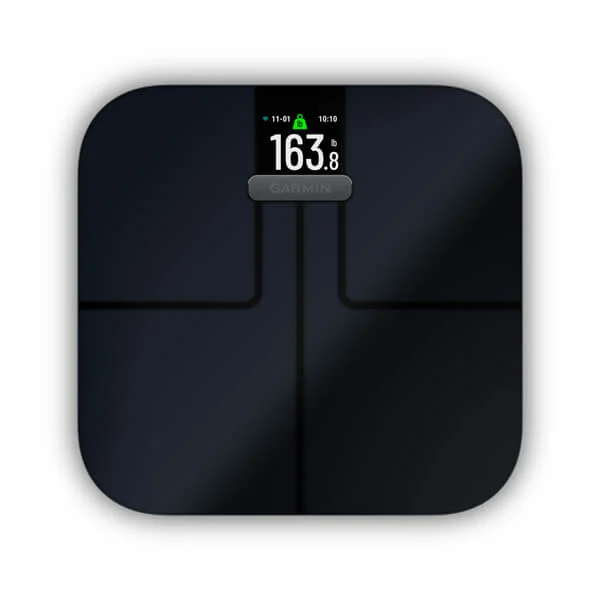
The scale to buy only if you already live in Garmin Connect.
Best for: Existing Garmin watch owners who want weigh-ins folded into their training data.
- Tight weight precision, and every weigh-in lands in Garmin Connect beside training load, sleep, and recovery data over Wi-Fi
- Auto-detects up to 16 users and shows a weight-trend arrow on a clear color OLED display
- Stays inside Garmin Connect and does not sync natively to Apple Health, boxing in non-Garmin users
- Body-fat readings drifted several points in independent owner testing, so lean on the trend, not the exact figure
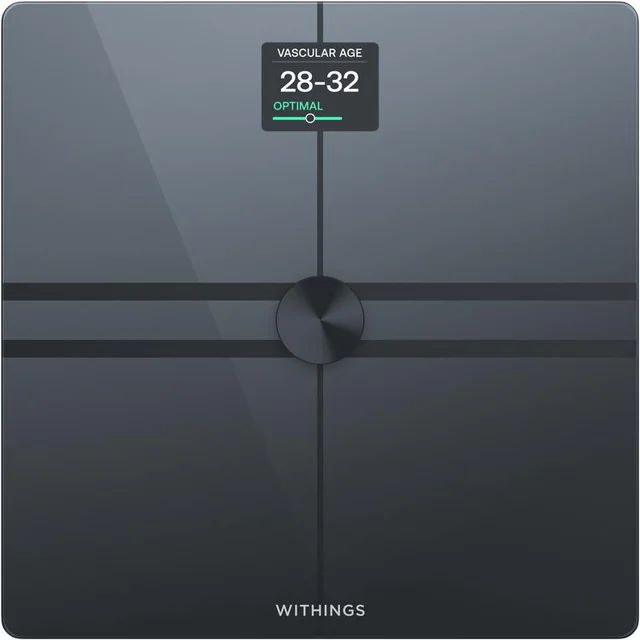
A capable scale whose headline extras rarely earn the step up from the Body Smart.
Best for: The narrow group specifically chasing at-home cardiovascular-trend metrics and willing to pay a subscription.
- Adds cardiovascular readings such as a vascular-age estimate derived from pulse wave velocity on top of standard composition
- Shares the same tidy hardware, color screen, and 100-plus-app sync as the cheaper Body Smart
- Costs materially more than the Body Smart while the standout heart and nerve metrics stay novelty-grade for daily use
- Withings steers you toward a paid Health+ plan to unlock the coaching and longitudinal reports that would justify the price
| Criteria | Withings Body Smart Top pick | eufy Smart Scale P3 | Garmin Index S2 | Withings Body Comp |
|---|---|---|---|---|
| Verdict | Buy it | Buy it | It depends | Skip it |
| Best for | Most people who want reliable weight trends and body-composition estimates that sync almost anywhere. | Data-minded households that want the widest metric list without stepping up to flagship pricing. | Existing Garmin watch owners who want weigh-ins folded into their training data. | The narrow group specifically chasing at-home cardiovascular-trend metrics and willing to pay a subscription. |
| Price tier | $$ · mid-range | $ · budget | $$$ · premium | $$$$ · flagship |
| Body-composition metrics | 8 estimates + heart rate | 16 estimates | 6 estimates | 8 estimates + vascular age |
| Connectivity | Wi-Fi + Bluetooth | Wi-Fi + Bluetooth | Wi-Fi only | Wi-Fi + Bluetooth |
| App ecosystem | 100+ apps (Apple Health, Google, Samsung) | EufyLife + Apple Health, Google Fit, Fitbit | Garmin Connect only | 100+ apps (Apple Health, Google, Samsung) |
| On-scale display | Color LCD | Color LCD | Color OLED | Color LCD |
| Multi-user support | Up to 8 | Unlimited, auto-recognition | Up to 16, auto-detect | Up to 8 |
| Subscription for full value | Not needed | Not needed | Not needed (Connect is free) | Nudged toward Health+ |
Which one is right for you?
- Most people who want reliable weight trends and body-composition estimates that sync almost anywhere. Buy it Withings Body Smart
- Data-minded households that want the widest metric list without stepping up to flagship pricing. Buy it eufy Smart Scale P3
- Existing Garmin watch owners who want weigh-ins folded into their training data. It depends Garmin Index S2
- The narrow group specifically chasing at-home cardiovascular-trend metrics and willing to pay a subscription. Skip it Withings Body Comp
How we judged the field
Real Buyer Experiences does not run a lab. We synthesize independent expert testing and long-run owner reports, then weigh the things a bathroom scale can actually deliver. For a smart scale, one honest truth comes first: the bioelectrical impedance reading behind your body-fat, muscle, and water figures is an estimate, not a measurement. A small current runs foot-to-foot and the scale infers composition from resistance, hydration, and a stored profile. So we cared less about how many decimals a scale prints and more about whether it repeats the same number under the same conditions, sends it somewhere useful, and avoids charging you twice.
We scored four in-production 2026 models on repeatability of weight and composition, connectivity and app support, display and multi-user handling, and whether the maker leans on a subscription to unlock value. Three earn a recommendation for different buyers. One earns a skip, and it is not the cheapest one here.
Withings Body Smart
Buy itThe Body Smart is the one we would put in most bathrooms. It reads weight to within roughly 50 grams, and its on-scale guidance for foot placement steadies the composition reading, so the day-to-day line stays consistent rather than jumping for no reason. You get eight composition estimates plus a heart-rate check at each weigh-in, shown on a clear color screen, with a battery that lasts more than a year.
The reason it wins is not the metric count; it is the plumbing. The Body Smart syncs over both Wi-Fi and Bluetooth to more than 100 apps, including Apple Health, Google, and Samsung Health, and it does all of that without asking for a subscription. What we liked more than anything was the repeatability: owners report the trend line behaves predictably, which is the whole point of weighing in daily. What we liked less is that the baby, pregnancy, and athlete modes live in the app rather than on the scale, so first-time setup takes a few extra taps. Treat the body-fat and muscle numbers as estimates and this is an easy recommendation.
eufy Smart Scale P3
Buy itIf you want the longest metric list for the least money, the P3 is the value pick. It records 16 readings, including visceral fat, heart rate, and a body-age estimate, on a bright color display, and its full-platform ITO electrode coating plus user auto-recognition handle a busy household well, even when two people weigh about the same. The EufyLife app is tidy and adds a 3D body model that some people find motivating.
What we liked more here is breadth for the outlay: you are getting flagship-length data at a mid-tier cost. What we liked less is the finish and the software edges. The tempered-glass top smears almost immediately, the on-scale controls are fiddly, and there is no mode to hide the weight number for anyone who finds it triggering. Third-party app support reaches Apple Health, Google Fit, and Fitbit, but it is narrower than what Withings offers. None of that undoes the core value, and for data-minded buyers it is the runner-up by a small margin.
Garmin Index S2
It dependsThe Index S2 is a good scale for a specific person: someone who already lives in Garmin Connect. Weight precision is tight, and the appeal is that every weigh-in lands next to your training load, sleep, and recovery data automatically over Wi-Fi. It auto-detects up to 16 users, shows a weight-trend arrow, and runs for months on AAA batteries behind a crisp color display.
The catch is the walled garden. The Index S2 stays inside Garmin Connect and does not sync natively to Apple Health, so if your health data lives elsewhere you will feel boxed in. Independent owner testing also shows body-fat readings drifting several points, so lean on the trend and ignore the exact figure. What we liked more is the way a weigh-in becomes training context instead of an isolated number. What we liked less is that everything of value assumes you bought into Garmin first. Outside that ecosystem, the Body Smart or the P3 makes more sense.
Withings Body Comp
Skip itThis is the honest dis-buy, and notably it is the expensive one. The Body Comp shares the same tidy hardware, color screen, and 100-plus-app sync as the Body Smart, then adds cardiovascular readings such as a vascular-age estimate derived from pulse wave velocity. On paper that sounds like a clear upgrade.
In use, the step up rarely earns its cost. The headline heart and nerve metrics stay novelty-grade for daily decisions and are not a substitute for a clinician’s measurement, and Withings steers you toward a paid Health+ plan to unlock the coaching and longitudinal reports that would justify the premium. What we liked more than the Body Smart is essentially one thing: the extra cardiovascular trend data. What we liked less is paying materially more for metrics most people glance at once and then ignore, on top of subscription nudges the cheaper model never sends. Unless you specifically want at-home cardiovascular trends and accept the ongoing plan, buy the Body Smart and keep the difference.
Withings Body Smart vs eufy Smart Scale P3: which should you buy?
These two cover most shoppers, so the decision usually comes down to ecosystem versus breadth. The Body Smart is the safer default: steadier repeatability, the widest app support, heart rate at each weigh-in, and a finish that stays legible. It is the one to buy if you want numbers that sync cleanly into Apple Health or Samsung Health and behave consistently over months.
The P3 wins on raw data and household flexibility. Sixteen readings, dependable multi-user recognition, and a lower outlay make it the better fit if you actively study visceral fat, body water, and muscle trends and do not mind wiping smudges or living mostly inside the EufyLife app. Choose the Body Smart for polish and compatibility; choose the P3 for maximum metrics per dollar. Neither will replace a clinical scan, and both are honest daily trend tools.
What to look for
Start with sync, not sensors. Wi-Fi uploads the moment you step off, with no phone in hand, which suits a daily habit; Bluetooth needs your phone nearby and open. Confirm the scale feeds the health platform you already use, because a metric you never see is a metric that does not help. Next, match the electrode setup to your expectations: foot-to-foot impedance, which every scale here uses, estimates the lower body most and extrapolates the rest, so it is a trend tool by design. If several people share the scale, check the user cap and whether auto-recognition is reliable. If the number itself is sensitive for anyone in the home, look for a mode that hides weight. Finally, read the fine print on subscriptions; the core metrics should be free, and a paywall for basic history is a reason to walk away.
Our final take
For most people, the Withings Body Smart is the pick: consistent trends, useful composition estimates, heart rate, and sync almost anywhere without a subscription. The eufy Smart Scale P3 is the value runner-up, trading a little polish for the longest metric list at a lower cost. Buy the Garmin Index S2 only if you already use Garmin Connect and want weigh-ins folded into training data. And skip the Withings Body Comp: it is a fine scale whose signature extras do not earn the premium or the subscription nudges, when its cheaper sibling covers what actually matters.
Questions, answered
Are smart scale body-fat readings accurate?
Treat them as estimates. Foot-to-foot bioelectrical impedance infers composition from a small current and a stored profile, so absolute body-fat can be off by several points versus a clinical scan. Weigh in at the same time under the same conditions and trust the trend, not the exact figure.
Do I need Wi-Fi, or is Bluetooth enough?
Wi-Fi uploads automatically the moment you step off, with no phone nearby, which suits daily weigh-ins. Bluetooth needs your phone in range and the app open. Three of our picks offer both; the Garmin is Wi-Fi only but syncs quickly to its own app.
Will these scales work with Apple Health?
The two Withings models and the eufy P3 push data to Apple Health, plus Google and other platforms. The Garmin Index S2 is the exception: it stays inside Garmin Connect and does not sync natively to Apple Health, so check your ecosystem before buying.
Is a subscription required to use a smart scale?
Not for the metrics most people use. The eufy and Garmin apps are free, and the Withings Body Smart works fully without paying. Withings does nudge flagship buyers toward its paid Health+ plan for coaching and long-term reports, which is part of why we skip the Body Comp.
Deciding between the top two? See our head-to-head: Withings Body Smart vs eufy Smart Scale P3.
More Health & Wellness reviews
 The Best Sunrise Alarm Clocks (Wake-Up Lights) for 2026
  The Best TENS Units for At-Home Pain Relief: 4 Compared (and One to Skip)
  The Best Tourniquets: 4 Compared (and One to Skip)
  The Best Under-Desk Walking Treadmills: 4 Compared (and One to Skip)
  The Best Weighted Blankets: An Honest Comparison
  The Best Infrared Sauna Blankets: 4 Compared (and One to Skip)