

Tech & Gadgets
The Best Budget Tablets: Four Compared, One to Skip
We weighed four budget tablets on screen, sound, speed and software support to find which are genuinely worth buying, and the one most people should skip.
The short version
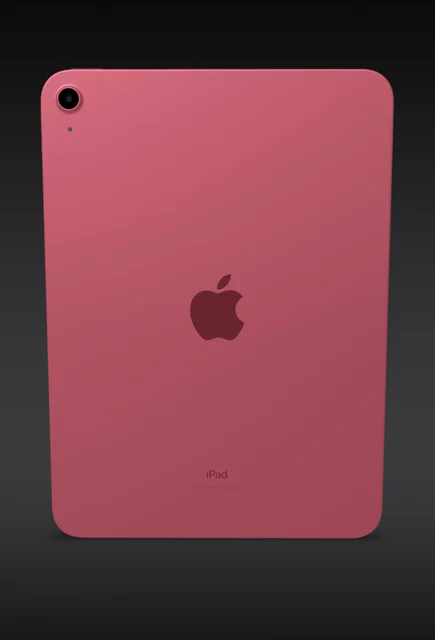
For most people the Apple iPad with the A16 chip is the safest budget buy: it is quick, its apps are properly built for a tablet, and it keeps getting updates long after the others stop. Android shoppers get better value from the Samsung Galaxy Tab A9+, which adds quad speakers and expandable storage. The OnePlus Pad Lite is a battery-first media slab worth a look. Skip the small 8.7-inch Galaxy Tab A9; the A9+ is a much better tablet for only a little more.
Our picks at a glance
- Apple iPad (A16) - Buy. The priciest pick here, and still the safest for most people thanks to its apps and long update life.
- Samsung Galaxy Tab A9+ - Buy. The Android value pick: big sound and expandable storage for noticeably less money.
- OnePlus Pad Lite - It depends. A battery-first media slab that usually undercuts the field, if you can accept a modest chip.
- Samsung Galaxy Tab A9 (8.7-inch) - Skip. The cheapest way into a name-brand tablet, but the larger A9+ is worth the small step up.
The verdict in 30 seconds
What mattered most
- Screen
- Performance
- Speakers
- Battery & charging
- Expandable storage
- Software support
A cheap tablet should not feel cheap to live with, yet plenty do. We synthesized independent expert reviews and long-term owner feedback on the budget tablets still sold in 2026, focusing on the things you notice daily: the screen, the speakers, the speed and how long the software keeps getting updates. Three of these are worth your money for the right person. One is not.
The priciest pick here, and still the safest for most people thanks to its apps and long update life.
Best for: People who want the longest useful lifespan and the best app selection.
- A16 chip has real headroom for multitasking and light gaming
- Long iPadOS support and a deep library of properly tablet-built apps
- Non-laminated screen has a visible air gap and looks slightly recessed
- Pencil and keyboard are sold separately, raising the true cost
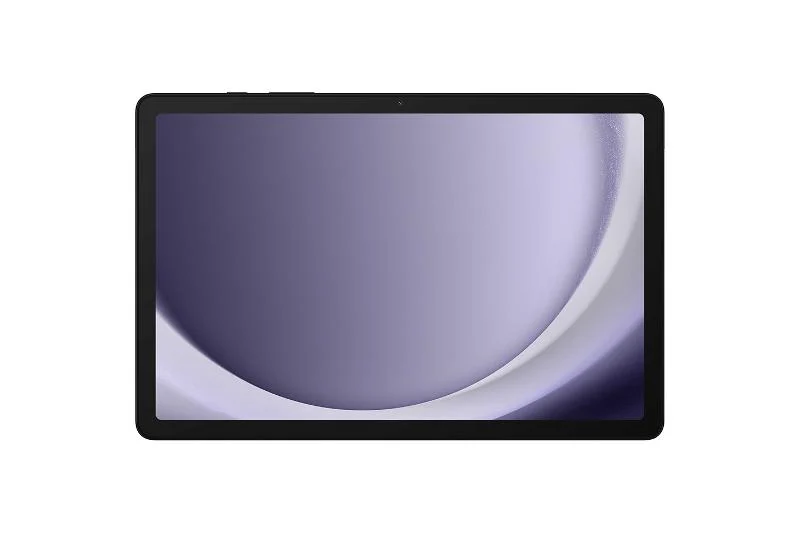
The Android value pick: big sound and expandable storage for noticeably less money.
Best for: Android users who want louder sound and expandable storage on a modest budget.
- Quad Dolby Atmos speakers paired with an 11-inch 90Hz screen
- microSD expansion and a headphone jack that the iPad omits
- Snapdragon 695 is fine for media but slows under demanding games
- Plastic body and slow 15W charging
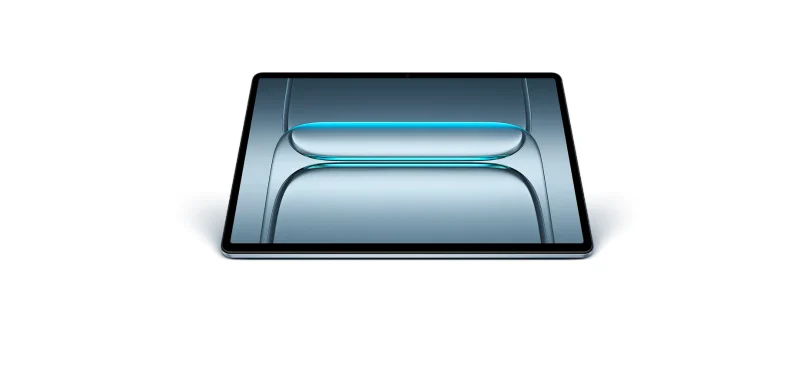
A battery-first media slab that usually undercuts the field, if you can accept a modest chip.
Best for: Couch and travel viewing where battery life matters more than speed.
- Very large 9,340mAh battery with 33W fast charging
- 11-inch 90Hz screen and quad speakers tuned for video
- MediaTek Helio G100 is built for light workloads, not demanding apps
- Only moderately bright LCD and a shorter software-update commitment
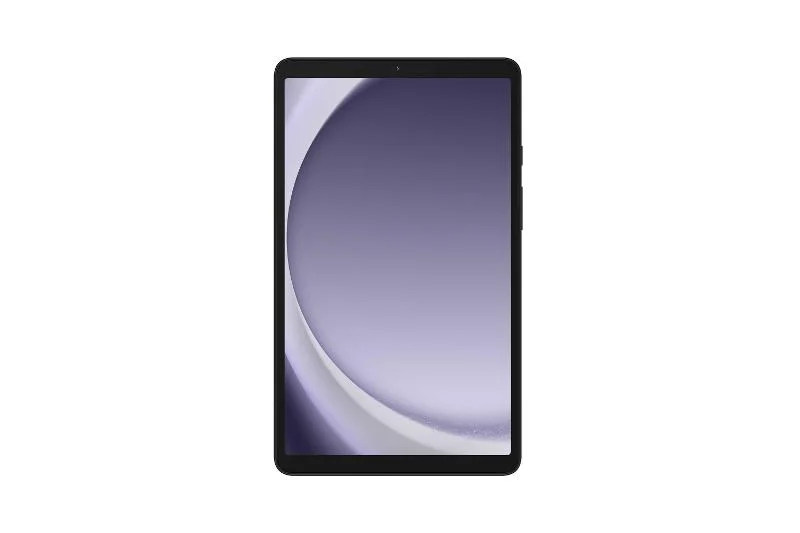
The cheapest way into a name-brand tablet, but the larger A9+ is worth the small step up.
Best for: A pocketable second screen, though the 11-inch A9+ is usually the smarter buy.
- Compact and light for one-handed reading
- Keeps a microSD slot at a very low entry price
- Cramped 8.7-inch 60Hz screen feels tight for video and split-screen
- Drops to two speakers and a smaller battery
| Criteria | Apple iPad (A16) Top pick | Samsung Galaxy Tab A9+ | OnePlus Pad Lite | Samsung Galaxy Tab A9 (8.7-inch) |
|---|---|---|---|---|
| Verdict | Buy it | Buy it | It depends | Skip it |
| Best for | People who want the longest useful lifespan and the best app selection. | Android users who want louder sound and expandable storage on a modest budget. | Couch and travel viewing where battery life matters more than speed. | A pocketable second screen, though the 11-inch A9+ is usually the smarter buy. |
| Price tier | $$$ · premium | $$ · mid-range | $ · budget | $ · budget |
| Screen | 11-inch, sharp but non-laminated, 60Hz | 11-inch LCD, 90Hz | 11-inch LCD, 90Hz, ~500 nits | 8.7-inch LCD, 60Hz |
| Performance | A16, most headroom here | Snapdragon 695, steady for media | Helio G100, media-grade | Helio G99, light tasks |
| Speakers | Stereo, clean | Quad, Dolby Atmos | Quad, video-tuned | Stereo only |
| Battery & charging | All-day, USB-C | ~7,040mAh, 15W | ~9,340mAh, 33W fast charge | ~5,100mAh, 15W |
| Expandable storage | No microSD | microSD | microSD | microSD |
| Software support | Longest; huge tablet app library | Several years of One UI | Shorter update window | Several years, but limited |
Which one is right for you?
- People who want the longest useful lifespan and the best app selection. Buy it Apple iPad (A16)
- Android users who want louder sound and expandable storage on a modest budget. Buy it Samsung Galaxy Tab A9+
- Couch and travel viewing where battery life matters more than speed. It depends OnePlus Pad Lite
- A pocketable second screen, though the 11-inch A9+ is usually the smarter buy. Skip it Samsung Galaxy Tab A9 (8.7-inch)
How we judged the field
RBE does not run lab benchmarks. We read widely across independent expert reviews and long-term owner feedback, then look for the points where they agree rather than the ones that make headlines. For budget tablets that meant weighing the things people notice every day: how the screen looks for video and reading, how the speakers sound, whether the software will still be supported in a few years, and how much you give up to reach a low price. We kept only models still in production in 2026 and set aside anything discontinued. Three of the four below are easy to recommend for the right person. One looks fine on a spec sheet but is hard to justify once you see what a small step up buys you.
Apple iPad (A16)
Buy itThe standard iPad with the A16 chip is the most expensive option in this group, and it is still the one we point most people toward. The reason is not raw speed, although the A16 has more headroom than any chip here. It is the software. The App Store has properly built tablet versions of the apps most people rely on, and Apple supports its tablets with updates far longer than the Android field, so this is the model most likely to feel current several years from now. The 11-inch display is sharp, and the stereo speakers stay clean at volume.
Two things hold it back. The screen is not laminated, so there is a small air gap between the glass and the image that pricier iPads avoid, and it looks slightly recessed up close. The value math is also tight: the Pencil and keyboard are sold separately and add up quickly, so the real cost climbs the moment you want to draw or type.
Liked more: the long update runway and the genuinely tablet-optimized apps. Liked less: the non-laminated screen and the extra cost of accessories.
Samsung Galaxy Tab A9+
Buy itIf you would rather stay on Android or spend less, the Galaxy Tab A9+ is the value pick. It pairs an 11-inch 90Hz screen with quad speakers tuned by Dolby Atmos, and that combination makes it a better small entertainment device than the price suggests. It also keeps two things Apple leaves out: a microSD slot for cheap storage expansion and a headphone jack. Samsung supports it with several years of One UI updates, which is generous at this level.
The compromises are the usual budget ones. The Snapdragon 695 is comfortable with streaming and split-screen but slows down in demanding games, the body is plastic, and charging tops out at a slow 15W, so top-ups take a while. None of that is a deal-breaker for a media and browsing tablet.
Liked more: the quad speakers and expandable storage. Liked less: the modest chip and slow charging.
OnePlus Pad Lite - Consider
It dependsThe Pad Lite is the battery champion of the group. Its very large 9,340mAh cell routinely lasts through long viewing sessions, and 33W fast charging refills it far quicker than the Samsung tablets manage. You also get an 11-inch 90Hz screen and quad speakers, so as a couch or travel video slab it is easy to like, and it usually undercuts the others on price.
Look past media and the limits show. The MediaTek Helio G100 is built for light workloads, not heavy apps or serious gaming, and the LCD is only moderately bright, so it struggles in sunlight. OnePlus also commits to fewer years of updates than the iPad or the Galaxy line, which matters if you keep devices a long time. Buy it for what it does well and it satisfies; ask more of it and it strains.
Liked more: the large battery and quick charging. Liked less: the media-grade chip and shorter software support.
Samsung Galaxy Tab A9 (8.7-inch)
Skip itThis is the one to walk past. The small Galaxy Tab A9 is tempting because it is the cheapest way into a name-brand tablet, and it keeps handy touches like a microSD slot. But the 8.7-inch screen is cramped for the things people actually buy tablets for, and it runs at a plain 60Hz, so scrolling and video feel less smooth than the 90Hz screens above. It also drops to just two speakers and a smaller battery.
The problem is not that it is bad in isolation; it is that the 11-inch Galaxy Tab A9+ sits right next to it for only a little more and fixes almost every one of those shortcomings. Unless you specifically want something pocketable to hold in one hand, the extra outlay for the A9+ is money well spent.
Liked more: the compact size and low entry price. Liked less: the cramped 60Hz screen and thin, two-speaker sound.
Apple iPad (A16) vs Samsung Galaxy Tab A9+: which should you buy?
This is the real decision for most shoppers, and it comes down to platform and priorities. The iPad wins on the things that age well. Its apps are built properly for a tablet, its chip has the most headroom, and it will keep receiving updates long after the others have stopped, which protects your money over time. The trade-off is price and accessories: it costs the most here, and the Pencil and keyboard are extra.
The Galaxy Tab A9+ wins on immediate value. For less money it gives you louder quad speakers, a 90Hz screen, expandable storage and a headphone jack, and Samsung still promises a respectable stretch of updates. If you are on Android, want the best sound for the money, or simply want to spend less without feeling short-changed, it is the sensible choice. Pick the iPad if longevity and app quality lead your list; pick the A9+ if value and features do.
What to look for
Start with the operating system, because it shapes everything else. If you already use an iPhone or want the longest useful life, the iPad is the low-risk pick. If you prefer Android or want expandable storage, look to Samsung or OnePlus. Next, weigh what you will do most. For sound and all-round balance, the A9+ leads. For long unplugged viewing, the Pad Lite and its big battery make sense. Watch screen size and refresh rate too, since an 11-inch 90Hz panel is far more pleasant to use than an 8.7-inch 60Hz one. Finally, budget for accessories separately, because a case, keyboard or stylus can quietly add a lot to any of these.
Our final take
None of these tablets is perfect, and that is the honest reality of the budget category: you are choosing which compromises you can live with. The Apple iPad (A16) is the safest all-round buy thanks to its apps and long support, and it is the one most people will still be content with in a few years. The Samsung Galaxy Tab A9+ is the value champion for everyone else. The OnePlus Pad Lite earns a place if battery life is your priority. And the small Galaxy Tab A9 is the one to skip, because its bigger sibling is a much better tablet for only a little more.
Questions, answered
Which budget tablet should most people buy?
The Apple iPad with the A16 chip. It is the fastest here, its apps are the best-built for a tablet screen, and it receives updates far longer than the Android options, so it stays useful years after cheaper rivals feel dated. Accessories cost extra.
Is the Samsung Galaxy Tab A9+ better than the OnePlus Pad Lite?
For most buyers, yes. The A9+ has quad Dolby Atmos speakers, expandable storage and a longer update record. The Pad Lite counters with a much larger battery and faster charging, so choose it only if long unplugged viewing matters more than software support.
Why skip the 8.7-inch Galaxy Tab A9?
Its screen is small and cramped at 8.7 inches and runs at a plain 60Hz, and it has only two speakers and a smaller battery. The 11-inch Galaxy Tab A9+ costs a little more but is far more comfortable for video, reading and split-screen work.
Can these tablets replace a laptop?
Not really. Budget tablets handle browsing, streaming, notes and video calls well, but their modest chips and small storage limit heavy multitasking. The iPad comes closest with a keyboard attached, though that pushes the price toward better-value laptop territory.
Do budget Android tablets get software updates?
Some do, but for fewer years than an iPad. Samsung offers several years of updates across the Galaxy Tab A9 family, which is good for the price. The OnePlus Pad Lite has a shorter commitment, so factor that in if you keep devices a long time.
Deciding between the top two? See our head-to-head: Apple iPad (A16) vs Samsung Galaxy Tab A9+.
More Tech & Gadgets reviews
 The Best Cable Modems: 5 Compared (and One to Skip)
  The Best Network Cable Testers: 4 Compared (and One to Skip)
  The Best Camera Straps: 4 Compared (and One to Skip)
  The Best Camera Tripods: 4 Compared (and One to Skip)
  The Best Video Capture Cards: 4 Compared (and One to Skip)
  The Best Charging Stations: 4 Compared (and One to Skip)