Explained
White Noise Machines, Explained
After reading this you will understand how white noise machines make sound, why some are more soothing than others, and which features are worth paying for.
In this guide
A white noise machine masks the sudden noises that jolt you or the baby awake, so the goal is a steady sound that fills the room without becoming a distraction of its own. The single biggest thing that separates a good machine from a frustrating one is how the sound is produced: some generate it continuously, while cheaper ones replay a short recording on a loop. Once you understand that divide, most of the marketing sorts itself out.
The 30-second version
- How the sound is made matters more than the sound count. A machine that generates noise continuously or uses a real fan never repeats, while one that loops a short recording eventually reveals a seam that light sleepers notice.
- Volume ceiling decides what you can actually mask. If the machine cannot get loud enough with real low-end body, it will not cover traffic, a snoring partner, or thin walls no matter how many sounds it lists.
- Long sound menus are mostly marketing. You will settle on one or two tones you like; a clean, full-bodied core noise beats a list of dozens of thin, tinny options.
- Apps and subscriptions add friction, not masking. Wi-Fi dependence and paywalled sound libraries make sense for a nursery all-in-one, but an adult who just wants reliable noise is better served by a simple, single-purpose machine.
- Match the machine to your actual sleep problem. Decide what noise you are fighting and where the machine lives before you weigh nightlights, timers, or battery power.
The products this guide is about
Our verdict on each, with the full reasoning on the companion review.
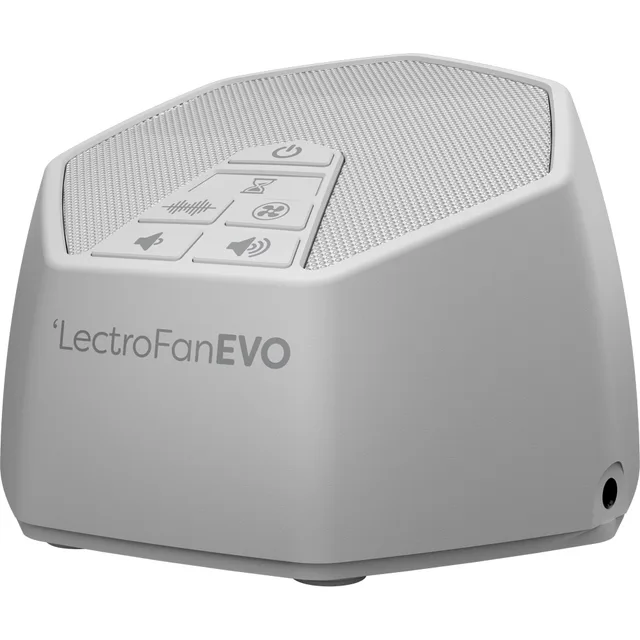
- Buy Adaptive Sound Technologies LectroFan EVO The best all-rounder: true non-looping noise at a fair price. Amazon
- Buy Yogasleep Dohm Classic A real internal fan makes a warm, natural sound that never loops. Amazon
- It depends Hatch Rest (2nd Gen) A capable nursery all-in-one, if you can live with the app and paywall.
- Skip HoMedics SoundSpa (SS-2000) Cheap and everywhere, but the short loop and tinny speaker give it away.
What actually matters
- Sound generation method - continuously generated (digital or a real mechanical fan) sound never repeats, while looped recordings replay a short clip that sensitive ears eventually catch. This is the difference between a sound that disappears into the background and one that keeps pulling you back to the surface.
- Volume ceiling and low-end body - a machine has to get loud enough, with genuine low frequencies rather than a thin hiss, to actually mask intrusions like traffic or snoring. Underpowered units simply add noise without covering anything.
- Sound quality and character - you want full, non-tinny output; some people prefer the organic rush of a real fan, others prefer digital white, pink, or brown noise, and this is largely personal taste.
- Controls you can use in the dark - dials, switches, or buttons you can find and adjust half-asleep matter far more than they sound, since you will be reaching for them with the lights off.
- Power source - plug-only or USB machines suit a fixed bedside, while battery power is what makes a unit genuinely travel-friendly.
- Extras that fit your use - sleep timers, nightlights, headphone jacks, and toddler routines are useful only if they match your situation; a headphone jack helps couples, a nightlight and routines help a nursery, and neither helps a solo adult sleeper.
The specs, in plain English
Green flags vs red flags
Green flags
- The sound is generated continuously or by a real fan, so it never loops or repeats
- It reaches a genuinely loud volume with full, non-tinny low-end body
- Controls are simple, tactile dials or switches you can adjust in the dark
- It does its core job well without demanding an app, account, or subscription
- Owners report it running reliably for years of nightly use
Red flags
- The machine loops a short recording and reviewers can hear the seam repeat
- Output is thin and tinny, or adds static as you approach full volume
- The best sounds or key features sit behind a paid subscription
- It depends on Wi-Fi and a phone app just to change or start the sound
- The headline selling point is a huge number of sounds rather than clean core noise
- Plastic and buttons feel cheap, or batteries drain unusually fast
Who's who: the brands
- LectroFan (Adaptive Sound Technologies) - Known for compact machines that synthesize non-looping white, pink, and fan tones, often with a headphone jack.
- Yogasleep - Makers of the long-running Dohm, a real-mechanical-fan machine prized for its natural airflow sound and durability.
- Hatch - Focused on nursery all-in-ones that combine a sound machine, color nightlight, and app-controlled routines for babies and toddlers.
- HoMedics - A widely available budget brand whose ultraportable, battery-capable machines tend to rely on short looped tracks.
- Marpac - The heritage name behind the original fan-based sound machine, now part of the Yogasleep line and associated with the classic mechanical whoosh.
How to read a listing without getting fooled
Start by ignoring the biggest number on the box - the sound count. A listing that leads with '30 soothing sounds' is often hiding short, looped recordings, so look instead for words like 'non-looping', 'continuously generated', 'digital', or 'real fan', which tell you the sound will not repeat. Check how it is powered: 'AC adapter' or 'USB' means it stays plugged in, while 'runs on AA batteries' signals it can travel. Read the volume claim skeptically; a decibel figure only helps if owners confirm the sound stays full and clean at higher settings rather than turning thin or picking up static. Treat 'app-enabled' and 'smart' as a trade-off, not a plus - they usually imply Wi-Fi dependence and sometimes a subscription for the best content. Finally, scan owner reports for the two complaints that matter most: an audible loop, and static or distortion near full volume.
How much should you spend?
You do not need to spend much to get a genuinely good white noise machine - some of the best single-purpose units, both the true digital generators and the classic mechanical fans, sit at the affordable end and outperform pricier gadgets at the one job that matters. Paying more is worth it mainly when you want something beyond masking: a nursery all-in-one that bundles a nightlight, scheduled routines, and app control commands a higher price, and that can be reasonable if you will actually use those features as a baby grows. Spending more is not worth it when the premium buys you a longer sound menu, 'smart' connectivity, or a subscription rather than cleaner, louder, non-looping noise. The cheapest travel-oriented units are a false economy for nightly home use, because their short loops and thin speakers are exactly the flaws you are trying to avoid. In short, buy the least expensive machine that generates non-looping sound and gets loud enough for your room, and only pay up for extras you have a concrete reason to want.
Questions, answered
What does non-looping actually mean, and why does everyone stress it?
Non-looping means the machine produces sound continuously - either generated electronically in real time or made by a real spinning fan - instead of replaying a short recording. It matters because a looped clip has a seam where it restarts, and once your ear catches that repeat it can quietly pull you out of sleep. Continuous sound has nothing to catch, which is why it tends to be more restful, especially for light sleepers.
Is a real-fan machine better than a digital one?
Neither is better outright; they suit different people. A mechanical fan produces a warm, organic airflow sound with almost nothing to break, and many owners love its texture and longevity, but it makes only one sound with no timer, headphone jack, or high masking volume. A digital generator gives you variety, controls, and usually more volume for masking loud intrusions. If you find digital noise fatiguing, choose the fan; if you want flexibility and stronger masking, choose the generator.
How loud should it be, and is white noise safe for a baby?
It should be loud enough to blend the intrusion into the background without being harsh - for a bedroom that usually means comfortably above the noise you are masking, not maxed out. For infants, place the machine well away from the crib rather than right beside the baby's head and keep the volume moderate. This is general information, not medical advice; for specific concerns about safe volume or hearing, consult your pediatrician or a healthcare professional.
Do I actually need the app, subscription, or nightlight features?
Only if you are outfitting a nursery. For an adult who just wants reliable masking, an app adds Wi-Fi reconnection headaches and a paywalled sound library adds cost for no sleep benefit. A nightlight and toddler routines genuinely help parents, so weigh those features against your situation rather than assuming more is better.
Which type is best for travel?
For the road you want a machine that runs on batteries and fits in a bag, since the strongest bedside units are typically plug-only or USB-powered and stay put. Just be aware that most pocket-sized travel machines rely on short looped tracks, so they are a compromise you accept for portability rather than the sound quality you would choose at home.
Will a white noise machine mask a snoring partner or street traffic?
It can, but only if it reaches a high enough volume with real low-frequency body - steady, broadband sounds like traffic and snoring are best covered by full white or fan noise, not a thin hiss. Check the volume ceiling and confirm the sound stays clean when turned up. A headphone jack is a bonus here, since it lets one partner mask the noise privately without keeping the other awake.
Or jump to the head-to-head: Adaptive Sound Technologies LectroFan EVO vs Yogasleep Dohm Classic.