

Explained
Walking Pads, Explained
After reading this you'll know exactly which walking pad specs matter for desk walking and which are marketing noise.
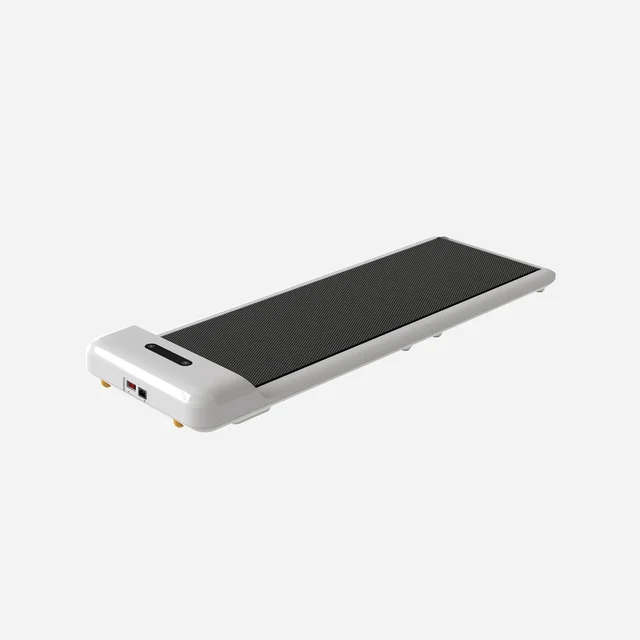
In this guide
A walking pad is a slim, low-profile motorized belt built to slide under a desk or bed so you can rack up steps while you work, without a big treadmill taking over the room. The category is full of overlapping terms, inflated 'treadmill' badges and spec sheets that hide the two things that actually decide whether you'll use it: how quietly it runs and how easily it disappears. This guide decodes the jargon so you can shop by what matters, not by the biggest number on the box.
The 30-second version
- A walking pad is not a treadmill. It trades top speed, handrails and incline for a slim, tuck-away body meant for walking (and sometimes light jogging) at a desk.
- Slimness and storage decide whether you'll actually use it. The best pad is the one that vanishes between walks, so foldability and deck height matter more than headline horsepower.
- Belt length is the comfort spec people overlook. A longer belt gives a natural stride; a short deck feels cramped for taller walkers even if every other number looks great.
- Quiet matters most if you're on calls. Motor type and a floor mat affect noise more than the speaker rating, and your own footfalls are often the loudest part.
- Don't overbuy speed and capacity you'll never use. A machine that runs to a run and folds like a treadmill costs more, weighs more and rarely tucks under a desk the way a true pad does.
What actually matters
- Format (flat vs foldable, with or without a riser bar) — a flat pad is lowest and simplest; a folding pad hinges in half to store on end; a riser-bar (2-in-1) model adds a fold-up handrail for faster, steadier walking or jogging but gets much taller and heavier in that mode.
- Slimness and storage — the whole point is that it disappears, so favor a low deck that slides under furniture or a design that folds flat; measure the gap under your desk or sofa before you buy.
- Belt width and length — this is your stride room. Longer and wider feels safer and more natural, especially if you're tall or have a long gait; a short, narrow belt is fine for compact users but feels tight for everyone else.
- Max speed — walk-only pads top out at a brisk walk, which is all most desk walkers need; only pay for jog- or run-capable speed if you genuinely plan to use it.
- Motor power and continuous-duty rating — a motor rated for continuous walking use runs cooler and lasts longer than one whose peak number is just for marketing; steady, all-day duty matters more than a big peak figure.
- Weight capacity — check the rating against your body weight with comfortable margin so the belt and motor aren't working at their limit.
- Noise level — quieter is better for a shared room or video calls; motor type, belt cushioning and a mat underneath all help.
- Safety and floor protection — an auto-stop or slow-down safety feature and a protective mat keep you and your floor safe during daily use.
The specs, in plain English
Green flags vs red flags
Green flags
- A genuinely slim or fold-flat body that slides under a desk, bed or sofa so it stores out of sight
- A belt long and wide enough for your height, with a weight capacity comfortably above your own
- A continuous-duty (not just peak) motor rating and a design owners describe as quiet in daily use
- A built-in auto-stop or slow-down safety feature and a remote or app for easy, hands-free control
- Honest labeling about whether it's a walk-only pad or a jog-capable hybrid, with matching dimensions
Red flags
- A 'walking pad' that's really a full folding treadmill — tall and heavy even folded, so it never tucks away
- Only a peak horsepower number with no continuous or duty rating mentioned
- A short, narrow belt paired with a high advertised speed, a mismatch that's cramped and unsafe to use fast
- No safety auto-stop and no protective use guidance for a machine you'll walk on while distracted by work
- Vague or missing folded dimensions and weight, which usually means it's bulkier than the photos suggest
Who's who: the brands
- KingSmith (WalkingPad) - Popularized the slim, fold-in-half under-desk pad and offers everything from flat walk-only pads to folding treadmills.
- Sunny Health & Fitness - Large, long-established fitness brand with accessible support and a range from budget flat pads to brushless 2-in-1 models.
- Urevo - Value-focused maker known for slim, no-frills under-desk pads aimed at everyday step counting.
- WalkingPad-style clones - Many unbranded and house-brand pads copy the slim format; judge them on belt size, motor rating and return policy rather than name.
How to read a listing without getting fooled
Start by separating format from marketing: a listing that calls itself a 'treadmill' but shows a flat, five-inch-thick body is a pad, while one that folds to over three feet tall is a treadmill no matter what the title says. Look for the folded dimensions and weight, not just the running dimensions, so you know what you're really storing. Prefer a motor described with a continuous or duty rating over one selling only a peak horsepower figure. Read the belt's length and width as your comfort spec and match it to your height. Treat top speed honestly: if it advertises jogging or running speeds, expect a larger, heavier machine that won't hide under a desk. Finally, scan the photos and Q&A for a safety auto-stop, a remote or app, and whether a mat is included or recommended.
How much should you spend?
You're mostly paying for two things: how cleverly it stores and how smoothly it runs. Entry-level pads cover the core job well and are a fine choice if you have a fixed spot to leave a low-profile deck and don't need folding or auto speed. Stepping up buys a true fold-in-half design, a longer belt for a more natural stride, quieter brushless motors and hands-free features like auto speed sensing, all of which you feel every single day. Spending more only pays off if you'll actually use jogging speed, a riser bar or higher capacity; if your goal is quiet daily steps at a desk, a mid-range slim pad usually hits the value sweet spot, and a full folding treadmill is more money for capability a desk walker won't use.
Questions, answered
What's the difference between a walking pad and a treadmill?
A walking pad is a slim, low belt with no tall handrail console, built to slide under a desk or bed and to run at walking (and sometimes light jogging) speeds. A treadmill is taller and heavier, reaches running speeds, usually has a full handrail and console, and isn't meant to disappear under furniture. If a 'walking pad' stays big and tall even folded, it's really a treadmill.
How long a belt do I actually need?
Longer is more comfortable because it gives your stride room. Compact users are often fine with a shorter deck, but taller walkers and anyone over about six feet will feel cramped on the shortest belts and should favor a longer one. If in doubt, size up on belt length before any other spec.
Are walking pads quiet enough for video calls?
Generally yes at walking speeds. Owner reports consistently describe slim pads as quiet, with brushless-motor models noted as especially smooth. The bigger noise source is usually your own footfalls, so cushioned shoes and a mat under the pad often help more than the motor rating.
Do walking pads have incline?
Most slim, flat pads do not. A few offer a fixed or adjustable incline for higher calorie burn, but they tend to sit higher off the floor and are harder to tuck neatly under a desk. If incline is a must-have, expect to trade away some of the low-profile convenience.
Is it safe to walk while I work?
This is general product information, not medical advice. Walking slowly while working suits many people, but start slow, keep speeds modest, use a model with an auto-stop safety feature, and consider one with a handrail if balance is a concern. If you have any health conditions or injuries, check with a qualified professional before starting a new exercise routine.
Related guides
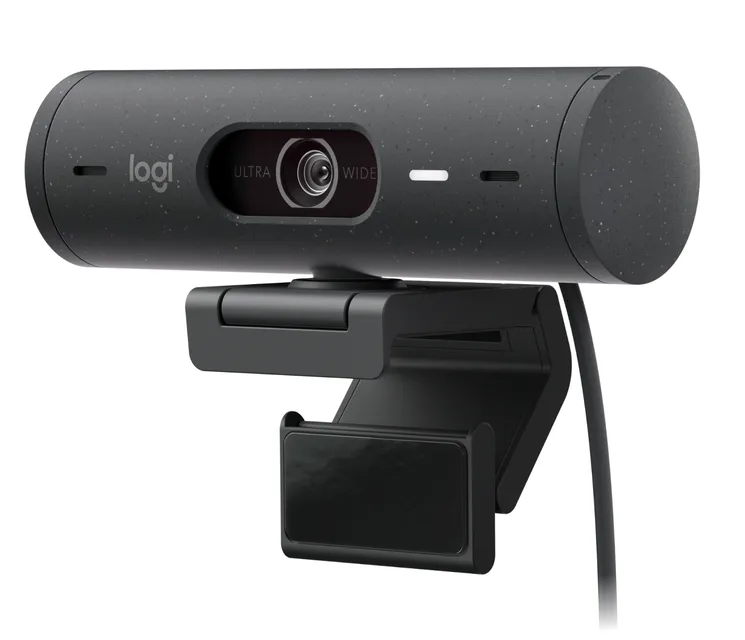 Webcams for Work After reading this you will know which webcam specs genuinely affect how you look on a call and which are marketing noise you can safely ignore.
 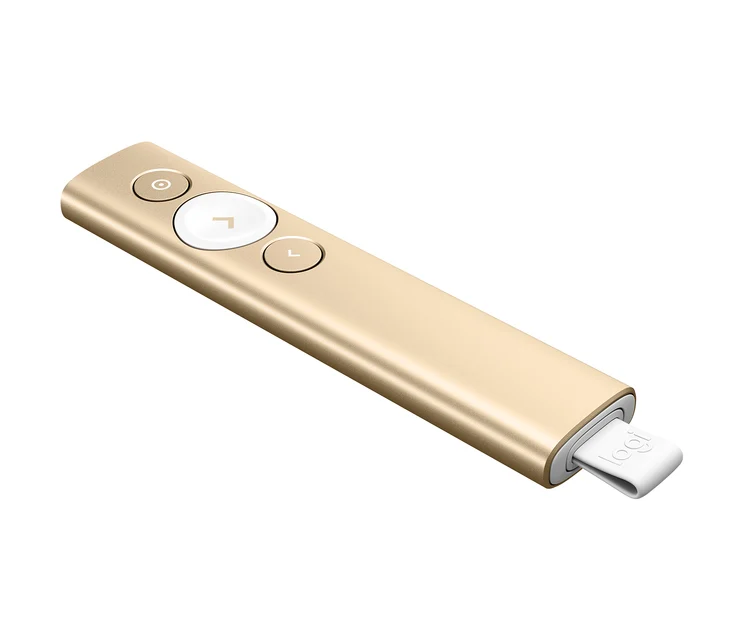 Wireless Presenters After reading this you'll know exactly which presenter features matter for your rooms and audience, and which specs are just noise.
 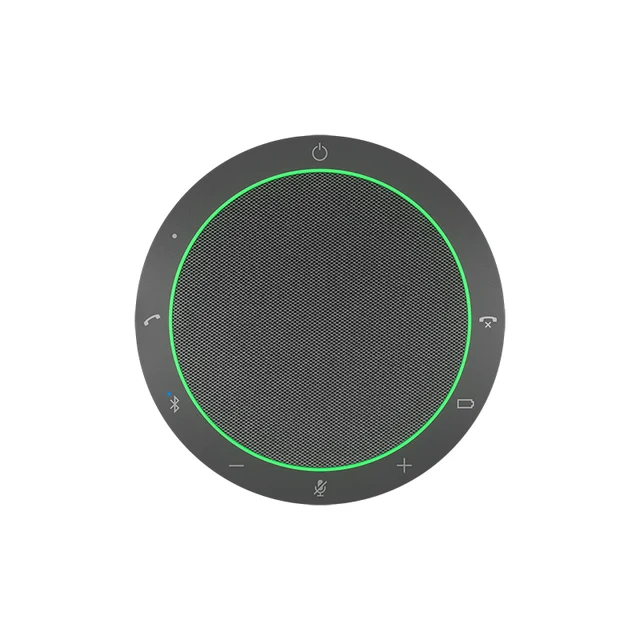 Conference Speakerphones You'll understand every spec on a speakerphone listing and be able to match one to your room and the way you actually take calls.
  Desk Fans After reading, you'll understand what actually makes a desk fan cool you well, and which spec-sheet numbers to ignore.
  Desk Mats After reading this you'll know which desk mat material fits your habits and how to spot one that will still look good a year from now.
  Desk Organizers After reading, you'll know which of the four desk-organizer types fixes your specific clutter and how to judge one before you buy.