Explained
Travel Mugs, Explained
After reading this you'll know how to tell a genuinely leak-proof travel mug from one that just seeps in your bag, and which specs actually matter.
In this guide
Almost every travel mug keeps coffee warm; far fewer have a lid you can actually trust upside-down in a bag. The category is full of confident marketing words that quietly mean less than they sound, and the two things that really separate a keeper from a regret - the lid seal and real insulation - are exactly the two things a spec sheet is vaguest about.
The 30-second version
- The lid is the whole game. A mug that locks or screws shut and survives a bag beats a prettier one with a press-in or straw lid that seeps the moment it tips.
- "Leak-proof" and "splash-resistant" are not the same promise. Splash- or spill-resistant is honest wording for "this will seep on its side" - only a locking or screw lid is truly bag-worthy.
- "Keeps hot 12 hours" is a best-case lab number. You only approach it by preheating the empty mug, filling to the top, and keeping the lid closed - a half-full open mug is lukewarm in a couple of hours.
- Bulk and cup-holder fit decide whether you keep using it. A giant tumbler that won't drop into your car holder gets left at home no matter how good the insulation is.
- Every sealing lid needs cleaning built in. The best seals hide a removable gasket where odor grows - if you can't pull it out to rinse, the mug will eventually smell.
The products this guide is about
Our verdict on each, with the full reasoning on the companion review.
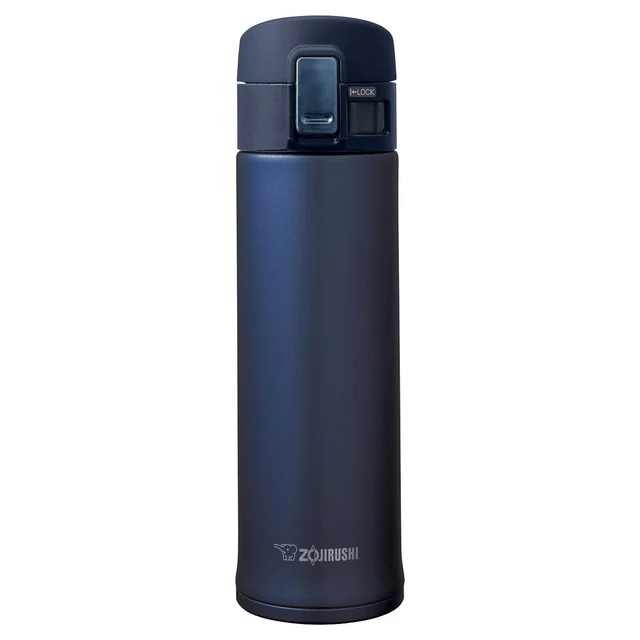
- Buy Zojirushi Stainless Steel Mug (SM-KHE48) The leak-proof-and-insulation benchmark: a locking flip lid you can toss in a bag, in a cup-holder-friendly body.
- Buy YETI Rambler 20 oz Travel Mug with Stronghold Lid Tank-grade insulation, a handle, and a twist-lock Stronghold lid that seals far better than old slider lids.
- It depends Hydro Flask 24 oz Travel Tumbler A superb insulated flask let down by a press-in lid that's splash-resistant, not bag-proof.
- Skip Stanley Quencher H2.0 FlowState Tumbler (40 oz) A great cold-water desk cup that's the wrong tool for hot coffee on the go - it leaks tipped and won't fit a cup holder.
What actually matters
- Lid seal type - a locking flip lid or a screw lid is bag-proof; a press-in lid or an always-open straw lid is not, no matter how the box words it.
- Double-wall vacuum insulation - the empty gap between the two steel walls is what holds heat for hours; without a real vacuum, a mug is just a metal cup.
- Base diameter and cup-holder fit - whether the bottom actually drops into a standard car holder, and whether a handle fouls the console even when the base fits.
- One-handed operation - a flip button or lever you can open while driving, versus a screw lid that needs two hands and a free lap.
- Cleanability - whether the lid comes apart so you can rinse the hidden gasket, and whether it's dishwasher-safe or hand-wash-only.
- Capacity vs. bulk - matching size to how you actually drink, since a bigger mug is heavier, wider, and harder to fit anywhere.
- Steel quality - 18/8 food-grade stainless resists rust, corrosion, and metallic taste better than unmarked cheaper steel.
The specs, in plain English
Green flags vs red flags
Green flags
- The lid explicitly says leak-proof and locks or screws shut - not just "spill-resistant."
- Double-wall vacuum insulation with a heat-retention claim, and the outside stays cool to the touch when full.
- 18/8 or 304 food-grade stainless named in the specs.
- A narrow or tapered base sized to fit a standard cup holder.
- A lid that visibly disassembles, with a removable gasket you can rinse.
- One-handed opening via a flip button or lever if you commute or drive.
Red flags
- Only vague sealing words - "splash-resistant," "spill-proof for on-the-go" - with no claim you can lock it shut.
- A straw or always-open drinking hole marketed as a hot-coffee commuter mug.
- No mention of vacuum insulation, or a single-wall body that gets hot on the outside.
- Unspecified or "stainless" steel with no 18/8 / 304 grade, especially at a suspiciously low price.
- A wide tumbler base or a bulky handle that won't clear a car cup holder or console.
- A sealed-in gasket or a lid that doesn't come apart to clean.
Who's who: the brands
- Zojirushi - Japanese vacuum-flask specialist known for genuinely leak-proof locking flip lids and best-in-class heat retention in slim, cup-holder-friendly bodies.
- YETI - Premium, rugged coolers-and-drinkware brand; its Stronghold twist-lock lid seals far better than old slider lids, with tank-grade insulation and a dishwasher-safe body.
- Hydro Flask - Popular color-forward flasks with strong TempShield vacuum insulation; its press-in travel-tumbler lids are easy to clean but built for upright use, not bags.
- Stanley - Heritage brand behind the viral Quencher tumbler - excellent as a big cold-drink desk cup, but its open-straw lid isn't the right tool for leak-proof hot coffee on the move.
- Thermos - The original vacuum-flask name; a reliable, widely available value option for solid insulation and sealed lids without a premium badge.
- Contigo - Mainstream brand best known for Autoseal lids that close automatically between sips - a genuinely one-handed, leak-resistant everyday option.
How to read a listing without getting fooled
Start at the lid, not the badge. Hunt for the exact words: "leak-proof" plus "locks" or "screws shut" is the real thing; "splash-resistant," "spill-resistant," or a picture of an open straw means treat it as a sit-upright mug. Next, confirm double-wall vacuum insulation - if a listing only brags about a big hour number without saying "vacuum," be skeptical, and remember that any "keeps hot 12 hours" figure assumes a preheated, brim-full, sealed mug. Check the steel grade for 18/8 or 304; "stainless" with no number is a small red flag. Then find the base diameter or a cup-holder claim and compare it against your own car's holder rather than trusting a lifestyle photo. Finally, see whether the lid disassembles and whether it's dishwasher-safe - a lid you can't take apart to rinse the gasket is a future smell you're buying now.
How much should you spend?
You're mainly paying for two things you can't see in a photo: a lid that truly seals and a vacuum wall that actually holds heat. The cheapest mugs often cut both corners - single-wall bodies or press-in lids that seep - so the value sweet spot sits in the solid mid-range, where you get real 18/8 vacuum insulation and a locking or screw lid without a fashion premium. Spending up buys tougher bodies, handles, dishwasher convenience, and marginally longer heat retention, which is worth it if you're rough on gear or want a handle - but a plainer mid-priced mug with a genuinely leak-proof lid will out-perform a prettier, pricier tumbler that dribbles in your bag. Don't pay premium money for a mug whose headline feature is looks or an open straw; pay for the seal.
Questions, answered
What's the real difference between "leak-proof" and "splash-resistant"?
Leak-proof means you can lock or screw the lid shut, turn the mug upside down, drop it in a bag next to your laptop, and trust it. Splash- or spill-resistant is honest marketing for a lid that won't slosh while it's upright but will seep once it tips onto its side. If a lid can't be locked closed, assume it will leak in a bag and treat it as a sit-upright mug.
Do travel mugs really keep coffee hot for 12 hours?
That's a best-case lab number, not what you'll see day to day. To get anywhere near it, preheat the empty mug with hot water for a minute, fill it to the top, and keep the lid closed. A half-full mug that sits open will be lukewarm in a couple of hours no matter how good the vacuum insulation is. In normal commuting, expect genuinely hot coffee for several hours from any true double-wall vacuum mug.
Will a travel mug fit my car's cup holder?
Not all of them, and the product photos won't tell you. A narrow or tapered base - think 12 to 20 oz - drops into virtually any standard holder. Wide tumblers, especially the 30-40 oz ones, are simply too big for a normal cup holder, and even a mug with a fitting base can have a handle that fouls the console. Measure your holder and check the base diameter before you buy.
Is 18/8 stainless steel worth caring about?
Yes. 18/8 (also sold as 304) is food-grade steel that resists rust and corrosion and won't leave a metallic taste in your coffee. Cheaper unmarked steel can pit or rust at the seams over time and can taint the flavor. If a listing doesn't name a steel grade - especially at a bargain price - treat that as a small warning sign.
Hand-wash or dishwasher - does it matter?
Some of the best-sealing lids are hand-wash-only, so if dishwasher convenience is a dealbreaker, check before you buy. Either way, the real cleaning job is the gasket: pull the silicone seal out of the lid regularly and rinse it, because hidden seals are where odor and gunk build up. A lid you can't take apart to clean will eventually smell.
Is a big straw tumbler a good hot-coffee travel mug?
Not really. A large straw tumbler is a great refillable cold-drink cup for your desk, but for hot coffee on the go the always-open straw leaks when tipped, bleeds heat so your coffee cools faster, and the wide base usually won't fit a car cup holder. If you want a leak-proof, cup-holder-friendly hot-coffee commuter, choose a sealed flip- or screw-lid mug instead.
Or jump to the head-to-head: Zojirushi Stainless Steel Mug (SM-KHE48) vs YETI Rambler 20 oz Travel Mug with Stronghold Lid.