Explained
Throw Blankets, Explained
After reading, you'll understand how fibre, size, weight and care decide whether a throw blanket suits your sofa and your routine.
In this guide
Throw blankets are bought on colour and feel, but warmth and ease of care come from the fibre. Size and weight are often missing from listings. Care is the other surprise, because some luxury throws are dry clean only. Here is what to look for.
The 30-second version
- Wool and alpaca breathe, while microfiber traps heat.
- Size matters for sharing, so check the dimensions.
- Weight tells you how it drapes, but few brands publish it.
- Care decides daily use, and dry clean only is a real cost.
- Complete listings are a good sign, especially at premium prices.
The products this guide is about
Our verdict on each, with the full reasoning on the companion review.
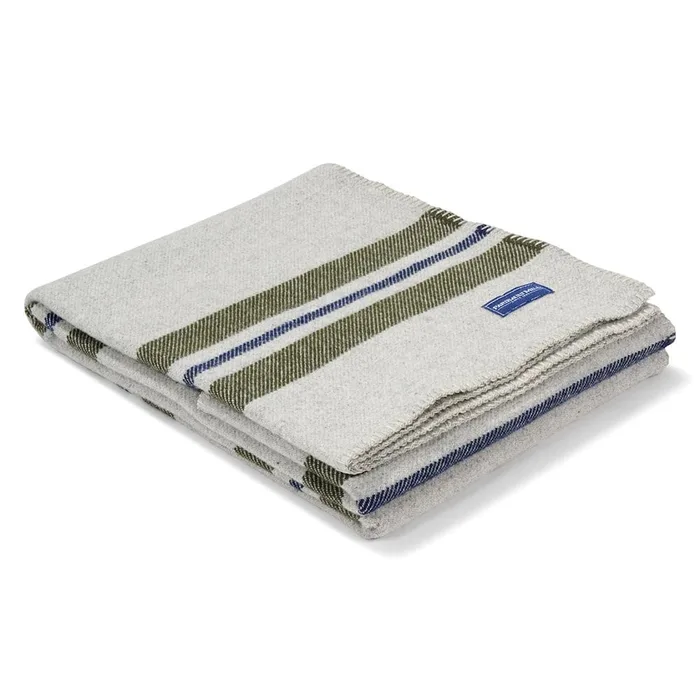
- Buy Faribault Mill Cabin Wool Throw American-made 100% wool with published size, weight and machine-wash care.
- Buy Barefoot Dreams CozyChic Throw The famously soft, machine-washable microfiber throw in a generous size.
- It depends Parachute Natural Alpaca Throw A light, soft undyed alpaca and organic cotton throw that must be dry cleaned.
- Skip Brooklinen Two-Toned Lambswool Throw Blanket A handsome German-milled lambswool throw whose page leaves out the basics.
What actually matters
- Fibre - wool, alpaca, cotton or synthetic. Each feels and wears differently.
- Blend - many throws mix fibres. Percentages tell you what you are paying for.
- Size - 50 x 60 to 50 x 72 inches is typical. Larger throws suit two people.
- Weight - heavier throws feel warmer and more substantial. Lighter ones drape better.
- Construction - woven, knit or double-faced. It affects texture and durability.
- Care - machine wash, hand wash or dry clean. Choose what you will actually do.
- Origin - named mills and fibre sources are useful quality signals.
The specs, in plain English
Green flags vs red flags
Green flags
- Fibre percentages on the listing.
- A published size and weight.
- Clear care instructions.
- A named mill or fibre source.
- A return window.
Red flags
- No fibre percentage on a premium throw.
- No size listed.
- No care instructions.
- "Luxury" claims with no details.
- Dry clean only on a throw meant for daily use, if you will not dry clean it.
Who's who: the brands
- Faribault Mill - A Minnesota woollen mill, operating since 1865, known for American-made wool blankets.
- Barefoot Dreams - Known for its plush CozyChic microfiber throws and robes.
- Parachute - A home brand with alpaca, linen and cotton throws.
- Brooklinen - A bedding brand whose throws include German-milled lambswool.
How to read a listing without getting fooled
Start with the fibre and look for percentages. Then find the size and, if listed, the weight. Check the care instructions and whether you will realistically follow them. Finally, look for where it is made and the returns policy.
How much should you spend?
Budget throws are usually polyester fleece or acrylic, soft and easy to wash. Mid-range throws include quality microfiber and cotton knits. Premium throws use wool, alpaca or cashmere, often from named mills, and should publish their fibre, size and care.
Questions, answered
How do I stop a wool throw from shedding?
New wool sheds a little at first. Shake it out and use a lint roller. A gentle wash, if allowed, often settles it.
Can a throw replace a duvet?
For a nap or a warm night, yes. For a bed, a throw is usually too small. Use it as an extra layer instead.
How should I store a wool throw?
Clean it first, fold it and store it in a breathable bag. Add cedar to deter moths. Avoid plastic, which traps moisture.
Are fringed throws harder to wash?
Fringes can tangle in the machine. Wash in a mesh bag or by hand if the label allows. Comb the fringe while damp.
Or jump to the head-to-head: Faribault Mill Cabin Wool Throw vs Barefoot Dreams CozyChic Throw.