

Explained
Sous Vide Immersion Circulators, Explained
After reading this you'll understand exactly how an immersion circulator works and which specs are worth paying for.
In this guide
Sous vide sounds fancy, but the machine that does it is simple: a stick that heats water and keeps it moving at one precise temperature for hours. The confusing part is the spec sheet, where wattage, pump flow, temperature stability, and WiFi-versus-app claims all fight for your attention. Most first-time buyers over-focus on connectivity and under-focus on the two things that actually decide whether your food comes out right: heating power and even circulation.
The 30-second version
- Sous vide is just precise, low-temperature water cooking. You seal food in a bag, drop it in a temperature-controlled water bath, and the circulator holds that exact temperature until the food is cooked edge to edge with no guesswork.
- Power and circulation matter more than any smart feature. Higher wattage heats a full bath faster and recovers quicker when you add cold food, while a strong pump keeps every corner of the water at the same temperature.
- Decide whether app-only control is acceptable before you buy. Some units have on-device buttons and a screen so they work without a phone; others do nothing until you open an app, so a dead battery or dropped connection stops your cook.
- Fit is a real spec, not an afterthought. Check the clip opens wide enough for your deepest pot and that the water can sit between the printed MIN and MAX fill lines.
What actually matters
- Heating power (wattage) — this largely determines how fast a full bath reaches your target temperature and how quickly it recovers after you drop cold food in. Higher wattage is most noticeable with big pots and frequent cooking.
- Temperature accuracy and stability — the whole point of sous vide is holding one exact temperature for hours. A good circulator stays within a fraction of a degree of the target across a long cook, which is what gives you consistent, edge-to-edge results.
- Circulation (pump flow) — a strong, well-directed pump keeps the entire bath at the same temperature so there are no cold pockets. It's easy to overlook on a spec sheet, but weak flow shows up as uneven cooking.
- Control method and backup — WiFi, Bluetooth, on-device buttons, or some mix. On-device controls mean you can still cook when your phone or network fails; app-only designs are sleeker but leave you stranded if the connection drops.
- Clip, mount, and size — an adjustable clip fits more pots, and a stable mount matters in shallow or thin-walled containers. The unit also has to fit in a drawer when you're done.
- Water-depth range — every circulator has a minimum and maximum fill depth. You need a pot deep enough to submerge the heating section without water reaching the electronics.
- Noise — the sound comes from the pump, not the heater. It's rarely loud, but for overnight cooks on a kitchen counter a quiet unit is nicer to live with.
The specs, in plain English
Green flags vs red flags
Green flags
- Enough wattage for the pots you actually use, so heat-up isn't painfully slow
- On-device buttons or a screen as a backup, even if the unit also has an app
- An adjustable clip (and ideally a stable mount) that fits a range of pot walls
- Clearly printed MIN and MAX fill lines and a sensible rated water capacity
- A waterproof body and removable, easy-to-clean parts
- Owner reports and independent testing that describe steady temperature and quiet operation
Red flags
- Very low wattage paired with claims of handling large baths
- App-only control with no physical buttons, if you dislike being phone-dependent
- 2.4GHz-only WiFi described by owners as prone to dropping connection
- A fixed or narrow clip that may not open wide enough for a tall stockpot
- No mention of temperature stability, or vague 'precise' marketing with no supporting detail
- An app that owners describe as buggy or that gates basic functions behind an account
Who's who: the brands
- Anova - A long-running sous vide specialist known for well-rounded circulators that keep on-device controls alongside their app.
- Breville - Premium kitchen brand whose compact, app-driven circulator is prized for speed and a polished guided app.
- Inkbird - Value-focused maker offering connected circulators with strong circulation at budget-friendly prices.
- Instant - The multicooker brand also makes simple, quiet, offline circulators aimed at minimalist single-pot cooks.
How to read a listing without getting fooled
Start with the numbers that don't lie: wattage and the rated water capacity. If a unit claims a large bath on low power, be skeptical, because it will heat slowly and struggle to recover. Next, look for any statement about temperature stability; a trustworthy listing will describe how tightly it holds a set temperature, while a weak one just repeats the word 'precise.' Read the control section carefully and separate WiFi from on-device control: 'app-enabled' can quietly mean 'app-required,' with no buttons on the machine at all. Treat pump flow as a real feature even when it's buried, and confirm the clip design and MIN/MAX depth work with the pots you own. Finally, weigh owner reports on connection reliability and noise more heavily than the marketing copy, since those are exactly the things a spec sheet tends to gloss over.
How much should you spend?
Sous vide circulators span from bare-bones budget sticks to compact premium units, and the good news is that competent, accurate cooking is available well below the top of the range. What you pay more for is usually connectivity reliability, a smaller and better-built body, a faster or more guided app, and sometimes a speed-boosting mode, rather than fundamentally better cooking. The value sweet spot sits with a mid-power unit that has dependable temperature control, a decent clip, and at least basic connectivity or solid on-device controls. Spending up is worth it if you cook large batches often, want the smallest possible unit, or lean on a polished app; it's not worth it if you cook small single-pot meals and are happy setting a temperature by hand. Going too cheap tends to cost you in slow heat-up, a rougher app, or a flimsier clip, so aim for the middle before you either overspend on features you won't use or underspend on power you'll miss.
Questions, answered
How does an immersion circulator actually work?
It clips to a pot of water, heats that water with an electric element, and uses a small pump to keep the water moving so the whole bath stays at one exact temperature. You seal your food in a bag, drop it in, set the temperature and time, and the machine holds those conditions until the food is cooked evenly throughout.
Does higher wattage really matter?
Mostly for heat-up speed and recovery. A higher-wattage unit brings a full bath up to temperature faster and bounces back more quickly each time you add cold food, which is a real advantage with large pots. Once the water is at temperature and well circulated, a lower-wattage unit holds steady too, but the extra power helps with big or frequent cooks.
Is WiFi worth it, or is Bluetooth or a manual dial enough?
WiFi is genuinely useful for very long cooks because you can check and adjust the bath from another room or away from home. Bluetooth only works when you're close by. For many people, reliable on-device controls matter more than either, since they let you cook even when your phone or network isn't cooperating. Decide how much you value remote monitoring versus a phone-free backup.
Do I need special pots or containers?
No. Most circulators clip to a regular stockpot, and many people use a lidded plastic tub for bigger batches. The two things to check are that the clip opens wide enough for your pot's rim and that the water can sit between the unit's MIN and MAX fill lines. A lid or a few floating balls cut evaporation and help hold heat on long cooks.
Is sous vide food safe if it cooks for hours at a low temperature?
Food safety in sous vide comes from a combination of temperature and time, not temperature alone. Holding food at a given temperature long enough pasteurizes it, so published time-and-temperature guidelines exist for exactly this reason. The practical rules are to follow a trusted time-and-temperature chart for your food and thickness, keep the water between the fill lines, and refrigerate or sear promptly after cooking. When in doubt, cook a little hotter or a little longer rather than less.
Are these loud during an overnight cook?
Generally no. The noise comes from the circulation pump, not the heater, and most units settle into a low, steady hum rather than anything disruptive. Owners consistently single out some models as especially quiet, so if you plan to run long overnight cooks on a kitchen counter, noise is a fair thing to weigh.
Related guides
 Sous Vide Machines After reading this you will understand what actually separates a good sous vide circulator from a frustrating one, and which specs to ignore.
  Stainless Steel Cookware Sets After reading this, you'll be able to look at any stainless cookware listing and know within a minute whether it's a genuine buy-for-life set or a disc-bottom pretender in shiny packaging.
  Stand Mixers After reading, you will understand every spec on a stand mixer listing and know which ones actually matter for the baking you do.
 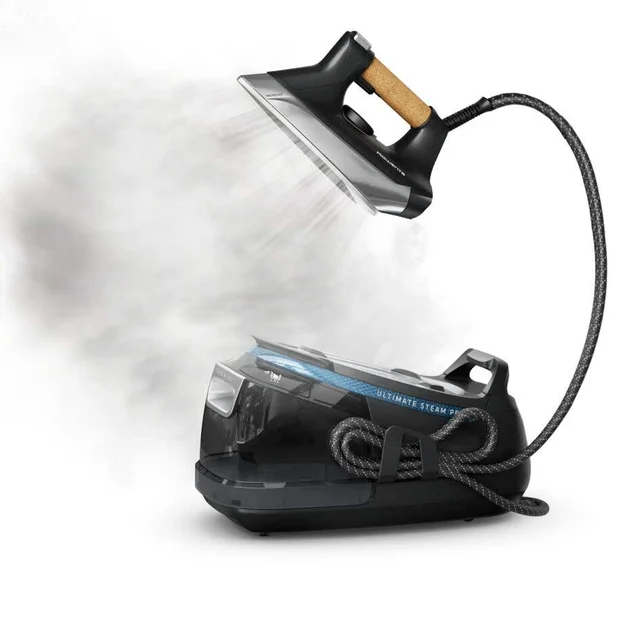 Steam Irons and Steam Stations After reading, you'll understand the difference between a steam iron and a steam station, decode the specs on any listing, and know which type fits how much you actually iron.
 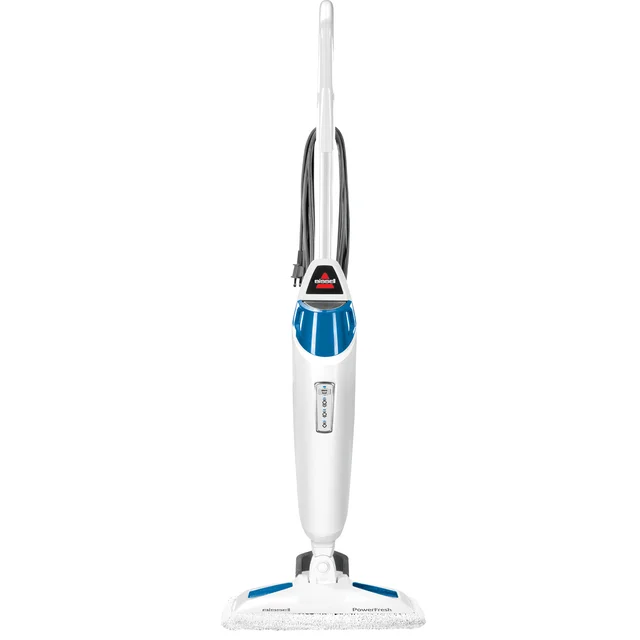 Steam Mops After reading this you will know which floors a steam mop is safe for, what the marketing terms actually mean, and which specs decide whether one cleans well or just spreads water around.
 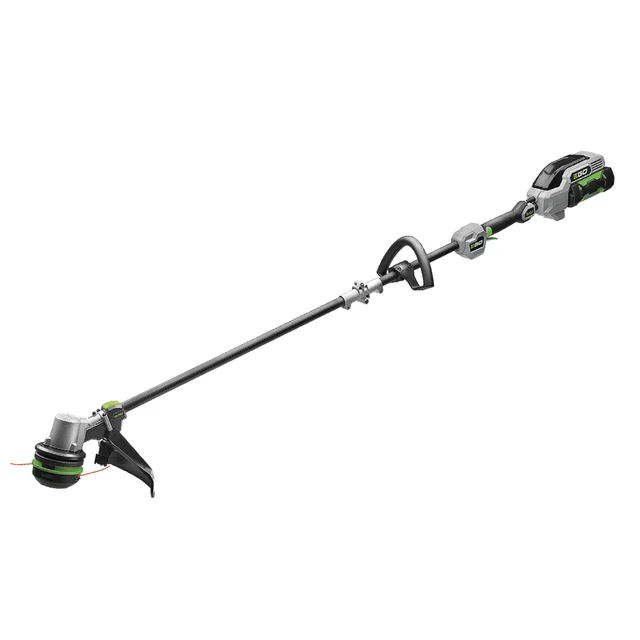 String Trimmers After reading this you'll know exactly which specs on a string trimmer listing actually matter for your lawn - and which are marketing noise.