Explained
Rotary Tools, Explained
After reading, you'll understand which speed range, bit-holding system and power source suit the jobs you plan to do with a rotary tool.
In this guide
Rotary tools look alike, and most listings lead with accessory counts. That number says little about how the tool performs. What trips people up is speed range, especially the lowest speed, whether the motor holds speed when you press, and how fiddly bit changes are. This guide explains each spec and what it means at the bench.
The 30-second version
- The bottom of the speed range matters, because plastics, polishing and delicate engraving need low RPM that some tools cannot reach.
- Accessory counts are padding, so judge a kit by its attachments, like a flex shaft or routing guide, rather than the number of sanding bands.
- A keyless chuck or multiple collets decide how many bit sizes you can use and how fast you can swap them.
- Cordless only pays off on a battery you already own, since a bare tool plus a new battery and charger adds up quickly.
- Thin spec sheets are a warning, because a maker confident in its motor usually publishes amps, volts and speed range.
The products this guide is about
Our verdict on each, with the full reasoning on the companion review.
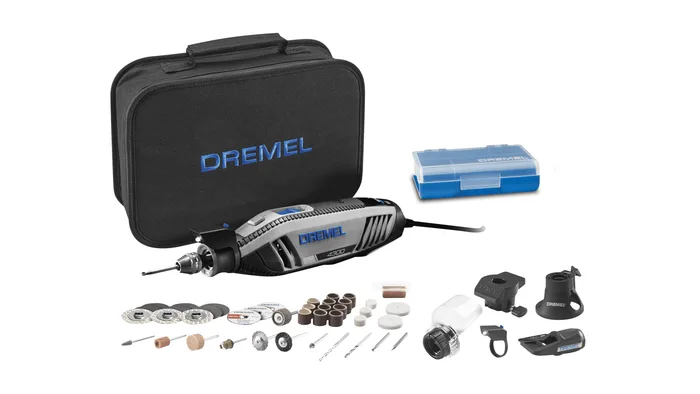
- Buy Dremel 4300-5/40 Variable Speed Rotary Tool Kit Dremel's most powerful corded rotary tool, with a keyless chuck, a pivot light and five attachments in the kit.
- Buy WEN 23114 1.4-Amp Variable Speed Rotary Tool Kit A corded 35,000 RPM rotary tool with three collets, three collars, a flex shaft and 100-plus accessories in a case.
- It depends Milwaukee M12 Rotary Tool 2460-20 (tool only) A 12V cordless rotary tool aimed at tradespeople, built for cutoff and grinding, sold without a battery.
- Skip Ryobi USB Lithium Rotary Tool Kit (FVM51K) A tiny 4V USB-rechargeable rotary tool with a 25,000 RPM ceiling and a thin kit for the money.
What actually matters
- Speed range - Rotary tools typically run from about 5,000 to 35,000 RPM. A wide range lets one tool polish gently and cut aggressively.
- Motor and power - Corded tools are rated in amps, cordless in volts. A stronger motor bogs down less when you press a cutoff wheel into steel.
- Speed feedback - Electronic feedback adjusts power to hold the set speed under load. It keeps cuts and grinding consistent.
- Bit holding - Collets grip one shank size each; a keyless chuck takes several. Fewer swaps means less time hunting for a wrench.
- Attachments - Guides, shields, flex shafts and sharpeners turn a rotary tool into a router, engraver or sharpener. They add more capability than extra consumables.
- Ergonomics - Weight, grip shape and heat build-up decide whether detail work stays comfortable for an hour.
- Warranty and service - Replaceable brushes and a longer warranty point to a tool built for heavy use.
The specs, in plain English
Green flags vs red flags
Green flags
- A published speed range with a low floor around 5,000 RPM.
- Motor amps or battery voltage stated clearly on the spec sheet.
- Several collet sizes or a keyless chuck included.
- Useful attachments, like a flex shaft, routing guide or shield, in the box.
- Replaceable brushes or a long, clearly stated warranty.
Red flags
- An accessory count of 100-plus with no motor rating anywhere.
- No published runtime or power figure on a small battery tool.
- A minimum speed so high that polishing plastics is off the table.
- A single collet size with others not offered.
- A cordless bare tool priced as if it includes a battery.
Who's who: the brands
- Dremel - The brand most people picture for rotary tools, with the widest range of first-party attachments and accessories.
- WEN - A budget tool brand known for large accessory bundles and downloadable manuals with full spec tables.
- Milwaukee - A trade-focused brand whose M12 12V system includes a compact cordless rotary tool.
- Ryobi - A homeowner tool brand with an 18V ONE+ platform and a smaller USB Lithium line of compact tools.
How to read a listing without getting fooled
Skip past the accessory count and find the motor rating, amps for corded or volts for cordless, then the full speed range, including the minimum. Check how bits are held: which collet sizes come in the box, whether a keyless chuck is included and whether other collets are sold separately. Read the kit list for attachments rather than consumables, since a flex shaft or routing guide changes what the tool can do. For cordless tools, confirm whether a battery and charger are included; Milwaukee's 2460-20, for example, is the bare tool, while the 2460-21 is sold as a kit. Finally, check the warranty length and whether the brushes are replaceable.
How much should you spend?
Budget corded kits deliver a usable motor and a large bundle of accessories, and they are fine for occasional jobs. Mid-range cordless tools are often sold bare, so the real cost depends on whether you already own the battery platform. Premium corded tools from established brands add speed feedback, faster bit changes, better attachments and replaceable parts that pay off with regular use. Spending more on quality cutoff wheels and bits often helps more than spending more on the tool.
Questions, answered
Do I need safety glasses with a rotary tool?
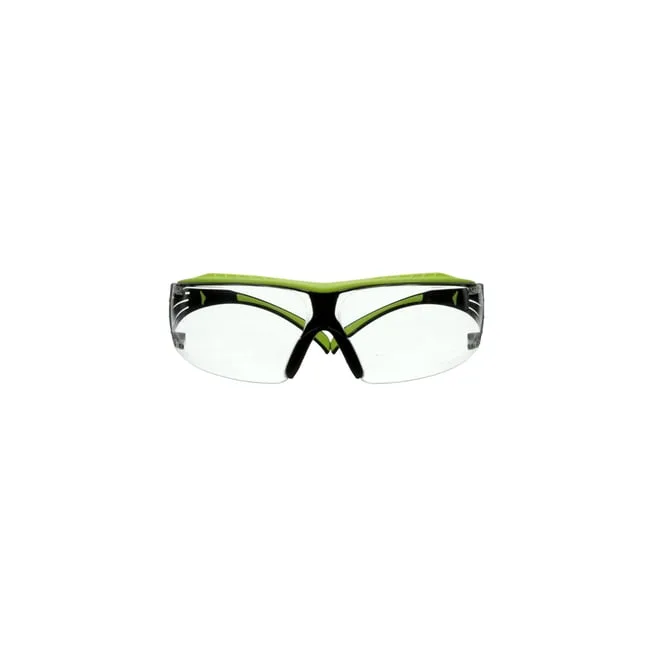
Yes. Rotary tools throw dust, sparks and fragments of broken wheels at very high speed. Wear eye protection every time, and a dust mask when sanding or grinding. A shield attachment helps, but it does not replace glasses.
Can I use other brands' bits in a Dremel?
Usually, if the shank size matches what your collet or chuck accepts. 1/8-inch shanks are the most common across brands. Check the accessory's maximum speed rating, and never run a wheel faster than it is rated for.
What is a flex shaft used for?
A flex shaft moves the bit to a light, pen-sized handpiece while the motor hangs or sits nearby. It makes engraving, carving and jewelry work more precise and less tiring. The WEN 23114 includes a 3-foot flex shaft.
Why does my cutoff wheel keep breaking?
Thin abrasive cutoff wheels are brittle and snap if twisted or side-loaded in the cut. Let the speed do the work, keep the wheel straight, and use reinforced wheels for metal. Always wear eye protection, since broken pieces fly off at speed.
Or jump to the head-to-head: Dremel 4300-5/40 Variable Speed Rotary Tool Kit vs WEN 23114 1.4-Amp Variable Speed Rotary Tool Kit.