

Explained
Roof Cargo Boxes, Explained
After reading this you'll know exactly which roof-box specs change your road trip and which are just marketing, so you can pick a box that fits your car, your gear, and your budget.
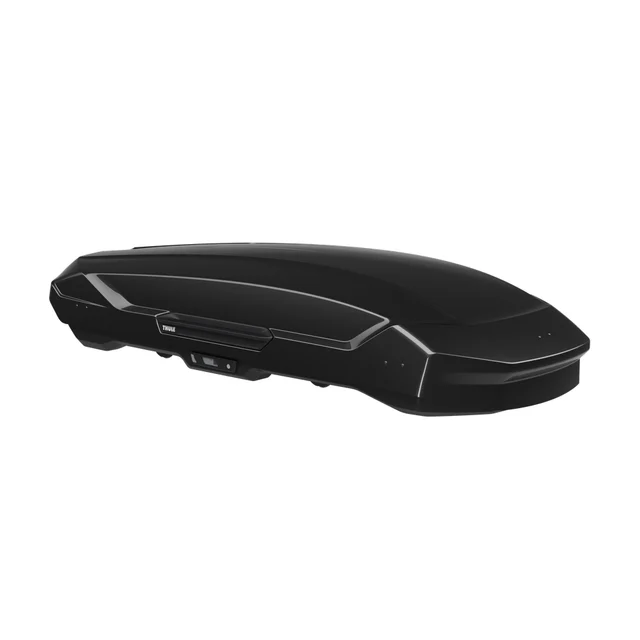
In this guide
A roof cargo box is one of the simplest ways to reclaim a packed-full car, but the listings throw a lot of numbers at you, cubic feet, length in inches, weight ratings, mount names, and it's easy to buy the wrong shape for your vehicle. The two mistakes first-time buyers make most are chasing raw volume without checking whether the box blocks their rear hatch, and ignoring how much a tall, boxy shell adds to wind noise and fuel use. This guide decodes the specs so you can match a box to your car and your gear instead of guessing.
The 30-second version
- Capacity is only half the story. Cubic feet tells you how much fits, but a box's length and shape decide whether it actually works on your car, so read them together.
- Measure your rear hatch before you buy. A long box mounted too far back can foul a raised tailgate on smaller SUVs and hatchbacks, turning a great box into a daily annoyance.
- Shape drives noise and fuel economy. Low, wing-shaped boxes stay quieter and slip through the air better than tall, boxy budget shells, which hum and drag at highway speed.
- Dual-side opening is the convenience most people notice. Being able to load from the curb, or in a tight garage, beats a single rear-opening box for almost everyone.
- Check your roof's weight rating, not just the box. Your vehicle's dynamic roof load has to cover the box plus everything inside it, and that number is smaller than most buyers expect.
What actually matters
- Usable capacity vs footprint — cubic feet decides how much gear fits, but a taller box holds more while catching more wind, and a longer box needs more roof, so match volume to both your load and your vehicle.
- Box length vs rear-hatch clearance — the single most-overlooked spec; a long box can block your open tailgate, so the length in inches has to fit your roof and leave your hatch free to swing.
- Aerodynamics, noise, and fuel economy — a low, wing-shaped shell is quieter and more efficient than a tall boxy one, and on a long highway trip that difference is something you hear and pay for.
- Opening style — dual-side opening lets you load and unload from either side of the car; single-side or rear-opening boxes cost less but lock you into one loading position.
- Crossbar compatibility and mounting — the box has to clamp securely to your specific crossbars (square, round, aero, or factory rails), and a mount that confirms it's tight takes the guesswork out of a safe install.
- Security and lid stiffness — good locks secure the lid shut and ideally the box to the bars, while a stiff shell that doesn't flex feels more reassuring and protects your gear better over time.
- Roof weight limit — your car's dynamic roof rating caps the total load, box plus contents, so it quietly sets a ceiling on how much you can actually carry up there.
The specs, in plain English
Green flags vs red flags
Green flags
- A low, wing-shaped profile that owners describe as quiet at highway speed
- A tool-free clamp that clicks or otherwise confirms it's tightened correctly
- Dual-side opening, so you can load from the curb or a tight garage
- Clearly listed length in inches and a stated minimum and maximum crossbar spacing
- Locks that hold the lid shut and secure the box to the bars, with a lid that won't lock until it's fully closed
- A stiff, UV-resistant shell that reviewers say holds up over years of sun and weather
Red flags
- A tall, boxy shape that owners report hums and drags at speed
- No length listed, or a length that's long relative to your roof with no clearance guidance
- Single rear-only opening when you'll regularly load in tight spots
- Vague or missing crossbar compatibility, so you can't confirm it fits your bars
- A basic single lock, or noticeable shell flex and rattling in owner reports
- Marketing that pushes maximum cubic feet while staying silent on your car's roof weight limit
Who's who: the brands
- Thule - Premium Swedish rack maker known for quiet aero shells, easy tool-free mounts, and flagship do-it-all boxes.
- Yakima - Longtime rack rival offering strong dual-side boxes and durable metal locking handles, often at more value-friendly pricing.
- SportRack - Budget-focused brand (part of the Thule group) offering high-volume boxes at low prices, with simpler shapes and hardware.
- Rhino-Rack - Australian rack specialist known for rugged, adventure-oriented boxes and broad crossbar compatibility.
- INNO - Japanese maker offering a range of low-profile and fastback-shaped boxes aimed at aerodynamics and sedans.
How to read a listing without getting fooled
Start with the two numbers that decide fit, not just capacity: the length in inches and the cubic feet. Picture the length on your own roof and ask whether an open box, and its rear edge, will clear your raised tailgate, because that's the trap listings never warn you about. Next, confirm the box clamps to your exact crossbar type and check its minimum and maximum bar spacing against how far apart your bars sit, since a box that's compatible in theory still won't mount if your bars are too close or too far. Treat 'universal fit' as a starting point, not a guarantee. Read the shape as a noise-and-fuel signal: low and wing-shaped is quiet and efficient, tall and boxy is loud and draggy no matter how big the number. Look for opening style (dual-side is the convenience upgrade), a mount that confirms it's tight, and locks that secure both the lid and the box to the roof. Finally, ignore any capacity claim until you've found your vehicle's dynamic roof load, because that, not the box, is what caps what you can safely carry.
How much should you spend?
Roof boxes span a wide range, and what you pay for as prices climb is mostly refinement rather than raw space: a quieter wing-shaped shell, dual-side opening, a tool-free mount that confirms it's tight, sturdier metal locks, and a stiffer shell that stays quiet for years. Budget boxes often win on sheer cubic feet, which is why they look tempting, but they tend to give it back in wind noise, single-side loading, basic locks, and more flex. The value sweet spot for most buyers sits in the upper-middle: enough capacity for a family trip plus the dual-side opening and secure locking that you'll appreciate on every use, without paying flagship money for the last increment of quiet. Spending up is genuinely worth it if you do long highway stretches where noise and fuel matter, or you'll use the box often for years. It's less worth it if you'll haul only occasionally and your budget is truly fixed, in which case a simpler box that clears your hatch is a reasonable compromise, as long as you accept the noise and one-side loading.
Questions, answered
How many cubic feet do I actually need?
Think in terms of trips, not just numbers. A smaller box suits a couple or a small car and a weekend of soft gear; a mid-size box covers a family of four for about a week; and the largest boxes are for big families, bulky bedding, or skis and snowboards. Bigger isn't automatically better, because a taller box holds more but adds noise and drag, and the box also shares the roof with anything else you carry up there.
Will a cargo box block my rear hatch or liftgate?
It can, especially a long box on a smaller SUV or hatchback. Before buying, measure from your front crossbar backward and check that the box's rear edge, and its lid when open, won't hit your raised tailgate. Mounting the box as far forward as the instructions allow helps, and shorter boxes clear most hatches easily, which is a real advantage if your garage or tailgate is tight.
Will a roof box hurt my fuel economy and make the car loud?
Yes, any box adds some drag, wind noise, and fuel use, but the shape matters far more than the size. Owners consistently report that low, wing-shaped boxes are quieter and more efficient than tall, boxy budget designs. Two easy habits help: mount the box as far forward as allowed, and take it off the roof when you're not using it rather than leaving it on all season.
Will any box fit my crossbars?
Most boxes use clamps designed to fit the common crossbar types, square, round, aero, and many factory rails, but 'universal' has limits. Check two things before buying: that the clamps match your bar shape, and that your bars fall within the box's stated minimum and maximum spacing. Bars that sit too close together or too far apart can stop an otherwise compatible box from mounting safely.
How much weight can I put on the roof?
Less than you'd think. Your vehicle maker sets a dynamic roof load, the safe limit while driving, and it has to cover the crossbars, the box, and everything inside. That combined number, not the box's own capacity, is usually the real ceiling, so find your car's roof rating and pack to it, keeping heavier items low and centered.
Can I use a roof box for skis and long gear, or just luggage?
Most boxes handle both, but length is the deciding factor for skis, snowboards, and other long items, so a longer box or one specifically rated for ski length is worth seeking out if that's your main use. For general luggage and duffels, a flat-bottomed interior is easy to pack, and dual-side opening makes loading long items from either end much less of a wrestling match.
Related guides
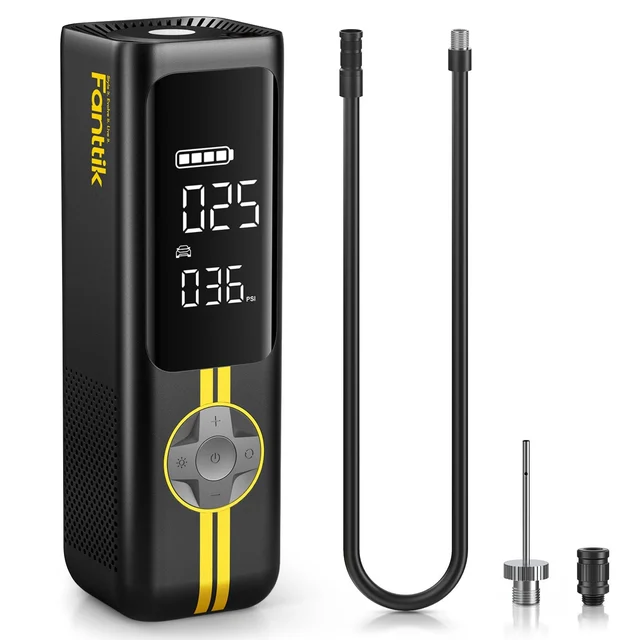 Tire Inflators After reading this you will know which tire-inflator numbers describe real speed and accuracy, so you buy one that tops up a tire in a couple of minutes and stops at the pressure you set.
 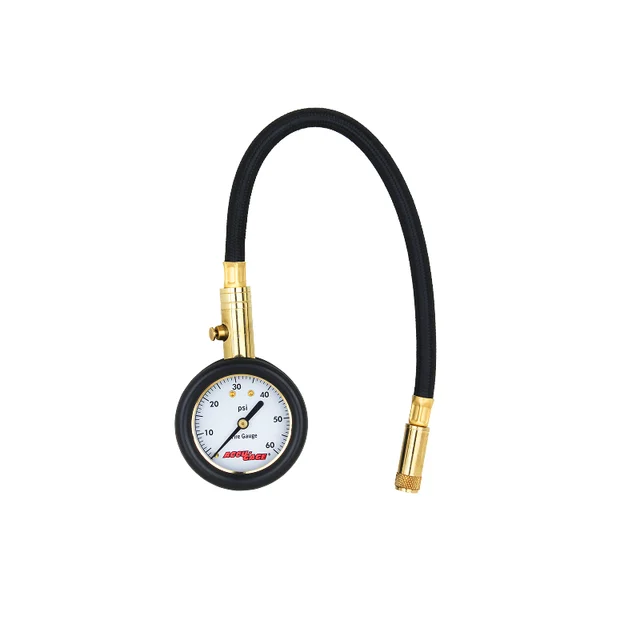 Tire Pressure Gauges After reading this you will know which gauge type fits your vehicle, which accuracy and reach specs matter, and how to avoid a gauge that reads differently every time.
 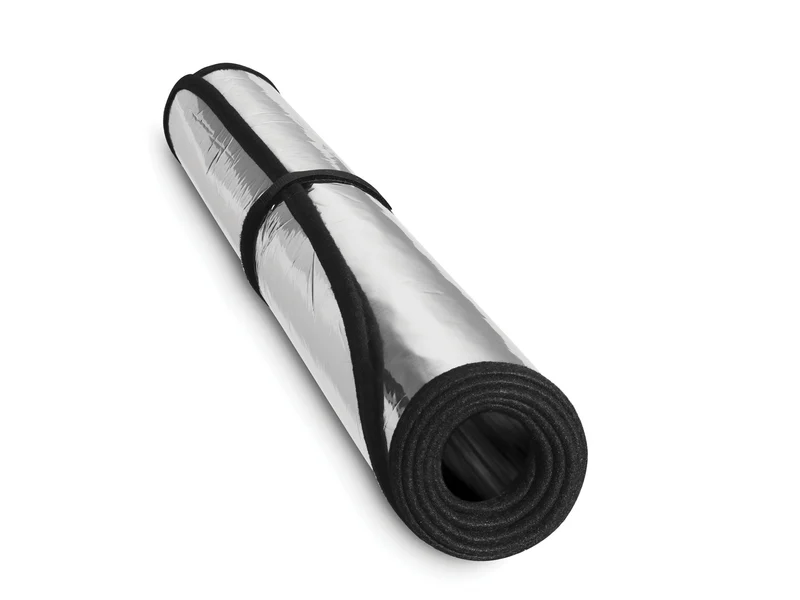 Windshield Sun Shades After reading, you'll know which sun shade style fits your car, which materials actually block heat, and how to size one correctly the first time.
  Backup Cameras After reading, you'll understand every choice that matters when adding a reversing camera to a car that never had one — and which specs are just noise.
  Car Battery Chargers After reading this you'll know the difference between a charger and a maintainer, how many amps you actually need, and which specs are safety non-negotiables.
  Car Covers After reading this you will know which type of car cover fits where your car actually sleeps, and why chasing the word waterproof usually backfires.