Explained
Rain Boots, Explained
After reading, you'll understand how rubber type, shaft height, calf fit, insoles and outsoles decide whether a rain boot is comfortable and safe.
In this guide
Rain boots all look waterproof, and they mostly are. The problems that make people return them are fit problems: a calf that is too tight, a heel that slips, or a whole size that is too big. Comfort and grip are the other differences, and they depend on the insole and the tread. Here is what the listings mean.
The 30-second version
- Calf circumference decides fit, and many brands do not publish it.
- Most rain boots have no half sizes, so brands usually suggest sizing up.
- A removable insole adds comfort, and lets the boot dry faster.
- Tread pattern affects grip, with siped and chevron soles best on wet surfaces.
- Rubber does not insulate, so rain boots are cold in winter.
The products this guide is about
Our verdict on each, with the full reasoning on the companion review.
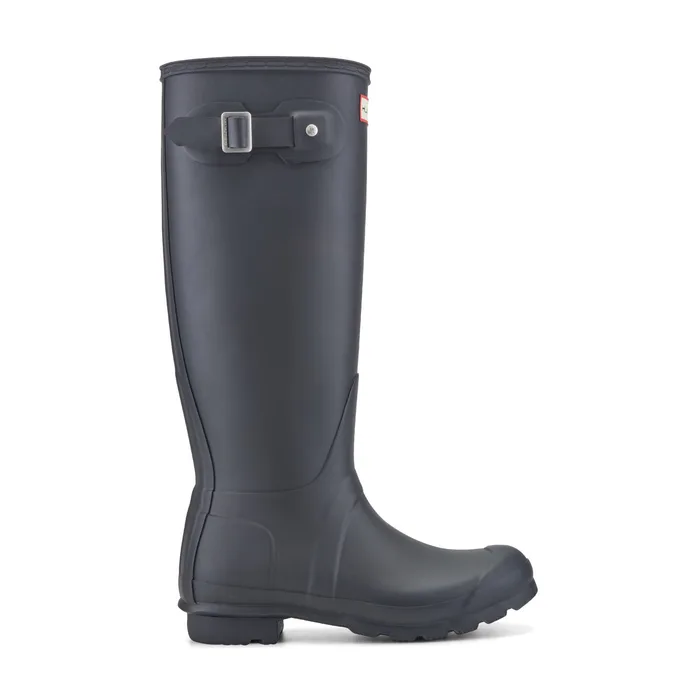
- Buy Hunter Women's Original Tall Rain Boots The classic tall natural rubber boot, with published shaft and calf measurements.
- Buy Sperry Drizzle Knee High Rain Boot A knee-high rubber boot with a removable cushioned insole and a siped outsole for grip.
- It depends XTRATUF Women's 15" Legacy Boot A work boot for decks and docks, resistant to oil, acids and chemicals.
- Skip Kamik Miranda Rain Boots A Canadian-made, PVC-free boot sold as final sale, with no lining listed.
What actually matters
- Rubber type - natural rubber is flexible and classic. Neoprene blends add chemical resistance and some insulation.
- Shaft height - taller boots keep out deeper water. They are also harder to pull on and off.
- Calf circumference - the key fit number for tall boots. Wider calves need a roomier boot or an adjustable gusset.
- Lining - a textile lining helps boots slide on and feel less clammy. Unlined boots can feel cold and sticky.
- Insole - a cushioned, removable footbed makes long walks easier. Foam inserts are basic.
- Outsole - look for deep, siped or chevron treads. Smooth soles slip on wet tile and metal.
- Returns - fit is hard to judge online. A generous return window is worth a lot.
The specs, in plain English
Green flags vs red flags
Green flags
- Published shaft height and calf circumference.
- Clear half-size advice.
- A removable or cushioned footbed.
- A siped or chevron tread.
- A return window of 30 days or more.
Red flags
- Final sale with no returns.
- No calf measurement for a tall boot.
- No lining or insole information.
- A smooth, shallow tread.
- No sizing advice at all.
Who's who: the brands
- Hunter - A British brand known for its natural rubber Original Tall wellies.
- Sperry - A boat shoe brand whose rain boots use its Wave-Siping outsoles.
- XTRATUF - Known for chemical-resistant work boots made for fishing and deck work.
- Kamik - A Canadian maker of rubber and winter boots, including made-in-Canada models.
How to read a listing without getting fooled
Start with the fit data: shaft height, calf circumference and the brand's sizing advice. Then check the materials for the upper, lining and outsole, and whether the insole is removable. Look at the tread description for words like siped, chevron or slip-resistant. Finally, check the returns policy on the product page itself, since some rain boots are sold as final sale.
How much should you spend?
Budget rain boots often use PVC or basic rubber, with little fit information, and some are sold as final sale. Mid-range boots add cushioned removable insoles, better treads and clearer returns. Premium boots use natural rubber or specialist compounds, publish detailed fit data and last many seasons.
Questions, answered
Should I buy rain boots a size up?
Only if you are between sizes or plan to wear thick socks or liners. Many brands, including Hunter and XTRATUF, say to size up from a half size. A boot that is too big will rub at the heel.
How do I clean rubber rain boots?
Rinse off mud with water and wipe with a soft cloth and mild soap. Avoid solvents and heat, which can damage rubber. Dry them away from radiators and direct sun.
Can I wear rain boots all day?
Yes, if they fit well and have a cushioned insole. Wear moisture-wicking socks and take them off indoors to let your feet breathe. A removable insole helps you dry them overnight.
Are rain boots good for gardening?
They are ideal, since they keep mud and water out and hose off easily. A work boot with a chemical-resistant rubber, like the XTRATUF, handles fertilisers and wet soil well. A mid-height boot is easier to slip on and off.
Or jump to the head-to-head: Hunter Women's Original Tall Rain Boots vs Sperry Drizzle Knee High Rain Boot.