Explained
Planners, Explained
After reading, you'll understand which planner layout fits how you plan, what paper and binding specs mean, and which missing details should make you pause.
In this guide
Most people buy a planner by its cover and then abandon it by March because the layout does not match how they work. The specs that matter are buried in phrases like vertical weekly, 120 GSM and thread-bound. Some makers publish a full page map and weight; others publish almost nothing. This guide explains what to look for so the planner you pick still gets used in December.
The 30-second version
- Match the layout to your day, with daily pages for heavy writers and weekly spreads for schedulers.
- Check paper weight for your size, because some makers use heavier paper only in the largest format.
- A flat-opening binding makes writing near the spine easier, which matters on every page for a year.
- Guided pages help only if you use them, otherwise they add weight and bulk.
- Missing page counts and weights make it hard to compare value, so favour makers that publish them.
The products this guide is about
Our verdict on each, with the full reasoning on the companion review.
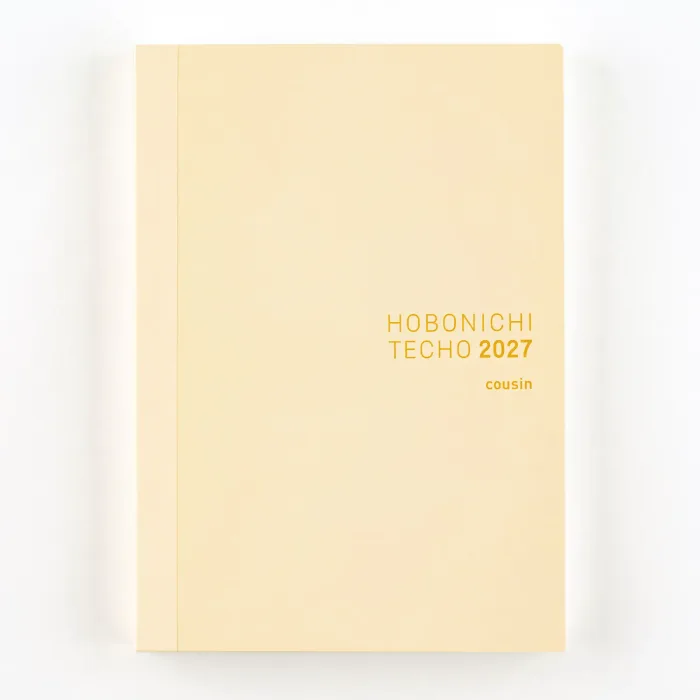
- Buy Hobonichi Techo 2027 Cousin (English, A5) A 544-page A5 book with a page per day, vertical weekly pages and monthly calendars, stitched to open flat.
- Buy Leuchtturm1917 Weekly Planner & Notebook 2027 (Medium A5) The calendar week on the left and a ruled notes page on the right, in a hardcover A5 book that opens flat.
- It depends Passion Planner Weekly 2027 A guided goal-setting weekly planner with hourly columns, habit trackers and monthly reflections on 120 GSM paper.
- Skip Erin Condren 7x9 Coiled Weekly LifePlanner The well-known customizable coil planner, but it costs the most here and leaves key specs unpublished.
What actually matters
- Layout - Daily, weekly and monthly views suit different habits. Pick the one you would fill in on a normal day, not the one that looks best in photos.
- Hourly slots - A timeline helps appointment-heavy days. Without one, you write times by hand and the page gets messy.
- Paper weight - Measured in gsm (or g/m²), heavier paper shows less through the page. It also makes a thicker, heavier book.
- Binding - Thread-stitched books open flat and stay durable. Coils open flat too but can snag and add bulk.
- Size - A5 is the common middle ground for carrying. Larger books give more space but stay on the desk.
- Start date and range - Check whether pages start in January or earlier. Some books include late December pages so you can start before New Year.
- Extras - Pockets, ribbons, stickers and holidays are useful conveniences. They matter less than layout and paper.
The specs, in plain English
Green flags vs red flags
Green flags
- A published page map showing how many daily, weekly and monthly pages you get
- Paper weight stated for the exact size you are buying
- A binding that opens flat, stated by the maker
- Book weight and dimensions listed
- Free printable samples so you can try the layout first
Red flags
- No page count or weight anywhere on the product page
- Paper quality described only with words like premium or thick
- Essential pages sold as paid add-ons
- Guided content that takes up more space than the calendar you need
- A start date that does not match when you plan to begin
Who's who: the brands
- Hobonichi - Japanese maker of the Techo, known for daily-page books on thin Tomoe River paper and a large range of covers.
- Leuchtturm1917 - German notebook brand known for thread-bound hardcovers with numbered pages, pockets and page markers.
- Passion Planner - Known for goal-setting planners with guided roadmaps, habit trackers and monthly reflections.
- Erin Condren - Known for colorful, customizable coil-bound LifePlanners with stickers and many layout choices.
How to read a listing without getting fooled
Start with the layout section and look for pictures of the actual weekly and daily pages, not just the cover. Then find the page map: how many daily, weekly and monthly pages, and the date range they cover. Check the paper weight for your chosen size, since it can change between formats, and look for the binding type. Finally, look for the book's weight and thickness. A listing that only says premium paper and lots of extras without numbers is asking you to trust the photos.
How much should you spend?
Most good dated planners sit in the mid-range tier, and paying more rarely buys better paper or binding. At the budget end you often get thinner paper and a simpler layout, which can be fine for a weekly book. Mid-range planners from established makers usually publish paper weight and page counts and include pockets and markers. Premium pricing tends to pay for customization, branded covers and add-ons rather than more pages, so check what the extra money actually buys.
Questions, answered
What is the difference between a planner and a notebook?
A planner has dates and calendar layouts printed in; a notebook is blank, lined, dotted or squared. Some planners, like the Leuchtturm Weekly Planner & Notebook, combine both with a notes page beside each week. If you want full freedom, a notebook with a hand-drawn layout works too, but it takes setup time every week.
Is heavier paper always better?
Not always. Heavier paper shows less through the page, but it makes the book thicker and heavier. Thin papers like Tomoe River keep large page counts portable but can let some inks show through. Pick based on your pens and how far you carry the book.
Should I choose Sunday or Monday start?
Pick the one that matches how you think about weekends. Monday start keeps Saturday and Sunday together at the end of the week, which suits many people who work weekdays. Sunday start matches most wall calendars in the US. Many makers offer both, so check the option before ordering.
Can I use a planner without a cover?
Hardcover planners are ready to use as they are. Softcover and paper-covered books, like the Hobonichi Techo, last longer in a bag with a cover. If you mostly keep the planner on a desk, a cover matters less.
Or jump to the head-to-head: Hobonichi Techo 2027 Cousin (English, A5) vs Leuchtturm1917 Weekly Planner & Notebook 2027 (Medium A5).