Explained
Patio Umbrellas, Explained
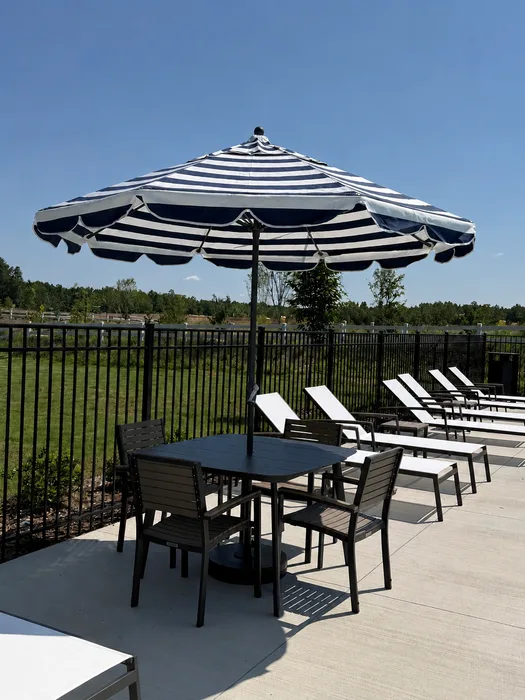
After reading, you'll understand umbrella frames and fabrics, how to read wind claims, and how to size an umbrella and base for your patio.
In this guide
Most patio umbrellas fail in one of three ways: a gust bends a rib or flips the canopy, the fabric fades in a season, or the umbrella tips because the base was too light. Listings make it hard to compare, mixing real specs with vague claims. Knowing which details matter makes the choice much easier.
The 30-second version
- Frame material matters most, with aluminum and fiberglass outlasting thin steel.
- A wind rating is only useful in mph, so treat undefined levels with suspicion.
- Solution-dyed fabrics hold color longer, and the fabric warranty hints at how long.
- Bases are almost never included, so budget for one matched to your canopy size.
- Close the umbrella when not in use, whatever the rating, and follow the maker's instructions.
The products this guide is about
Our verdict on each, with the full reasoning on the companion review.
- Buy Frankford Umbrellas Monterey 9' A commercial-grade fiberglass-rib market umbrella with a heavy-wall aluminum pole, stainless hardware and a stated 40 mph gust rating.
- Buy Island Umbrella Mirage 9-ft Octagonal Auto-Tilt Market Umbrella An anodized aluminum market umbrella with a 1.5-inch pole, crank-and-auto-tilt and a fade-resistant Breez-Tex canopy. Amazon
- It depends Treasure Garden Auto Tilt Market Umbrella 11' (UM812) A dealer-sold crank-and-auto-tilt umbrella with a Kevlar lift cord and a wide choice of Sunbrella and O'bravia fabrics. Amazon
- It depends Sunnydaze Decor Sunnydaze Aluminum Outdoor Patio Umbrella with Tilt and Crank (9') A budget 9-foot market umbrella with a powder-coated aluminum pole, push-button tilt and a vented polyester canopy. Amazon
- It depends PURPLE LEAF Double Top Square Cantilever Umbrella (10' x 10') A large square cantilever with a double-top canopy, 360-degree rotation and a stated 30 mph rating, base sold separately. Amazon
- Skip Abba Patio Lyon 9ft Market Umbrella A cheap, colorful crank-and-tilt umbrella built on a thin-walled steel pole, with wind claims that contradict each other. Amazon
What actually matters
- Frame - Aluminum resists rust and fiberglass ribs flex in gusts. Steel is cheaper but heavier and can rust or bend.
- Pole - Diameter matters for fit with your base and table. Wall thickness, when stated, tells you how stiff it is.
- Wind rating - A maker-stated mph rating lets you compare umbrellas. It is a limit, not a reason to leave it open in a storm.
- Fabric - Solution-dyed acrylic and polyester resist fading. Plain polyester is cheaper but fades sooner.
- Vent - Single or double vents let wind escape through the top. That reduces lift on the canopy.
- Tilt and lift - Cranks, auto-tilt and push-button tilt change how easy it is to follow the sun. Pulley lifts suit commercial use.
- Base - The base must match the pole and be heavy enough for the canopy. Cantilevers need much heavier bases.
The specs, in plain English
Green flags vs red flags
Green flags
- A wind rating stated in mph on the maker's page.
- Aluminum or fiberglass ribs and a stated pole wall thickness.
- A named solution-dyed fabric with its own warranty.
- Separate, clearly stated fabric and frame warranties.
- A recommended base listed for each size.
Red flags
- Wind resistance given as an undefined level, or two different levels on one page.
- Very thin steel poles and ribs.
- No warranty term on the product page.
- Dimensions that change between listings of the same model.
- Product photos showing a base that is not included.
Who's who: the brands
- Frankford Umbrellas - Maker of commercial-grade market and cantilever umbrellas with fiberglass frames and acrylic awning fabrics.
- Treasure Garden - Southern California umbrella maker sold through dealers, known for auto-tilt market umbrellas and a large fabric library.
- Island Umbrella - Blue Wave Products' umbrella line, known for mid-range aluminum market and cantilever umbrellas.
- PURPLE LEAF - Direct-to-consumer brand known for large aluminum cantilever umbrellas.
- Sunnydaze Decor - Outdoor decor brand selling budget market and offset umbrellas and bases.
How to read a listing without getting fooled
Start with the frame: look for the rib and pole materials, and a pole wall thickness if the maker gives one. Find the wind rating and make sure it is stated in mph rather than an undefined level. Check the fabric type and whether it is solution-dyed, and read the separate fabric and frame warranties. Note the canopy size, open clearance and whether there is a wind vent. Finally, confirm whether a base is included, which base the maker recommends, and whether the photos show parts you have to buy separately.
How much should you spend?
Budget umbrellas typically use steel ribs or poles, basic polyester and short or missing warranties, and they suit sheltered, occasional use. Mid-range umbrellas move to aluminum frames, better fabrics and multi-year canopy warranties. Premium and commercial-grade umbrellas add fiberglass ribs, heavy-wall poles, stainless hardware and solution-dyed acrylic fabrics, and cantilevers sit at the top of the range once you add their heavy bases. Remember to budget for a base with any of them.
Questions, answered
How heavy should my umbrella base be?
Follow the umbrella maker's recommendation for your canopy size. Larger canopies and cantilevers need much heavier bases. A table adds stability to a market umbrella.
Should I close my patio umbrella at night?
Closing it when you are not using it protects it from unexpected wind and keeps the fabric cleaner. A protective cover helps further. This is especially important for umbrellas without a published wind rating.
How do I clean a patio umbrella canopy?
Brush off loose dirt, then wash with mild soap and water and let it dry fully before closing. Follow the fabric maker's care instructions. Avoid storing it wet, which encourages mildew.
Can I leave my umbrella out over winter?
Most makers recommend storing umbrellas or covering them during long periods of non-use. Snow and ice can stress ribs and fabric. Store it dry, closed and covered in a sheltered spot.
Or jump to the head-to-head: Frankford Umbrellas Monterey 9' vs Island Umbrella Mirage 9-ft Octagonal Auto-Tilt Market Umbrella.