Explained
Outdoor Gas Griddles, Explained
After reading, you'll know how to size an outdoor gas griddle, tell even-heating models from hot-spot machines, and read a listing without getting fooled by big numbers.
In this guide
An outdoor gas griddle is a flat steel cooktop over gas burners that turns a patio into a diner: smash burgers, breakfast for a crowd, fried rice, and searing all on one surface. This is a different animal from a small electric countertop griddle, which plugs in for indoor use; here you're choosing burners, steel, and grease systems built to live outside. What trips up first-time buyers is chasing a big cooking area or a high BTU number while ignoring the things that decide whether you keep using it: even heat, honest grease drainage, and a steel top that seasons well instead of rusting.
The 30-second version
- Size by your crowd, not by the biggest number. so match cooking area and burner count to how many people you actually feed, because a huge top you half-use is just extra weight, storage, and seasoning.
- Even heat beats raw power. so a thicker steel plate that heats uniformly matters more than a high total BTU rating, since a griddle is one flat surface where every cold spot shows up in your food.
- Independent burner zones are the whole point. so more separately controlled burners let you sear on one side and hold food warm on the other at the same time.
- Bare steel always needs seasoning and rust care. so budget the time to build a seasoned coating and keep the top oiled and covered, no matter which model you buy.
- Grease management makes or breaks daily use. so check where the grease drains and how easy the cup or trough is to empty before you fall for the flashier features.
The products this guide is about
Our verdict on each, with the full reasoning on the companion review.
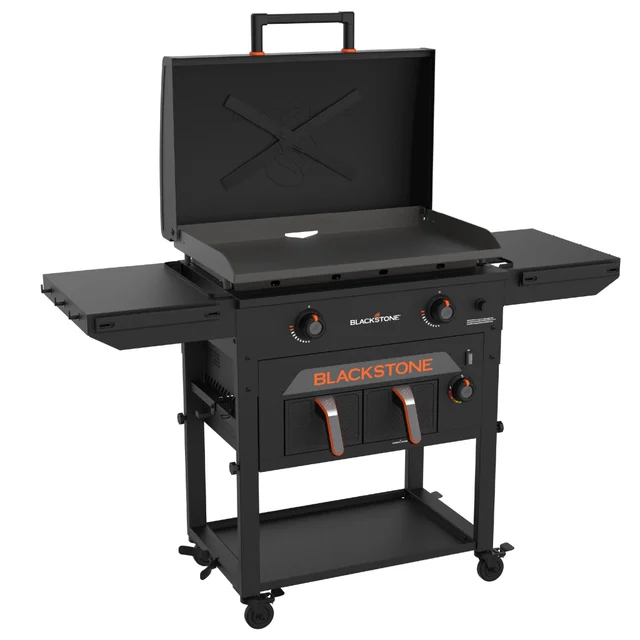
- Buy Blackstone 28-inch Griddle with Air Fryer (Airfryer Combo) The most versatile all-rounder here, pairing a roomy two-zone cold-rolled steel top with a built-in air fryer drawer and the biggest accessory ecosystem in griddling.
- Buy Camp Chef Gridiron 36 A large four-burner with a thick, even-heating cold-rolled steel plate and premium build for cooks who host and want fewer hot spots.
- It depends Pit Boss 2-Burner Tabletop Griddle A cheap, genuinely portable two-burner you can carry to a campsite or tailgate, as long as you accept its small surface.
- Skip Pit Boss 4-Burner Ultimate Lift-Off Griddle Feature-packed on paper with a lift-off cooktop and front grease trap, but owner reports of uneven heat and less-refined build keep it behind the leaders.
What actually matters
- Cooking area and burner count decide how many people you can cook for at once. A compact tabletop suits one or two people and travel; a two-burner mid-size top comfortably feeds a family; a four-burner is for entertaining and big batches. More burners also means more independent heat zones, not just more space.
- Even heating is the single most important quality of a griddle. Because it's one flat plate, any cold or hot spot lands directly in your food. A thicker steel top evens out temperature and recovers heat faster after you drop cold food on it, which matters more than a slightly larger but thinner surface.
- Steel type and thickness drive heat retention, warping resistance, and how the surface behaves over time. Cold-rolled carbon steel is the standard flat-top material; it seasons to a slick, dark, naturally nonstick finish but must be cared for or it rusts.
- Grease management determines how miserable cleanup is. Look at where grease drains, how big the catch cup is, and how easy it is to empty. A poorly placed or undersized system overflows and makes every cook a chore.
- Lid or hood protects the seasoned surface from weather and debris, improves performance in wind, and lets you store the griddle outside. A hard lid is a meaningful upgrade over an open top.
- Portability versus footprint is a real trade-off. A light tabletop travels to campsites and tailgates but cooks small; a four-burner cart needs dedicated patio space and is not something you carry.
- Side shelves and storage give you prep and landing space you'll use every single cook. Their absence means you're supplying your own table.
The specs, in plain English
Green flags vs red flags
Green flags
- A thick cold-rolled steel plate that owner reports praise for even heat and few cold corners
- Enough independently controlled burners to run separate searing and warming zones for your crowd size
- A clearly designed grease path with a decently sized, easy-to-empty cup or trough
- A hard lid or hood for weather protection, better wind performance, and outdoor storage
- Folding side shelves and usable storage so you have prep and landing space
- Strong parts and accessory availability, so covers, hoods, and replacements are easy to find later
Red flags
- Recurring owner reports of uneven heating or persistent cold spots across the plate
- A headline cooking area or BTU number with little said about plate thickness or heat evenness
- A tiny or awkwardly placed grease cup that overflows and makes cleanup a chore
- Extra seams from lift-off or modular cooktops where grease collects and cleaning gets fiddly
- No lid and no side shelves, leaving the surface exposed and prep space entirely on you
- Thin steel that warps or heats unevenly, or vague claims of a rust-proof surface that still needs seasoning
Who's who: the brands
- Blackstone - The category's most popular name, known for cold-rolled steel flat-tops and by far the widest selection of covers, hoods, and accessories.
- Camp Chef - Outdoor-cooking specialist known for sturdier builds and thick, even-heating plates that owners favor for hosting.
- Pit Boss - Value-focused brand offering budget tabletops and feature-packed larger griddles, with more variability in heat evenness and finish.
- Weber - Long-established grill maker whose flat-top griddles emphasize build quality and a broad support ecosystem.
- Traeger - Known first for pellet grills, now offering flat-top griddles aimed at buyers already in its accessory ecosystem.
How to read a listing without getting fooled
Start by ignoring the two biggest numbers on the listing, cooking area and total BTU, until you've answered a simpler question: how many people do you cook for? Then read for the things listings bury. Look for plate thickness and any mention of even heating or cold spots in owner reports, because that decides cooking quality more than raw power. Count the burners and confirm they're independently controlled, so you actually get separate heat zones rather than one big surface at one temperature. Check the grease system: where does runoff go, how big is the cup, and is it easy to empty? Note whether a hard lid and side shelves are included or sold separately, since those change the real price and daily usability. Assume any bare cold-rolled steel top needs seasoning and rust care no matter how the marketing phrases it, and treat 'rust-resistant' language with care unless it clearly means stainless. Finally, check parts and accessory availability, because a slightly less flashy griddle from a well-supported brand is easier to live with for years than a feature-packed one you can't find covers for.
How much should you spend?
Price mostly tracks size, steel quality, and build refinement rather than any single headline feature. At the budget end you get small, genuinely portable tabletops that cook for one or two and travel well, but skimp on shelves, lids, and sometimes heat evenness. The value sweet spot for most homes is a mid-range two-burner: enough cooking area for a family, real two-zone control, cold-rolled steel that seasons well, and usually a lid and shelves included. Stepping up to premium buys you a larger four-burner, a thicker and more evenly heating plate, and a sturdier build, which is worth it if you host often or feed a crowd but is overkill for a small household. Spending more is not worth it when you're paying for a big surface you'll rarely fill, or for gimmicky modular features that add seams and cleanup without improving how evenly the plate cooks. The best-value buy is the smallest griddle that still comfortably covers your typical crowd, from a brand with easy-to-find parts.
Questions, answered
What size outdoor griddle should I buy?
Match burners and cooking area to how many people you feed. A compact tabletop suits one or two people and travel. A two-burner mid-size top comfortably feeds a family with room to run different heat zones. A four-burner near six hundred square inches is for entertaining and big batches. Remember that bigger also means heavier and harder to store, so don't buy more surface than you'll actually use.
How is an outdoor gas griddle different from an electric countertop griddle?
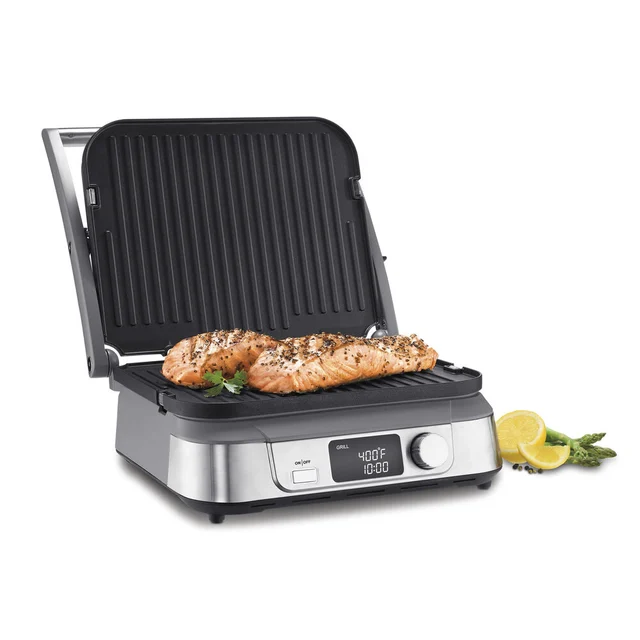
An outdoor gas griddle is a large flat steel cooktop over gas burners, built to live outside and cook for a crowd with real searing power and multiple heat zones. An electric countertop griddle is a small, plug-in indoor appliance with a coated surface and limited heat, meant for a few pancakes or eggs. If you want to sear, cook for groups, or work outdoors, the gas flat-top is the tool; the electric one is a different, indoor product.
Do outdoor steel griddles rust, and how do I prevent it?
Yes. Bare cold-rolled carbon steel will rust if left wet or uncovered. The fix is seasoning: heat the plate, wipe on thin layers of high-smoke-point oil, and let each layer bake to a dark, slick coating. After cooking, scrape, wipe, and add a light oil film, then keep it under a cover. Done consistently, the surface becomes naturally nonstick and rust-resistant. A hard lid and a cover make this much easier.
Why does even heating matter so much on a griddle?
Unlike a grill with grates, a griddle is one flat plate, so any cold or hot spot shows up directly in your food. Even heat lets you cook a full surface of pancakes or smash burgers at the same rate. Thicker steel evens out temperature and recovers heat faster after cold food hits it, which is why plate thickness and even-heating reputation matter more than a high total BTU number.
Do more BTUs mean a better griddle?
Not by themselves. BTU measures total heat output, but that heat is spread across the whole plate, so a high number doesn't guarantee even or effective cooking. A well-built griddle with thicker steel and good burner layout can cook more evenly than a cheaper model with a bigger BTU rating. Read BTU as one input, and weigh plate thickness, burner zones, and owner reports on evenness more heavily.
How does wind affect an outdoor griddle, and what helps?
Wind pulls heat away from an exposed flat top, causing uneven cooking and slower heat-up, and it hits small open tabletops hardest. A hard lid or hood helps by shielding the surface, and a thicker plate holds heat better against gusts. Positioning the griddle out of direct wind, or using a wind guard, also helps. If you cook in exposed spots often, favor a hooded, heavier model over a bare lightweight one.
Or jump to the head-to-head: Blackstone 28-inch Griddle with Air Fryer (Airfryer Combo) vs Camp Chef Gridiron 36.