Explained
Nursing Pillows, Explained
After reading this, you'll know why firmness is the whole game, which shape matches your body and feeding style, and how to avoid the too-soft pillows that wreck your posture and latch.
In this guide
Nursing pillows all look interchangeable on a shelf, but the one that gets used every day and the one that ends up in a closet differ on a single thing: firmness. A firm, flat or gently contoured pillow brings your baby up to breast height so you can sit up straight; a soft, overstuffed one lets baby sink, which drops them below the breast, breaks the latch, and leaves you hunched. Get firmness right first, then match the shape to your body, and everything else is a bonus.
The 30-second version
- Firmness is make-or-break. Press the top hard; if your hand sinks, so will your baby, which drops them below the breast and pushes you into a hunch, so choose firm and flat or firmly contoured over soft and plush.
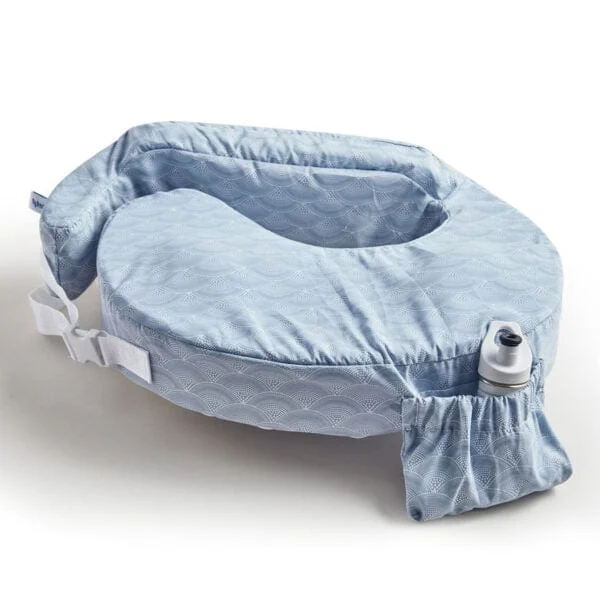
- Shape should match your torso and hold. A wrap-around belt style locks in for taller torsos and C-section recovery, a contoured wedge rolls baby into an easy latch, and a beltless C-shape is versatile but slides.
- The cover has to come off. Spit-up and leaks are constant in the early months, so a removable, machine-washable cover (ideally with a spare) is close to non-negotiable.
- It is never a sleep surface. A nursing pillow is for feeding time only while you are awake and hands-on; a baby should never be left to sleep or lounge on one.
- One firm pillow does several jobs. The same firm support that helps breastfeeding also works for bottle-feeding and supervised, awake tummy-time propping.
The products this guide is about
Our verdict on each, with the full reasoning on the companion review.
- Buy My Brest Friend Original Nursing Pillow The firm, flat, wrap-around pillow that keeps baby at breast height without you hunching.
- Buy Ergobaby Natural Curve Nursing Pillow A firm, contoured foam wedge that rolls baby into an easy tummy-to-tummy latch.
- It depends Boppy Original Support Nursing Pillow The iconic, versatile C-shape - now softer, which helps for propping but works against a firm latch.
- Skip Snuggle Me Organic Snuggle Me Feeding Support A pretty organic-cotton fiberfill pillow that's too soft and unanchored to reliably support a latch.
What actually matters
- Firmness and support. This is the single biggest factor. A firm, flat or contoured top holds baby at a steady height through a whole feed; a soft pillow compresses under baby's weight so support fades, the latch breaks, and your neck and shoulders pay for it.
- How it stays put. A wrap-around belt or an adjustable stay-put strap keeps the pillow at a consistent height and stops it sliding mid-feed. A loose, beltless pillow drifts and needs constant re-adjusting, especially on a taller frame or when nursing in bed.
- Shape and latch positioning. A flat top brings baby straight up to the breast; a curved contour actively rolls baby tummy-to-tummy for an easier latch. The right shape reduces rolling-away and the hunch that comes from reaching down to baby.
- Fit to your torso and wearer. Belt and strap styles adjust to different waist sizes and longer torsos, so the pillow sits where it should for the person actually wearing it. A one-size pillow with no adjustment may sit too low or too loose.
- Removable, washable cover. Leaks, dribbles, and spit-up are relentless, so a cover that zips off for a real machine wash keeps the pillow usable instead of grim. Non-removable or sag-prone covers are a long-term headache.
- Versatility. A firm pillow doubles nicely for bottle-feeding and supervised awake propping, so it earns its space beyond nursing without ever becoming a sleep or lounging product.
The specs, in plain English
Green flags vs red flags
Green flags
- The top is firm and springs back when you press it hard, instead of your hand sinking in
- It anchors to you with a wrap-around belt or an adjustable stay-put strap so it won't slide mid-feed
- A flat or firmly contoured top keeps baby at a steady height without you hunching over
- The cover zips or slips off completely for machine washing, ideally with spare covers available
- The fit adjusts to your torso, and the same firm support doubles for bottle-feeding and awake propping
Red flags
- The pillow is soft, squishy, or overstuffed and compresses under any real pressure
- It's filled with loose fiberfill that packs down and loses support over a long feed
- No strap or belt, so it drifts and needs constant repositioning, especially on a taller torso
- The cover doesn't fully come off, or it sags and bunches so you can't keep it clean
- It's marketed for lounging, resting, or sleep, or pictured with an unattended baby settled on it
Who's who: the brands
- My Brest Friend - Known for the firm, flat, wrap-around belted pillow that locks in at a steady height and won't slide during a feed.
- Ergobaby - Makes a firm, foam contoured wedge that rolls baby into a tummy-to-tummy latch and packs down smaller than a full wrap.
- Boppy - The iconic beltless C-shape most people picture; versatile and easy to grab, though newer versions run softer.
- Snuggle Me Organic - Style-forward organic-cotton feeding pillow that prioritizes looks and softness over firm, anchored support.
How to read a listing without getting fooled
Start with what the listing says about fill and firmness, and treat vague, cozy-sounding language as a caution flag. Words like firm foam and holds its shape are what you want; plush, soft, huggable, or fiberfill often mean it will compress under baby. Next, find how it stays put: look for belt, wrap-around, or adjustable strap rather than assuming a plain pillow will stay in place. Check that the cover is described as removable and machine washable, not just wipe-clean, and see whether spare covers exist. Match the shape to how you nurse, a belt for stability and taller torsos, a contour for latch guidance, a C-shape for grab-and-go versatility. Finally, ignore any language that hints at resting, lounging, or sleep; that is not a feature, and a nursing pillow is never a sleep surface.
How much should you spend?
You are mostly paying for firm, durable fill and a smart way to keep the pillow anchored, and those are exactly the things worth paying for. The budget end of the category tends to lean soft and beltless, which is where a cheaper pillow can quietly fail at the one job it exists for. Spending into the mid-range usually buys you genuinely firm support and a belt or strap that keeps the pillow in place, which is the best value for most people. Premium pricing can be worth it for a firm contoured shape that guides the latch or for a more packable design, but a high price alone is no guarantee of firmness; some pretty, expensive pillows are too soft and unanchored to support a reliable latch. Don't overpay for looks, organic fabric, or a fashionable cover if the core is squishy, and remember a washable cover and firm fill matter far more than extras.
Questions, answered
What matters most when choosing a nursing pillow?
Firmness, by a wide margin. Press the top of the pillow hard: if your hand sinks in, your baby will too, which drops them below the breast, breaks the latch, and leaves you hunching over. A firm, flat or gently contoured top holds baby at a steady height for the whole feed so you can sit up straight. Fit, cover, and extras only matter once firmness is right.
C-shape, contoured, or strap style, which shape should I pick?
Match it to your body and how you nurse. A wrap-around belt keeps the pillow from sliding and suits a taller torso or C-section recovery. A contoured wedge actively rolls baby tummy-to-tummy for an easier latch. A beltless C-shape is quick and versatile but can slide and needs re-adjusting. If your pillow keeps drifting away as you feed, a strap or belt is the fix.
Can my baby sleep or lounge on a nursing pillow?
No. This is the most important safety point: a nursing pillow is for feeding time only, while you are awake and hands-on, and baby comes off as soon as the feed ends. Nursing pillows are not designed or safe for sleep or unsupervised lounging, and a baby should never be left to rest on one. Federal firmness requirements exist precisely because soft feeding pillows pose a serious risk if a baby is left on them.
Does the cover really need to be removable and machine washable?
Yes, and it's a bigger deal than it sounds. Spit-up, dribbles, and leaks are constant in the early months, so a cover you can zip off and machine wash, ideally with a spare on hand, keeps the pillow usable. A pillow you can't fully clean gets grim fast, which is why a removable, washable cover is close to non-negotiable.
Can I use a nursing pillow for bottle-feeding or tummy time?
Yes, and a firm one does these jobs well. The same firm support that helps breastfeeding also brings baby to a comfortable height for bottle-feeding, and a firm surface works for supervised, awake tummy-time propping. The one rule that never changes: you stay hands-on, and it is never used for sleep or unattended lounging.
Will the right pillow fix a painful latch or feeding problems?
A firm, well-positioned pillow can genuinely help your comfort and posture, but this is general product information, not medical or lactation advice. If you're dealing with a painful latch, low supply, poor weight gain, or other feeding concerns, please consult a lactation consultant (IBCLC) or your pediatrician. No pillow is a substitute for hands-on professional help.
Or jump to the head-to-head: My Brest Friend Original Nursing Pillow vs Ergobaby Natural Curve Nursing Pillow.