Explained
Nursery Gliders, Explained
After reading this you'll understand the difference between a glider, a rocker and a recliner, and know which specs actually decide whether a nursery chair stays comfortable.
In this guide
A nursery chair is one of the few baby purchases you use every single day, often in the dark at 2 a.m., so how it moves and how it holds up matter far more than how it looks in the showroom. The catch is that the labels blur together: 'glider', 'rocker', 'recliner' and 'swivel' get mixed and matched, and two chairs that photograph identically can feel worlds apart after a few months. This guide decodes the terms so you can tell a chair built for real rest from one that just looks the part.
The 30-second version
- Glide, rock and recline are three different things. and a chair can combine them or offer just one, so know which motion and support you actually want before you compare prices.
- Cushioning density, not thickness, decides long-term comfort. firmer, well-structured foam keeps its shape for years while cheap, thin padding compresses within months.
- A recline turns a feeding chair into a resting chair. if you plan to doze during long feeds, prioritize a chair that leans back; powered versus manual is a budget and convenience call.
- Fabric is a durability decision, not just a color. boucle looks lovely but pills, while tighter performance weaves wear better and clean up more easily.
- Certifications and outlet needs are easy to overlook. look for low-emissions certification, and remember a powered chair has to live next to a wall socket.
The products this guide is about
Our verdict on each, with the full reasoning on the companion review.
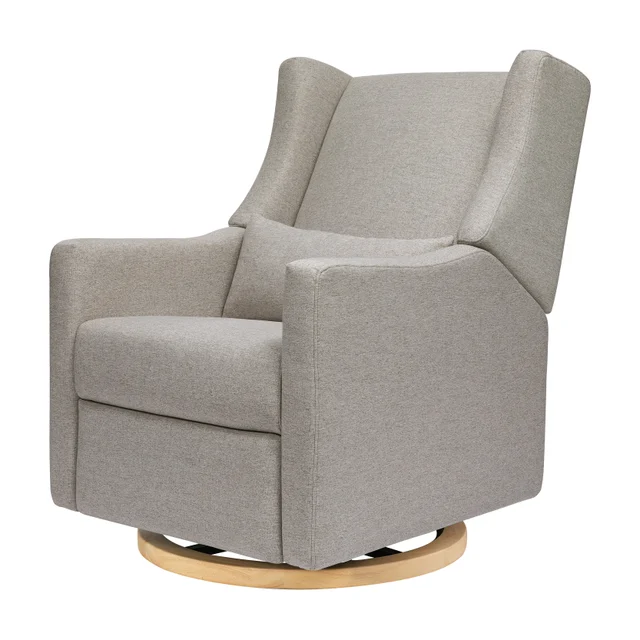
- Buy Babyletto Kiwi Electronic Recliner and Swivel Glider with USB Port A power-reclining, USB-equipped glider that lets an exhausted parent recline with a button press instead of a lever. Amazon
- Buy DaVinci Calder Swivel Glider Recliner The value pick: a manual swivel-glider recliner that delivers most of the comfort of premium chairs for far less. Amazon
- It depends Nursery Works Sleepytime Rocker A gorgeous mid-century boucle rocker that wins on looks but rocks rather than glides and skips reclining entirely. Amazon
- Skip Storkcraft Amalfi Deluxe Power Recliner Swivel Glider A budget power glider whose thin cushioning and pill-prone boucle mean the low price shows up fast.
What actually matters
- Motion type - a glide moves smoothly on a horizontal track, a rock tips on curved runners. Glides tend to be quieter and less likely to wake a sleeping baby, which is why most parents prefer them for night feeds.
- Recline - leaning back is what lets you actually rest during a 40-minute feed. Decide up front whether you want a recline at all, and if so whether powered or manual suits your budget and patience.
- Cushioning density and support - this is the single biggest driver of whether the chair is still comfortable at the hundredth night, not just the first. Firm, well-structured foam beats thick-but-soft padding that collapses.
- Swivel - a full 360-degree swivel makes getting in and out easy when you have a baby in your arms, and helps you reach a side table or changing station without standing up.
- Fabric durability - the upholstery has to survive spit-up, spills and daily use. Performance weaves clean up and resist pilling better than delicate textures.
- Footprint - nurseries are small. Measure the space, and account for the extra room a recline and a swivel need to clear walls and furniture.
- Certifications - a low-emissions certification like GREENGUARD Gold tells you the chair was tested for the chemicals it releases into a room where a newborn sleeps.
The specs, in plain English
Green flags vs red flags
Green flags
- Owner reports describe the glide or rock as smooth and quiet after a year, not just out of the box
- The cushioning is described as firm and supportive, and reviewers say it holds its shape over time
- A full 360-degree swivel and a recline that leans back far enough for real rest
- A low-emissions certification such as GREENGUARD Gold is clearly stated
- The chair is designed to move on to a bedroom or living room after the nursery years, suggesting lasting build quality
Red flags
- Reviews repeatedly mention thin cushioning that compresses or a seat that sags within months
- Complaints about squeaky, jerky or noisy motion that risks waking the baby
- A powered mechanism bolted onto an otherwise very cheap, value-engineered frame
- Boucle or delicate fabric praised for looks but flagged for pilling and wear
- Wobbly assembly, or a swivel and recline lock that don't feel solid once put together
Who's who: the brands
- Babyletto - Design-forward nursery brand known for modern gliders, including powered-recline flagships aimed at comfort-first parents.
- DaVinci - Value-oriented maker of nursery furniture, often GREENGUARD Gold certified, that delivers reclining gliders at mid-range prices.
- Nursery Works - Higher-end, style-led brand known for statement rockers with solid-wood runners and mid-century looks.
- Storkcraft - Budget-focused nursery furniture brand offering powered features at low prices, where cushioning and refinement can be hit or miss.
- Delta Children - Mass-market maker of affordable gliders and rockers widely available at big-box retailers.
- Dutailier - Long-established glider specialist known for smooth glide mechanisms and extensive fabric and finish options.
How to read a listing without getting fooled
Start by separating the motion words from the marketing. If a listing says 'glider' it moves on a level track; 'rocker' means curved runners; 'recliner' means it leans back; and 'swivel' means it rotates - a chair may advertise all four or just one, so read carefully rather than assuming. Next, look past the headline padding and hunt for how the cushioning behaves over time: photos always look plush, but owner reports are where you learn whether the foam holds up or flattens. Treat fabric names like boucle as a style-versus-durability trade rather than a quality signal. If a chair is powered, confirm it needs an outlet and note that the motor is an extra failure point. Finally, check for a low-emissions certification and a stated weight capacity, and be skeptical of a rock-bottom price paired with a long list of premium-sounding features - something usually gave way to hit that number.
How much should you spend?
Think of a nursery chair as cost-per-use: you'll sit in it every day for a year or more, so durable comfort is worth stretching for in a way that showroom looks are not. The value sweet spot is a well-built manual reclining glider with dense, supportive cushioning and a low-emissions certification - that gets you the two things that matter most, a smooth glide and a recline you can rest in, without paying for a motor. Spending more is genuinely worth it when a powered recline will keep you from waking the baby night after night, or when you want plusher long-term cushioning and extras like a USB port. Spending more is not worth it when the premium buys mainly design cachet on a chair that skips reclining, since a beautiful upright rocker is less restful for long feeds. At the bottom end, be wary: the cheapest chairs often save money exactly where you feel it most, in thin cushioning and less refined motion, so the low price tends to show up fast.
Questions, answered
Glider, rocker or recliner - which is best for a nursery?
For long night feeds most parents prefer a gliding recliner: the glide is smooth and quiet so it won't wake a sleeping baby, and the recline lets you lean back and doze. A rocker looks lovely and takes less floor space, but it keeps you more upright and tips rather than glides, which is less restful over hours. If you only pick one feature, prioritize the motion and support that match how you'll actually use the chair.
Is a powered (electric) recline worth it over a manual one?
It can be. A powered recline lets you change the angle with a button instead of pulling a lever, so you're far less likely to jostle a baby who's finally drifted off. The trade-offs are a higher price, needing to sit near an outlet, and one more mechanism that could eventually fail. A manual recline saves money and has nothing electronic to break, but you have to shift your weight to lean back.
How long will a nursery glider stay comfortable, and does fabric matter?
A well-built glider keeps its shape and support for years and often moves on to a bedroom or living room afterward. Cushioning density is the biggest factor: firmer, well-structured foam holds up, while thin padding compresses within months. Fabric matters too - boucle looks great but can pill, whereas tighter performance weaves wear better and clean up more easily.
Do I really need the matching ottoman?
Not necessarily. A reclining glider already elevates your legs when you lean back, so an ottoman is optional. But if you choose an upright rocker or a glider that doesn't recline, a separate ottoman or nursing stool makes long feeds much more comfortable. Factor the extra cost in, since ottomans are often sold separately.
What does GREENGUARD Gold certification actually mean?
It means the chair was independently tested and found to be low in chemical emissions - the gases furniture can release into a room. That's reassuring for a piece that will sit in a baby's nursery. Keep in mind it speaks to emissions specifically, not to overall durability or comfort, so treat it as one green flag among several rather than a full quality guarantee.
Or jump to the head-to-head: Babyletto Kiwi Electronic Recliner and Swivel Glider with USB Port vs DaVinci Calder Swivel Glider Recliner.