

Explained
Nebulizers, Explained
After reading this you will understand how a nebulizer turns liquid medication into a breathable mist, what the specs mean, and how to pick the right type for your situation.
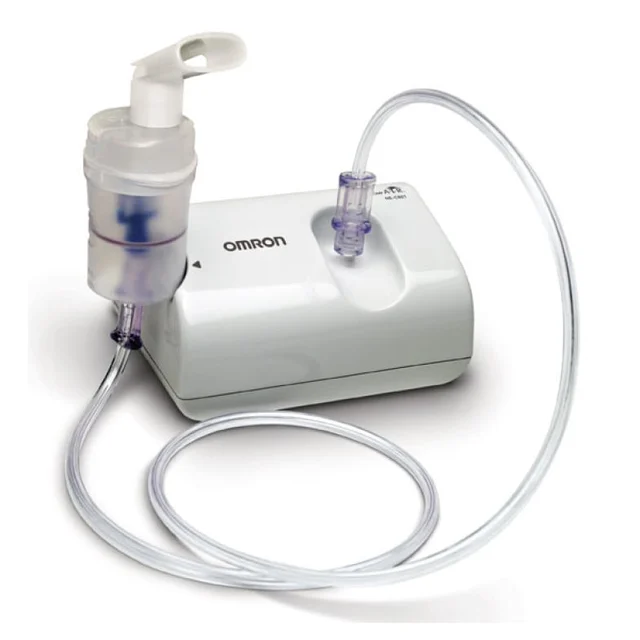
In this guide
A nebulizer turns prescribed liquid medication into a fine mist you breathe in, so it reaches your airways and lungs instead of your stomach. The category confuses people because three very different designs sit side by side on the shelf, listings are crowded with terms like MMAD, respirable fraction, and residual volume, and a pocket-size unit can cost more than a full tabletop machine. What trips buyers up most is choosing on size or price alone, then discovering the device is a poor match for their medication or fades after a few months of use.
The 30-second version
- Match the device to your medication first. A compressor (jet) unit handles the widest range of prescriptions, including thicker suspensions that mesh and ultrasonic units can deliver poorly or not at all.
- Particle size decides where the mist lands. Droplets in roughly the one-to-five-micron range reach the lower airways, so a fine average particle matters more than any convenience feature.
- Portability is a trade-off, not a free upgrade. Silent, pocket-size mesh units win for travel but ask for meticulous cleaning and cost more, while corded compressors are cheaper, tougher, and louder.
- Upkeep is where cheap units fail. The mesh membrane and reusable cups are wear parts; skipping cleaning or replacements is the most common reason output fades over time.
- No home device replaces a clinician. A nebulizer only delivers medication your doctor prescribes, and some medications specify a particular type of device.
What actually matters
- Medication compatibility - the single most important trait. A jet compressor handles both solutions and thicker suspension medications; mesh and ultrasonic units are best for simple solutions and can struggle with suspensions or heat-sensitive drugs.
- Particle size (MMAD) - determines how deep the mist travels. A fine average particle in the respirable range reaches the lower airways where most inhaled medication needs to act, while a coarser mist deposits higher up in the mouth and throat.
- Nebulization rate and treatment time - how fast the device empties a dose. A higher rate means a shorter, easier session, which matters most for children, daily users, and caregivers running multiple treatments a day.
- Residual (dead) volume - the medication left stranded in the cup at the end. A low residual volume means more of your prescribed dose is actually delivered rather than wasted.
- Noise - a quiet device is far easier to tolerate, especially for young children and nighttime use. Compressors hum audibly; mesh units are near-silent.
- Power and portability - mains-only compressors stay put on a nightstand, while battery-powered mesh units travel and can run at any angle, including reclined.
- Cleaning, hygiene, and replacement parts - the design decides how much daily upkeep you face and how easily you can buy fresh cups, masks, mouthpieces, filters, and mesh caps.
The specs, in plain English
Green flags vs red flags
Green flags
- A jet compressor design if you need broad medication compatibility, including suspensions
- A clearly stated fine average particle size in the respirable range from a recognizable brand
- Low residual volume and a stated nebulization rate that promises reasonable treatment times
- Easy-to-source replacement parts: cups, masks, mouthpieces, filters, and (for mesh) spare mesh caps
- Simple disassembly for rinsing and disinfecting, plus a clear cleaning schedule from the maker
- Both an appropriately sized mask and a mouthpiece included, and a warranty on the compressor or unit
Red flags
- A no-name seller with vague specs and no stated particle size or medication compatibility
- A mesh or ultrasonic unit pitched as an everything device with no mention of its limits with suspensions
- Owner reports of clogging, fading output, or short mesh-membrane life at a mid-range or premium price
- No information on where to buy replacement parts, or proprietary parts that are hard to find
- Marketing that implies it can treat or diagnose a condition rather than simply deliver prescribed medication
- A very short battery life or a residual volume so high that much of the dose is left in the cup
Who's who: the brands
- Omron - A long-established respiratory-device maker with both dependable tabletop compressors and quiet, portable mesh units.
- PARI - A clinic-recognized German brand known for rugged compressors and breath-enhanced nebulizer cups built for heavy daily use.
- Philips Respironics - A widely used respiratory brand whose compressor systems are common in homes and clinical settings.
- Sunset Healthcare - A value-focused supplier of budget mesh and compressor units and replacement accessories.
- Drive DeVilbiss - A home-medical-equipment maker offering mainstream compressor nebulizers and parts.
How to read a listing without getting fooled
Start a listing with the type and the medication line, not the price: confirm whether it is a jet compressor, a mesh, or an ultrasonic unit, and check that it suits the medication you have been prescribed, because a mesh or ultrasonic device that cannot handle a suspension is the wrong tool no matter how convenient it looks. Then look for a stated particle size; a fine average in the respirable range is what lets the mist reach the lungs, and vague or missing figures from an unknown seller are a warning. Read the nebulization rate and residual volume together to gauge how fast a treatment finishes and how much of the dose is actually delivered. Treat noise, battery life, and pocketability as lifestyle features you weigh against cleaning burden, and always check that replacement cups, masks, filters, and mesh caps are easy to buy, since a device you cannot maintain is a short-lived one. Be skeptical of two things in particular: a premium price on a bare-bones handheld with undocumented output, and any language suggesting the device treats or diagnoses illness rather than simply delivering what your clinician prescribes.
How much should you spend?
Spending is less about buying a better mist and more about buying durability, speed, and convenience. At the budget end a plain plug-in compressor is often the most trustworthy value: it delivers a fine particle, handles the widest range of medications, and lasts for years with basic care, which is why it remains the sensible default for most households. Portable mesh units sit higher up the range despite being smaller, because you are paying for silence, battery power, and pocket size rather than better lung delivery, so they earn their premium only if travel or quiet genuinely matter to you. Paying up for a clinic-grade compressor is worth it in a narrow lane: if you or someone you care for nebulizes every day, the faster treatments and rugged build justify the cost. Whatever tier you choose, budget for ongoing upkeep too, since cups, filters, masks, and mesh caps are wear parts that need periodic replacement to keep the device working as intended.
Questions, answered
Compressor, mesh, or ultrasonic - which type should I get?
For a primary home device, a jet compressor is the safer default: it produces a fine particle, handles both solution and suspension medications, and is hard-wearing. Portable mesh units win on silence and pocket portability, which makes them excellent travel companions, but they cost more, need careful cleaning, and suit simpler solutions best. Ultrasonic units are quiet and quick with solutions but can heat and degrade some medications and are a poor match for suspensions. Many people end up owning a compressor at home and a mesh unit for the road.
What does particle size (MMAD) mean and why does it matter?
MMAD, or mass median aerodynamic diameter, describes the average size of the mist droplets. Particles in roughly the one-to-five-micron range are small enough to travel past the mouth and throat and deposit in the lower airways, which is where most inhaled respiratory medication needs to reach. A device advertising a fine particle around three microns is aiming squarely at that window; a coarser average particle deposits more medication higher up and can mean less efficient deep-lung delivery.
Are these nebulizers safe with any medication, and is this medical advice?
This is general product information, not medical advice, and it should not replace guidance from a professional. A nebulizer only delivers medication that a clinician prescribes, and some medications specify a particular type of device, for example a jet compressor rather than a mesh or ultrasonic unit. Use only the medication and device your doctor prescribes, follow the medication's instructions, and consult your doctor or pharmacist about which nebulizer suits your treatment and about dosing. This guide does not offer dosing or treatment advice.
How do I keep a nebulizer working and hygienic?
Rinse the medication cup and the mouthpiece or mask after each use and let them air-dry, then disinfect on the schedule the manufacturer specifies, and change filters and worn parts when recommended. Compressors are forgiving and last for years with basic care. Mesh units demand more discipline: the tiny mesh membrane clogs if medication is allowed to dry on it, which is the single most common reason owners report a mesh nebulizer's output fading, so clean it promptly and gently every time.
Which type is best for a child?
A quiet device helps enormously with young children, so a near-silent mesh unit is often better tolerated because there is no loud compressor, and it can work while a child is reclined. For a primary home device that must handle every prescribed medication, a jet compressor with an appropriately sized child mask remains a dependable choice. A mask suits infants and toddlers, while a mouthpiece delivers more efficiently once a child can use one. Follow your pediatrician's guidance on the medication and setup.
Related guides
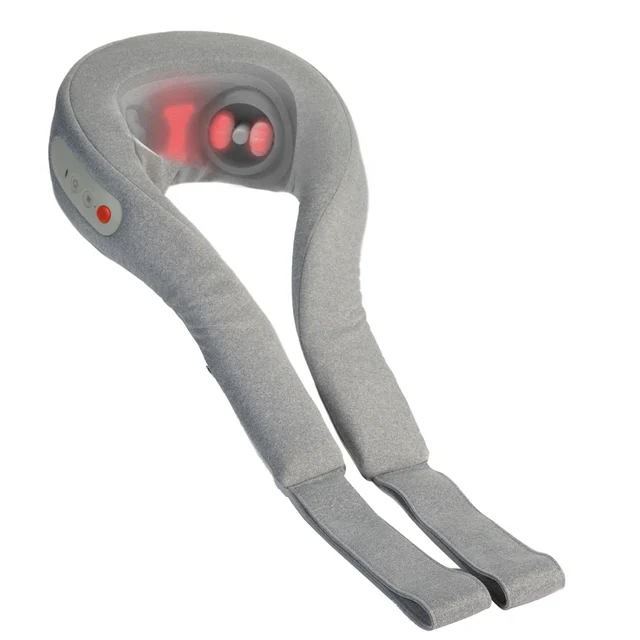 Neck Massagers After reading, you'll know which neck-massager shape and features fit your tension, and how to read a listing without getting fooled.
 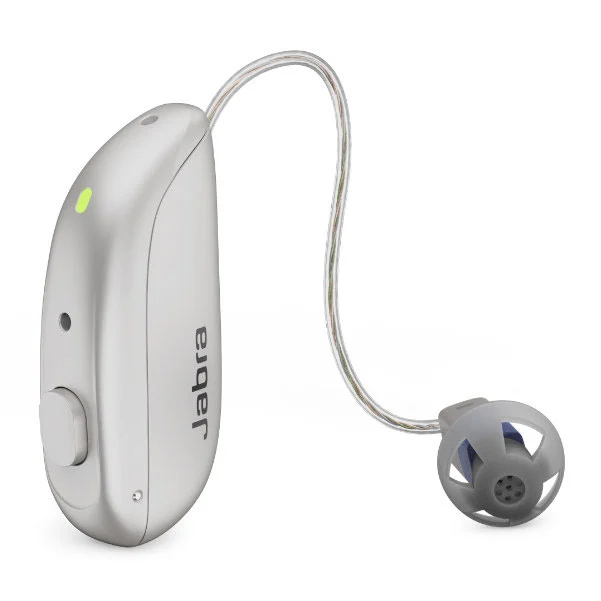 OTC Hearing Aids After reading this you will understand how over-the-counter hearing aids are fitted, which specs actually change your day-to-day experience, and how to match a device to how and where you listen.
  Bed Pillows After reading, you'll understand pillow loft, fill types, and firmness well enough to match a pillow to how you actually sleep.
  Posture Correctors After reading, you will understand the four main types of posture corrector, why most only help while worn, and how to pick one you will actually keep using.
  Pulse Oximeters After reading this you will understand what a pulse oximeter measures, which specs genuinely matter, and how to pick one without overpaying.
  Red Light Therapy Devices After reading this you'll know what the numbers on a red light therapy listing actually mean and which ones separate a real device from a pretty gadget.