Explained
Mountain Bikes, Explained
After reading this you will understand the handful of parts that decide whether a mountain bike is genuinely trail-ready, and how to read a spec sheet without being fooled.
In this guide
Shopping for a first mountain bike means wading through jargon: hardtail, air fork, 1x12, dropper post, thru-axle. The confusing part is that two bikes at similar prices can be built for completely different jobs, and the cheaper-looking one is often a path cruiser wearing knobby tires. This guide explains what actually matters so you can match a bike to how you really intend to ride.
The 30-second version
- The fork is the single biggest tell. an air-sprung fork you can tune to your weight outperforms a fixed coil fork on the trail and is the upgrade owners most often chase later.
- Modern basics are non-negotiable. a 1x drivetrain with a clutch derailleur and hydraulic disc brakes are the reliability baseline you should expect now, not a luxury.
- Weight and geometry separate trail bikes from lookalikes. a bike that is much heavier than its rivals will feel slow and clumsy no matter how aggressive it looks.
- Upgrade headroom is part of the value. the cheapest sticker price is not the cheapest bike if you immediately have to replace the fork, add a dropper, or swap the drivetrain.
- A proper shop build matters more than a spec bump. professional assembly and sizing affect safety and comfort far more than a marginal difference on paper.
The products this guide is about
Our verdict on each, with the full reasoning on the companion review.
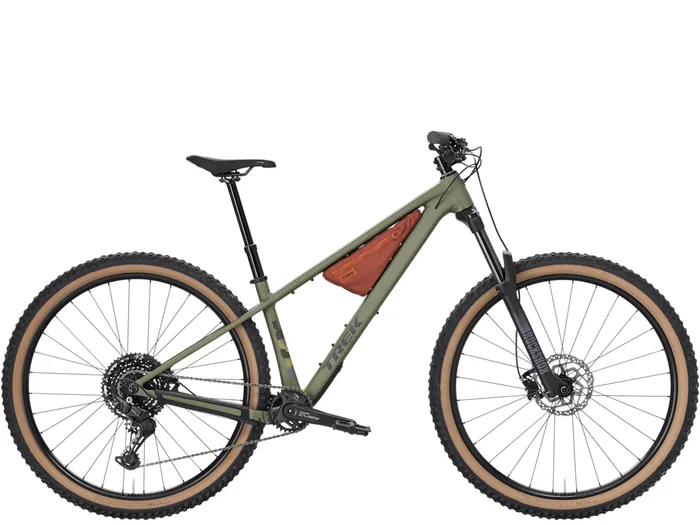
- Buy Trek Roscoe 7 Gen 4 A trail hardtail that ships with both an air fork and a dropper post, so it grows with your skills instead of holding them back.
- Buy Specialized Rockhopper Sport A superbly sorted alloy frame with a genuinely thoughtful size-specific fit that punches well above its modest price.
- It depends Giant Talon 1 A lot of dependable, well-built hardtail for the money, as long as you accept no dropper post at this price.
- Skip Schwinn Axum Comp 29in A cheap trail-styled hardtail with mechanical disc brakes and an 8-speed drivetrain, the only bike here without hydraulic brakes.
What actually matters
- Fork quality decides how the bike behaves over roots, rocks and drops; an air fork tunes to your weight while a basic coil fork is stuck with one fixed spring rate.
- Frame and geometry set how stable and confident the bike feels, and whether it actually fits your body rather than being a stretched or shrunk version of one size.
- Drivetrain reliability comes from a modern 1x setup with a clutch derailleur, which shifts cleanly and rarely drops the chain compared with old triple setups.
- Brakes are about consistent, low-effort stopping; hydraulic discs pull far ahead of mechanical discs on long or steep descents.
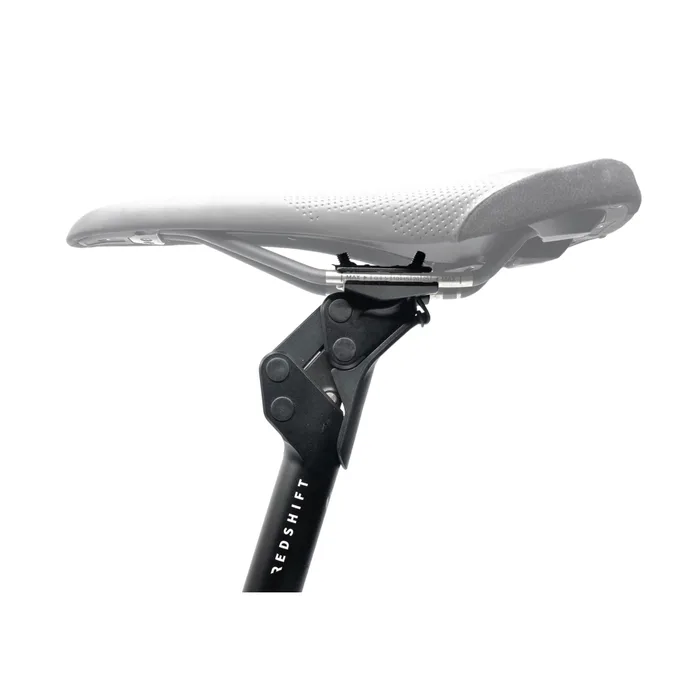
- Dropper post (or dropper-ready routing) lets you drop the saddle out of the way for descents, which is one of the biggest confidence boosts on steep ground.
- Honest weight is easy to overlook on paper but you feel every extra pound climbing and maneuvering, and it is where cheap bikes quietly fall down.
- Upgrade headroom determines whether the bike grows with you or becomes a dead end once your skills outpace it.
The specs, in plain English
Green flags vs red flags
Green flags
- An air-sprung fork with a lockout, ideally from a name-brand suspension maker
- A 1x drivetrain with a clutch derailleur and hydraulic disc brakes as standard
- A dropper post fitted, or at minimum internal routing that is clearly dropper-ready
- A range of frame sizes, and ideally wheel sizes, so you can be fitted properly
- An honest, competitive weight for the class rather than a heavy build hidden behind trail looks
Red flags
- An undamped budget fork with no tuning, or a coil fork with no lockout on something sold as trail-capable
- An old-style triple front drivetrain or twist-shift gearing, a sign of a very basic build
- Mechanical disc brakes, or worse, rim brakes, on a bike you plan to ride downhill
- A weight far above comparable bikes, often the giveaway of a path bike dressed as a trail bike
- Sold boxed for full self-assembly with no shop setup, which is a common source of badly adjusted brakes and gears
- Marketing that leans on looks and paint while going quiet about the fork, drivetrain and weight
Who's who: the brands
- Trek - Major mainstream maker whose entry and mid-level hardtails are often used as the value benchmark for stock spec.
- Specialized - Big-name brand known for well-sorted alloy frames and thoughtful, size-specific fit across a wide size range.
- Giant - One of the largest bike manufacturers, known for delivering a lot of dependable, well-built frame for the money.
- Schwinn - Long-established name selling budget hardtails direct for home assembly; heavy for trail use, better suited to paths and gravel.
How to read a listing without getting fooled
Read a mountain bike listing from the parts up, not the paint down. Start with the fork: look for the word air and a lockout, and be wary of vague phrases like suspension fork with no detail, which usually means a basic coil or an undamped budget unit. Check the drivetrain for a 1x setup with a clutch derailleur, and treat any triple front ring or twist-shift as a sign of a very basic build. Confirm the brakes say hydraulic, not mechanical. Note whether a dropper post is included or only routed for later. Then look for the weight and the size range, the two things marketing most often hides: a bike that is much heavier than its rivals, or offered in only one or two sizes, is telling you something even when the photos look aggressive. If a listing shouts about looks and colors but goes quiet on fork, drivetrain and weight, assume the quiet parts are the weak ones.
How much should you spend?
Mountain bikes follow a clear pattern: at the very bottom you are mostly paying for a frame and the look of a trail bike, with a budget fork, heavy build and basic parts that struggle the moment a trail gets steep. Spend a bit more and you cross into genuinely trail-ready territory, where the fork, drivetrain and brakes are all up to real singletrack, which is the value sweet spot for most new and intermediate riders. Beyond that, extra money buys lighter parts and nicer finishing that keen riders appreciate but beginners rarely need. The smartest way to think about it is total cost, not sticker price: a cheap bike that needs a new fork and a dropper before it rides well can end up costing more than a mid-level bike that arrives ready to go. Also budget for a professional shop build and basic fit, which affect safety and enjoyment more than a small spec upgrade. If your honest use is pavement and flat paths, you do not need to spend up for trail hardware at all.
Questions, answered
Should a beginner get a hardtail or a full-suspension bike?
For most people starting out on a mid-level budget, a hardtail is the better buy. Putting the money into one good fork, frame and drivetrain instead of splitting it across two suspension units means lighter weight, less maintenance and a more reliable bike, and hardtails also teach cleaner line choice and technique. Full suspension makes more sense once you are regularly riding rough, steep terrain and can spend considerably more.
Why does everyone say the fork matters so much?
Because the fork is what keeps your front wheel tracking the ground over bumps, and it is the part most responsible for how a bike feels off-road. An air-sprung fork lets you set the spring pressure to your exact body weight, so it uses its travel properly whether you are light or heavy. The fixed coil forks on many cheaper bikes often feel too soft or too harsh and cannot be fine-tuned, which is why the fork is the upgrade owners most commonly pay for later.
Do I really need a dropper post, and can I add one later?
A dropper post lets you lower the saddle out of the way for descents at the push of a lever, which noticeably boosts control and confidence on anything steep. It is not essential for gentle trails, but it is one of the best upgrades you can make. Many bikes now include one; others have internal routing so you can add one cleanly later, so it is worth checking whether a bike is at least dropper-ready even if it does not ship with one.
How do I tell a real trail bike from a cheap lookalike?
Look past the knobby tires and aggressive paint at the fork, weight and drivetrain. A real trail hardtail has a fork with some damping (ideally air-sprung), a modern 1x drivetrain with a clutch derailleur, hydraulic disc brakes, and an honest weight in line with its rivals. A lookalike tends to be much heavier, with an undamped budget fork and old-style twist-shift gearing, and it struggles the moment the terrain gets steep, loose or technical. If it is really built for flat paths, it will feel out of its depth on singletrack.
How important is professional assembly and sizing?
Very. Bikes bought and built by a shop are checked over, adjusted and fitted to you, which affects both comfort and safety. Bikes that ship boxed for self-assembly are a common source of poorly adjusted brakes and gears if you are not experienced, so factor a professional build and basic fit into your plans. This is general product information to help you shop, not a substitute for hands-on advice from a qualified mechanic or bike fitter.
Or jump to the head-to-head: Trek Roscoe 7 Gen 4 vs Specialized Rockhopper Sport.