Explained
Road Bikes, Explained
After reading this you'll be able to read a road bike spec sheet, tell a modern build from a dated one, and know which features actually matter for the riding you'll do.
In this guide
A road bike is a drop-handlebar bike built for riding on paved roads, and the listings are dense with jargon: groupsets, speeds, geometry numbers, frame materials and brake types. Most first-time buyers fixate on the frame or the brand name, when the parts hanging off the frame and how the bike fits you matter far more. This guide decodes the terms so you can judge a bike on what it actually does, not on badge or bling.
The 30-second version
- Fit and comfort beat frame material. so get the right size and an endurance geometry before you pay extra for carbon or lightweight parts.
- The groupset is the heart of the bike. a modern 12-speed drivetrain shifts smoother and climbs easier than an 8- or 9-speed entry group, and it's the spec most worth chasing.
- Hydraulic disc brakes are the current standard. they stop harder and more predictably in the wet than rim brakes and let you run wider, more comfortable tyres.
- Endurance bikes suit most new riders. the upright, stable position is easier on your body and more versatile than an aggressive race setup.
- Versatility comes from clearance and mounts. room for wide tyres plus rack and fender bosses turns one bike into a commuter, all-road and long-ride machine.
The products this guide is about
Our verdict on each, with the full reasoning on the companion review.
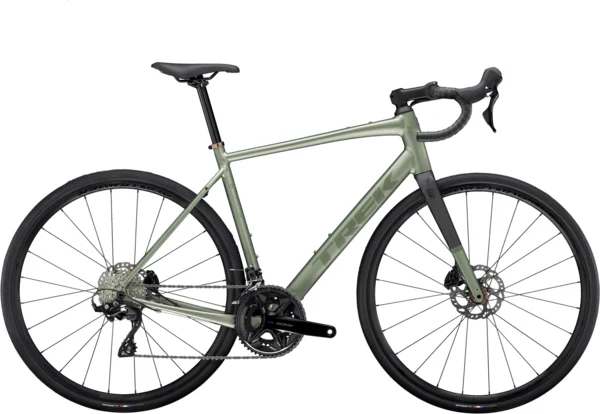
- Buy Trek Domane AL 5 Gen 4 A modern 12-speed endurance alloy bike that punches far above its price and is genuinely hard to outgrow.
- Buy Canyon Endurace CF 7 AXS A carbon endurance bike with electronic 12-speed shifting that you buy once and grow into for years, if the budget stretches.
- It depends Specialized Allez A likeable alloy frame and proven geometry, but the entry build makes you pay for the badge.
- Skip Giant Contend SL 2 A cheap alloy disc-brake bike whose entry build gives up the carbon fork and better groupset of its own sibling.
What actually matters
- Fit and frame size - the single biggest factor in comfort and control; the right size range lets you fine-tune saddle height and reach, and a basic shop fitting is worth more than any component upgrade.
- Groupset and gearing - the shifters, derailleurs, cassette and chain that move you through gears; more speeds and a wider range make hills manageable and shifting smoother.
- Brake type - hydraulic disc brakes give stronger, more consistent stopping in all weather than rim or mechanical (cable) disc brakes.
- Frame material - aluminium (alloy) is affordable and stiff, carbon is smoother and lighter at a premium; a good alloy bike beats a cheap carbon one.
- Geometry - the frame angles and proportions that set your riding position; endurance geometry is relaxed and stable, race geometry is low and aggressive.
- Tyre clearance and mounts - how wide a tyre fits and whether you can bolt on racks and fenders, which drives comfort and everyday usefulness.
- Wheels and tyres - often overlooked, but wider tyres at lower pressure add real comfort and grip and are a cheap early upgrade.
The specs, in plain English
Green flags vs red flags
Green flags
- A 12-speed groupset such as Shimano 105 or SRAM Rival at a sensible price
- Hydraulic disc brakes rather than mechanical disc or rim brakes
- Relaxed endurance geometry if you want comfort and versatility
- Generous tyre clearance plus rack and fender mounts for all-road and commuting duty
- A well-reviewed frame from a brand with wide dealer support and easy servicing
Red flags
- An 8- or 9-speed entry drivetrain (Claris, Sora-class) on a bike priced like a mid-range model
- Rim brakes or cable-actuated mechanical disc brakes marketed as current-spec
- Paying a premium mostly for the badge while the components stay entry level
- Narrow tyre clearance that rules out wider tyres, fenders or light gravel
- No mention of frame size range or fit - a sign the seller isn't focused on the thing that matters most
Who's who: the brands
- Trek - Big US brand with a strong endurance range (the Domane) and wide dealer support; known for well-specced, easy-to-live-with bikes.
- Canyon - German direct-to-consumer brand whose carbon Endurace is a long-running endurance bike, shipped to your door rather than sold through dealers.
- Specialized - Major US brand with a deep lineup; the alloy Allez is a classic beginner frame, though entry builds can feel dated.
- Giant - One of the largest bike makers; its Contend line offers a lot of frame for the money.
- Shimano - Not a bike brand but the dominant groupset maker - its 105, Sora and Claris tiers set the drivetrain quality on most road bikes you'll see.
- SRAM - The other major groupset maker, known for wireless electronic (AXS) shifting; its Rival tier is a common 12-speed alternative to Shimano 105.
How to read a listing without getting fooled
Start with the groupset line, not the headline frame name: a listing that leads with '12-speed Shimano 105, hydraulic disc' is telling you the bike is modern, while 'Shimano Claris, 8-speed, mechanical disc' signals an entry build even if the frame looks premium. Check the brake type explicitly - 'disc' alone can hide cheaper cable-actuated brakes, so look for the word 'hydraulic'. Note the tyre clearance and whether rack and fender mounts are listed, because those decide how versatile the bike is. Confirm the geometry is described as endurance or relaxed if comfort matters to you. Finally, make sure your size is in the size chart; a beautiful spec in the wrong frame size is a bad buy.
How much should you spend?
Spend where it changes the ride. The biggest jump in quality comes from moving off the cheapest entry groupsets to a modern 12-speed drivetrain with hydraulic disc brakes, and that step is worth stretching for because it's hard and costly to upgrade later. A well-built aluminium endurance bike at the mid range delivers most of what a beginner needs and is often better value than a bargain carbon bike with weaker parts. Carbon is worth paying up for only once fit, gearing and brakes are already sorted and you know you'll keep the bike for years. At the very bottom of the market you're often paying for a dated spec, so a modest step up - or a used bike with better components - usually buys a lot more happiness than the rock-bottom price suggests. And always leave a little budget for a shop fit, pedals and a helmet, which do more for your first rides than any frame upgrade.
Questions, answered
What's the difference between an endurance road bike and a race bike?
An endurance bike has a taller front end and shorter reach, so you sit more upright - comfortable and stable, and easier on your body over long rides. A race bike puts you lower and more stretched out for aerodynamics and sharp handling. For most new riders, endurance geometry is the friendlier, more versatile choice.
Do I really need disc brakes, or are rim brakes fine?
Rim brakes still work and keep a bike light and cheap, but hydraulic disc brakes stop more strongly and consistently in the wet and let you run wider, more comfortable tyres. For year-round and all-road riding, discs are the better default, and a rim-brake bike is best seen as a fair-weather or budget option.
Is an aluminium frame good enough, or should I buy carbon?
A modern aluminium bike is more than good enough for most riders and often better value than cheap carbon. Carbon adds a little smoothness and shaves weight, but you pay a clear premium. Get fit, gearing and brakes right first; buy carbon only when those fundamentals are already sorted and you want the extra refinement.
How much does the groupset matter compared with the frame brand?
It matters more than the badge. A 12-speed Shimano 105 or SRAM Rival setup shifts more smoothly and gives easier climbing gears than an 8- or 9-speed entry group. Two bikes from the same brand can ride very differently depending on the groupset, so read the drivetrain spec closely.
What size should I buy, and is a professional fit worth it?
Frame size follows your height and inseam, but the right size still leaves room to fine-tune saddle height, reach and bar position. A basic shop fitting is well worth it: comfort and control on long rides come far more from correct fit than from spending extra on the frame or components.
Or jump to the head-to-head: Trek Domane AL 5 Gen 4 vs Canyon Endurace CF 7 AXS.