

Explained
Kitchen Knife Sets, Explained
After reading, you'll know which pieces a set actually needs, how to read the steel and construction claims, and how to spot a block padded with filler.
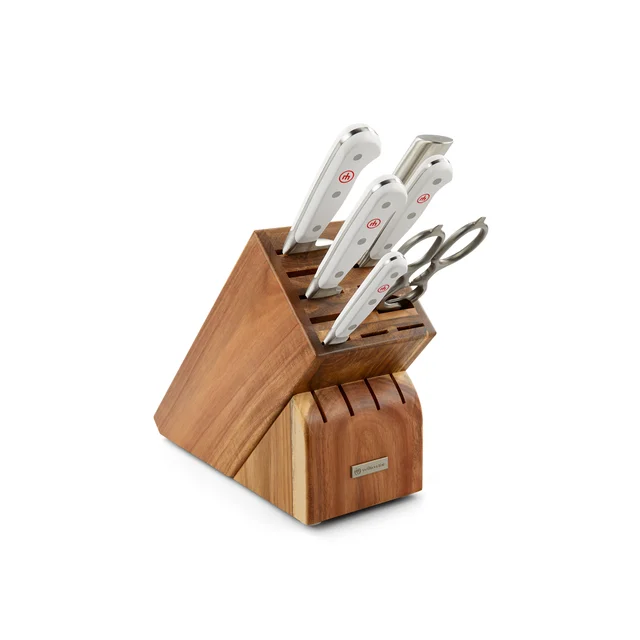
In this guide
A knife set is really just a handful of blades and a place to store them, but the market is built to make you overthink it. Most shoppers get pulled toward the biggest block on the shelf, assuming more pieces mean more value — when the opposite is usually true. This guide explains what the specs mean, which knives you'll genuinely use, and how to tell a set worth keeping for decades from one you'll replace in a year.
The 30-second version
- Count useful pieces, not total pieces. A chef's knife, a paring knife, and a serrated bread knife do almost all the work; steak knives and duplicate slicers are filler that pads the number on the box.
- Forged is heavier and holds an edge; good stamped cuts beautifully for less. Both are valid choices — what you want to avoid is a cheap forged set or a soft-steel budget block.
- Steel hardness is a trade-off, not a score. Harder steel stays sharp longer but is fussier to sharpen and more brittle; softer steel dulls sooner but comes back to a fine edge in minutes.
- The set is only as good as how you treat it. Hand-wash, hone regularly, and sharpen once or twice a year — the dishwasher is what quietly ruins most set knives.
- Handle feel beats any spec sheet. Grip, balance, and blade profile matter more day to day than any single number, so handle the knives if you possibly can.
What actually matters
- Piece selection — the value of a set lives in the two or three blades you reach for daily, not the piece count; a small set of good knives outperforms a big block of mediocre ones for years.
- Construction (forged vs stamped) — how the blade is made drives its weight, stiffness, and feel; forged blades are heftier and typically hold an edge longer, well-made stamped blades are lighter, cheaper, and cut cleanly.
- Steel and hardness — the type of steel and how hard it's tempered set the balance between edge retention and how easy the knives are to resharpen at home.
- Tang — how far the steel extends into the handle affects balance and durability; a full tang feels more solid and lasts longer than a short partial tang.
- Handle and balance — the material, shape, and where the weight sits determine whether long prep sessions feel controlled or tiring, and whether the grip stays secure with wet hands.
- Storage — a block, magnetic strip, or in-drawer tray should keep edges from knocking together and fit your space without wasting counter room on empty slots.
- Warranty and longevity — a lifetime-backed set you resharpen for decades is a very different purchase from a block you'll toss when the edges go dull and the handles loosen.
The specs, in plain English
Green flags vs red flags
Green flags
- Built around genuine essentials — a chef's knife, paring knife, and serrated bread knife — with maybe shears and a honing rod, rather than a long list of specialty blades.
- Clear construction and steel details stated plainly (forged or stamped, full tang, high-carbon stainless), not just adjectives like 'premium' and 'ultra-sharp'.
- A meaningful warranty, ideally lifetime, which signals the maker expects the knives to last and be resharpened for years.
- Handles described as textured or grippy and comfortable, and a block or storage that fits your space without a wall of empty slots.
- A modest, sensible piece count from a maker known for cutlery rather than a giant bundle from a general-goods brand.
Red flags
- A very high piece count (15, 18, 20+) where most of the extras are steak knives and duplicate blades padding the number.
- A low price paired with a big block — the savings almost always come out of the steel, which will dull fast and resist resharpening.
- Vague marketing steel like 'surgical-grade' or 'Japanese-style' with no actual steel type, tang, or construction stated.
- 'Dishwasher safe' pushed as a selling point; the dishwasher dulls and chips edges and loosens handles no matter what the label claims.
- Self-sharpening blocks marketed as a convenience — the built-in grinders remove metal every time you draw a knife and wear blades down prematurely.
- No honing rod or sharpening path in the picture, suggesting the set isn't really meant to be maintained.
Who's who: the brands
- Wüsthof - German maker known for classic precision-forged, full-tang knives built to be resharpened and kept for decades.
- Zwilling (Henckels) - Long-established German cutlery house whose forged lines use ice-hardened steel and modern bolster shapes.
- Victorinox - Swiss brand whose lightweight stamped blades and grippy handles are the value benchmark and a fixture in professional kitchens.
- Cuisinart - General kitchen brand whose big, affordable, high-piece-count blocks lean on filler and softer steel.
How to read a listing without getting fooled
Start by counting the pieces that earn their keep. Mentally strike the steak knives, duplicate slicers, and any single-purpose blade you can't imagine using, and ask whether the core three or four knives left over are worth the price on their own. Next, look for concrete construction language — forged or stamped, full tang, and a named steel like 'high-carbon stainless' — and treat pure adjectives ('premium', 'razor-sharp', 'surgical-grade') as marketing, not information. Note the country of origin and whether the maker is a cutlery specialist or a general housewares brand. Check that a honing rod is included and that the warranty is stated; both hint at whether the set is designed to be maintained and kept. Finally, read owner reports for the words that matter over time — how the edge holds, how easy it is to resharpen, and whether handles loosen — rather than first-impression 'so sharp!' reactions, which every new knife earns.
How much should you spend?
Think in tiers rather than dollars. At the budget end you're usually paying for piece count and a big block, and the money comes out of the steel — these look generous but dull fast and are a false economy for a kitchen you plan to keep. The mid tier is the value sweet spot: well-made stamped sets from cutlery specialists that arrive genuinely sharp, cut with the expensive ones, and resharpen quickly, all for a fraction of the premium price. The premium tier buys forged construction, harder or specially treated steel, and often a lifetime warranty; that's worth it if you cook often and will maintain the knives, because the warranty reframes the cost as a once-in-a-lifetime purchase. Spending more is not worth it when the extra money mainly buys more pieces, a fancier block, or brand cachet rather than better core blades. A short set of good knives almost always beats a large set of average ones at the same price.
Questions, answered
How many knives do I actually need in a set?
Realistically three: a chef's knife for the bulk of the work, a paring knife for small in-hand tasks, and a serrated bread knife that also handles tomatoes and citrus. A utility knife and a pair of kitchen shears are nice extras. Everything past that — extra slicers, duplicate blades, and a fistful of steak knives — is filler that raises the piece count without changing how you cook.
Is forged always better than stamped?
No. Forged blades are heavier, stiffer, and usually hold an edge longer, which suits people who want one set for decades. Well-made stamped blades are lighter, cheaper, and cut beautifully, and the better ones are what many professional kitchens rely on. The gap is smaller than the price difference suggests — a good stamped set beats a cheap forged one every time.
German or Japanese — which profile should I pick?
German-style knives are heavier with a curved edge and a wider, sturdier grind, so they're forgiving, durable, and good for rocking cuts — a safe default for most home cooks. Japanese-style knives are lighter and thinner with a harder, narrower edge, so they're keener for precise slicing but more delicate and fussier to sharpen. Neither is better overall; it depends on how you cut and how much upkeep you want.
Can I put knife-set blades in the dishwasher?
You shouldn't, whatever the box says. The heat, harsh detergent, and knocking against other items dull and chip edges and can loosen handles over time. Hand-wash and dry them right away, hone with the set's rod every few uses, and have them sharpened once or twice a year. Softer stamped steel needs sharpening a bit more often but responds to it quickly.
Are the big 15- and 18-piece block sets worth it?
Usually not. The high count is mostly steak knives, duplicate blades, and a larger block, and to hit a low price the maker uses softer steel that dulls faster and is harder to resharpen. You almost always get more real-world value from a three- or four-piece set in better steel than from a fully loaded budget block.
Related guides
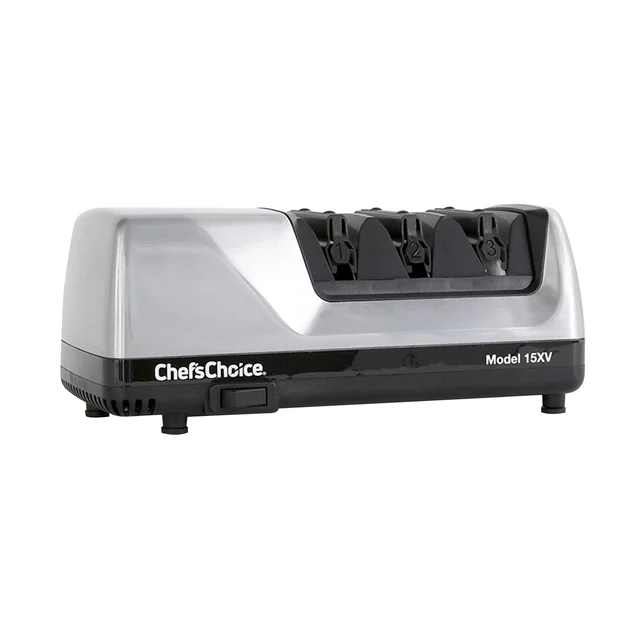 Knife Sharpeners After reading this you will understand how the main sharpener types differ, what grit and bevel angle actually mean, and how to match a sharpener to your knives and your patience.
 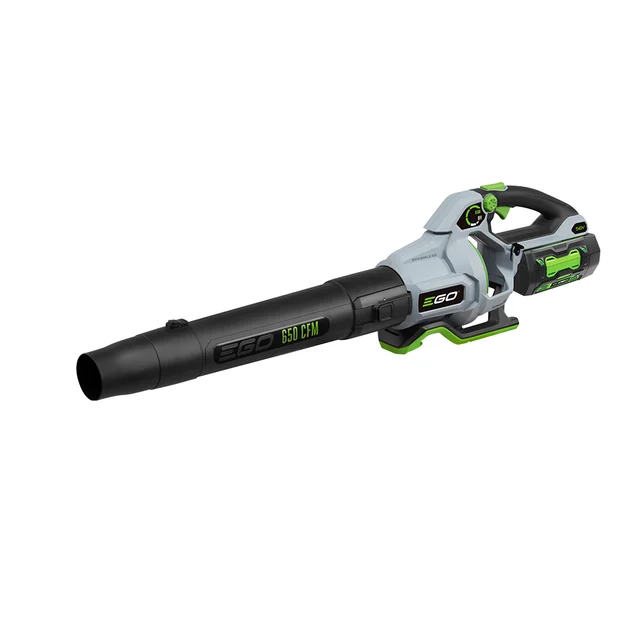 Cordless Leaf Blowers After reading this you'll know exactly which spec numbers matter, which are marketing fluff, and how to match a cordless blower to your yard and the batteries you already own.
 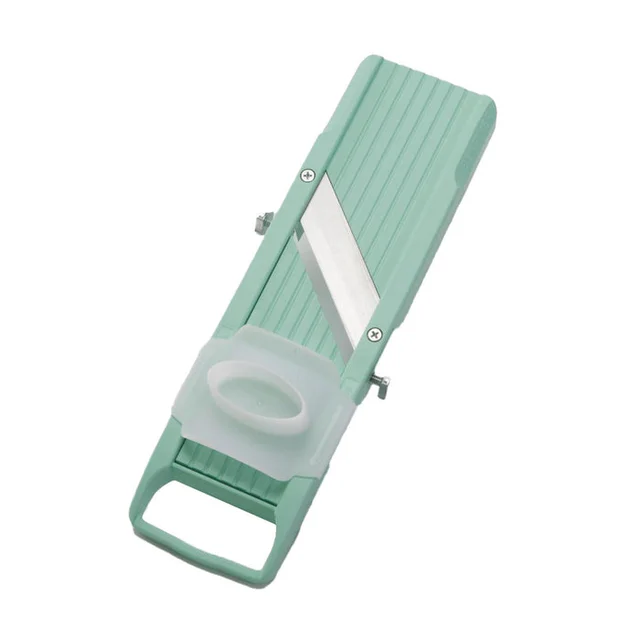 Mandoline Slicers After reading this you'll understand what makes one mandoline slice cleaner and safer than another, and which features actually matter for how you cook.
  Mattresses in a Box After reading this, you'll be able to look at any bed-in-a-box listing and know whether the construction, firmness, and safety net actually fit how you sleep - before you spend a dime.
 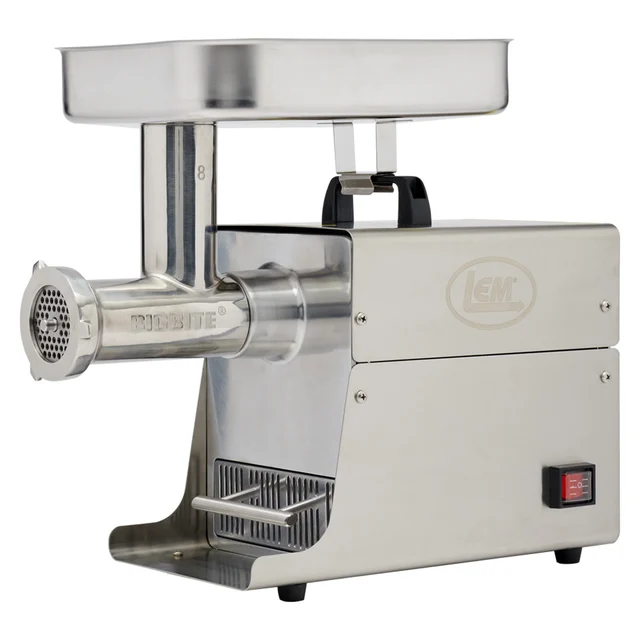 Meat Grinders After reading this you'll understand grinder sizing, motor and gear specs, and be able to pick the right meat grinder for your kitchen without overpaying.
 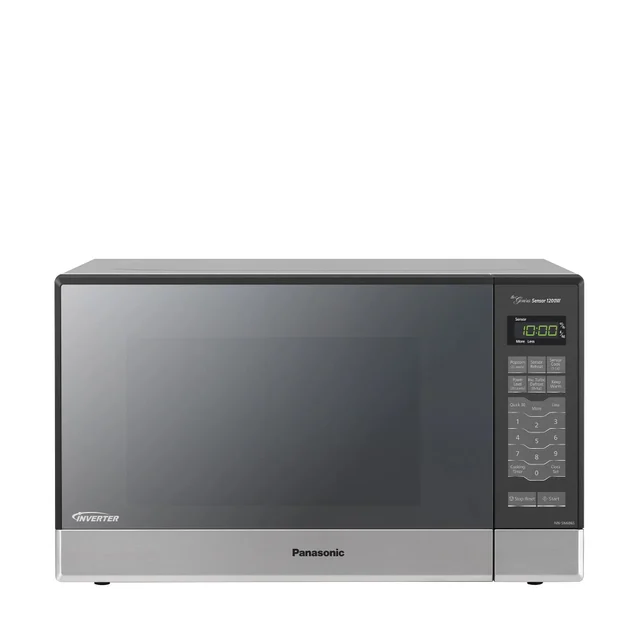 Countertop Microwaves After reading, you'll understand which microwave specs actually change your daily reheating and which are just numbers on a box.