

Explained
Kitchen Trash Cans, Explained
You'll know how to size a can, choose between a step pedal and a motion sensor, decode liner systems, and spot which specs are worth paying for.
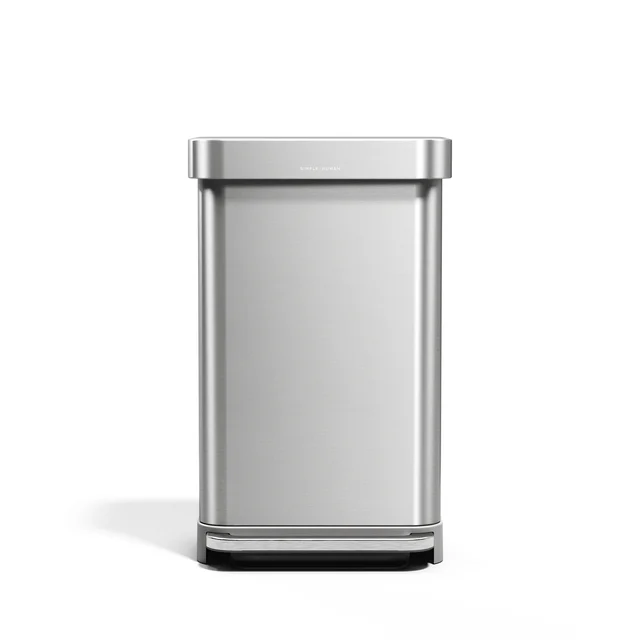
In this guide
A kitchen trash can looks simple, but you touch it a dozen times a day, so the small stuff, how the bag stays put, how the lid ages, whether the steel stays clean, adds up fast. Buyers usually get tripped up by capacity numbers that sound big but shrink under a counter, and by touchless features that either delight or drive you crazy depending on how the sensor is tuned. This guide explains the terms so you can match a can to your kitchen instead of guessing.
The 30-second version
- Match capacity to your household and your cabinet. A bigger number isn't automatically better if the can won't fit under the counter or slide beside the fridge, so measure the space before you shop.
- A foot pedal has almost nothing to break. Step cans need no power and stay shut against pets, while motion sensors add hands-free convenience but depend on batteries or a plug and a well-behaved sensor.
- The liner system decides how annoying bag changes are. A grippy rim and a built-in spare-bag pocket make swaps a five-second job, whether the can uses custom-fit liners or standard drawstring bags.
- Fingerprint-resistant steel is a real, worthwhile feature. A coated or brushed finish hides smudges so the can looks clean with far less wiping than bright mirror-polished steel.
- Dual-compartment recyclers earn their bulk only sometimes. Splitting the volume in two means each side fills faster and the unit takes more floor space, so one good can plus a separate recycling bin is often smarter.
What actually matters
- Capacity vs footprint — liters or gallons tell you how much a can holds, but usable volume for the floor and cabinet space it eats matters more; a tall can may hold plenty yet not fit under an overhang.
- Lid mechanism — a foot pedal versus a motion sensor is the biggest daily-experience decision; pedals are bulletproof and pet-proof, sensors are hygienic when your hands are messy but need power and good tuning.
- Liner retention — how firmly the can grips the bag and hides its edge determines whether liners slip down under a heavy load and how tidy the can looks day to day.
- Bag system — custom-fit liners fit snugly but cost more and lock you into one supplier, while standard-bag cans are cheaper to feed but fit looser.
- Finish — fingerprint- and dent-resistant steel keeps the can looking clean and dodges dents in a high-traffic corner, which plain polished steel can't.
- Pet and odor resistance — a lid that stays shut, a stable heavy base, and vents or filters keep curious pets out and smells in.
- Wall clearance — semi-round and rectangular shapes sit flush against a wall and reclaim floor space that a round can wastes.
The specs, in plain English
Green flags vs red flags
Green flags
- A grippy liner rim plus a built-in spare-bag pocket, so changes are fast and the bag stays hidden
- A high pedal press rating on step cans, or an adaptive sensor plus an AC-power option on touchless cans
- A soft-close, damped lid that lowers quietly rather than clanging shut
- A genuinely fingerprint- and dent-resistant finish that wipes clean
- A semi-round or rectangular shape that sits flush against a wall, and a wide, stable base
- A removable inner bucket for easy cleaning and to keep drips off the outer shell
Red flags
- Owner reports of a sensor that opens when you merely walk past or needs a second wave to trigger
- An AC adapter sold separately, or two motors running on disposable batteries that drain quickly
- No liner retention, so the bag droops, shows over the edge, and slides down inside
- A capacity number that sounds big but comes from a tall shape that won't fit under a counter
- Bright mirror-polished steel with no fingerprint coating, which shows every smudge
- A dual-compartment design chosen for one-bin needs, adding bulk and frequent bag changes for no real benefit
Who's who: the brands
- simplehuman - Premium specialist known for tidy liner-pocket systems, durable pedals, well-tuned sensors, and fingerprint-resistant steel.
- Ninestars - Value-focused maker of large-capacity touchless cans; a lot of can for the money, with more variable sensor and build quality.
- iTouchless - Touchless and dual-compartment cans aimed at recycling and sensor convenience at a mid-range price.
- Rubbermaid - Mainstream housewares brand with dependable, no-frills step and swing cans in plastic and steel.
- Brabantia - European maker of design-forward step cans with long warranties and its own fitted liner system.
How to read a listing without getting fooled
Start with the numbers that hide the truth. Capacity is measured to the brim, so a stated volume always fills less comfortably than it sounds, and a 'space-saving' tall can may not clear a counter overhang, measure your spot before trusting the liters. On touchless cans, read past 'smart sensor' marketing to whether owner reports describe it as reliable or twitchy, and check whether it runs on batteries, includes an AC adapter, or makes you buy that adapter separately. Look for the words that signal a real liner system, a grip rim, retention ring, or liner pocket, rather than a bare bucket you drape a bag over. Treat 'stainless steel' and 'fingerprint-proof' as different claims: only the latter has the coating or brushed texture that hides smudges. And if a listing leans hard on gadgetry (voice control, extra motors, split bins) ask whether those features solve a problem you actually have, because each one is another thing that can wear out.
How much should you spend?
Kitchen trash cans span a wide range, and what you pay for at the top is durability and fit-and-finish, not raw capacity. Budget cans get you a working lid and plenty of volume, but often with a looser bag fit, a less refined mechanism, and a sensor that's hit-or-miss. Stepping up buys a pedal or motor built to outlast the kitchen, a tidy liner system, a finish that stays clean, and, on touchless models, a sensor tuned not to misfire. The value sweet spot for most kitchens is a solid mid-tier step can, because a pedal has almost nothing to break and won't cost you anything to power. Spending more is worth it when you'll genuinely use hands-free opening every day or want a can you never think about for years; it's not worth it if you're paying a premium mostly for extra motors, split bins, or novelty features you won't use. Remember that custom-fit liners are an ongoing cost, so factor the bags, not just the can, into what you'll actually spend over time.
Questions, answered
What size kitchen trash can do I need?
Match it to how many people you feed and how often you want to empty it. A single person or couple is usually fine with a smaller can, while a family that cooks generates enough to justify a larger one so you're not changing bags every day. Just as important, measure where the can will live, under a counter, beside the fridge, in a corner, because a tall can with big stated capacity is useless if it won't fit the space.
Are step cans or touchless sensor cans better?
Step cans have almost nothing to break: no motor, no batteries, and a pedal that keeps the lid shut against curious pets. Touchless sensor cans are more hygienic when your hands are full or messy, but they need power and a well-tuned sensor to avoid false openings. Choose a step can for maximum reliability; choose a good sensor can if hands-free opening during cooking matters most.
What are custom-fit liners and are they worth it?
Custom-fit liners are bags sized to a specific can so they fit snugly, don't slip down inside, and hide neatly under the rim; on cans with a built-in liner pocket you can store a spare roll inside and pull a fresh bag straight up when you empty it. They cost more than generic bags and tie you to one supplier, but many owners find the tidier fit and faster changes worth it. Cans that take standard drawstring bags save money at the expense of a looser fit.
How do I keep pets out of the trash and cut down on smell?
A step can is the most pet-proof option because the lid only opens when the pedal is pressed, and a soft-close, weighted lid resists being nosed open; a heavy, wide base is also harder to tip. If you prefer touchless, look for an adaptive sensor that reacts only to a deliberate hand wave. For odor, a lid that seals well plus a replaceable charcoal or vent filter helps trap smells, and a removable inner bucket lets you wash away the residue that actually causes them.
Does fingerprint-proof stainless steel really stay clean?
Fingerprint-resistant finishes use a coating or brushed texture that hides smudges and oils far better than plain polished steel, so day to day the can looks cleaner and needs wiping less often. It isn't magic, heavy grease or a wet hand can still leave a mark, but it comes off with a damp cloth. If a spotless look matters to you, it's a feature worth prioritizing over bright mirror-polished steel.
Is a dual-compartment can the best way to handle recycling?
A dual-compartment can is convenient because trash and recycling sit side by side, but each half holds only about half the total, so both fill and need emptying more often, and the unit takes more floor space. Many kitchens are better served by one good trash can plus a separate, larger recycling bin, which is simpler to empty and power. Choose a combo unit only if counter and floor space are tight and you value having both in one place.
Related guides
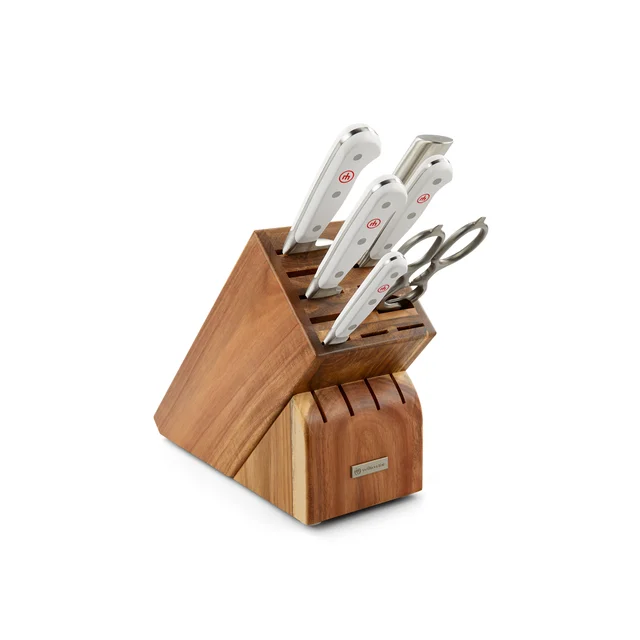 Kitchen Knife Sets After reading, you'll know which pieces a set actually needs, how to read the steel and construction claims, and how to spot a block padded with filler.
 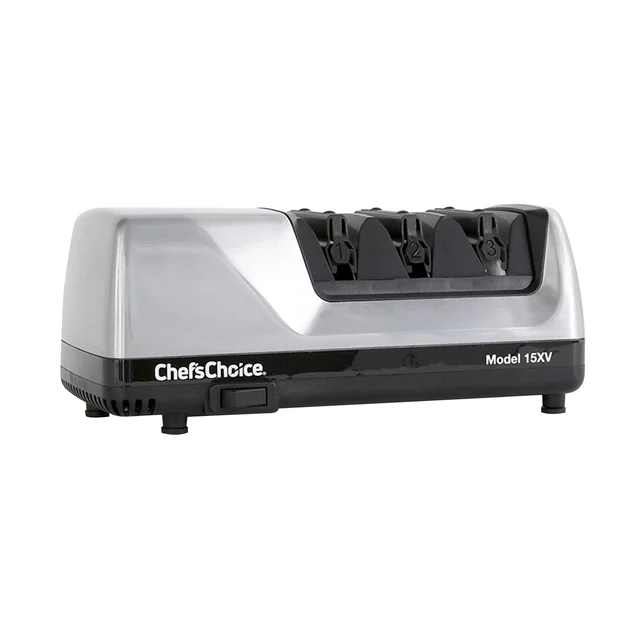 Knife Sharpeners After reading this you will understand how the main sharpener types differ, what grit and bevel angle actually mean, and how to match a sharpener to your knives and your patience.
 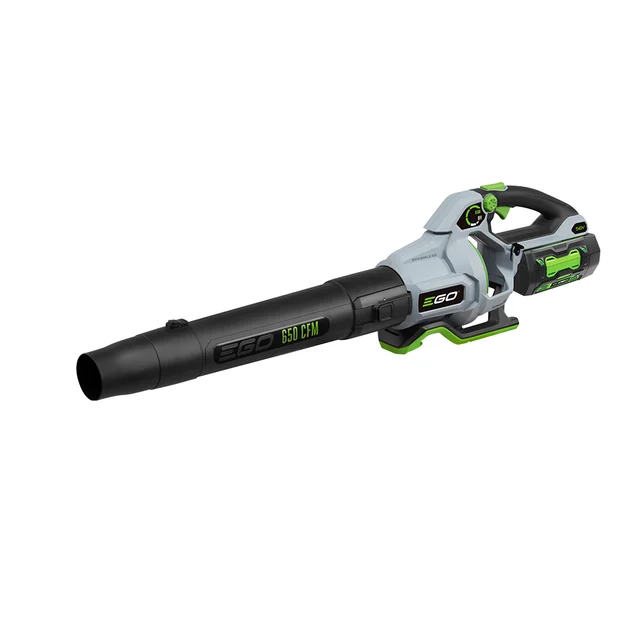 Cordless Leaf Blowers After reading this you'll know exactly which spec numbers matter, which are marketing fluff, and how to match a cordless blower to your yard and the batteries you already own.
  Mandoline Slicers After reading this you'll understand what makes one mandoline slice cleaner and safer than another, and which features actually matter for how you cook.
  Mattresses in a Box After reading this, you'll be able to look at any bed-in-a-box listing and know whether the construction, firmness, and safety net actually fit how you sleep - before you spend a dime.
  Meat Grinders After reading this you'll understand grinder sizing, motor and gear specs, and be able to pick the right meat grinder for your kitchen without overpaying.