Explained
Kids Metal Detectors, Explained
After reading, you will understand what weight, frequency, coil size and waterproofing mean, and how to tell a real kids detector from a toy.
In this guide
Metal detector listings are full of numbers that sound precise but are not comparable. A toy may quote a depth in centimeters, a real detector may quote a frequency in kilohertz, and a waterproof label can mean the coil only or the whole machine. First-time buyers also confuse kid-sized detectors with adult beginner machines that happen to be light. The sections below cover the terms that matter and the ones to ignore.
The 30-second version
- Weight matters most for kids, so compare the maker's stated weight and ignore shipping weight.
- A waterproof coil is not a waterproof machine, so look for an IP rating if you want the whole unit in water.
- Target ID keeps kids digging, because a display that rejects nails cuts the junk finds that cause boredom.
- A kid-sized detector and a beginner detector are different things, so decide whether you want a small toy or a machine your child can grow into.
- Missing specs are a signal, so treat a page with no frequency, weight or age grade with caution.
The products this guide is about
Our verdict on each, with the full reasoning on the companion review.
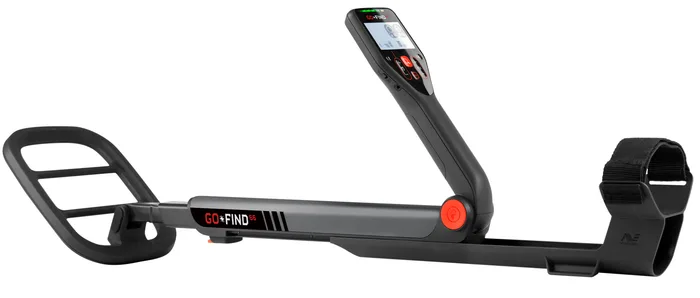
- Buy Minelab GO-FIND 66 A light, collapsible beginner detector with a waterproof coil, a simple display and the extras already in the box. Amazon
- Buy Bounty Hunter Junior T.I.D. A true kids detector at a stated 1.5 lb with an adjustable shaft, a target-ID display and a low-battery indicator. Amazon
- Buy Garrett ACE 200i A simple, American-made entry machine with a 0 to 99 target ID, three search modes and a 3-year warranty.
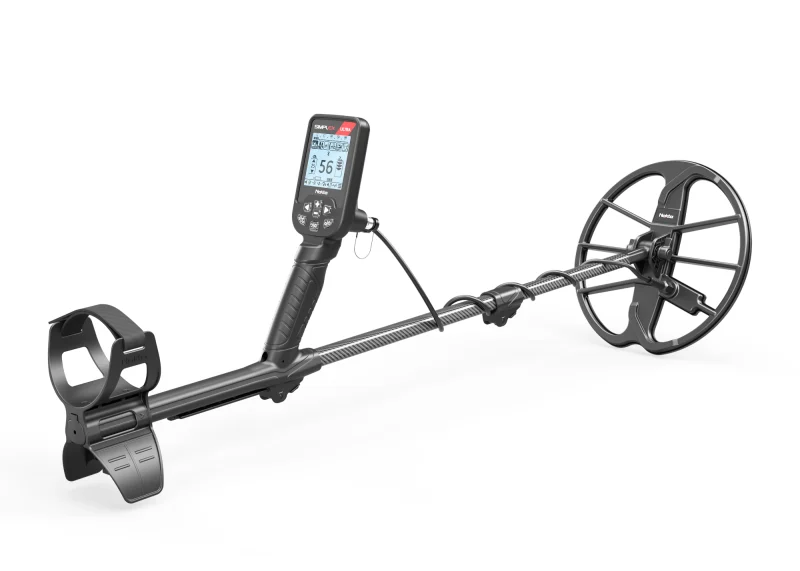
- It depends Nokta Simplex Lite A fully submersible, USB-rechargeable machine with a shaft that retracts to 63 cm for a child who will keep the hobby. Amazon
- It depends Quest X5 IDMAXX A 1.1 kg, 12 kHz single-frequency beginner machine with a waterproof 9 x 5 inch coil and a collapsible shaft.
- Skip National Geographic Kids Metal Detector A toy-class detector rated by its maker for ages 8 and up, with a 12 cm depth ceiling and a 9 V battery you must supply.
What actually matters
- Weight - a child tires quickly, so a lighter machine means longer hunts. Use the weight on the maker's page, not the shipping weight.
- Shaft range - the shaft sets whether the coil reaches the ground at the child's height. Look for a published extended and collapsed length.
- Waterproofing - the label can mean the coil, the control box or the whole machine. An IP rating, like IP68, is the clearest statement.
- Target ID - a number or segment display that shows the type of metal. It helps a child decide whether to dig.
- Discrimination - the ability to ignore chosen metals like iron. Without it, every nail triggers a dig.
- Power source - AA batteries are easy to swap, while built-in Li-Po batteries charge by USB and can run flat on a trip.
- Warranty - a longer stated term helps with drops, which are common with young users.
The specs, in plain English
Green flags vs red flags
Green flags
- A weight stated on the maker's own page
- A published shaft range or collapsed length
- An IP rating or a clear statement of what is waterproof
- A target-ID display, discrimination or both
- A stated warranty term and batteries in the box
Red flags
- No frequency, weight or battery type on the page
- A depth claim with no stated test conditions
- A battery that is required but not included
- A waterproof label with no detail on the control box
- Photos of a different model or a box instead of the machine
Who's who: the brands
- Minelab - Sells the GO-FIND series, which its page describes as built for new detectorists.
- Garrett - A US maker that states every detector carries a 3-year limited warranty.
- Bounty Hunter - Sold through First Texas Products, with a Junior line described as designed for kids.
- Nokta - Sells the Simplex line, which its page describes as fully submersible with a USB-charged battery.
- Quest - Sells compact detectors, and lists the X5 IDMAXX as shipping from its factory warehouse in China.
How to read a listing without getting fooled
Start with weight, shaft range and waterproofing, because they decide whether a child will use the machine. Then check what the page does not say. If frequency, battery type or age grade is missing, the maker has not published it, so do not assume. Treat depth claims carefully: a toy may quote centimeters in ideal conditions, and a real detector usually quotes depth by target size. Finally, compare what is in the box, since earbuds, a digging tool or batteries can change the real cost.
How much should you spend?
Kids detectors fall into three tiers. The budget tier is toys and kid-specific machines like the National Geographic model and the Bounty Hunter Junior T.I.D. The mid-range tier holds light beginner machines like the Minelab GO-FIND 66, Garrett ACE 200i, Nokta Simplex Lite and Quest X5 IDMAXX. The premium tier is adult enthusiast machines, which a child rarely needs. Paying mid-range usually buys full waterproofing, better target feedback and a longer warranty, but a younger child may get more use from a budget kid-specific machine.
Questions, answered
Can a kids metal detector find real coins?
Yes, within limits. The Bounty Hunter Junior T.I.D. states a depth for coin-sized items of up to 6 inches, and the National Geographic Kids Metal Detector states up to 12 cm. Depth depends on soil, target size and the machine, so a coin may be found at half the quoted figure. Nothing in these specs promises a valuable find.
Should a child use a metal detector near water?
Only with an adult, and only after reading what the maker lists as waterproof. Nokta rates the Simplex Lite IP68 to 5 m, while the Bounty Hunter page says its control box is not waterproof. Keep a child in shallow water and out of surf, and follow the maker's instructions.
Do I need a pinpointer for a first detector?
Not at the start. Minelab lists a Pinpoint Mode and Quest lists pinpoint on the machine itself. A separate pinpointer is a later upgrade for kids who dig a lot. A small hand trowel is more useful on day one.
Is it legal to detect in parks and on beaches?
Rules differ by place, and Bresser's page tells buyers to check local rules before heading out. Many parks, historic sites and protected areas restrict or ban detecting, and private land needs permission. Ask the local authority or landowner, and have an adult confirm before the first dig.
Or jump to the head-to-head: Minelab GO-FIND 66 vs Bounty Hunter Junior T.I.D..