Explained
Kids Electric Scooters, Explained
After reading, you'll understand the rider limits, speed, range and safety wording on a kids electric scooter listing.
In this guide
First-time buyers often compare top speed and price and miss the limits that matter more. A scooter can list ages 8 and up yet cap rider weight at 120 lb. Safety wording varies from 'certified' to 'tested to', and the claims are not the same. Range figures are usually measured under ideal conditions, and one maker's page can contradict itself. This guide covers the terms that appear on maker pages.
The 30-second version
- Rider limits first, because age and weight limits decide how long a child fits the scooter.
- Preset speed modes help beginners, since a child can start slow and move up.
- UL 2272 covers the electrical system, not braking or how the scooter rides.
- Range is a best case, and a heavier rider or hills will shorten it.
- Read the maker's exact words, because 'in accordance with' and 'certified compliant' are different claims.
The products this guide is about
Our verdict on each, with the full reasoning on the companion review.
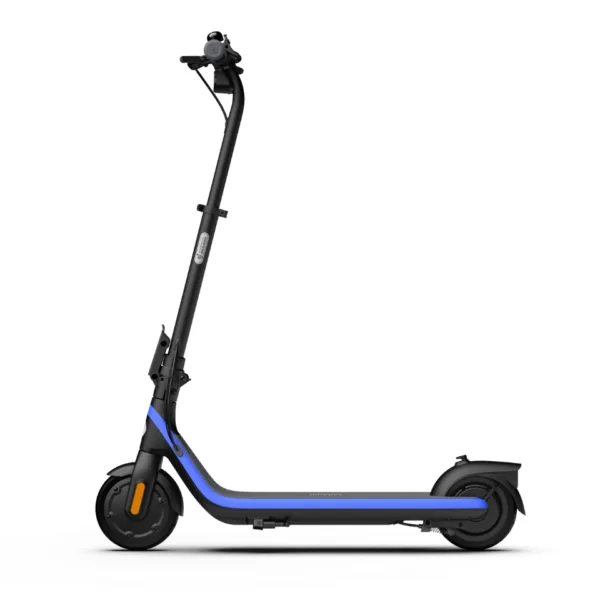
- Buy Segway-Ninebot Segway Ninebot eKickScooter C2 Pro The only scooter in this field that lets a parent cap the speed in an app, with three handlebar heights and a mechanical drum brake. Amazon
- Buy Gotrax Xoom Plus A light, foldable aluminum scooter for ages 6 and up with an adjustable handlebar and a 132 pound limit.
- Buy Jetson Relay A first scooter for ages 8 and up with three preset speed modes of 5, 8 and 10 mph, so a parent can start slow.
- It depends Gyroor H40 The most scooter for a taller kid: 180 W, a 143 lb limit, 7 inch tires and three handlebar heights up to 39.4 in. Amazon
- It depends Hover-1 My First E-Scooter A three-wheel trainer for the youngest riders, with an 80 lb limit and a very low top speed.
- Skip Razor E100 A long-running Razor model that is heavy, chain-driven and still on a lead-acid battery.
What actually matters
- Weight limit - the heaviest rider the maker permits. A child near the limit will outgrow the scooter soon, so leave room.
- Age guidance - the maker's recommended age. Follow it, and check height guidance too when a maker gives one.
- Top speed - the maximum the scooter reaches. Preset modes or an app cap let a parent lower it.
- Range - distance or run time on a charge. Makers measure at ideal conditions, so expect less in real use.
- Brake type - drum, electronic, foot or caliper. Check which the maker lists and whether the child can reach the control.
- Wheel type - solid, hollow or pneumatic. Solid and hollow tires cannot go flat but ride harder.
- Battery chemistry - lithium-ion packs are lighter than the sealed lead-acid batteries on the Razor E100.
The specs, in plain English
Green flags vs red flags
Green flags
- A maker page that lists age, weight limit and speed in one spec table
- Preset speed modes or a parent speed cap
- A UL 2272 line with clear wording about who certified or tested
- A listed brake type and wheel type
- A warranty period stated on the page
Red flags
- Age or speed that differs between parts of one page
- No weight limit published
- A safety claim with no standard named
- Range given only in marketing phrases
- No brake type listed anywhere
Who's who: the brands
- Segway-Ninebot - Known for kick scooters sold worldwide, with a kids line that adds an app speed cap.
- Gotrax - A budget-focused US brand with a wide range of kids scooters and hoverboards.
- Jetson - Sells kids electric and kick scooters through big retailers, with preset speed modes on the Relay.
- Razor - Maker of the original mass-market electric scooters, now with kids models like the E100.
- Hover-1 - Sells hoverboards and e-scooters, including a three-wheel trainer for small children.
How to read a listing without getting fooled
Start with the spec table and read it top to bottom: age, weight limit, top speed, range, weight, brake and wheels. Then read the description and check it against the table, because some pages quote two numbers for one spec. Look for the exact safety wording, who tested it, and whether it names a standard. Treat range as a best case and compare weight limits to your child's current weight, not an average.
How much should you spend?
Kids electric scooters sit across the budget and mid-range tiers. The budget tier covers the Gotrax Xoom Plus, the Gyroor H40 and the Hover-1 trainer. The mid-range tier covers the Segway C2 Pro, Jetson Relay and Razor E100. Higher prices here buy a speed cap, more weight capacity or a longer warranty rather than more speed. A premium price does not guarantee a stated certification, so check each page.
Questions, answered
Do kids electric scooters fold?
Gotrax lists a folding frame on the Xoom Plus and Jetson lists a folded size for the Relay. Hover-1 also lists a folded size for its trainer. The Segway C2 Pro page checked does not state folding. Check the folded dimensions and weight, since you will lift it into a car.
What is kick-to-start?
Razor lists it for the E100. The rider pushes off first, and only then does the motor engage. Check each manual for how it works.
Can a parent limit the speed?
On the Segway C2 Pro, the Segway-Ninebot app lets a parent set a maximum speed, and the scooter beeps when it is exceeded. Jetson's Relay and Gyroor's H40 list preset speed modes the rider chooses. Gotrax and Razor list a single top speed on the pages checked.
Are the batteries removable?
The pages checked do not say whether the batteries are removable, so check the manual. Gyroor lists a 6 month battery warranty and Razor lists sealed lead-acid batteries with a charger included.
Or jump to the head-to-head: Segway-Ninebot Segway Ninebot eKickScooter C2 Pro vs Gotrax Xoom Plus.