Explained
Kids Audio Players, Explained
After reading, you'll understand how each content model works, what it costs over time, and which features matter at each age.
In this guide
First-time buyers usually compare the players and forget the content. Each system has its own way of buying stories, from cards to figures to app catalogs, and that choice shapes what you spend for years. Age ranges also vary more than the cute designs suggest, and some players need Wi-Fi for setup and downloads even though they are sold as screen-free.
The 30-second version
- The content model matters more than the box, because cards, figures and catalogs each cost money over time.
- Own-audio features extend a player's life, letting you add recordings or files once bundled stories get old.
- Screen-free does not always mean offline, since many players need Wi-Fi to set up and download audio.
- Age ranges differ widely, from tonies' 1 and up to Lunii's 3 to 8.
- Volume limits protect young ears, and the WHO advises staying below 60% of maximum.
The products this guide is about
Our verdict on each, with the full reasoning on the companion review.
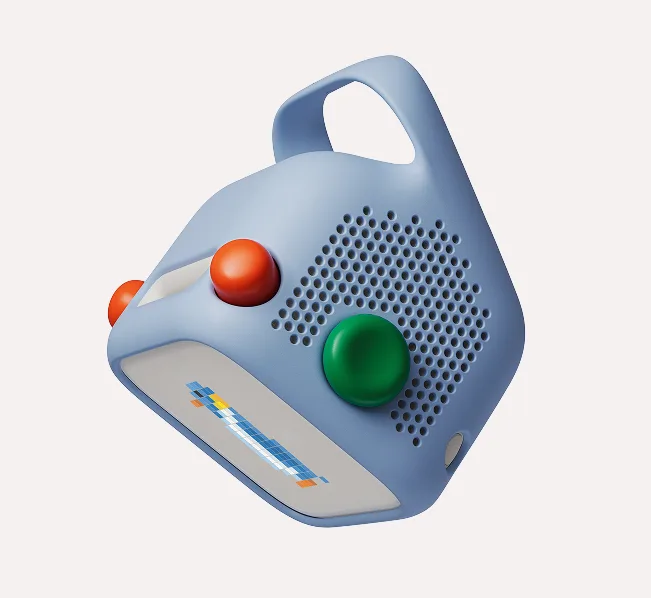
- Buy Yoto Player (4th Gen) A card-based audio player with a night light, okay-to-wake clock and room for your own recordings.
- Buy Lunii My Fabulous Storyteller A choose-your-story audio box for ages 3 to 8, with Wi-Fi switched off while kids listen.
- It depends tonies Toniebox 2 A soft, squishy figure-based player that tonies designs and tests for ages 1 and up.
- Skip Little Tikes Story Dream Machine Dr. Seuss Starter Pack A story projector with narration that runs on AA batteries and ships with only three stories.
What actually matters
- Content model - Cards, figures, app catalogs and cartridges each lock you into one store. Check what a new story costs before buying the player.
- Own recordings - Make-your-own cards, Creative Tonies or app recording let family voices and your own files play. This keeps the player useful for years.
- Age guidance - Makers state minimum ages, and some, like tonies, design for 1 and up. Toddlers need controls they can use without help.
- Battery and charging - A rechargeable battery with a published runtime is easier to live with. Disposable AA batteries add ongoing cost.
- Storage - More storage means more downloaded audio available offline. It matters for car trips and travel.
- Volume and headphones - Adjustable volume limits and headphone options protect hearing. Check that limits apply to both speaker and headphones.
- Bedtime features - Night lights, sleep timers and okay-to-wake clocks can replace a separate gadget. They also make the player part of a routine.
The specs, in plain English
Green flags vs red flags
Green flags
- A way to add your own recordings or audio files.
- A published battery life and rechargeable USB-C battery.
- Adjustable volume limits for speaker and headphones.
- A clear age range from the maker.
- Plenty of storage for offline listening.
Red flags
- A box sold without any content included.
- Disposable batteries as the only power source.
- No battery life or storage figure published.
- Every new story requires a new physical purchase.
- No way to add your own audio.
Who's who: the brands
- Yoto - Known for card-based players with a large card library, its own podcasts and radio, and Make Your Own Cards.
- Lunii - A French brand known for choose-your-own-story audio boxes for ages 3 to 8.
- tonies - Known for the Toniebox and its collectible character figures, designed for toddlers and up.
- Little Tikes - A toy maker known for preschool toys, including the Story Dream Machine projector.
How to read a listing without getting fooled
Start with what is included in the box: a player alone, or a player with cards, figures or stories. Then find the content model and what a new story costs, because that is the long-term spend. Check the stated age range, battery life and whether the battery is rechargeable. Look for storage size and whether audio plays offline. Finally, read the parent features: app controls, volume limits, headphone support and any recording feature. If a listing leaves out battery life or what is included, assume the worst until the maker says otherwise.
How much should you spend?
Budget storytellers ($ · budget) usually come as toy-style starter packs with a few stories and disposable batteries, and new content means new cartridges. Mid-range players ($$ · mid-range) add rechargeable batteries, app catalogs and the option to record your own stories. Premium players ($$$ · premium) bring large libraries, bedtime features like night lights and clocks, and more storage, but the box may ship without any content. Whatever the tier, add the cost of the cards, figures or audiobooks you expect to buy in the first year.
Questions, answered
Is a kids audio player better than a phone or tablet for stories?
An audio player lets kids choose and control their own listening without a screen, which is the main reason parents buy one. It also avoids handing a young child a device with apps, ads and video. Most players still use a parent's phone app for setup and content. Keep the phone for setup and let the player handle the listening.
Can siblings share one audio player?
Yes, but content and settings are shared too. On card or figure players, each child can keep their own cards or figures. Volume limits and bedtime settings apply to the whole player. For siblings far apart in age, a player with a broad library and your own recordings usually works better.
Do these players work without Wi-Fi?
Mostly yes, once audio is downloaded. Yoto needs Wi-Fi the first time a card plays, and streaming radio and podcasts need a connection. Lunii uses Wi-Fi to transfer stories and turns it off while kids listen. Plan downloads before a trip.
What age is right for a first audio player?
It depends on the player's design. tonies says Toniebox 2 is designed and tested for kids aged 1 and up, while Yoto lists ages 3 and up and Lunii aims at 3 to 8. Younger children can still listen with a parent handling the device. Choose controls your child can use alone.
Or jump to the head-to-head: Yoto Player (4th Gen) vs Lunii My Fabulous Storyteller.