

Explained
Hedge Trimmers, Explained
After reading, you'll understand every spec on a hedge trimmer's box and know which ones actually decide whether it can handle the hedges you have.
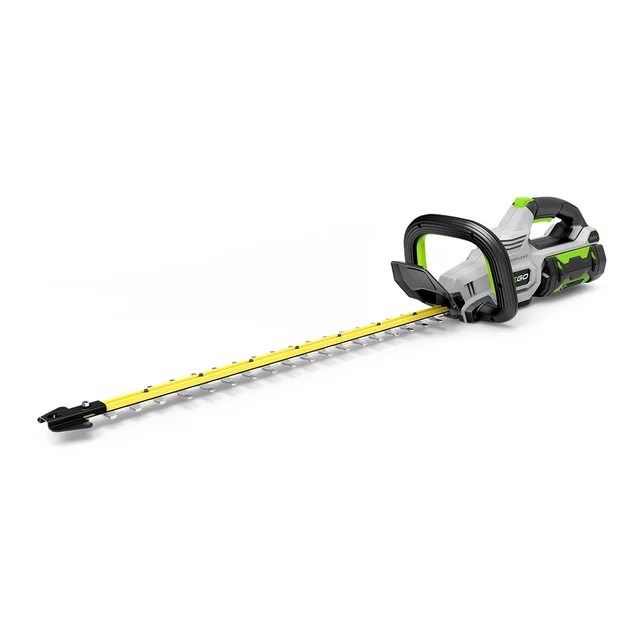
In this guide
Hedge trimmers are the tools that shape hedges, bushes, and shrubs with a long toothed blade, and they are a different animal from the string trimmers you use for grass and weeds. They split into three power types (corded electric, cordless battery, and gas) and their real-world usefulness comes down to one under-advertised number: how thick a branch the blades can actually cut. This guide untangles cut capacity, blade length, battery jargon, and the safety and comfort features that decide whether a session feels easy or exhausting.
The 30-second version
- Cut capacity is the number that matters most. It tells you the thickest branch the blades can bite through, and an underpowered trimmer that stalls on a thumb-thick stem will frustrate you no matter how nice everything else looks.
- Power type is really a trade-off between freedom and muscle. Corded gives endless runtime but a leash, cordless gives freedom that now rivals gas for most yards, and gas keeps its edge only for all-day professional work on the thickest overgrowth.
- Blade length and weight pull in opposite directions. A longer blade clears long, flat hedge runs in fewer passes, but the tool is usually heavier and more tiring, especially overhead, so pick for your hedges and your stamina.
- On cordless, buy the battery platform, not just the tool. Voltage roughly tracks power and Amp-hours track runtime, and staying on a battery system you already own saves real money, but only if that platform's trimmer is strong enough for your hedges.
- Safety features are not marketing fluff. A two-hand switch, a fast blade brake, and a comfortable wraparound handle genuinely lower the risk on a tool with an exposed row of moving teeth.
What actually matters
- Cut (tooth-gap) capacity - the maximum branch thickness the blades can chew through, set by how wide the gap between the teeth is. Aim higher for established privacy hedges and woody stems; a small capacity only suits soft, regularly trimmed growth.
- Power type (corded vs cordless vs gas) - corded electric is light and never runs out but tethers you to an outlet and cord length; cordless is the popular default with real freedom and, on higher-voltage models, near-gas power; gas is loudest, heaviest, and needs fuel and upkeep but wins on sustained heavy-duty work.
- Blade length - how long the cutting bar is, which sets how much hedge you clear per pass. Longer suits big, flat, tall hedges; shorter is lighter and easier to control for detailed shaping and tight spaces.
- Single- vs dual-action blades - dual-action blades move both cutting bars against each other, which cuts faster and with far less vibration than an older single-action design where only one bar moves.
- Weight and balance - the single biggest fatigue driver in owner reports. A well-balanced trimmer feels lighter than its number suggests, and balance matters even more when you lift the tool overhead.
- Battery platform, voltage, and Amp-hours (cordless) - voltage is a rough proxy for cutting muscle, Amp-hours (Ah) is the fuel-tank size that drives runtime, and the platform is the family of batteries and chargers you commit to across all your yard tools.
- Handles and safety features - a rotating or wraparound front handle keeps your wrist comfortable when cutting vertical faces and angles, while a two-hand trigger and a blade brake that stops the teeth fast are core safety hardware.
The specs, in plain English
Green flags vs red flags
Green flags
- A stated cut capacity that comfortably matches or exceeds the thickest branches on your hedges
- Dual-action blades and, on cordless, a brushless motor for faster, lower-vibration cutting
- A battery voltage and included Amp-hour pack that suit both the power and the runtime your yard needs
- A rotating or wraparound handle plus a fast blade brake and two-hand safety switch
- Sensible weight and good balance, confirmed by long-term owner reports rather than the spec sheet alone
- A cordless model on a battery platform you already own or want to build out across other tools
Red flags
- No cut capacity listed, or a very small tooth gap dressed up with a long, impressive-sounding blade
- A low-voltage cordless tool that owners report bogs down or stalls in anything but thin twigs
- A big runtime claim measured on a large battery when only a small pack is in the box
- A heavy or nose-heavy design that reviewers flag as tiring, especially for overhead work
- An older single-action blade sold at the price of a smoother dual-action rival
- A one-off battery platform with few other tools or expensive, hard-to-find replacement packs
Who's who: the brands
- EGO - Cordless-focused brand whose higher-voltage platform is known for near-gas power and strong homeowner hedge tools.
- Milwaukee - Professional-grade cordless maker; its trimmers lean toward high cut capacity, metal gear cases, and pro-duty runtime.
- DeWalt - Broad cordless platform popular with owners who already have its batteries; trimmers favor light weight and clean, precise cuts.
- Ryobi - Budget-friendly, huge shared battery ecosystem; capable for light shrub work but its lower-voltage tools run out of muscle on thick growth.
- Makita - Respected cordless and gas maker known for reliable, well-balanced tools across homeowner and professional lines.
How to read a listing without getting fooled
Ignore the headline blade length and find the cut capacity first, because a 24-inch blade with a small tooth gap is still helpless against a thumb-thick branch. Match that capacity to the actual stems on your hedges, not to the biggest number available. For cordless tools, read voltage as a rough power rating and Amp-hours as runtime, then check which size battery is included rather than the large one used in the marketing runtime claim; a headline number measured on a pack you don't get is meaningless. Confirm the blades are dual-action for smoother cutting, and treat weight as a comfort spec, not a footnote, since balance and heft are the number-one fatigue complaint in owner reports. Finally, look past the tool to its battery platform: staying on a system you already own saves money, but only if that platform's trimmer is genuinely strong enough for your yard.
How much should you spend?
How much to spend tracks how thick and how big your hedges are, not how fancy the tool looks. The value sweet spot for most homeowners sits in the mid-range, where a cordless trimmer with dual-action blades, a brushless motor, and a cut capacity around a thick stem handles established hedges without professional pricing. Spending up to the premium and flagship tiers is justified when you face dense, woody, overgrown, or high-volume hedges and need the extra cut capacity, metal gearing, and long pro-duty runtime that only the top tools deliver. It is harder to justify top pricing for a light, small-capacity trimmer aimed at soft growth. Going too cheap is usually a false economy: the lowest-voltage tools bog down in the very growth people buy a trimmer to tame, so if your hedges are anything past thin twigs, the bottom of the market costs you every session. If you already own a battery platform, staying on it lowers the effective price by sparing you new batteries and chargers, provided that platform's trimmer has the power your hedges demand.
Questions, answered
What is the difference between a hedge trimmer and a string trimmer?
A hedge trimmer uses a long, flat toothed blade to shape hedges, bushes, and shrubs, cutting woody stems cleanly. A string trimmer (weed eater) spins a nylon line to cut grass and weeds along edges and fences. They are not interchangeable: use a hedge trimmer for bushes and a string trimmer for grass.
How do I know what cut capacity I actually need?
Cut capacity is the thickest branch the blades can cut. For soft, regularly trimmed growth, a smaller capacity is plenty. For established privacy hedges, or shrubs you have let get away from you, look for a larger capacity that can close on a thick, woody stem. Buying more capacity than your softest guess is cheap insurance against a trimmer that stalls.
Is cordless powerful enough, or do I still need gas?
For most residential hedges, cordless is now enough. Higher-voltage battery models cut roughly as thick as many gas units and are quieter, lighter to start, and lower-maintenance. Gas keeps a real edge only for full-day, high-volume professional work on the thickest overgrowth, and even that gap keeps closing each year.
Should I just buy whatever matches the batteries I already own?
It is a strong factor but not the only one. Staying on your existing platform saves real money on batteries and chargers. But if that platform's trimmer is underpowered for your hedges, the savings are false economy and you will fight the tool every time. Match the trimmer to your hedges first, then to your batteries.
Does blade length or weight matter more?
It depends on your hedges and your stamina. A longer blade clears long, flat runs faster in fewer passes, but the tool is usually heavier and more tiring, especially overhead. A shorter, lighter trimmer is easier to control for detailed shaping and extended reach. Independent testing and owner reports consistently flag weight and balance as the main fatigue driver on longer sessions.
How do I use a hedge trimmer safely?
Treat it as a serious cutting tool. Use both hands and the two-hand safety switch, keep the blade below shoulder height when you can, and wear eye protection and gloves. Never trim near overhead power lines, and check the hedge for hidden wire, cords, or nesting birds first. A fast blade brake that stops the teeth when you release the trigger adds a margin of safety but does not replace careful technique.
Related guides
 Home Safes After reading, you will know exactly what a home safe protects against, how to read its ratings, and why bolting it down matters more than the marketing.
  Ice Cream Makers After reading, you'll understand the two main machine types, what churn quality and capacity really mean, and which features are worth paying for versus marketing fluff.
  Immersion Blenders After reading this you will know which immersion blender specs actually matter, which are marketing noise, and how to spot a model that will last.
  Instant-Read Meat Thermometers After reading, you will understand exactly which specs make an instant-read thermometer worth buying and which are just marketing noise.
  Juicers After reading this you'll understand the difference between cold-press and centrifugal juicers and know exactly which specs actually matter for the juice you want to drink.
  Digital Kitchen Scales After reading this you will know exactly which specs on a kitchen scale matter for your cooking and which are just marketing.