Explained
Heart Rate Monitors, Explained
After reading this you'll know why a chest strap or armband beats a wrist tracker, what the spec-sheet terms mean, and how to pick the monitor you'll actually keep wearing.
In this guide
A heart rate monitor is a dedicated sensor you wear to track your pulse while you train, and it reads far more accurately than the tracker on your wrist. The two forms are chest straps, which read your heart's electrical signal, and optical armbands, which read blood flow through your skin. Most first-time buyers get tripped up by connectivity jargon and by assuming a comfier armband must be just as accurate as a strap for everything, which isn't quite true.
The 30-second version
- A dedicated monitor beats a wrist tracker. If you train by heart rate, a chest strap or arm-worn optical sensor is generally more accurate than a watch-on-the-wrist reading, especially during hard efforts.
- Chest strap for accuracy, armband for comfort. Straps are the sharpest during intervals and sprints; optical armbands trade a sliver of that precision for a lot more comfort and no electrodes to wet.
- Connectivity is what makes it useful. The monitor only helps if it talks to your watch, bike computer, or app, so dual Bluetooth and ANT+ support matters as much as the sensor itself.
- The best monitor is the one you'll wear. Comfort, battery type, and upkeep decide whether it becomes a habit or lives in a drawer, so weigh those as heavily as raw accuracy.
- These are training tools, not medical devices. They estimate exercise effort; they don't diagnose or monitor heart conditions, so keep that boundary clear before you buy.
The products this guide is about
Our verdict on each, with the full reasoning on the companion review.
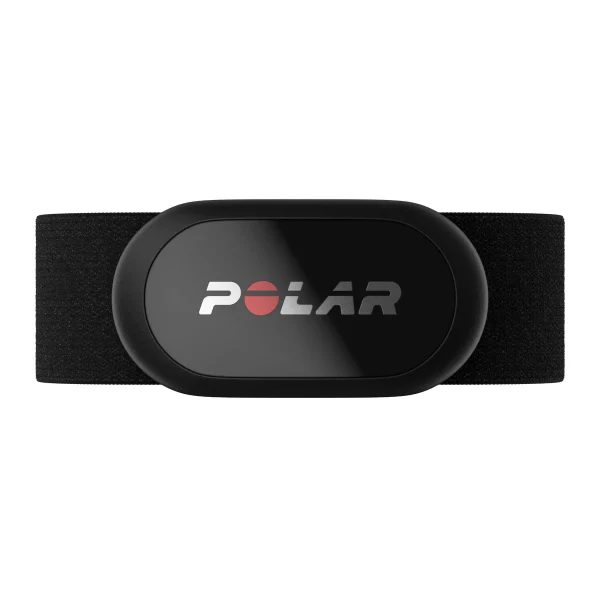
- Buy Polar H10 Heart Rate Sensor The chest strap independent testing keeps treating as the accuracy benchmark others are measured against. Amazon
- Buy Polar Verity Sense The armband to buy if chest straps drive you up the wall, with more tricks than any optical rival. Amazon
- It depends Garmin HRM-Pro Plus A superb chest strap that only earns its premium if you live inside the Garmin ecosystem. Amazon
- Skip Wahoo TICKR FIT Solid but dated optical armband that a same-priced Polar simply out-features. Amazon
What actually matters
- Form factor decides everything else. A chest strap gives the sharpest reading through hard intervals; an optical armband is far comfier with only a minor accuracy trade-off. Both beat a wrist-only reading for real training.
- Accuracy under hard efforts is where cheap sensors fall apart. Steady jogging is easy for any monitor; abrupt surges and sprint intervals separate the good sensors from the mediocre ones.
- Dual connectivity (Bluetooth + ANT+) determines what your monitor can pair with. The two standards together cover nearly every watch, bike computer, app, and gym machine, and some monitors can hold two connections at once.
- Standalone recording lets the monitor store a whole session on its own memory, so you can train phone-free and watch-free and sync the data afterward.
- Battery type and life shapes upkeep. Coin-cell straps run for months on a cheap swappable battery; rechargeable armbands need topping up after roughly a day or so of training time; the Polar Verity Sense is rated for up to 30 hours.
- Comfort and upkeep decide whether you keep using it. Straps need the electrodes moistened and the band rinsed and replaced periodically; armbands are quicker to fit and forget.
- Ecosystem extras like running dynamics or running power only pay off if you own the matching watch, so they shouldn't sway you unless you're already in that ecosystem.
The specs, in plain English
Green flags vs red flags
Green flags
- Dual Bluetooth and ANT+ so it pairs with your watch, bike computer, apps, and gym gear
- Strong reviews for interval and sprint accuracy, not just steady cardio
- Onboard memory so it can record a session solo and sync later
- A comfortable fit you'll tolerate, whether that's a grippy strap or a soft armband
- Clear battery expectations that match how often you're willing to charge or swap
Red flags
- A wrist-only sensor being sold as serious training accuracy
- Only a single connectivity standard, limiting what it can pair with
- Paying a premium mainly for ecosystem extras you can't use without a matching watch
- An aging model that the brand's own newer version has already outclassed at the same price
- No swim support or water rating when you specifically plan to swim with it
Who's who: the brands
- Polar - Long-time heart-rate specialist; its chest strap is the accuracy benchmark others get measured against, and its armband leads the optical class.
- Garmin - Sports-watch giant whose straps shine inside its own ecosystem, adding running dynamics and power for compatible Garmin watches.
- Wahoo - Cycling and fitness brand known for simple, reliable sensors; its TICKR FIT armband lists one Bluetooth connection at a time.
How to read a listing without getting fooled
Start with the sensor type, because it frames everything: 'ECG chest strap' means top interval accuracy, while 'optical' means comfort with a small trade-off, and 'wrist' means don't count on it for hard training. Next check the connectivity line for both Bluetooth and ANT+, and look for wording like 'two connections at once' if you want a watch and an app reading together. A battery figure in tens of hours (say, up to 30) signals a rechargeable armband; a figure in months or 'coin cell' signals a swappable strap. Treat headline extras like running dynamics or running power as ecosystem-locked, so mentally set them aside unless you own the matching watch. Finally, be wary of accuracy claims that only reference steady cardio; the honest test is how the monitor does on abrupt, high-intensity efforts.
How much should you spend?
You don't need to spend at the top of the range to get excellent accuracy. The value sweet spot is a well-reviewed mid-tier strap or armband from an established sensor brand, where core heart-rate accuracy is essentially as good as it gets and you're mostly paying for comfort, connectivity, and small conveniences. Stepping up to a premium model is worth it only when its extras genuinely apply to you, such as running dynamics you'll actually see because you own the matching watch; otherwise you're paying more for accuracy you could have gotten for less. Going too cheap tends to cost you where it matters most, in interval reliability, dual connectivity, or standalone recording, so avoid the bargain bin and avoid an aging model when a newer sibling costs about the same and does more.
Questions, answered
Is a chest strap really more accurate than an optical armband?
Generally yes, especially for hard efforts. A chest strap reads your heart's electrical signal, so it tracks sudden changes almost instantly and shines during intervals and sprints. An optical armband reads blood flow through the skin, which is very good on the forearm or upper arm but can lag a beat or two on abrupt surges. For steady cardio the gap is small; for hard interval work the strap has the edge.
Will one of these work with my watch, bike computer, or gym machine?
Almost certainly, if it supports both Bluetooth and ANT+. Between those two standards you cover the vast majority of watches, bike computers, indoor cycling apps, treadmills, and cardio machines. Some monitors can even hold two Bluetooth connections at once, so a watch and an app read the same sensor together. Just confirm your specific device or app accepts an external heart-rate sensor before buying.
Chest strap or optical armband, which should I get?
It comes down to what you'll actually wear. Choose a chest strap if accuracy under hard efforts is your top priority and a strap doesn't bother you. Choose an optical armband if comfort is what will keep you using it, since it gives up only a sliver of interval precision for no electrodes to wet and a fit you forget you're wearing. The best monitor is the one you'll keep reaching for.
Can I use a heart rate monitor for swimming?
Some, but check specifically for swim support. Certain monitors are waterproof and record heart rate while you swim by storing it on internal memory and syncing afterward, because the signal doesn't transmit reliably through water in real time; some armbands include a goggle-strap clip for this. Others have no swim mode at all. If swimming matters to you, confirm both a water rating and a dedicated way to capture heart rate in the pool.
How long do these last and what's the upkeep?
Coin-cell chest straps run for hundreds of hours, then take a cheap swappable battery. Optical armbands recharge and are rated for up to about 30 hours per charge, so they need topping up more often. The main upkeep is the strap band itself, which should be rinsed after sweaty sessions and replaced as the fabric and electrodes wear.
Can a heart rate monitor detect a heart problem?
No. These are fitness and training devices, not medical-grade equipment, and they are not designed or approved to diagnose, detect, or monitor any heart condition. Treat everything here as general product information, not medical advice. If you have chest pain, palpitations, dizziness, an irregular pulse, or any cardiac concern, don't rely on a training monitor for answers, see a doctor or seek appropriate medical care.
Or jump to the head-to-head: Polar H10 Heart Rate Sensor vs Polar Verity Sense.