

Outdoors & Fitness
The Best Heart Rate Monitors: 4 Compared (and One to Skip)
We compared four training-focused chest straps and optical armbands on accuracy, connectivity, comfort, and standalone recording.
The short version
For serious heart-rate training, a chest strap or armband still beats any wrist tracker, and the Polar H10 is the accuracy benchmark reviewers keep returning to, with rock-solid interval readings, dual pairing, and strap-only recording. If a chest strap isn't for you, the Polar Verity Sense armband is nearly as accurate and far comfier. The Garmin HRM-Pro Plus is excellent but only worth its premium if you own a Garmin watch and want running dynamics. The Wahoo TICKR FIT is fine hardware that a same-priced Verity Sense simply out-features, so we'd pass. Best for: pick the H10 for accuracy, the Verity Sense for comfort, and the Garmin only if you're already in its ecosystem.
Our picks at a glance
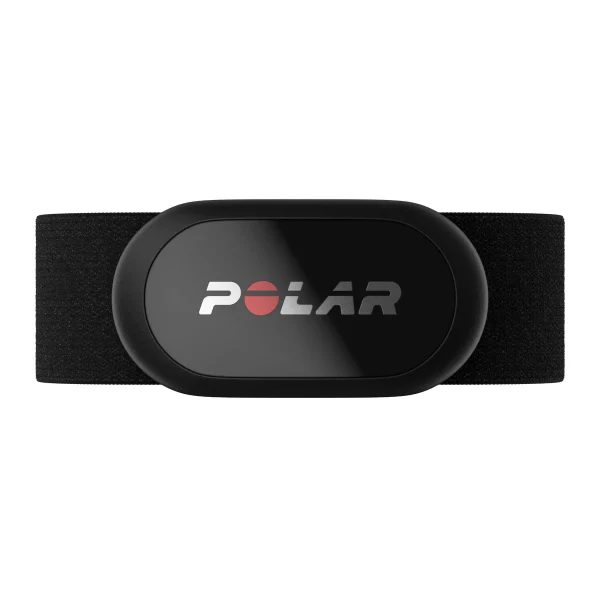
- Polar H10 Heart Rate Sensor - Buy. The chest strap independent testing keeps treating as the accuracy benchmark others are measured against.
- Polar Verity Sense - Buy. The armband to buy if chest straps drive you up the wall, with more tricks than any optical rival.
- Garmin HRM-Pro Plus - It depends. A superb chest strap that only earns its premium if you live inside the Garmin ecosystem.
- Wahoo TICKR FIT - Skip. Solid but dated optical armband that a same-priced Polar simply out-features.
The verdict in 30 seconds
What mattered most
- Sensor type
- Steady-state accuracy
- Interval / sprint accuracy
- Connectivity
- Standalone recording
- Battery
If you actually train by heart rate, a dedicated chest strap or optical armband generally beats a wrist tracker for accuracy. We looked at four of the most-recommended dedicated monitors across both form factors, weighing steady-state and interval accuracy, how they pair with watches and apps, comfort, and battery life. Two are easy recommendations, one is worth it only for a specific crowd, and one is simply outclassed by a same-priced rival.
The chest strap independent testing keeps treating as the accuracy benchmark others are measured against.
Best for: Anyone doing structured or interval training who wants the most trustworthy number, full stop.
- ECG-grade accuracy that holds up on sprints and hard intervals where optical sensors lag
- Pairs over Bluetooth and ANT+ at once, so a watch, bike computer, and gym app can all read it
- Onboard memory records a session strap-only, no phone or watch required
- Grippy silicone-dot strap cuts the dropouts and 'spikes' older straps were known for
- It's still a chest strap: you have to wet the electrodes and some people never find it comfortable
- The fabric strap eventually wears out and needs replacing under heavy use
Own the Polar H10 Heart Rate Sensor? Tell us how it held up.
Thanks. Counted, and shown once enough owners have weighed in.
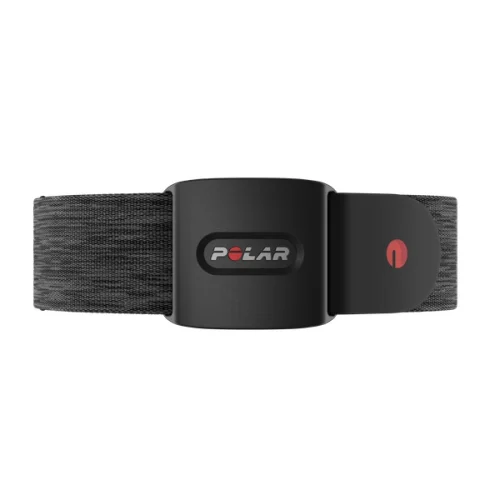
The armband to buy if chest straps drive you up the wall, with more tricks than any optical rival.
Best for: People who want dependable training data without the chest-strap fuss, indoors or in the pool.
- Worn on the arm, it typically reads more reliably than a wrist sensor
- Bluetooth and ANT+ plus onboard memory, so it can record solo or stream to two devices
- Genuinely comfortable, quick to strap on, and easy to forget you're wearing
- Doubles as a swimming HR recorder with the included goggle-strap clip
- Optical sensing still lags a beat or two behind a chest strap on very abrupt heart-rate changes
- Up to 30 hours per charge means it needs recharging far more often than a coin-cell strap
Own the Polar Verity Sense? Tell us how it held up.
Thanks. Counted, and shown once enough owners have weighed in.
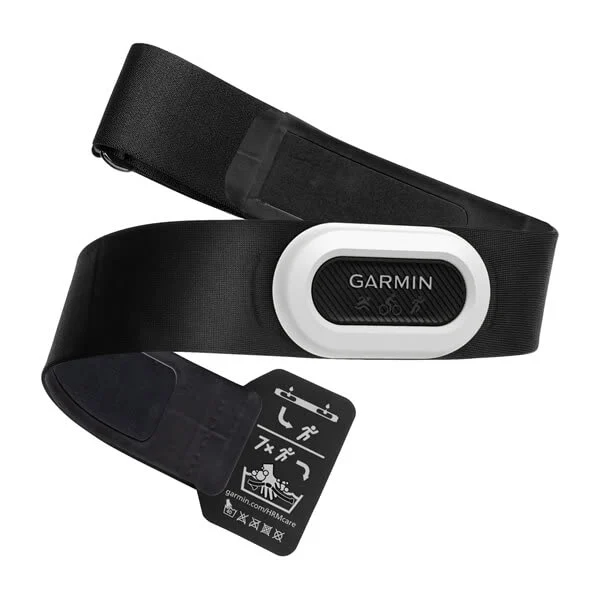
A superb chest strap that only earns its premium if you live inside the Garmin ecosystem.
Best for: Garmin watch owners who want running dynamics and running power from one strap.
- Chest-strap ECG accuracy on par with the best for steady efforts and intervals
- Broadcasts running dynamics and running power to compatible Garmin watches
- Caches heart rate and stores steps/intensity, then syncs to the app when you reconnect
- Bluetooth and ANT+ with a user-replaceable coin-cell battery
- Noticeably pricier than rivals that match its core heart-rate accuracy
- Its headline extras only matter if you own a compatible Garmin watch
- Owner reports flag occasional pod/strap durability and reconnection quirks
Own the Garmin HRM-Pro Plus? Tell us how it held up.
Thanks. Counted, and shown once enough owners have weighed in.
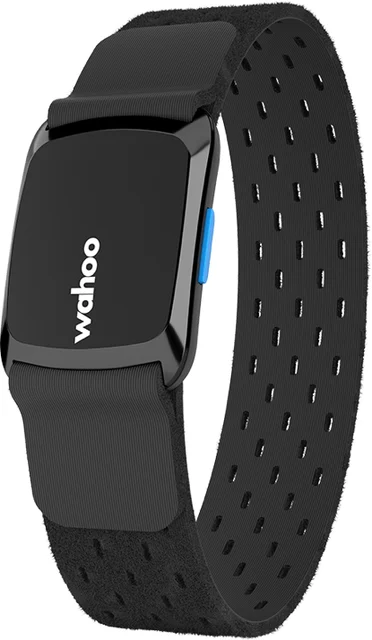
Solid but dated optical armband that a same-priced Polar simply out-features.
Best for: Almost no one at its current price, when a more capable armband costs about the same.
- Comfortable forearm or upper-arm optical sensor that generally reads better than a wrist sensor
- Dual Bluetooth and ANT+ pairs with watches, apps, and gym gear
- Rechargeable battery rated for up to 30 hours
- No onboard memory or standalone recording listed, unlike its closest competitor at a similar price
- Optical sensing is less sure-footed on hard intervals than a chest strap, and it lacks a swim mode
- Wahoo's spec list allows one Bluetooth connection at a time
Own the Wahoo TICKR FIT? Tell us how it held up.
Thanks. Counted, and shown once enough owners have weighed in.
| Criteria | Polar H10 Heart Rate Sensor Top pick Buy it Buy | Polar Verity Sense Buy it Buy | Garmin HRM-Pro Plus It depends Buy | Wahoo TICKR FIT Skip it Buy |
|---|---|---|---|---|
| Best for | Anyone doing structured or interval training who wants the most trustworthy number, full stop. | People who want dependable training data without the chest-strap fuss, indoors or in the pool. | Garmin watch owners who want running dynamics and running power from one strap. | Almost no one at its current price, when a more capable armband costs about the same. |
| Price tier | $$ · mid-range | $$ · mid-range | $$$ · premium | $$ · mid-range |
| Sensor type | ECG chest strap | Optical armband | ECG chest strap | Optical armband |
| Steady-state accuracy | Excellent | Very good | Excellent | Good |
| Interval / sprint accuracy | Excellent | Very good | Excellent | Fair |
| Connectivity | Bluetooth + ANT+ (dual) | Bluetooth + ANT+ | Bluetooth + ANT+ (dual) | Bluetooth + ANT+ |
| Standalone recording | Yes (one session) | Yes (large memory) | Yes (caches data) | No |
| Battery | Up to 400h coin cell | Up to 30h rechargeable | Coin cell | ~30h rechargeable |
| Standout feature | Dual Bluetooth + 400h battery | Forearm comfort + swim clip | Running dynamics & power | None that rivals lack |
| Price tier | $$ · mid-range | $$ · mid-range | $$$ · premium | $$ · mid-range |
Which one is right for you?
- Anyone doing structured or interval training who wants the most trustworthy number, full stop. Buy it Polar H10 Heart Rate Sensor
- People who want dependable training data without the chest-strap fuss, indoors or in the pool. Buy it Polar Verity Sense
- Garmin watch owners who want running dynamics and running power from one strap. It depends Garmin HRM-Pro Plus
- Almost no one at its current price, when a more capable armband costs about the same. Skip it Wahoo TICKR FIT
How we judged the field
We don’t run our own lab. Instead we synthesize independent testing, expert reviews, and aggregated owner reports, then weigh them against what actually matters when you train by heart rate. Four things carried the most weight. First, accuracy, split into steady-state efforts and the harder test of intervals and sprints, where cheaper sensors fall apart. Second, connectivity, because a monitor is only useful if it talks to your watch, bike computer, or app, ideally more than one at a time. Third, practicality: comfort, battery life, standalone recording, and whether it survives sweat and pool water. Fourth, value, judged against what else costs the same. We deliberately looked at both form factors, chest straps and optical armbands, because the right pick depends as much on what you’ll tolerate wearing as on raw numbers.
Polar H10 Heart Rate Sensor
Buy itAcross independent testing, the H10 is the strap other monitors get compared to. Its ECG reading stays glued to your real heart rate through hard intervals and sudden surges, the exact moments optical sensors tend to smear or lag. It pairs over Bluetooth and ANT+ simultaneously, so your watch and a training app can both read it, and its onboard memory means it can record a whole session with no phone or watch present. The current silicone-dot strap grips better than older versions, which owners credit for far fewer dropouts and phantom spikes. The catch is simply that it’s a chest strap: you moisten the electrodes, clip it on, and accept that some people never love the sensation. But for a trustworthy number, nothing here beats it.
Polar Verity Sense
Buy itThe Verity Sense exists for everyone who read the paragraph above and thought, no chest strap for me. Worn on the arm rather than the wrist, its optical sensor generally reads more dependably than a watch, and independent testing puts it at the top of the optical-armband class. It carries the same connectivity strengths, Bluetooth plus ANT+, and adds generous onboard memory so it can record solo or stream to two devices. It’s comfortable enough to forget, quick to fit, and a bundled clip lets it record heart rate while you swim. Optical sensing still trails a chest strap by a beat on the most abrupt changes, and up to 30 hours per charge means regular recharging, but as an armband it’s the one to beat.
Garmin HRM-Pro Plus
It dependsThere’s nothing wrong with the HRM-Pro Plus, and that’s rather the point. It delivers chest-strap accuracy on par with the best, adds Bluetooth and ANT+ with a replaceable coin-cell battery, and caches your data to sync later. Its real party trick is broadcasting running dynamics and running power to compatible Garmin watches, plus tracking steps and intensity when you’re away from your watch. All of that is genuinely useful, but almost all of it only pays off inside the Garmin ecosystem. If you own a Garmin watch and want those metrics from one strap, it’s excellent. If you don’t, you’re paying a premium for accuracy you can get for less elsewhere, and some owners report occasional durability and reconnection quirks. Hence: it depends.
Wahoo TICKR FIT
Skip itThe TICKR FIT isn’t bad. It’s a comfortable forearm optical armband with Bluetooth and ANT+ and a battery rated for up to 30 hours, and for steady cardio it does the job. The problem is what it costs relative to what it does. At roughly the same price, the Polar Verity Sense adds onboard memory, standalone recording, and a swim mode the Wahoo lacks, and the Polar supports two Bluetooth connections where Wahoo’s spec list gives one. Unless you find it heavily discounted, there’s little reason to choose it over the better armband at the same money.
Sources
Specs in this review come from these pages.
Polar H10 vs Polar Verity Sense: which should you buy?
This is the real decision for most people, because both are excellent and the choice comes down to how you like to wear a sensor. The H10 is the accuracy champion: if you do structured interval work and want the number you trust most, its ECG reading is a half-step ahead, and its coin cell runs for hundreds of hours. The Verity Sense gives up only a sliver of interval precision in exchange for a lot of comfort, no electrodes to wet, an armband you forget you’re wearing, and a swim-clip trick. Both offer dual connectivity and standalone recording. Choose the H10 if accuracy under hard efforts is your top priority and a strap doesn’t bother you. Choose the Verity Sense if comfort is what will actually keep you using it, since the best monitor is the one you’ll wear.
What to look for
- Form factor: chest strap for the sharpest interval accuracy, optical armband for comfort with only a minor accuracy trade-off. Skip wrist-only readings for real training.
- Dual connectivity: both Bluetooth and ANT+ so the monitor pairs with your watch, bike computer, apps, and gym machines, ideally two connections at once.
- Standalone recording: onboard memory lets you train without carrying a phone or watch and sync later.
- Battery type: coin-cell straps run for months; rechargeable armbands need topping up after about 30 hours of use.
- Swim support: if you swim, look for a waterproof rating and a dedicated way to store or clip-record heart rate in water.
- Ecosystem extras: features like running dynamics only add value if you own the matching watch, so don’t pay for them otherwise.
- Upkeep: chest-strap bands wear out and should be rinsed after use and replaced periodically.
Our final take
If you train by heart rate, buy a dedicated monitor and don’t look back at wrist trackers. The Polar H10 is our top pick because it’s the most trustworthy number here, especially when the intervals get ugly. If a chest strap isn’t going to happen for you, the Polar Verity Sense is the comfortable, nearly-as-accurate armband to get, and it’s the one we’d actually keep wearing day to day. The Garmin HRM-Pro Plus is a genuinely great strap, but only spend the premium if you’re a Garmin watch owner chasing running dynamics. And the Wahoo TICKR FIT, while perfectly functional, is the one we’d pass on, because a better armband costs about the same. One last note: these are training tools, not medical devices. If you have any cardiac concern, see a doctor rather than a heart-rate strap.
Questions, answered
Is a chest strap really more accurate than an optical armband?
Generally yes. Chest straps read the heart's electrical signal (ECG), which tracks sudden changes almost instantly, so they shine during intervals and sprints. Optical armbands read blood flow through the skin, which is very good on the forearm or upper arm but can lag a beat or two on abrupt efforts. For steady cardio the gap is small; for hard interval work the chest strap has the edge.
Will these work with my watch, bike computer, or gym equipment?
All four broadcast over both Bluetooth and ANT+, which covers the vast majority of watches, bike computers, indoor cycling apps, treadmills, and cardio machines. The Polar H10 and Polar Verity Sense can each hold two Bluetooth connections at once, so a watch and an app can read the same strap simultaneously. Check that your specific device or app supports external heart-rate sensors before buying.
Can I use any of these for swimming?
The Polar H10 is water resistant to 30 metres, and the Polar Verity Sense has a swimming mode and includes a goggle-strap clip that records heart rate while you swim, syncing afterward. Chest-strap heart rate generally doesn't transmit reliably through water in real time, so check Garmin's own page for how the HRM-Pro Plus handles swims. The Wahoo TICKR FIT has no dedicated swim mode.
Are these medical devices? Can they detect a heart problem?
No. These are fitness and training devices, not medical-grade equipment, and they are not designed or approved to diagnose, detect, or monitor any heart condition. Treat this as general product information, not medical advice. If you have chest pain, palpitations, dizziness, an irregular pulse, or any cardiac concern, don't rely on a training monitor for answers, consult a doctor or seek appropriate medical care.
How long do they last, and is there upkeep?
The coin-cell straps (Polar H10, Garmin HRM-Pro Plus) run for hundreds of hours before a battery swap; Polar rates the H10 at up to 400. The optical armbands (Polar Verity Sense, Wahoo TICKR FIT) are rated for up to about 30 hours per charge. The main upkeep is the chest strap band itself, which should be rinsed after sweaty sessions and replaced as the fabric and electrodes wear.
Deciding between the top two? See our head-to-head: Polar H10 Heart Rate Sensor vs Polar Verity Sense.
More in Outdoors & Fitness
Heart Rate Monitors, Explained Plain-English guide → Polar H10 Heart Rate Sensor vs Polar Verity Sense Head-to-head →  The Best Heated Gloves: 4 Compared (and One to Skip)
  The Best Heated Insoles: 4 Compared (and One to Skip)
  The Best Heated Jackets: 4 Compared (and One to Skip)
  The Best Heated Socks: 4 Compared (and One to Skip)