Explained
Headlamps, Explained
After reading this, you will know what a headlamp's specs actually mean and which ones matter for the way you use a light.
In this guide
A headlamp looks simple until you compare two of them and drown in numbers: lumens, IP ratings, milliamp-hours, beam distance. The trap is buying on the biggest lumen figure, which tells you almost nothing about how a light performs on a real night. This guide translates the spec sheet into plain language so you can match a headlamp to your actual use, whether that is camp chores, trail running, or multi-day backpacking.
The 30-second version
- Lumens are a peak, not a promise. so a lamp that holds a steady, usable beam for hours beats one that flashes a huge number and then fades within minutes.
- Match the battery to your trips, choosing a rechargeable for everyday use and a hybrid or AAA lamp when you travel far from an outlet.
- Weatherproofing is set by the IP rating, and it matters more than most buyers realize once you hike in genuine rain or dust.
- Weight and comfort decide whether you keep wearing it, which is why runners and thru-hikers should prioritize a light, stable lamp over raw output.
- Small features quietly make or break a lamp, so look for a red night-vision mode, a lockout, and regulated output before you look at the headline number.
The products this guide is about
Our verdict on each, with the full reasoning on the companion review.
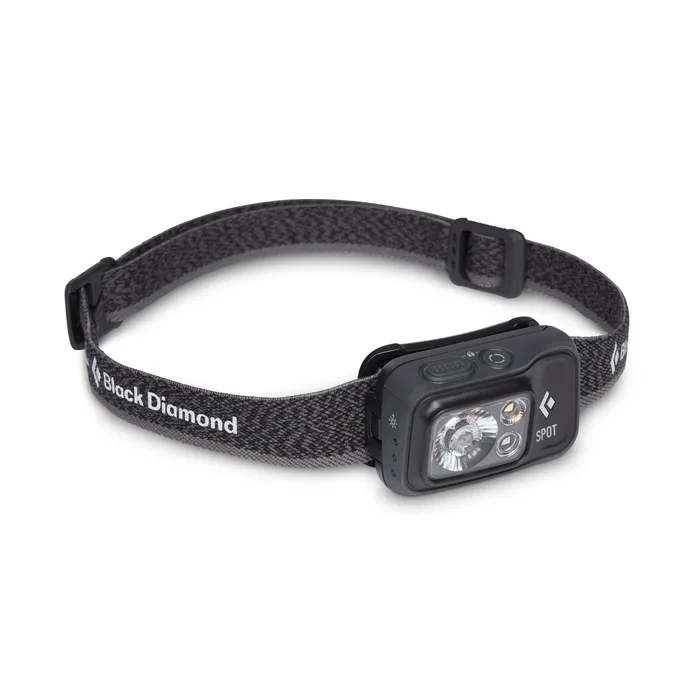
- Buy Black Diamond Spot 400 A waterproof, dual-fuel do-everything lamp that covers most hikers and campers without fuss. Amazon
- Buy Petzl Actik Core A bright, flexible headlamp that runs on its rechargeable pack or AAAs when you are far from power. Amazon
- It depends Nitecore NU25 UL A 47-gram rechargeable that disappears on your head, if you can live with a sealed-in battery and a charger on every trip. Amazon
- Skip Black Diamond Astro 300 A cheap AAA lamp that looks like a bargain until you use it next to anything better. Amazon
What actually matters
- Regulated (usable) output - how brightly and how steadily the lamp runs at settings you will actually use, rather than its peak lumen figure. This is the single best predictor of whether a headlamp feels good on a real night.
- Runtime at real settings - how long the battery lasts on the modes you use most, not on the lowest possible setting the marketing quotes.
- Battery type - rechargeable, AAA, or hybrid. This decides your weight, running cost, and whether a dead battery is a minor annoyance or the end of your night.
- Weather and dust sealing (IP rating) - how much rain, splash, and grit the lamp shrugs off. Fair-weather users can relax here; anyone who hikes in real weather should not.
- Weight and fit - how much the lamp presses on your forehead and whether the strap stays put. Grams and bounce matter enormously to runners and multi-day hikers.
- Beam type - flood versus throw versus a mix. A flood lights your feet and the ground around you; throw reaches down the trail; most hikers want a blend.
- Controls and modes - red light, a lockout to stop it draining in your pack, brightness memory, and easy dimming. These decide whether a lamp is pleasant or fiddly in the dark.
The specs, in plain English
Green flags vs red flags
Green flags
- The maker quotes runtime at several brightness levels, not just the lowest setting
- The lamp holds regulated output rather than dimming steadily as the battery drains
- An IP66 or IP67 rating if you hike in rain, dust, or unpredictable weather
- A dedicated red mode plus a lockout to prevent accidental drain in a pack
- USB-C charging on rechargeable models, and honest, specific weight figures
- A comfortable, adjustable, and ideally washable strap that stays put when you move
Red flags
- A giant lumen headline with no runtime figures to back it up
- Only IPX4 sealing on a lamp you plan to use in sustained rain
- No red light mode on a lamp meant for camping or shared tents
- A sealed-in battery on a lamp you want for long, off-grid trips with no way to swap cells
- Repeated owner reports of flicker, loose battery doors, or contacts that lose connection
- Dated micro-USB charging on a new rechargeable, or vague, unspecified battery details
Who's who: the brands
- Black Diamond - A climbing and outdoor mainstay whose headlamps favor rugged sealing, sensible controls, and pack-safe lockouts.
- Petzl - A French headlamp specialist known for reliable hybrid battery designs and well-shaped beams for hiking and the backcountry.
- Nitecore - A flashlight-focused brand that packs strong feature sets and USB-C charging into notably lightweight, ultralight-friendly lamps.
- Fenix - Known for high-output, durable lights with an enthusiast following, spanning general outdoor and tactical use.
- BioLite - Popular for comfortable, low-profile designs and even flood beams aimed at campers and everyday users.
How to read a listing without getting fooled
Start by ignoring the biggest number on the box. A lamp advertised at a high lumen count often only hits that figure for a minute or two before it steps down to protect the battery, so hunt for the runtime chart instead: it should list how long the lamp lasts at each brightness level, and the setting you will actually use is usually a middle one. Next, read the IP rating in full rather than assuming waterproof means waterproof; the second digit is the water rating, and IPX4 is far less protective than IP67. Check how the lamp is powered and charged, since a rechargeable is lighter and cheaper to run while a hybrid or AAA design saves you far from an outlet. Finally, scan the feature list for a red mode, a lockout, and regulated output, and weigh owner feedback on durability and battery doors, because those quiet details decide whether a lamp is a pleasure or a nuisance in the dark.
How much should you spend?
Spending more on a headlamp mostly buys you better sealing, steadier regulated output, thoughtful controls, and durability, rather than simply more lumens. The value sweet spot sits in the mid-range, where you get dependable weatherproofing, a red mode, a lockout, and honest runtimes without paying for features you will never use. Going cheaper is a false economy if it means a dim beam, no red light, or a battery door that owners report as flaky, because a light you cannot fully trust is poor value at any price. Paying up to the top of the range makes sense only when you have a specific need, such as extreme weight savings for thru-hiking or long throw for fast night trail running; for everyday hiking and camp use, a solid mid-range lamp is usually the smarter buy.
Questions, answered
How many lumens do I actually need in a headlamp?
For camp chores and general hiking, roughly 200 to 400 lumens is plenty. Higher numbers help trail runners and night navigation but drain batteries quickly. Steady, regulated output and a well-shaped beam matter far more than a big headline lumen figure on most nights.
Is a rechargeable or AAA headlamp better?
Rechargeable lamps are lighter, cheaper to run, and brighter for longer, so they suit most people. AAA or hybrid models earn their keep on multi-day trips away from power, where you can carry spare cells instead of hunting for a charger or an outlet.
What does an IP rating actually mean?
It describes dust and water resistance in two digits. IPX4 survives splashes and light rain, IP66 adds dust sealing and heavy jets, and IP67 also handles brief submersion. If you hike in genuine weather, favor IP66 or IP67 over the more common IPX4 rating.
Do I really need a red light mode?
Red light preserves your night vision, avoids blinding companions in a tent or at camp, and uses very little battery. It is genuinely useful for anyone camping or sharing close quarters, which is why its absence counts against a lamp meant for the outdoors.
Why does regulated output matter more than peak brightness?
An unregulated lamp starts bright and then slowly dims as the battery drains, so its beam is unpredictable. A regulated lamp holds a consistent, usable brightness until it steps down or quits, giving you light you can rely on rather than a number you saw once at full charge.
How much should I spend on a headlamp?
A capable mid-range lamp covers most hikers and campers, giving you good sealing, a red mode, a lockout, and honest runtimes. Spend more only for a specific need such as minimal weight or long-distance throw, and be wary of the cheapest options, which often cut the features and reliability that make a light worth carrying.
Or jump to the head-to-head: Black Diamond Spot 400 vs Petzl Actik Core.