

Outdoors & Fitness
The Best Headlamps of 2026: Honest Picks for Trail, Camp, and Everyday
We compared four current headlamps for hiking, running, and camp chores on output, runtime, waterproofing, and comfort to find honest picks and one to skip.
The short version
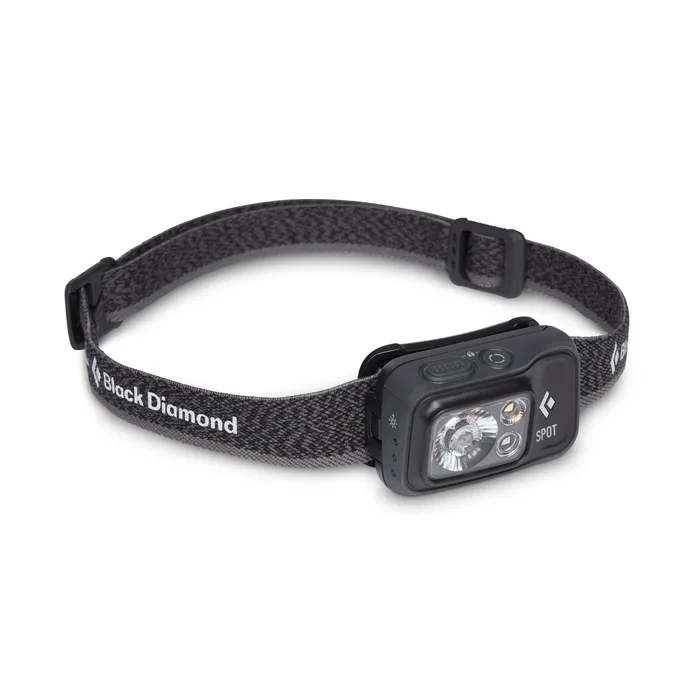
For most people the Black Diamond Spot 400 is the safe choice: IPX8 sealing, a usable 400-lumen beam on AAAs or a rechargeable, PowerTap dimming, and a lockout that stops it draining in a pack. The Petzl Actik Core matches it on features, includes its rechargeable pack and reaches 625 lumens. The 47-gram Nitecore NU25 UL depends on how you travel: Nitecore seals in a 700 mAh battery, so it suits gram-counters who carry a power bank. Skip the Black Diamond Astro 300: it is dimmer, has no red light, and owners on the maker's page complain about its single-button controls.
Our picks at a glance
- Black Diamond Spot 400 - Buy. A waterproof, dual-fuel do-everything lamp that covers most hikers and campers without fuss.
- Petzl Actik Core - Buy. A bright, flexible headlamp that runs on its rechargeable pack or AAAs when you are far from power.
- Nitecore NU25 UL - It depends. A 47-gram rechargeable that disappears on your head, if you can live with a sealed-in battery and a charger on every trip.
- Black Diamond Astro 300 - Skip. A cheap AAA lamp that looks like a bargain until you use it next to anything better.
The verdict in 30 seconds
What mattered most
- Max output
- Power source
- Weight
- Water/dust rating
- Red night-vision
- Best use
A headlamp only earns its place when it lights the trail without dying early, sliding around, or quitting in the rain. We synthesized independent expert testing and long-term owner feedback on the headlamps people actually buy in 2026, then judged them on output, regulated runtime, weather sealing, and all-night comfort. Two earn a clear recommendation, one ultralight lamp depends on how you hike, and one popular budget model is a false economy worth skipping.
A waterproof, dual-fuel do-everything lamp that covers most hikers and campers without fuss.
Best for: Hikers and campers who want one dependable, waterproof lamp
- IPX8, which Black Diamond tests to operate at least 1.1 meters underwater for 30 minutes
- Dual-Fuel runs on the three included AAAs or a BD 1500 rechargeable, with PowerTap dimming, a digital lockout and a battery meter
- The BD 1500 rechargeable battery is sold separately
- Black Diamond states it contains PFAS and cannot ship to California, New York or Colorado
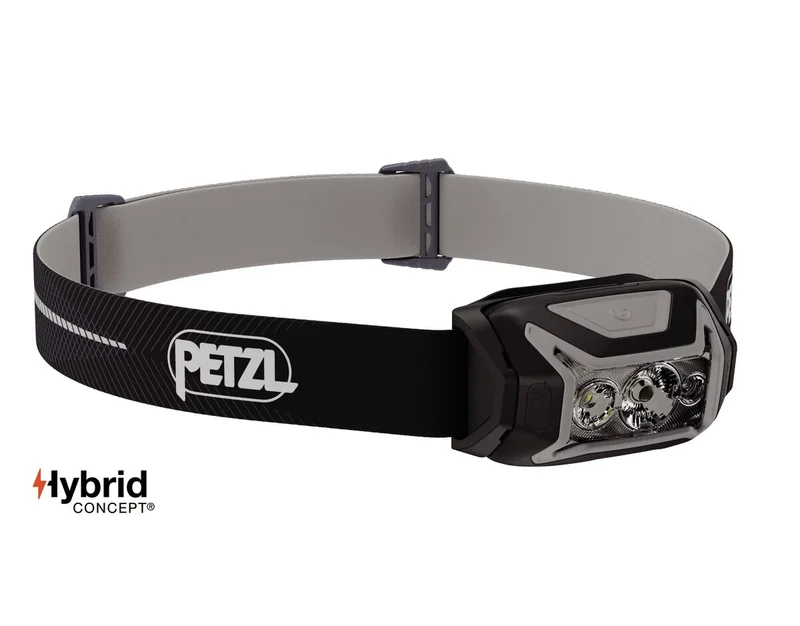
A bright, flexible headlamp that runs on its rechargeable pack or AAAs when you are far from power.
Best for: Backpackers who value battery flexibility over waterproofing
- Hybrid battery takes the CORE pack or three AAAs, a genuine advantage on long trips
- 625-lumen mixed beam and a reflective, washable strap suit hiking and trail chores
- Only IPX4 water resistance, so it dislikes sustained rain
- Time at full power is short and the beam floods rather than throws
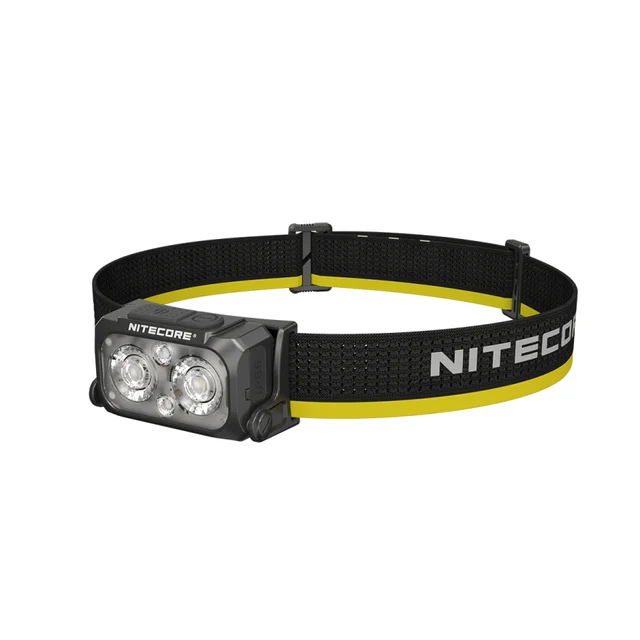
A 47-gram rechargeable that disappears on your head, if you can live with a sealed-in battery and a charger on every trip.
Best for: Ultralight hikers and runners counting every gram who carry a power bank
- At 47 grams it is a fraction of the others' weight, ideal for thru-hikers and runners
- USB-C charging, IP66 sealing, and switchable warm, neutral, and cool light
- The small 700 mAh built-in battery limits time at full brightness
- That battery is sealed in, so it cannot be swapped in the field
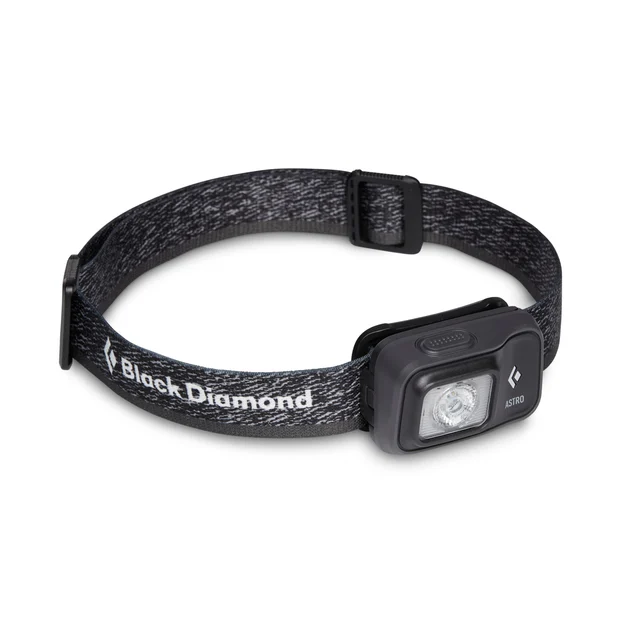
A cheap AAA lamp that looks like a bargain until you use it next to anything better.
Best for: A glovebox or drawer backup, not your main light
- Inexpensive, and the dual-fuel design accepts AAAs or an optional rechargeable pack
- Keeps a digital lockout and brightness memory despite the low price
- No red night-vision mode, and tops out at 300 lumens
- Reviewers on the maker's page complain about the single-button controls
| Criteria | Black Diamond Spot 400 Top pick | Petzl Actik Core | Nitecore NU25 UL | Black Diamond Astro 300 |
|---|---|---|---|---|
| Verdict | Buy it | Buy it | It depends | Skip it |
| Best for | Hikers and campers who want one dependable, waterproof lamp | Backpackers who value battery flexibility over waterproofing | Ultralight hikers and runners counting every gram who carry a power bank | A glovebox or drawer backup, not your main light |
| Price tier | $$ · mid-range | $$ · mid-range | $ · budget | $ · budget |
| Max output | 400 lm | 625 lm | 400 lm | 300 lm |
| Power source | Dual-fuel: 3 AAA included, BD 1500 sold separately | Hybrid: pack or AAA (USB-C) | Rechargeable (USB-C) | AAA dual-fuel |
| Weight | 72 g (BD 1500), 86 g (AAA) | 3.1 oz (88 g) | 1.7 oz (47 g) | 3.5 oz (100 g) |
| Water/dust rating | IPX8 | IPX4 | IP66 | IPX4 |
| Red night-vision | Yes | Yes | Yes | No |
| Best use | All-round / camp | Backpacking | Ultralight, if you carry a power bank | Backup only |
Which one is right for you?
- Hikers and campers who want one dependable, waterproof lamp Buy it Black Diamond Spot 400
- Backpackers who value battery flexibility over waterproofing Buy it Petzl Actik Core
- Ultralight hikers and runners counting every gram who carry a power bank It depends Nitecore NU25 UL
- A glovebox or drawer backup, not your main light Skip it Black Diamond Astro 300
How we judged the field
Real Buyer Experiences does not run lights through a lab. Instead we read across independent expert testing and months of owner feedback, then look for the points where those sources agree. For headlamps, the consensus rarely rewards the biggest lumen number. It rewards lamps that hold their brightness as the battery drains, sit still on your head, and survive weather and a season of being crammed into packs.
We limited the field to models sold new in 2026 and judged each on four things: usable, regulated output rather than a peak figure; runtime at settings you would actually use; weather and dust sealing; and comfort over a long night. We also weighed the small design choices that decide whether a lamp annoys you, such as lockout modes, red light, and how you swap or charge the battery. Two lamps came out as clear buys, one ultralight lamp depends on how you hike, and one widely sold budget model earned a clear skip.
Black Diamond Spot 400
Buy itThe Spot 400 is the lamp we would hand to someone who just wants one that works. Its headline strength is sealing: Black Diamond rates it IPX8 and tests it to operate at least 1.1 meters underwater for 30 minutes, a big step above the IPX4 common in this class. It is Dual-Fuel, running on the three AAAs in the box or a BD 1500 rechargeable, and a three-LED battery meter tells you where you stand. In use, the PowerTap panel lets you jump between full and dimmed output with a tap, the digital lockout stops it switching on inside a pack, brightness memory brings it back at your last setting, and red night vision comes on without cycling through white. Black Diamond states 400 lumens and up to 100 meters on high, at 72 grams with the BD 1500 or 86 grams on AAAs.
What we liked more: the waterproofing and the pack-safe lockout give it a margin of confidence that cheaper lamps lack, and AAAs mean you can buy power anywhere. What we liked less: the BD 1500 rechargeable is sold separately, Black Diamond rates high mode at 2.5 hours on AAAs, and the maker notes it contains PFAS and cannot ship to California, New York or Colorado. For general hiking and camp duty, those are workable compromises.
Petzl Actik Core
Buy itThe Actik Core is the close alternative, and for trips far from an outlet it may be the smarter one. Its Hybrid battery design accepts either the bundled CORE rechargeable pack or three standard AAAs, so you can top up by cable at home and still carry cheap spare cells into the backcountry. Output runs to 625 lumens through a mixed beam that lights both your feet and the middle distance, and the reflective, washable strap is a thoughtful touch for road walking.
What we liked more: the genuine battery flexibility, which removes the single biggest worry on long trips. What we liked less: water resistance stops at IPX4, so it handles a shower but not a soaking, and time at full brightness is short before it steps down. The beam also floods more than it throws, which suits hikers better than runners.
Nitecore NU25 UL
It dependsThe NU25 UL exists for people who weigh their gear in grams. At 47 grams it is roughly half the weight of the others, yet it still charges over USB-C, carries an IP66 dust and water rating, and offers warm, neutral, and cool white light plus a red mode. On a long-distance hike or an early-morning run, you stop noticing it is there, which is the highest praise an ultralight lamp can earn.
What we liked more: the weight, and the surprising feature set packed into it. What we liked less: the built-in 700 mAh battery is small, so full brightness does not last, and because the cell is sealed in you cannot swap a fresh one on trail; you carry a power bank instead. Nitecore lists a 45-hour maximum runtime, which is the lowest setting, not the bright one. That is why it is an it-depends: buy it if weight comes first and you already carry a power bank, and choose the Spot 400 or Actik Core if you want a battery you can replace on trail.
Black Diamond Astro 300
Skip itThe Astro 300 is the lamp shoppers reach for to save money, and it is where we would tell them to stop. On paper it shares some DNA with the Spot, including a digital lockout and brightness memory, and its dual-fuel design takes AAAs or an optional rechargeable pack. In practice it gives up too much. It tops out at 300 lumens, the dimmest here, and it has no red mode at all, so you lose the night-vision setting that makes the others pleasant around camp.
The other complaint in owner reviews on the maker’s page is the single-button interface, which makes cycling modes a chore. A light that is awkward to operate is poor value at any price. As a spare in a drawer or glovebox it is fine. As your main headlamp, the modest step up to a proper rechargeable is worth it.
Black Diamond Spot 400 vs Petzl Actik Core: which should you buy?
These two cover most buyers, and both take AAAs, so the decision comes down to weather versus what is in the box. The Spot 400 wins on sealing. Its IPX8 rating and pack-safe lockout make it the lamp to grab if you hike in genuine rain or simply want to stop thinking about your gear. The trade is that its BD 1500 rechargeable costs extra, and it cannot ship to California, New York or Colorado.
The Actik Core wins on output and convenience. It ships with its CORE rechargeable pack, so you charge by cable at home and still carry AAAs as a backup, and 625 lumens light more of the trail. The trade is weaker IPX4 sealing and shorter time at peak output. Put simply: choose the Spot 400 for waterproof everyday use, and the Actik Core if you want a rechargeable in the box and more light.
What to look for
Start with power. If you hike overnight or travel where outlets are scarce, a hybrid or AAA lamp like the Actik Core removes range anxiety; otherwise a rechargeable is lighter and cheaper to run. Next, match sealing to your climate: IPX4 is fine for fair-weather use, but IP66 or IP67 is worth seeking if rain and dust are part of the plan.
Then weigh comfort against output. Runners and thru-hikers should prioritize weight and a stable strap over raw lumens, which is where the NU25 UL shines. Campers and dog-walkers benefit more from a red mode, a lockout, and a broad, even beam. Finally, be skeptical of lumen claims. A regulated lamp that holds 200 useful lumens for hours beats one that flashes a big number and then fades within minutes.
Our final take
For most people, the Black Diamond Spot 400 is the dependable choice, blending weatherproofing, sensible controls, and a beam that suits everyday hiking and camp life. The Petzl Actik Core is the pick for longer, off-grid trips thanks to its swap-in AAA option, and the Nitecore NU25 UL suits anyone counting grams who is happy to recharge from a power bank. The Black Diamond Astro 300 is the one to leave on the shelf; spend a little more and get a light you can rely on all night.
Questions, answered
How many lumens do I actually need in a headlamp?
For camp chores and general hiking, 200 to 400 lumens is plenty, and all four here clear that bar. Higher numbers help trail runners and night navigation but drain batteries fast. Sustained, regulated output and beam shape matter more than a headline lumen figure most nights.
Is a rechargeable or AAA headlamp better?
Rechargeable lamps are lighter, cheaper to run, and brighter for longer, so they suit most users. AAA or hybrid models earn their keep on multi-day trips away from power, where you can carry spare cells instead of hunting for a charger or an outlet.
What does an IP rating mean for a headlamp?
IP ratings describe dust and water resistance. IPX4 survives splashes and light rain, IP66 adds dust sealing and heavy jets, and IPX8 covers submersion beyond a metre, to a depth and time the maker states. If you hike in genuine weather, favor IP66 or IPX8 over the more common IPX4 rating.
Do I really need a red light mode?
Red light preserves night vision and avoids blinding companions in a tent or at camp, and it sips battery. It is genuinely useful, which is why its absence on the Astro 300 counts against that lamp. Three of these four include a dedicated red mode.
Why skip the Black Diamond Astro 300?
It is not dangerous, just outclassed. At 300 lumens it is the dimmest here, it lacks a red mode, and owners on the maker's page complain about its controls. For a little more, a rechargeable like the Nitecore NU25 gives you more light and fewer compromises.
Deciding between the top two? See our head-to-head: Black Diamond Spot 400 vs Petzl Actik Core.
More Outdoors & Fitness reviews
 The Best Heart Rate Monitors: 4 Compared (and One to Skip)
  The Best Heated Gloves: 4 Compared (and One to Skip)
  The Best Heated Insoles: 4 Compared (and One to Skip)
  The Best Heated Jackets: 4 Compared (and One to Skip)
  The Best Heated Socks: 4 Compared (and One to Skip)
  The Best Heated Vests: 4 Compared (and One to Skip)