Explained
Gaming Headsets, Explained
After reading this you will understand what every gaming-headset spec means and which ones actually change how the headset feels in daily use.
In this guide
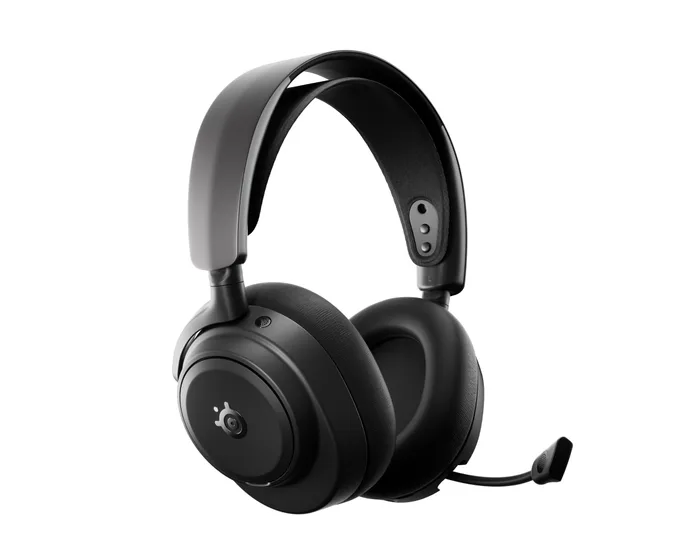
A gaming headset seems simple until you read the box and hit a wall of driver sizes, connection acronyms, and audio buzzwords. Most of those numbers matter far less than three unglamorous things: whether it stays comfortable after hours, whether the mic is good enough to skip a standalone one, and whether it holds up over months. This guide decodes the jargon so you can shop on what counts.
The 30-second version
- Comfort beats specs. Clamp force, weight, and earpad wear affect your experience far more over a year than any driver size on the box.
- Wireless is genuinely good now. Modern 2.4GHz wireless runs at latency you cannot feel, so the old wired-only argument is mostly about price and weight rather than lag.
- The mic can replace a standalone one. A good detachable boom mic is clear enough for team chat, saving both money and desk space, so judge it on your actual use.
- ANC is a bonus, not a requirement. A well-sealed closed-back headset already blocks plenty of room noise on its own, so treat active noise cancellation as a nice extra.
- Do not pay a flagship price for looks. A style-first, wired-only headset that costs as much as capable wireless models is usually the wrong trade for most buyers.
The products this guide is about
Our verdict on each, with the full reasoning on the companion review.
- Buy SteelSeries Arctis Nova Pro Omni The do-everything wireless headset that removes the two things people hate about wireless: dead batteries and device juggling. Amazon
- Buy Logitech G Pro X 2 Lightspeed A focused competitive headset with clean 50mm graphene drivers and a mic good enough for team chat, wrapped in a comfortable metal frame. Amazon
- It depends HyperX Cloud III A wired value pick with build quality and a microphone that punch above the tier, as long as you accept a cable and reach for the EQ. Amazon
- Skip Razer Kraken Kitty V2 Pro A charming, camera-ready headset that asks a wireless-flagship price for a wired-only USB product. Amazon
What actually matters
- Comfort over long sessions - clamp force, weight distribution, and how earpads wear in matter more than any spec, because a headset you take off after an hour is a headset you will not use.
- Connection type - wireless frees you from cables and suits multi-device play, while wired trades that freedom for lower price, lighter weight, and never needing a charge.
- Microphone quality - a clear boom mic that rejects background noise can replace a separate mic for team chat, which is where most of the practical value of a headset lives.
- Positional accuracy - how precisely you can place footsteps and other cues in the sound field, which matters most in competitive shooters.
- Build and durability - metal frames and replaceable parts survive years of daily use, while thin plastic and fixed cables become the reason a headset dies early.
- Sound tuning and EQ - whether the default tuning suits games out of the box or needs a few minutes in a companion app to fix thin or bass-light audio.
- Battery and charging - for wireless, how long it lasts and how painless topping up is, since a headset that dies mid-session undermines the whole point.
The specs, in plain English
Green flags vs red flags
Green flags
- A detachable or retractable boom mic that owners say is clear enough to skip a standalone mic
- A metal or reinforced frame and replaceable earpads that signal it will survive years of use
- Low-latency 2.4GHz wireless (not just Bluetooth) if you are buying wireless for gaming
- Flexible connectivity that fits your setup, whether that is multi-device wireless or reliable multi-port wired
- A companion app with a real EQ so you can fix the tuning to your taste
Red flags
- A non-detachable, fixed cable on an otherwise premium headset, which becomes a single point of failure
- A flagship price on a wired-only or style-first product when comparable money buys capable wireless
- Owner reports of headband tension loosening or earpads compressing badly within months
- Marketing that leans on RGB lighting and looks rather than comfort, mic, or sound
- Bluetooth-only wireless marketed for competitive gaming, where its latency works against you
Who's who: the brands
- SteelSeries - Known for the Arctis line and feature-rich flagships, including base stations and swappable-battery systems for do-everything wireless.
- Logitech G - Logitech's gaming arm, respected for competitive-focused headsets with clean positional audio and reliable low-latency wireless.
- HyperX - The value benchmark, known for comfortable, well-built wired headsets with surprisingly good mics for the price.
- Razer - Style-forward gaming brand with strong RGB and streamer aesthetics, though its lineup ranges from great value to looks-over-substance.
How to read a listing without getting fooled
Read a headset listing from the practical end, not the spec sheet. Start with the connection line: 2.4GHz wireless means low-latency gaming wireless, Bluetooth alone means convenience with noticeable lag, and wired means no battery to manage. Do not be swayed by a large driver number on its own, since tuning matters more than millimeters. Check whether the mic is detachable and described as cardioid, which is the shorthand for a mic that stays clean in chat. Treat ANC and spatial-audio branding as bonuses rather than deciding factors. Finally, look past the marketing photos to what owners report after months of use, because headband tension, earpad wear, and cable durability are what a spec sheet will never tell you.
How much should you spend?
Spend based on how you play rather than chasing the top tier. The biggest jump in cost is wireless, so if you play across devices or hate cables, budget for it and expect to pay a real premium; if you want the most sound and mic quality for the least money, a good wired headset is the efficient choice and often punches above its price. Extra spending buys genuine capability when it adds low-latency multi-device wireless, active noise cancellation, or a base station that solves charging and device switching. It stops being worth it when you are paying a flagship price mainly for lighting, a distinctive look, or a brand name rather than comfort, mic quality, and durability. Be especially wary of any headset that costs as much as capable wireless models while being wired-only, because that is a premium spent on style, not substance.
Questions, answered
Is a wireless gaming headset worth it over wired?
For most people, yes. Modern 2.4GHz wireless runs at latency too small to feel, so it plays just like wired. Wired still wins on price, weight, and never needing a charge, which is why a good wired headset remains a smart value buy.
Does driver size determine how good a headset sounds?
No. A larger driver is not automatically better. How the headset is tuned, the materials used, and the earcup design matter far more than the millimeter number. Judge sound by independent testing and owner reports, not by driver diameter alone.
Do I need active noise cancellation in a gaming headset?
Usually not. A well-sealed closed-back headset already blocks plenty of room noise on its own. ANC helps in loud shared spaces and for music, but it adds cost and a little sound coloration, so treat it as a bonus rather than a must-have.
Are built-in headset microphones good enough for team chat?
The better ones are. Clear detachable boom mics reject background noise well enough that most players skip a standalone mic. Streamers who want broadcast polish are still better served by a dedicated USB or XLR mic.
Bluetooth or a 2.4GHz dongle for gaming?
Use the 2.4GHz dongle for gaming, because its latency is low enough that you cannot feel it. Bluetooth is great for pairing with a phone or for music, but its lag is noticeable in fast games, so it is best kept as a secondary connection.
How long should a gaming headset last?
A well-built headset should last several years, but longevity comes down to a few weak points: headband tension can loosen, earpads compress and can need replacing, and fixed cables are a common failure spot. Favor metal frames, replaceable pads, and detachable cables to get the most life out of one.
Or jump to the head-to-head: SteelSeries Arctis Nova Pro Omni vs Logitech G Pro X 2 Lightspeed.