

Audio & Headphones
The Best Gaming Headsets in 2026 (and One to Skip)
We compared four 2026 gaming headsets on comfort, mic clarity, wireless freedom, and long-term value to find which are worth buying and which to skip.
The short version
The SteelSeries Arctis Nova Pro Omni is our overall pick: hot-swap batteries mean it never dies mid-session, and its GameHub mixes PC, console and phone audio with 4-mic hybrid noise cancellation. The Logitech G Pro X 2 Lightspeed is the value-conscious competitive choice with clean graphene-driver imaging. Want wired simplicity and a great mic for less? The HyperX Cloud III delivers, provided you tweak the EQ. Skip the Razer Kraken Kitty V2 Pro, which charges a flagship price for a wired-only, style-first headset.
Our picks at a glance
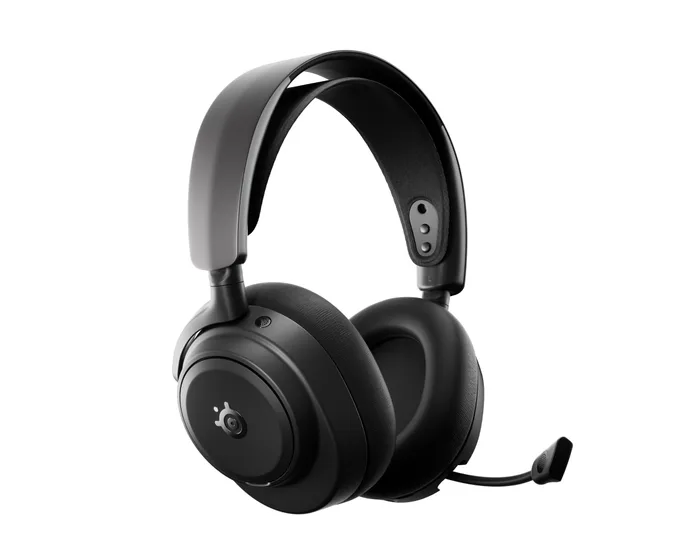
- SteelSeries Arctis Nova Pro Omni - Buy. The do-everything wireless headset that removes the two things people hate about wireless: dead batteries and device juggling.
- Logitech G Pro X 2 Lightspeed - Buy. A focused competitive headset with clean 50mm graphene drivers and a mic good enough for team chat, wrapped in a comfortable metal frame.
- HyperX Cloud III - It depends. A wired value pick with build quality and a microphone that punch above the tier, as long as you accept a cable and reach for the EQ.
- Razer Kraken Kitty V2 Pro - Skip. A charming, camera-ready headset that asks a wireless-flagship price for a wired-only USB product.
The verdict in 30 seconds
What mattered most
- Connection
- Battery life
- Noise cancelling
- Microphone
- Standout feature
- Our verdict
A gaming headset lives or dies on the unglamorous details: comfort after the third hour, whether the microphone is good enough to leave a standalone mic in the drawer, and how the thing holds up months later. We synthesized independent expert testing and long-term owner reports on currently sold 2026 models. Three are worth your money for different reasons, and one popular pick is mostly paying for a look.
The do-everything wireless headset that removes the two things people hate about wireless: dead batteries and device juggling.
Best for: People who want one headset for PC and console and never want to think about charging it.
- Infinite Power System ships two hot-swappable batteries, one charging in the GameHub while the other runs, rated at up to 30 hours each on 2.4GHz with ANC off
- The GameHub takes three USB-C system inputs plus line-in, and OmniPlay mixes up to four sources at once, alongside 4-mic hybrid ANC with a transparency mode
- Retractable ClearCast Pro boom mic with onboard AI noise rejection, and Bluetooth 5.3 with LE Audio
- SteelSeries rates each battery at only 19 hours with ANC on and 2.4GHz plus Bluetooth running together
- At a stated 339g it is a heavy headset, and DTS Headphone and Dolby Atmos are sold separately
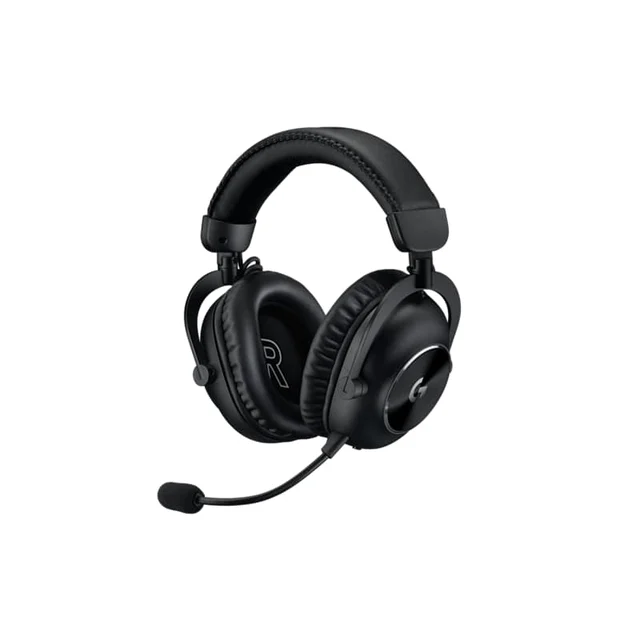
A focused competitive headset with clean 50mm graphene drivers and a mic good enough for team chat, wrapped in a comfortable metal frame.
Best for: Competitive FPS players who want clean positional cues wirelessly and do not need ANC.
- 50mm graphene drivers give precise, controlled positional audio that helps place footsteps in shooters
- Tri-mode connectivity (2.4GHz Lightspeed, Bluetooth, and 3.5mm) with battery life rated at up to 50 hours
- No active noise cancellation, and the in-app EQ is shallow
- The curly cords near the earcup yokes are a known weak point, so it needs its case when packed away
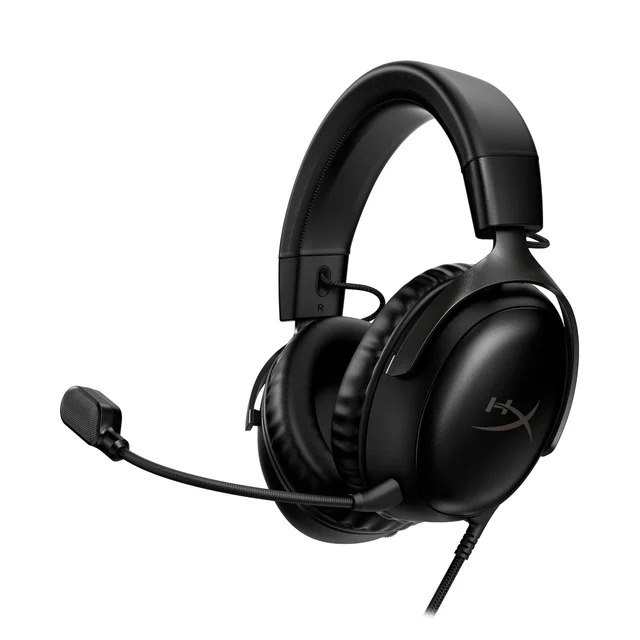
A wired value pick with build quality and a microphone that punch above the tier, as long as you accept a cable and reach for the EQ.
Best for: Budget-minded players who want a plug-in-and-forget headset with a genuinely good mic.
- Aluminum frame and memory-foam leatherette make it comfortable and durable, with a detachable 10mm noise-cancelling mic that stays clear in chat
- Always-on wired reliability across USB-C, USB-A, and 3.5mm, with no battery to manage and no 2.4GHz interference
- The default tuning is bass-light, so game audio lacks rumble until you adjust the EQ
- As a closed-back design it has a narrow soundstage, and the long cable is easy to snag
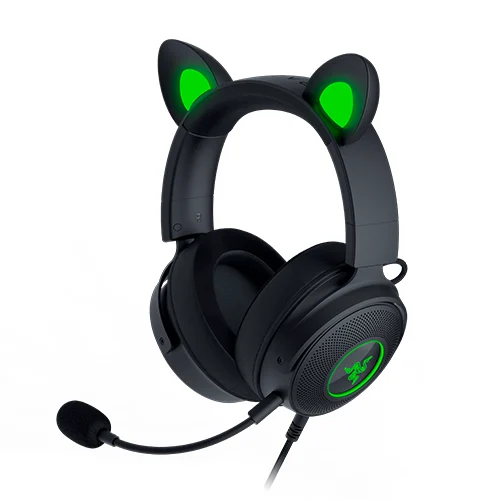
A charming, camera-ready headset that asks a wireless-flagship price for a wired-only USB product.
Best for: Streamers and kawaii-aesthetic fans who value on-camera style over connectivity or value.
- Swappable lit ear designs and Chroma RGB give it a distinctive on-stream look that nothing else matches
- The 50mm drivers and THX Spatial Audio produce competent sound once you are wired in
- It costs about as much as strong wireless headsets yet connects only by USB cable, with no wireless mode
- The headband is sparsely padded and runs tight, so long sessions get uncomfortable
| Criteria | SteelSeries Arctis Nova Pro Omni Top pick | Logitech G Pro X 2 Lightspeed | HyperX Cloud III | Razer Kraken Kitty V2 Pro |
|---|---|---|---|---|
| Verdict | Buy it | Buy it | It depends | Skip it |
| Best for | People who want one headset for PC and console and never want to think about charging it. | Competitive FPS players who want clean positional cues wirelessly and do not need ANC. | Budget-minded players who want a plug-in-and-forget headset with a genuinely good mic. | Streamers and kawaii-aesthetic fans who value on-camera style over connectivity or value. |
| Price tier | $$$$ · flagship | $$$ · premium | $ · budget | $$$ · premium |
| Connection | 2.4GHz wireless + Bluetooth 5.3, up to 4 sources mixed | 2.4GHz wireless + Bluetooth + 3.5mm | Wired: USB-C, USB-A, 3.5mm | Wired: USB-A only |
| Battery life | Two hot-swap batteries, up to 30 hours each (ANC off) | Up to 50 hours (rated) | Not applicable (wired) | Not applicable (wired) |
| Noise cancelling | Active ANC + transparency mode | None | None (passive seal only) | None |
| Microphone | Retractable, omnidirectional, AI noise rejection | Detachable with Blue VO!CE | Detachable 10mm, uni-directional | Detachable cardioid |
| Standout feature | Swappable batteries + GameHub | 50mm graphene drivers | Build and mic for the price | Swappable lit RGB ears |
| Our verdict | Buy | Buy | Depends | Skip |
Which one is right for you?
- People who want one headset for PC and console and never want to think about charging it. Buy it SteelSeries Arctis Nova Pro Omni
- Competitive FPS players who want clean positional cues wirelessly and do not need ANC. Buy it Logitech G Pro X 2 Lightspeed
- Budget-minded players who want a plug-in-and-forget headset with a genuinely good mic. It depends HyperX Cloud III
- Streamers and kawaii-aesthetic fans who value on-camera style over connectivity or value. Skip it Razer Kraken Kitty V2 Pro
How we judged the field
RBE does not run a lab. We read across independent expert testing and long-term owner reports, then weigh the patterns that keep repeating: comfort after the third hour, whether the microphone is good enough to leave a standalone mic in the drawer, how wireless holds up months later, and whether the price buys real capability or mostly branding. For gaming headsets we paid particular attention to positional accuracy, chat clarity, and the boring things owners complain about after six months, namely headband tension, earpad compression, and fragile cables.
We only considered models still in production in 2026, and we deliberately kept the list short. Three headsets earn a recommendation for different budgets and priorities, and one popular option is here as a warning rather than a suggestion.
SteelSeries Arctis Nova Pro Omni: Buy
Buy itThis is the closest thing to a set-and-forget headset, and it is the current version of SteelSeries’ swappable-battery flagship. The Infinite Power System ships two hot-swappable batteries: one charges in the GameHub while the other runs, so when a cell gets low you swap it and keep playing. SteelSeries rates each battery at up to 30 hours on 2.4GHz with ANC off, and a 15-minute USB-C fast charge gives up to 4 hours. The GameHub is the other half of the appeal. It has three USB-C system inputs plus line-in and line-out, and OmniPlay mixes up to four sources at once, so Discord on a PC and game audio from a console play together without re-plugging anything. Add 4-mic hybrid active noise cancellation with a transparency mode, a retractable ClearCast Pro boom mic with onboard AI noise rejection, and Bluetooth 5.3 with LE Audio.
The reservations are on the spec sheet. With ANC on and 2.4GHz and Bluetooth running together, SteelSeries rates each battery at 19 hours, which makes the swap routine rather than occasional. The headset weighs a stated 339g, and DTS Headphone and Dolby Atmos spatial audio are sold separately. Neither is a dealbreaker, but they are the reason this is a considered buy rather than a blind one.
Logitech G Pro X 2 Lightspeed: Buy
Buy itWhere the SteelSeries is a Swiss Army knife, the Logitech is a scalpel aimed at competitive play. Its 50mm graphene drivers produce controlled, precise audio that makes footsteps and reloads easy to place, and the metal-and-plastic frame stays comfortable through long matches. Connectivity is flexible, with 2.4GHz Lightspeed, Bluetooth, and a 3.5mm cable, and Logitech rates battery life at up to 50 hours. The detachable mic with Blue VO!CE processing is more than good enough for team chat.
The compromises are clear. There is no active noise cancellation, and the companion app EQ is shallow compared with the SteelSeries software. The curly cords near the earcup yokes are also a documented weak spot, so this is a headset you keep cased when it travels. For a player who lives in shooters and does not need ANC, none of that gets in the way.
HyperX Cloud III: Depends
It dependsThe Cloud III is the value anchor, and it earns a conditional recommendation rather than a flat yes. The build is the story: an aluminum frame with memory-foam leatherette that is comfortable and hard to break, plus a detachable 10mm noise-cancelling mic that comes through clearly and rejects background noise better than the tier suggests. Because it is wired across USB-C, USB-A, and 3.5mm, there is no battery to manage and no 2.4GHz interference to troubleshoot, which is a real advantage if you have been burned by flaky wireless.
The caveats are why it is a depends. The default tuning is light on bass, so game audio can feel thin until you spend a few minutes in the EQ. As a closed-back set it also has a fairly narrow soundstage, and the generous cable length is easy to catch under a chair wheel. Accept the wire and adjust the sound, and it is hard to beat for the money.
Razer Kraken Kitty V2 Pro: Skip
Skip itThe Kraken Kitty V2 Pro is not a bad-sounding headset. Its 50mm drivers and THX Spatial Audio are competent, and the swappable lit ear designs and Chroma RGB give it a look nothing else on this list can match, which is genuinely appealing for a webcam-forward stream. The problem is what you give up to get there. It asks a price in the range of capable wireless flagships, yet it is USB-only with no wireless mode at all in a year when the field is overwhelmingly wireless. The headband is also sparsely padded and runs tight, so comfort fades over a long session. You are paying a premium for the aesthetic, and that is the wrong trade for most buyers.
SteelSeries Arctis Nova Pro Omni vs Logitech G Pro X 2 Lightspeed: which should you buy?
These are the two headsets worth agonizing over, and the split is about breadth versus focus. The Arctis Nova Pro Omni is the one to buy if you rotate between a PC and a console, want active noise cancellation, and value never waiting on a charge. The GameHub and battery swapping justify the higher price, and the trade you accept is a heavier headset at a stated 339g.
The G Pro X 2 Lightspeed makes more sense if you mostly play competitive shooters on one platform and would rather put the money into audio precision than into a hub. It is lighter on features, with no ANC and a basic EQ, but the graphene drivers and comfortable frame make it the better pure-gaming tool for less. If your day includes movies, music, and console switching, lean SteelSeries. If it is ranked matches on PC, lean Logitech.
What to look for
Start with connection. If you play across devices or hate cables, buy wireless and expect to pay for it; if you want the most sound and mic for the least money, a wired set like the Cloud III is the efficient choice. Next, be honest about comfort, because clamp force and earpad wear matter more over a year than any spec sheet. Then judge the microphone on whether it can replace a standalone mic for your use, since a good boom mic saves both money and desk space. Treat ANC as a bonus rather than a requirement, and be skeptical of any headset whose main selling point is how it looks on camera.
Our final take
The SteelSeries Arctis Nova Pro Omni is our overall pick because it removes the everyday friction of wireless while covering PC and console at once, and the Logitech G Pro X 2 Lightspeed is the sharper, more affordable choice for competitive players. If you would rather not pay for wireless, the HyperX Cloud III delivers strong build and mic quality once you nudge the EQ. The Razer Kraken Kitty V2 Pro is the one to pass on, because a flagship price for a wired-only, style-first headset is a trade very few people should make.
Questions, answered
Is a wireless gaming headset worth it over wired in 2026?
For most people, yes. Modern 2.4GHz gaming wireless is low-latency enough that most players cannot tell it from wired. Wired still wins on price, weight, and never needing a charge, which is why a good wired headset remains a smart value buy.
Do I need active noise cancellation in a gaming headset?
Not usually. A well-sealed closed-back headset already blocks plenty of room noise passively. ANC helps in loud shared spaces and for music, but it adds cost and a little sound coloration, so treat it as a bonus rather than a must-have feature.
Are built-in headset microphones good enough for team chat?
The better ones are. Detachable boom mics on the Cloud III and G Pro X 2 sound clear and reject background noise well enough that most players skip a standalone mic. Streamers who want broadcast polish are still better served by a dedicated USB or XLR mic.
Why skip the Razer Kraken Kitty V2 Pro?
It is a competent, distinctive-looking headset, but it costs about as much as strong wireless models while being USB-only with no wireless mode. The sparsely padded headband also runs tight. You pay a premium mainly for the aesthetic.
Deciding between the top two? See our head-to-head: SteelSeries Arctis Nova Pro Omni vs Logitech G Pro X 2 Lightspeed.
More Audio & Headphones reviews
 The Best Guitar Amps for Practice and Home: 4 Compared (and One to Skip)
  The Best Turntable Headshells: 4 Compared (and One to Skip)
  The Best Home Karaoke Machines: 4 Compared (and One to Skip)
  The Best Volume-Limited Kids' Headphones: 4 Compared (and One to Skip)
  The Best Microphone Boom Arms: 4 Compared (and One to Skip)
  The Best Microphone Shock Mounts: 4 Compared (and One to Skip)