

Explained
Electric Can Openers, Explained
After reading, you'll know exactly which cutting style to buy and what every spec on the box actually means for your hands, your food, and your counter.
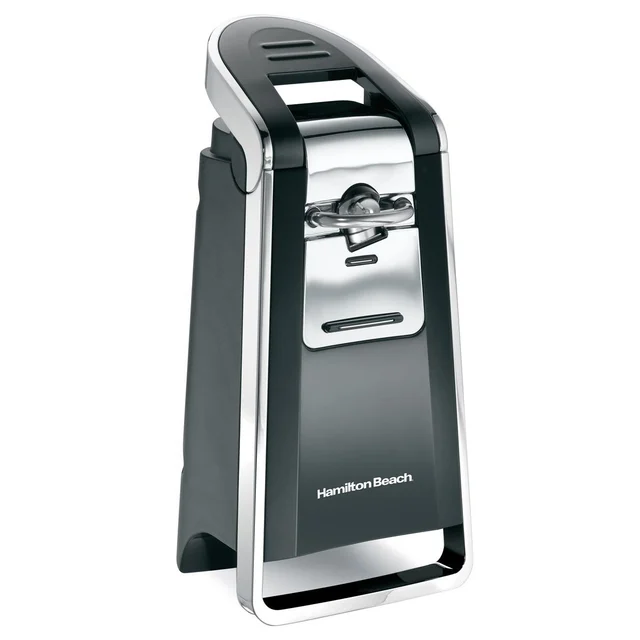
In this guide
An electric can opener seems like the most boring appliance in the kitchen until one mangles a lid, drops a sharp disc into your soup, or stalls halfway around the can. The single choice that decides all of that is the cutting style, and most people never notice it until it bites them. This guide walks you through the one big decision and the handful of smaller ones so you can pick with confidence.
The 30-second version
- Cutting style is the whole game. Side-cut (smooth-edge) openers slice the outer seam and leave a blunt, safe rim; traditional top-cut openers cut under the lid and leave a sharp edge while the wheel dips into your food.
- Hands-free auto-stop beats hold-to-run. The best openers finish the cut and shut off by themselves, so there is nothing to grip, twist, or hold down, which matters most for tired or arthritic hands.
- Match the form factor to your space. A corded countertop tower is fastest and steadiest on big cans, while a handheld battery unit disappears into a drawer and travels anywhere.
- Hygiene follows the blade. If the cutting wheel never touches the contents, cleanup is minimal; if it does, look for a removable or dishwasher-safe cutting part.
- Extras are nice, not decisive. A built-in bottle opener, magnetic lid-lift, and cord storage are handy conveniences, but never let them override the cutting style.
What actually matters
- Cutting mechanism (side-cut vs top-cut) — this is the first thing to check and the one that affects safety, cleanup, and whether the lid drops into your food. Side-cut wins on all three for most people.
- Hands-free auto-stop — an opener that runs the full lap and stops on its own is far easier and safer than one you have to hold a lever down on the entire time.
- Grip and hand-strength friendliness — one-touch start, low clamping force, and light weight decide whether the opener works for arthritic or weak hands.
- Food-contact hygiene and blade cleaning — whether the blade touches the contents, and whether the cutting part detaches for washing, determines how gross the tool gets over time.
- Footprint, power source, and storage — corded towers own permanent counter space; handheld battery units store away but depend on fresh batteries.
- Build and drive-gear durability — the internal gear that turns the cutting wheel is what wears out first, so a sturdier drive train tends to outlast a flimsy one.
- Useful extras — a magnetic lid-lift so you never fish out the lid, a bottle opener, and tidy cord storage add day-to-day convenience.
The specs, in plain English
Green flags vs red flags
Green flags
- It clearly states side-cut or smooth-edge cutting that leaves no sharp lid.
- One-touch start with a true automatic stop, so you never hold anything down.
- The blade rides the outer seam and stays out of the food, or the cutting part detaches for washing.
- A magnetic or built-in lid-lift so the lid never drops into the contents.
- Light, low-force operation and a stable base, described as easy on the hands.
- Thoughtful extras like cord storage or a bottle opener without a big price jump.
Red flags
- Listing avoids naming the cutting style, or shows a wheel biting the top of the lid (a giveaway it is top-cut).
- You have to hold a lever or button down for the entire cut with no auto-stop.
- Owners repeatedly report it stalls partway around, drops the lid inside, or fails to cut all the way through.
- The blade contacts the food but the cutting part does not come off for cleaning.
- A premium price for a plain top-cut design with no safety or convenience upgrades.
- Vague, thin build described as flimsy, or a motor that reportedly weakens quickly.
Who's who: the brands
- Hamilton Beach - Value-focused kitchen brand widely known for affordable, hands-free smooth-edge countertop openers.
- Kitchen Mama - Specialists in compact, battery-powered handheld smooth-edge openers aimed at small kitchens and easy grip.
- Cuisinart - Premium housewares maker known for heavy, well-built countertop appliances, though some openers keep a traditional top-cut wheel.
- Proctor Silex - Budget line offering simple, no-frills top-cut towers at the low end of the market.
- BLACK+DECKER - Familiar mass-market brand with a range of basic corded countertop openers.
How to read a listing without getting fooled
Start with the cutting style, because manufacturers sometimes bury it. If the listing says side-cut, smooth-edge, or safe-edge, that is the good kind; if it only shows a wheel biting the top of the lid or never mentions the style at all, assume it is a traditional top-cut and treat that as a downside. Next, confirm it is genuinely hands-free with an automatic stop rather than a hold-down lever. Check whether the blade touches the food and whether the cutting part detaches for cleaning. For handheld units, note that it runs on batteries and that owners often mention stalling when the batteries get weak. Skim owner reports for the same recurring complaint, since one or two gripes are noise but a pattern of stalls, dropped lids, or dead motors is a real warning. Do not be swayed by a long list of extras until the cutting style and auto-stop check out.
How much should you spend?
The reassuring news is that the safest, most convenient design no longer costs the most. Hands-free smooth-edge countertop openers and compact battery handhelds sit in a comfortable middle band that is where the value lives, so most buyers should aim there rather than at the cheapest tower. The bottom of the market is where you find bare top-cut openers that leave sharp lids and take nothing off your hands, and because safer options cost about the same, spending less usually buys you a worse experience rather than a bargain. Paying up into premium territory mainly gets you a heavier build, a longer cord, and nicer materials, which is worth it if you open cans constantly or want a substantial tower, but it is not worth it if that premium unit still uses an old-fashioned top-cut wheel. Spend for the cutting style and the auto-stop first, and treat weight and materials as a secondary luxury.
Questions, answered
What is the real difference between a smooth-edge (side-cut) and a top-cut can opener?
A smooth-edge opener cuts along the outer side seam of the lid, so the lid comes off with a rounded, blunt edge and the blade never touches the food. A top-cut opener drives a wheel through the top of the lid and cuts under the rim, which removes the lid but leaves a sharp edge on both the lid and the can, and the wheel dips into the contents. If safety and easy cleanup matter to you, smooth-edge is the better design.
Which type is best for arthritis or weak hands?
Look for one-touch operation with a true automatic stop, so there is nothing to grip, twist, or hold down while it works. A light handheld unit is often the easiest of all because there is no lever to press and hold, but any hands-free countertop model with low clamping force is a big improvement over a hold-to-run design.
Is a corded countertop opener or a cordless handheld better?
A corded tower is faster and more consistent on large or dented cans and never needs batteries, but it claims permanent counter space. A cordless handheld stores in a drawer, travels well, and is gentle on the hands, at the cost of depending on fresh batteries. The most common cordless frustration is a stall partway around a can when the batteries run low, so keep spares on hand.
Do electric can openers open jars or bottles too?
Many countertop models include a built-in bottle opener, and it is a handy bonus. None of them is a true jar opener, though, so if stubborn jar lids are your main struggle you will want a separate jar-opening tool rather than counting on the can opener.
How do I keep the blade clean and hygienic?
On a smooth-edge opener the blade rides the outer seam and stays out of the food, so it needs little more than an occasional wipe. On a top-cut opener the wheel contacts the contents and should be rinsed after anything messy; a model with a removable or dishwasher-safe cutting part makes that far less of a chore. Avoid submerging the powered body itself.
Related guides
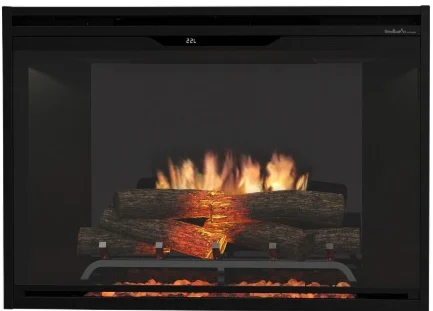 Electric Fireplaces After reading, you'll know which format fits your room, how to spot a convincing flame, and why every plug-in unit is a supplemental heater, not a furnace.
 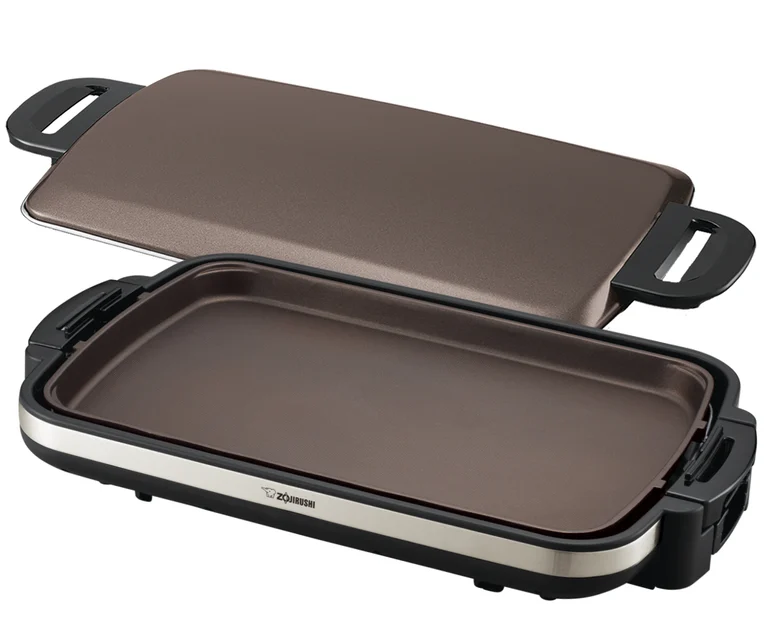 Electric Griddles After reading this you will know which griddle specs matter, which are marketing noise, and how to match a model to your kitchen.
 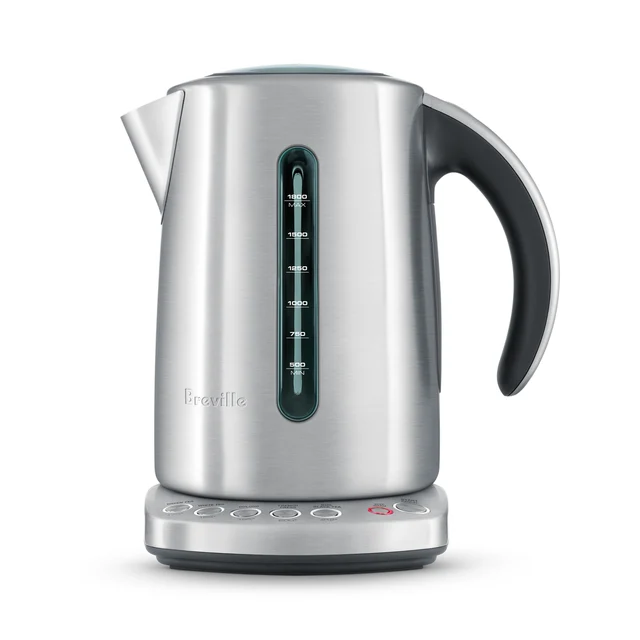 Electric Kettles After reading this you will know which kettle specs actually matter for how you drink, and which are marketing noise.
 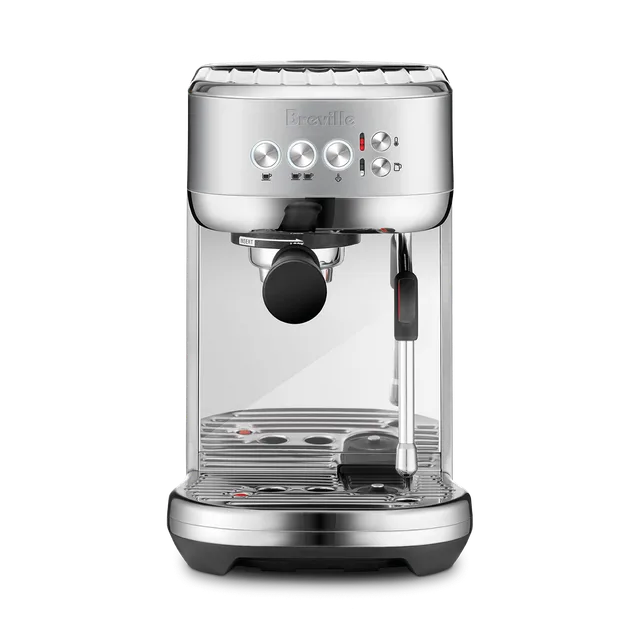 Espresso Machines Understand every spec on the box so you can buy the machine that fits your kitchen, not the one with the biggest number.
 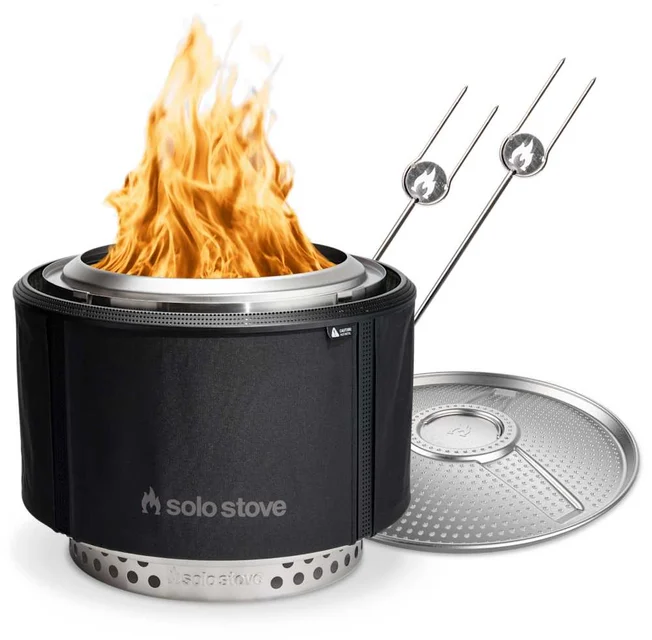 Fire Pits After reading, you'll know exactly what to look for in a fire pit, what the marketing words really mean, and which trade-offs actually matter for how you'll use it.
 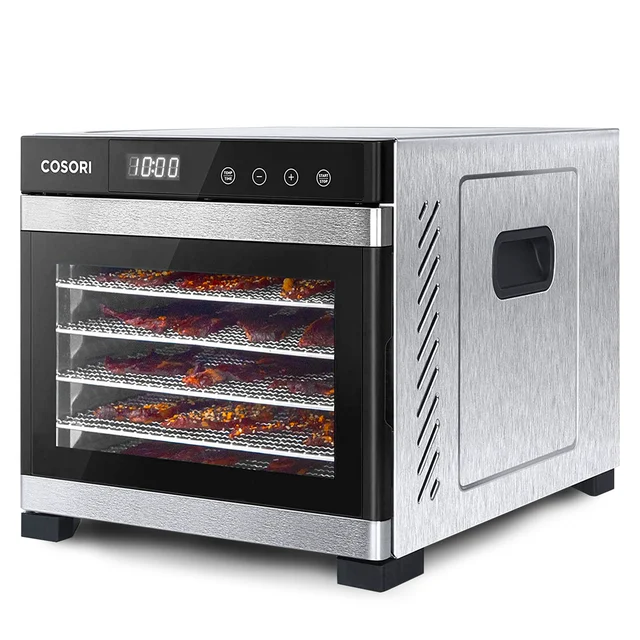 Food Dehydrators After reading this, you'll understand why airflow design decides everything, and you'll be able to read any dehydrator's spec sheet without getting fooled.