

Explained
Egg Cookers, Explained
After reading, you'll understand exactly how an electric egg cooker turns measured water into perfectly done eggs, and which features are worth paying for.
In this guide
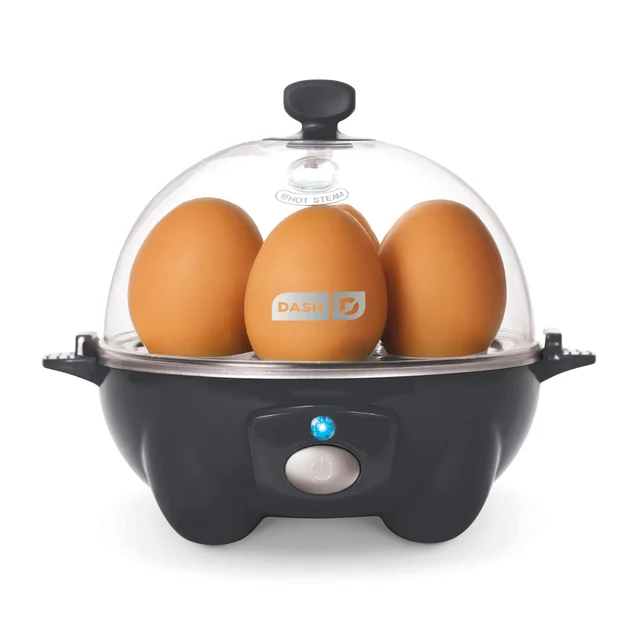
An electric egg cooker is one of the simplest countertop appliances there is: it steams eggs with a measured splash of water, then shuts off and beeps when they're done. The catch is that almost every model works the same way under the hood, so listings pile on trays and buzzwords that make them look more different than they are. This guide decodes what's actually going on, so you can tell a meaningful feature from marketing.
The 30-second version
- They nearly all work the same way. You add a measured amount of water, the machine steams the eggs until that water evaporates, and it shuts off automatically, so the real differences are build quality and trays, not cooking ability.
- Water is the timer. On most cookers, more water means harder eggs and less water means softer, which means your first batch or two is calibration until you learn your amounts.
- Auto shut-off beats a beep-only buzzer. A model that actually powers itself off protects your eggs from overcooking if you're not standing there; a buzzer alone still relies on you.
- More trays means more usefulness and more washing. Poaching and omelet trays genuinely expand what you can make, but only buy them if you'll use them, otherwise they're extra parts to clean.
- Bigger isn't automatically better. Single-tier cookers cook evenly, while stacked double-decker designs tend to cook the top layer less evenly, so more capacity can mean less consistency.
What actually matters
- Doneness control — Understand whether the cooker sets softness by a water-line measuring cup (the norm) or by a true timer or electronic setting. The water method works well but takes a batch or two to dial in; a real timer is more repeatable but rarer.
- Capacity and tiers — Match the eggs-per-batch number to how you cook. A single-tier six or seven-egg cooker covers most households and cooks evenly; a double-decker promises more but a single water measure controls both tiers at once.
- Auto shut-off vs. buzzer-only — Confirm the cooker truly switches itself off, not just beeps. Auto shut-off is the whole point of walking away; a buzzer-only model can still overcook if you don't come back.
- Included trays and functions — Decide up front whether you want just boiled eggs or also poaching, omelets, and steaming vegetables or dumplings. Extra trays add capability but also parts to line up and wash.
- Build and cleanup — A stainless base wears and wipes better than glossy plastic and resists cosmetic scuffs, while the heating plate on any model collects mineral scale over time and needs an occasional wipe.
- Footprint and storage — These live on the counter or in a cabinet, so a compact single-tier unit stores easily while a tall stacked design takes more room and has more pieces to corral.
- Piercing pin — A tiny pin, usually on the bottom of the measuring cup, pricks the shell before cooking to reduce cracking and make eggs peel more cleanly. Small detail, real difference.
The specs, in plain English
Green flags vs red flags
Green flags
- The listing clearly states auto shut-off, not just an alarm or buzzer
- A single-tier design if you mainly want evenly cooked boiled eggs
- A clearly marked measuring cup with a piercing pin included
- A stainless base or solid build if the cooker will live out on the counter
- Owner reports mention easy peeling and quick cleanup, not just fast cooking
- Only the trays you'll actually use, so you're not paying for or washing extras
Red flags
- A buzzer or alarm mentioned with no clear auto shut-off
- A tall double-decker sold on capacity, when owners note uneven top-tier cooking
- No included measuring cup or unclear water lines, which makes doneness a guess
- Lots of trays you won't use, adding parts to line up and clean every time
- Flimsy glossy plastic reviewers say scuffs, stains, or feels cheap over time
- No mention of how to descale or clean the heating plate, which scales up over time
Who's who: the brands
- Dash - Known for compact, inexpensive single-tier cookers that cover the basics and store almost anywhere.
- Elite Gourmet - Offers both plastic and stainless-base models, spanning simple single-tier cookers and larger stacked designs.
- Hamilton Beach - A broad kitchen brand whose egg cookers lean into versatility with poaching and omelet trays alongside boiling.
- Cuisinart - A mainstream housewares name whose egg cookers pair the usual steam method with a more premium build and finish.
- BELLA - A budget-friendly countertop brand offering straightforward single-tier cookers with the standard tray set.
How to read a listing without getting fooled
Start by mentally separating what every egg cooker does from what this one adds. The cooking mechanism is nearly identical across the category, so a listing loaded with adjectives about 'perfect eggs' is describing the baseline, not an advantage. Look instead for three concrete things: does it say auto shut-off (the machine powers off) rather than just a buzzer or alarm; is it a single tier or a stacked double-decker; and which trays actually come in the box. Read the capacity number as a maximum for boiled eggs in the shell, knowing poaching and omelet counts are usually lower. Treat 'includes measuring cup with pin' as a small green flag, since that pin drives easier peeling. Finally, skim owner reports for the two things spec sheets never admit: whether the doneness is repeatable once you've calibrated, and whether the heating plate scales up or the plastic scuffs over months of use.
How much should you spend?
Egg cookers are a category where the cheapest sensible option is usually the right one, because they all cook eggs by the same steam-and-shut-off method. A basic single-tier plastic model does everything most kitchens need, and spending more rarely buys better eggs. Where extra money is genuinely worth it is materials and finish: a stainless base wears and wipes better and looks nicer if the cooker lives out on the counter, which is a fair reason to step up a tier. Paying more for a large double-decker is the case to think hardest about, since the added capacity often comes with less even cooking, and running a smaller cooker twice can beat one uneven big batch. Put your money toward build quality and the specific trays you'll use, not toward the highest egg count on the box.
Questions, answered
How does an egg cooker set soft, medium, or hard without a timer?
Most use a water-measure system. You fill an included cup to a marked line for the doneness you want, add that water, and the cooker steams the eggs until it evaporates, then shuts off and beeps. Less water gives softer eggs and more water gives harder ones. Because it's based on evaporation rather than a clock, your first batch or two is really calibration to learn what your eggs and kitchen need.
Why do people say the eggs peel more easily than stovetop-boiled?
Owners widely report that steam-cooked eggs peel more cleanly than traditionally boiled ones, because the steam seems to help separate the membrane from the white. The small pin on the measuring cup also pierces the shell before cooking, which relieves pressure, reduces cracking, and makes the peel come off in fewer pieces.
What's the difference between auto shut-off and a buzzer?
A buzzer or alarm just beeps to tell you the eggs are done; it still relies on you to unplug or intervene. Auto shut-off means the cooker actually cuts its own power when the water runs out, so the eggs stop cooking whether or not you're nearby. Auto shut-off is what makes it safe to walk away, so look for a model that clearly has it rather than a beep alone.
Do I need all the extra trays for poaching, omelets, and steaming?
Only if you'll use them. The poaching tray, omelet tray, and steaming insert genuinely expand what the cooker can make beyond boiled eggs, and some people love that. But every extra tray is another part to fill, line up, and wash, and the water amounts for poaching and omelets take practice to nail. If you mostly want a batch of hard-boiled eggs, a simpler cooker with fewer trays is less fuss.
Is a bigger 14-egg cooker better for meal prep?
Not necessarily. Large double-decker cookers can hold more, but a single water measure controls both stacked tiers, and owners report the upper level cooks less evenly, so a full batch can finish inconsistently. For most people, running a six or seven-egg single-tier cooker twice produces more uniform results than one uneven big batch. Buy the big one only if you truly batch-cook a dozen-plus eggs regularly and will tolerate some unevenness.
How do I keep an egg cooker clean and working long-term?
Day to day it's easy: rinse the trays and wipe the heating plate after it cools. Over time, minerals from your water can leave scale on the heating plate, which an occasional wipe with a little vinegar removes. Stainless-based units tend to wear better cosmetically, while plastic budget models are lighter and generally hold up fine with gentle use and regular descaling.
Related guides
 Electric Can Openers After reading, you'll know exactly which cutting style to buy and what every spec on the box actually means for your hands, your food, and your counter.
  Electric Fireplaces After reading, you'll know which format fits your room, how to spot a convincing flame, and why every plug-in unit is a supplemental heater, not a furnace.
  Electric Griddles After reading this you will know which griddle specs matter, which are marketing noise, and how to match a model to your kitchen.
 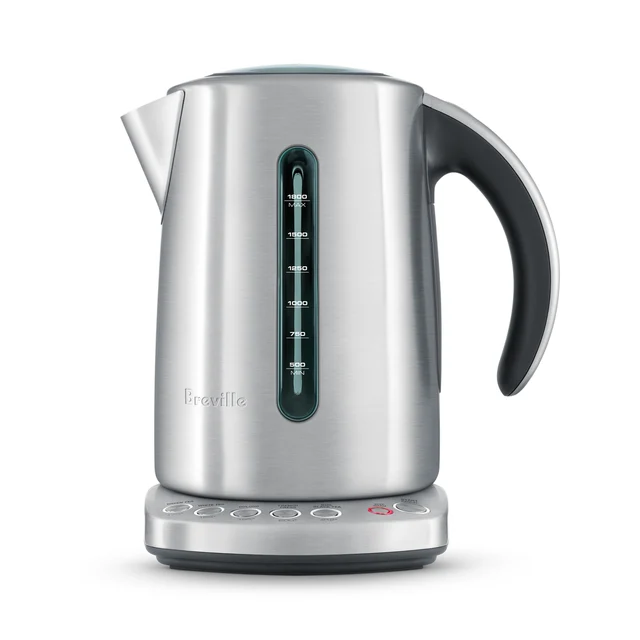 Electric Kettles After reading this you will know which kettle specs actually matter for how you drink, and which are marketing noise.
 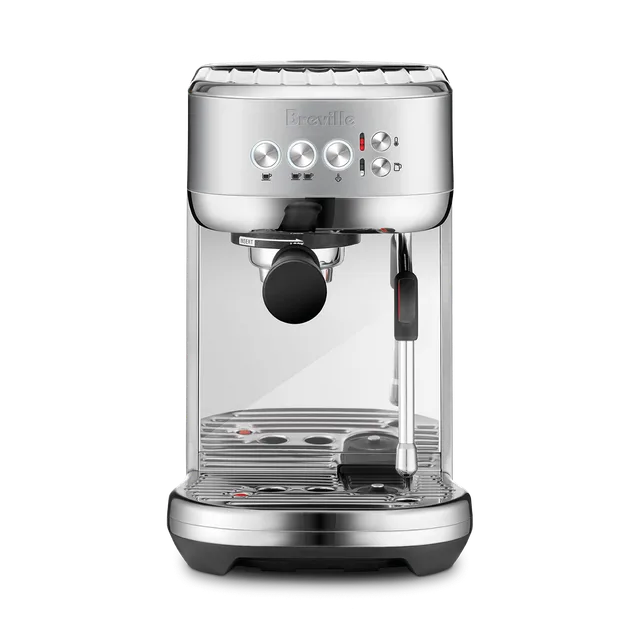 Espresso Machines Understand every spec on the box so you can buy the machine that fits your kitchen, not the one with the biggest number.
 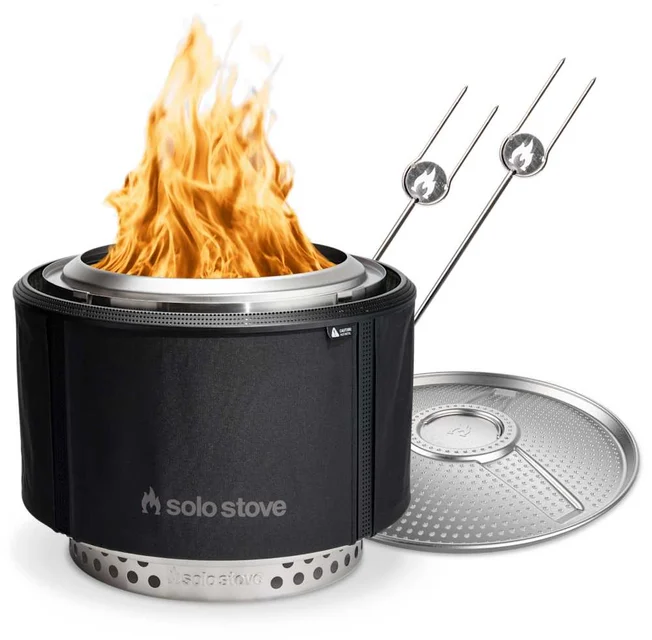 Fire Pits After reading, you'll know exactly what to look for in a fire pit, what the marketing words really mean, and which trade-offs actually matter for how you'll use it.