Explained
Camera Drones, Explained
After reading this you'll understand what every number on a drone spec sheet means and be able to tell a genuinely capable flying camera from an overpriced one.
In this guide
Camera drones look intimidating because the marketing is a wall of numbers: sensor sizes, transmission ranges, obstacle-sensing directions, and flight times that never seem to hold up in real life. But the category really splits into two simple ideas: hands-free 'follow-cams' that launch from your palm and film you automatically, and traditional drones you pilot with a controller for framing landscapes and long-range shots. Most buyer regret comes from picking the wrong one of those two, or from over-trusting a manufacturer's flight-time claim.
The 30-second version
- Decide follow-cam vs. true drone first. one flies itself to film you, the other gives you a controller and creative range - this single choice narrows the field faster than any spec.
- Sensor size matters more than megapixels. a physically larger sensor captures better detail, color, and low-light footage than a big-sounding resolution number on a tiny sensor.
- The 250-gram line is a regulatory sweet spot. staying under it keeps many casual pilots in the lightest rules bracket, which is why so many popular drones weigh just under it.
- Treat flight-time claims as best-case. quoted minutes assume calm, ideal conditions, so plan for less and budget for a spare battery or two.
- Software polish quietly decides happiness. a stable app, reliable video link, and steady firmware updates shape daily use more than any single headline spec.
The products this guide is about
Our verdict on each, with the full reasoning on the companion review.
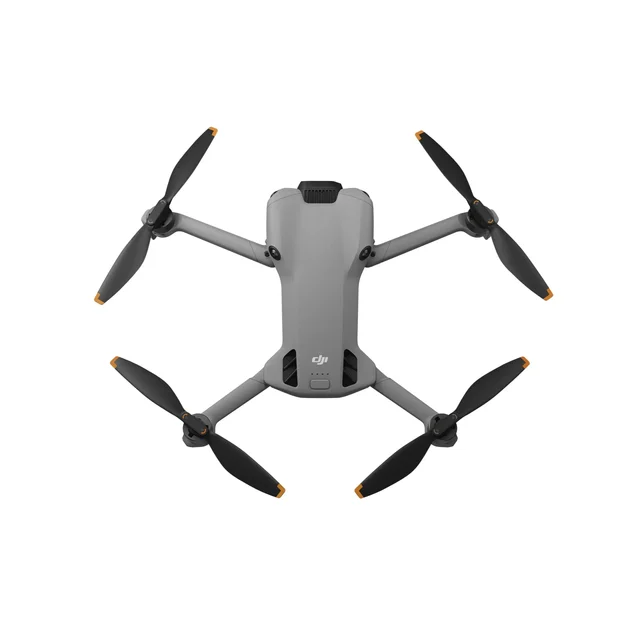
- Buy DJI Mini 5 Pro A sub-250g drone with a 1-inch sensor that shoots like something twice its size. Amazon
- Buy DJI Neo 2 The cheapest way into stabilized 4K aerial video, and it flies from your palm. Amazon
- It depends HoverAir X1 ProMax A pocketable, cage-protected flying camera that tracks you at speed with no controller needed. Amazon
- Skip Autel Robotics Autel EVO Nano+ A capable large-sensor mini that has quietly been outpaced by newer, cheaper rivals.
What actually matters
- Sensor size - the single biggest driver of image quality. A larger sensor gathers more light, so it holds detail in shadows and shoots cleaner footage at dusk, where small sensors turn muddy and noisy.
- Flight time and wind resistance - a drone that only stays up a few minutes, or that gets shoved around by a breeze, is frustrating no matter how good its camera is. Real-world endurance is usually below the quoted figure.
- Obstacle avoidance - sensors that spot trees, walls, and branches and stop the drone before it hits them. Near-essential for beginners and for any automatic subject-tracking, where the drone flies itself.
- Ease of use - palm takeoff, gesture control, and automated modes determine whether a beginner captures great footage on day one or crashes on day one.
- Portability and weight - folding size and total grams decide whether the drone actually comes with you and which regulatory bracket it falls into.
- Manual control and range - how far it can fly and how much creative framing you get. This is where follow-cams fall short and true drones pull ahead.
- App and firmware support - the least glamorous factor and one of the most important; a buggy app or an unreliable video feed sours the whole experience.
The specs, in plain English
Green flags vs red flags
Green flags
- A physically larger sensor (a 1-inch type is a strong sign at the premium end) rather than just a big megapixel figure.
- Weight at or under 250g, keeping you in the friendliest regulatory bracket in many places.
- Obstacle sensing in multiple directions, especially if you'll use automatic subject tracking.
- A rotating gimbal if you shoot vertical video for social platforms.
- A mature, well-reviewed app with a track record of steady firmware updates and a reliable video link.
- Widely corroborated real-world flight times from owner reports, not just the box figure.
Red flags
- A huge megapixel number paired with a tiny, unnamed sensor - a classic spec-sheet distraction.
- Very short real-world flight time with no cheap spare-battery option.
- Owner reports of buggy apps, dropped video feeds, or firmware that stalls or breaks features.
- A no-name brand with few owner reviews, thin spare-parts availability, or no clear support.
- A follow-cam marketed as if it were a full aerial camera, hiding weak range, wind handling, and manual control.
- Claims that seem too good for the price with no owner reports to back them up.
Who's who: the brands
- DJI - The dominant maker of camera drones, known for polished software, strong image quality, and a deep lineup from palm-sized follow-cams to prosumer aircraft.
- HoverAir - Specialists in pocketable, cage-protected 'flying selfie' cameras built to track you hands-free through action and adventure rather than for manual aerial work.
- Autel Robotics - A long-standing DJI alternative known for large-sensor minis, though newer rivals have narrowed its appeal.
- Skydio - Known historically for advanced autonomous obstacle-dodging flight; in recent years it has shifted its focus toward enterprise and public-safety users.
- Parrot - A veteran European maker that once competed in the consumer space and now concentrates largely on professional and commercial drones.
How to read a listing without getting fooled
Start at the sensor, not the megapixels. Find the sensor size (a fraction like 1/1.3-inch or a 'type' like 1-inch) and treat that as your image-quality anchor; a big megapixel count on a small sensor is a distraction. Next, read flight time as a best-case number and mentally shave several minutes off for wind and cold. Check how many directions the obstacle sensors cover, and confirm whether the thing even has a controller and meaningful range - if it doesn't, you're looking at a follow-cam, which is fine if that's what you want. Glance at the weight to see if it clears the sub-250g line for your region. Finally, go past the spec sheet entirely and read a spread of owner reports for the two things marketing never lists: how stable the app is and how close the flight time comes to the claim.
How much should you spend?
Think in tiers rather than exact figures. At the entry level you get genuinely capable stabilized 4K video and, increasingly, palm launch and even some obstacle sensing - remarkable value if hands-free clips and casual travel footage are your goal. The mid and premium tiers buy you the things that don't come cheap: a larger sensor for real low-light and detail, longer flight time, all-around obstacle sensing, longer range, and more polished software. Paying up is worth it if image quality is the whole point or you want one drone to grow into for years; it's wasted money if you mainly want automatic footage of yourself, where an entry-level follow-cam delivers most of the joy for a fraction of the outlay. Wherever you land, set aside a little for a spare battery or two, since that does more for real-world usefulness than almost any upgrade. Beware the extremes: the very cheapest no-name drones often disappoint on stability and support, while the top-end prosumer gear is overkill for a casual creator.
Questions, answered
Do I need to register a drone or get a license?
It depends on where you live and how much the drone weighs. Many regions lower or remove registration requirements for purely recreational flying with drones under 250 grams, which is why so many popular models sit just under that line. Rules vary widely by country and change often, and commercial use often adds requirements, so check your local aviation authority before you fly.
What's the real difference between a 'follow-cam' and a traditional camera drone?
A follow-cam is built to launch from your hand, track you automatically, and land itself with little or no manual input - ideal when you're the subject and doing something active. A traditional camera drone gives you a controller, longer range, longer flight time, and full manual framing, which is what you want for landscapes, real estate, and deliberate cinematography. Decide which of these you actually need before comparing any specs.
Why does everyone care about weighing under 250 grams?
That weight is a regulatory threshold in many parts of the world: staying below it often means lighter or no registration and fewer restrictions for casual recreational flying. It's not a quality measure - it's a rules-and-convenience sweet spot - which is why many manufacturers design popular drones to land just under it. You should still verify your own local rules, since being sub-250g doesn't exempt you from everything.
Is a big megapixel number better than a big sensor?
No. Sensor size - the physical area of the chip that captures light - matters more for real-world image quality than megapixels alone. A larger sensor gathers more light, so it holds detail in shadows and stays clean at dusk, where a small sensor with a high megapixel count turns noisy. Use megapixels as a tie-breaker between similar sensors, not as the headline number.
How long will a drone really fly on one charge?
Less than the box says. Manufacturer flight times are measured in ideal, near-windless conditions, so plan for noticeably fewer minutes once wind, cold, and aggressive flying enter the picture. Cold weather in particular drains batteries faster. The simplest fix for any drone is to buy a spare battery or two - it does more for a day of shooting than most spec upgrades.
Is a cheaper drone good enough for a beginner?
Often, yes. Entry-level drones now offer stabilized 4K video, palm takeoff, gesture control, and sometimes obstacle sensing, which makes them forgiving and fun to learn on. Their trade-offs are a smaller sensor, shorter flight time, and weaker wind resistance - fine for casual clips and vlogs, limiting for serious landscape photography. Many people start cheap, learn what they actually shoot, and step up later within the same brand's ecosystem.
Or jump to the head-to-head: DJI Mini 5 Pro vs DJI Neo 2.