

Tech & Gadgets
The Best Camera Drones: 4 Compared (and One to Skip)
We compared four current camera drones on image quality, flight time, obstacle avoidance, ease of use, and value for beginners through prosumers.
The short version
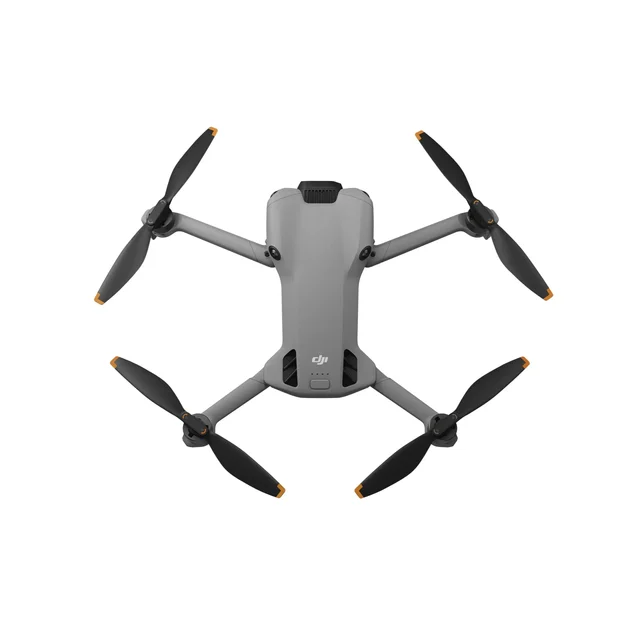
Based on maker specs and owner reports, the DJI Mini 5 Pro is the best all-round camera drone here, pairing a 1-inch sensor and long flight time with a registration-friendly sub-250g body. The DJI Neo 2 is the standout value, delivering controller-free 4K follow-me video for budget money. The HoverAir X1 ProMax is a brilliant but niche action follow-cam held back by a battery rated around 16 minutes and limited manual control. The Autel EVO Nano+ still has a fine sensor but its aging software and slower features leave it outclassed. Best for: most buyers should start with the DJI Mini 5 Pro, or the DJI Neo 2 if budget and hands-free vlogging come first.
Our picks at a glance
- DJI Mini 5 Pro - Buy. A sub-250g drone with a 1-inch sensor that shoots like something twice its size.
- DJI Neo 2 - Buy. The cheapest way into stabilized 4K aerial video, and it flies from your palm.
- HoverAir X1 ProMax - It depends. A pocketable, cage-protected flying camera that tracks you at speed with no controller needed.
- Autel Robotics Autel EVO Nano+ - Skip. A capable large-sensor mini that has quietly been outpaced by newer, cheaper rivals.
The verdict in 30 seconds
What mattered most
- Image quality
- Flight time
- Obstacle avoidance
- Ease of use
- Portability
- Manual control & range
Camera drones now split into two camps: tiny self-flying cameras that follow you hands-free, and travel-sized aircraft that trade a little pocketability for real photographic control. We compared the makers' published specs and owner reports across four 2026 models to sort out which is worth your money. The short version: one is the clear all-rounder, one is a superb budget pick, one is brilliant but niche, and one has simply been passed by.
A sub-250g drone with a 1-inch sensor that shoots like something twice its size.
Best for: Enthusiasts and prosumers who want the best image quality in a travel-friendly, registration-light package.
- 1-inch 50MP sensor delivers image quality well above what its size suggests
- Weighs about 249.9 g, right at the 250g line used in many regions, so check local rules and your battery choice
- Up to 36 minutes of flight time on the standard battery (maker figure) and a rotating gimbal that shoots true vertical for social
- Nightscape omnidirectional obstacle sensing plus subject tracking
- Costs meaningfully more than entry-level minis, especially in bundle combos
- Fixed aperture and a genuine learning curve for full manual flying
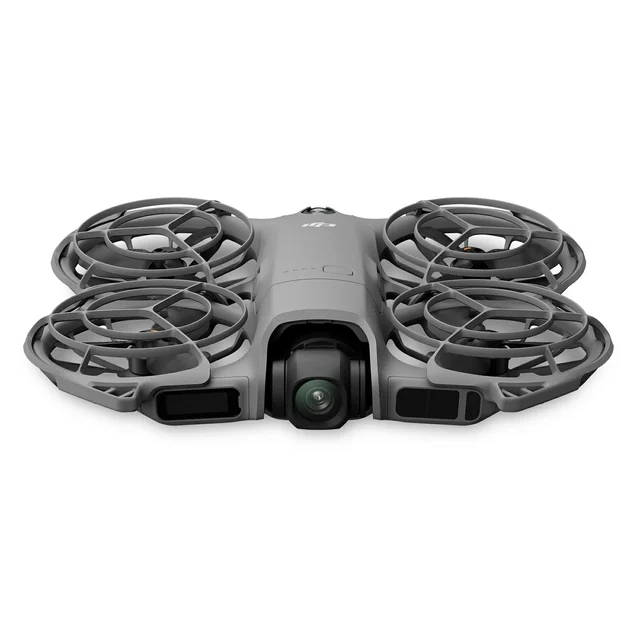
The cheapest way into stabilized 4K aerial video, and it flies from your palm.
Best for: Total beginners, vloggers, and casual creators who want hands-free follow shots for as little money as possible.
- Palm takeoff and landing plus gesture control mean you can fly with no controller at all
- Adds omnidirectional obstacle sensing, uncommon at this price
- Featherweight (151 g) with full propeller guards, so it is beginner-friendly
- Excellent for hands-free follow-me clips and quick vlogs
- Small 1/2-inch sensor limits low-light and dynamic range versus pricier drones
- Short flight time (about 18 minutes per the maker) and modest wind resistance cap serious photography ambitions
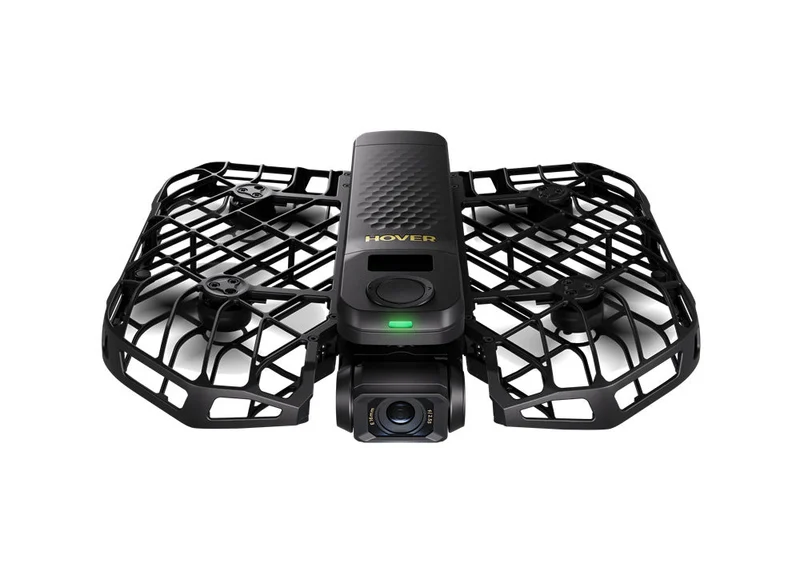
A pocketable, cage-protected flying camera that tracks you at speed with no controller needed.
Best for: Action and adventure creators who want a hands-free flying selfie camera rather than a tool for landscapes or manual aerial work.
- Fully autonomous tracking and action modes launch straight from your palm
- Folds to roughly phone size and its enclosed rotors shrug off bumps for action use
- High-resolution capture up to 8K with 32 GB or 64 GB of built-in storage
- Ideal for solo adventure and sports creators who cannot fly and perform at once
- Battery is rated at about 16 minutes per charge, and owners note it drops further in the cold
- It is a follow-cam first, not a manual aerial camera; range, wind handling, and creative control trail traditional drones
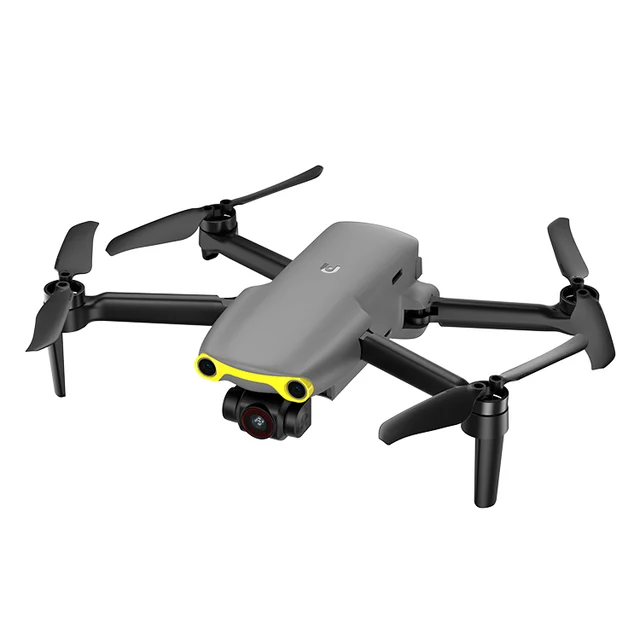
A capable large-sensor mini that has quietly been outpaced by newer, cheaper rivals.
Best for: Buyers who specifically want a large sensor and are willing to accept rougher software; most others are better served elsewhere.
- Large 1/1.28-inch 50MP sensor produces clean stills and strong low-light results
- Stays under 250g
- Forward, backward and downward obstacle avoidance
- An aging platform whose app and firmware owners report as less polished than the competition
- Tops out at 4K/30, with tracking and transmission that owners find less dependable than current DJI models
| Criteria | DJI Mini 5 Pro Top pick Buy it Buy | DJI Neo 2 Buy it Buy | HoverAir X1 ProMax It depends Buy | Autel EVO Nano+ Skip it Buy |
|---|---|---|---|---|
| Best for | Enthusiasts and prosumers who want the best image quality in a travel-friendly, registration-light package. | Total beginners, vloggers, and casual creators who want hands-free follow shots for as little money as possible. | Action and adventure creators who want a hands-free flying selfie camera rather than a tool for landscapes or manual aerial work. | Buyers who specifically want a large sensor and are willing to accept rougher software; most others are better served elsewhere. |
| Price tier | $$$ · premium | $ · budget | $$$ · premium | $$ · mid-range |
| Image quality | Excellent (1-inch, 50MP, 4K/120) | Good for the price (4K, small 1/2-inch sensor) | Very good (up to 8K, 1/1.3-inch) | Very good stills (50MP, 1/1.28-inch, 4K/30) |
| Flight time | Longest of the four | Short | Very short (~16 min) | Moderate |
| Obstacle avoidance | Omnidirectional + night sensing | Omnidirectional | Basic (relies on rotor cage) | Three-directional |
| Ease of use | Beginner-friendly with room to grow | Easiest; controller-free palm flight | Effortless autonomous tracking | Moderate; app can frustrate |
| Portability | Sub-250g, folds small | Tiny and light (151g) | Pocketable, folds to phone size | Sub-250g, folds small |
| Manual control & range | Full manual, long range | Limited; follow-focused | Minimal; follow-cam first | Full manual, decent range |
| Best use case | All-round travel and creator drone | Hands-free vlogs on a budget | Action and adventure follow shots | Large-sensor stills in a sub-250g body |
| Price tier | $$$ · premium | $ · budget | $$$ · premium | $$ · mid-range |
Which one is right for you?
- Enthusiasts and prosumers who want the best image quality in a travel-friendly, registration-light package. Buy it DJI Mini 5 Pro
- Total beginners, vloggers, and casual creators who want hands-free follow shots for as little money as possible. Buy it DJI Neo 2
- Action and adventure creators who want a hands-free flying selfie camera rather than a tool for landscapes or manual aerial work. It depends HoverAir X1 ProMax
- Buyers who specifically want a large sensor and are willing to accept rougher software; most others are better served elsewhere. Skip it Autel Robotics Autel EVO Nano+
How we judged the field
We do not run our own flight lab. Instead, we compare maker specifications and aggregated owner reports, then weigh them against how normal people actually use a drone. For this comparison that meant leaning on a few criteria that consistently separate a keeper from a returns-pile regret.
Image quality came first, because it is the whole point of a camera drone: sensor size, resolution, video frame rates, and low-light behavior. Then flight time and wind resistance, since a drone that cannot stay up long enough or hold position in a breeze is a frustrating one. We looked hard at obstacle avoidance and ease of use, which is where beginners either fall in love or crash on day one. Finally we weighed portability, manual control and range, and value at each price tier. The first three models here are current and buyable in 2026, and all four sit at or under 250g, which keeps them in the friendliest regulatory bracket for casual pilots.
DJI Mini 5 Pro
Buy itThis is the drone that keeps coming up as the sensible default, and for good reason. Its 1-inch 50MP sensor is the standout: it captures far more detail and low-light cleanliness than small-sensor minis. Pair that with 4K video at up to 120fps, a gimbal that rotates for true vertical shooting, and up to 36 minutes of flight time on the standard battery, and you have a genuine do-everything camera drone that still slips under the 250g line.
It is not the cheapest way to fly, and the bundle combos add up. There is also a real learning curve if you want to move beyond automated modes into full manual flight. But owners often feel the spend is justified, because the obstacle sensing and subject tracking make it forgiving enough for newer pilots while leaving plenty of headroom for ambitious ones. If you only buy one drone, this is the one to beat.
DJI Neo 2
Buy itThe Neo 2 is the value surprise of the group. It is tiny, it is wrapped in full propeller guards, and it flies straight off your palm with gesture control, so you can capture stabilized 4K follow-me footage without ever touching a controller. The headline upgrade is omnidirectional obstacle sensing, which is uncommon at this price and makes automated tracking noticeably safer.
The compromises are exactly what you would expect from the cheapest drone here: a small sensor that struggles more in low light, a shorter flight time, and limited fight against wind. It is not the tool for deliberate landscape photography. But as a first drone, a travel companion, or a hands-free vlogging camera, it delivers a remarkable amount for the money and pairs neatly with the same ecosystem as our top pick.
HoverAir X1 ProMax
It dependsThe X1 ProMax is the most fun and the most polarizing drone in this comparison. It is built around a different idea: a folding, cage-protected flying camera that launches from your hand, tracks you automatically through skiing, cycling, or running, and lands itself, all with no traditional controller. Owners who want to be in the shot while doing something active tend to love it, and the high-resolution capture and pocketable design back that up.
The catch is that it is a follow-cam first and a drone second. The maker lists about 16 minutes of flight time, and owners report it shrinking further in the cold, and its range, wind handling, and manual creative control cannot match a conventional camera drone. If your goal is autonomous action footage of yourself, it is superb. If you want to frame landscapes, fly long distances, or shoot real estate, it is the wrong tool, which is why the verdict is that it depends entirely on what you plan to film.
Autel EVO Nano+
Skip itThe EVO Nano+ was an impressive drone when it arrived, and on paper it still reads well: a large 1/1.28-inch 50MP sensor, sub-250g weight, and forward, backward and downward obstacle avoidance. Its stills, especially in lower light, remain pleasant.
The problem is that the field has moved on. Owners increasingly describe the app and firmware as dated and occasionally buggy compared with newer rivals, and owners find its video modes and tracking less dependable. It also shows as sold out on Autel’s own shop at the time of checking. It is squeezed from below by the cheaper Neo 2 and from above by the more capable Mini 5 Pro, so most buyers will get a smoother, better-supported experience elsewhere, so we would skip it.
DJI Mini 5 Pro vs DJI Neo 2: which should you buy?
These two DJI models bracket the sensible choice for most people, so it is worth putting them head to head. The Mini 5 Pro is the better camera in most ways: a much larger 1-inch sensor, a rotating gimbal, longer flight time, and full manual control with real range. It is the drone you buy if the footage itself is the priority and you are willing to spend more and learn a little.
The Neo 2 wins on price, simplicity, and sheer approachability. If most of your shots are you, framed automatically, and shared to social, its controller-free palm flying gets you there for a fraction of the cost. Choose the Mini 5 Pro when image quality and flexibility lead; choose the Neo 2 when budget, safety, and hands-free convenience lead. Either way you stay inside the same well-supported ecosystem, which makes upgrading later painless.
What to look for
- Sensor size over megapixels: a larger sensor, like the Mini 5 Pro’s 1-inch type, matters more for real-world image quality and low light than a big megapixel number alone.
- Weight under 250g: it keeps you in the friendliest regulatory category in many regions, though you should still verify current local rules before flying.
- Obstacle avoidance: near-essential for beginners and for any automated tracking; more directions of coverage means fewer crashes.
- Flight time, realistically: treat quoted figures as best-case and plan on less; if a model is short-lived, budget for spare batteries.
- Follow-cam or true drone: decide whether you want to be in the shot with hands-free tracking, or want manual framing and range; that single choice narrows the field fast.
- Software and support: a polished app and steady firmware updates quietly shape day-to-day happiness more than any single spec.
Our final take
If you want one drone that does nearly everything well, the DJI Mini 5 Pro is the clear pick, blending a large sensor, long flight time, and obstacle sensing in a package at the 250g line. Buyers on a budget, or anyone whose main goal is hands-free video of themselves, should look hard at the DJI Neo 2, which delivers a startling amount for its low price and shares the same ecosystem. The HoverAir X1 ProMax earns a genuine place, but only for action and adventure creators who understand they are buying a follow-cam rather than a conventional camera drone. And while the Autel EVO Nano+ is not a bad piece of hardware, the rest of the market has simply moved past it, so for most people it is the one to skip.
Questions, answered
Do I need to register these drones or get a license?
The Neo 2, HoverAir and Autel weigh under 250g, and the Mini 5 Pro is listed at about 249.9 g, which in many regions lowers or removes registration requirements for purely recreational flying. Rules still vary widely by country and change often, and commercial use often has extra requirements, so check your local aviation authority before you fly.
What is the real difference between a follow-cam like the HoverAir and a drone like the DJI Mini 5 Pro?
A follow-cam is designed to launch from your hand, track you automatically, and land itself with little or no manual input, which is ideal when you are the subject. A traditional camera drone like the Mini 5 Pro gives you a controller, longer range, longer flight time, and full manual framing, which matters for landscapes, real estate, and deliberate cinematography.
Which drone is best for a complete beginner?
The DJI Neo 2 is the gentlest on-ramp: palm takeoff, gesture control, propeller guards, and automatic tracking mean you can capture usable footage on day one without learning stick controls. When you outgrow it, the Mini 5 Pro is the natural step up into full manual flight and much better image quality.
Is the Autel EVO Nano+ still worth buying in 2026?
Its large sensor still takes pleasant stills, and some pilots value it for its large sensor. But owners increasingly report that its app and firmware feel dated next to newer rivals, and it lags on video modes and tracking reliability, so for most buyers the current DJI options offer better value and a smoother experience.
How long do these drones actually fly on a charge?
Manufacturer flight-time figures are measured in ideal, near-windless conditions, so plan for noticeably less in the real world. The Mini 5 Pro leads the group, the Neo 2 and Autel sit in the middle, and the HoverAir X1 ProMax is shortest at about 16 minutes, dropping further in cold weather. Extra batteries are the simplest fix for any of them.
Deciding between the top two? See our head-to-head: DJI Mini 5 Pro vs DJI Neo 2.
More in Tech & Gadgets
Camera Drones, Explained Plain-English guide → DJI Mini 5 Pro vs DJI Neo 2 Head-to-head →  The Best E-Ink Tablets: 4 Compared (and One to Skip)
  The Best E-Readers in 2026: Kindle vs Kobo, and the One to Skip
  The Best Electronic Chess Boards: 4 Compared (and One to Skip)
  The Best ESD Mats: 4 Compared (and One to Skip)