Explained
Dog Grooming Clippers, Explained
After reading this, you'll be able to look at any dog clipper listing and know whether it can actually handle your dog's coat - before you buy.
In this guide
Dog clippers look interchangeable on a store shelf, but the gap between a tool that glides through fur and one that snags, pulls, and terrifies your dog is enormous. The confusion comes from jargon - blade numbers, A5 compatibility, rotary vs magnetic motors, 5-in-1 blades - that nobody explains before you buy. The single biggest mistake first-time buyers make is choosing a clipper for their budget instead of for their dog's coat.
The 30-second version
- Match the clipper to the coat, not the price. Fine and medium coats do fine with light cordless clippers; thick, curly, and double coats need a strong rotary motor, usually corded.
- Quiet beats powerful for most dogs. A clipper your dog tolerates gets used; a loud, buzzy one turns every session into a wrestling match, no matter how strong the motor is.
- The blade system decides your long-term costs. Detachable A5-style blades can be swapped and re-sharpened for years; adjustable 5-in-1 blades are convenient but pricier to replace; fixed budget blades usually can't be serviced at all.
- Human clippers are not a substitute. Dog coats are denser than human hair, and human clippers jam, pull, and overheat on fur - pet clippers use blade geometries and motors built to feed fur properly.
- Prep does half the work. Washing, fully drying, and brushing out the coat before clipping - plus oiling the blade - prevents most of the snagging people blame on the clipper.
The products this guide is about
Our verdict on each, with the full reasoning on the companion review.
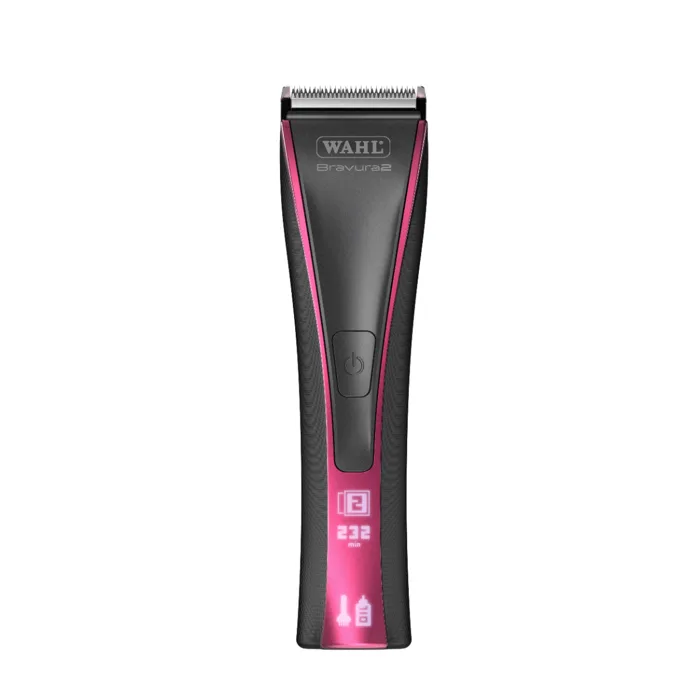
- Buy Wahl Bravura2 Cord/Cordless Clipper The successor to the Bravura, a two-speed cord/cordless clipper with a 5-in-1 blade that suits first-time home groomers. Amazon
- Buy Andis ProClip AGC Super 2-Speed+ Detachable Blade Clipper A professional-grade corded workhorse that shrugs off thick doodle and double coats.
- It depends oneisall DTJ-001 Cordless Dog Clippers A very quiet, very cheap cordless kit that shines on light coats and struggles on dense ones.
- Skip Wahl Pet-Pro Clipper Kit The big-box impulse buy that snags and pulls on exactly the coats people buy it for. Amazon
What actually matters
- Coat match - this is the whole decision. A clipper that breezes through a beagle's coat can stall completely on a doodle. Thick, curly, and double coats demand more motor and better blades than fine or short coats.
- Noise and vibration - dogs decide whether grooming happens. Quiet, low-vibration clippers keep anxious dogs calm; loud buzzy ones can set a dog against clippers for years after one bad session.
- Motor type and power - rotary motors deliver sustained torque for dense coats; lighter motors are fine for maintenance trims but chatter and stall when fur loads up.
- Blade system - detachable A5-style blades give you a huge ecosystem of lengths and cheap professional sharpening; adjustable 5-in-1 blades cover several lengths in one part but cost more to replace; fixed blades with plastic combs are the weakest setup.
- Corded vs cordless - cordless is easier to maneuver around legs, faces, and squirmy dogs; corded does not fade mid-groom and still wins for sustained power on heavy coats. Cord-or-cordless hybrids give you both.
- Runtime and charging - if you go cordless, look for enough runtime to finish a full groom so you're not stopping mid-dog with half a haircut done.
- Serviceability - a clipper you can keep sharp, oiled, and clean will cut well for years; one with a sealed fixed blade becomes a snagging machine the moment it dulls.
The specs, in plain English
Green flags vs red flags
Green flags
- Marketed as quiet or low-vibration, with owner reports of anxious dogs tolerating it
- Detachable A5-compatible blade system, or a well-supported adjustable blade with replacements easy to find
- Cord-or-cordless hybrid operation, or cordless runtime long enough for a full groom
- A sealed, vent-free body that runs cool and is easy to brush clean of fur
- Owner reports of the same unit still cutting well after years of regular home grooming
- Metal guide combs included rather than flimsy plastic ones
Red flags
- Marketing that claims one cheap clipper handles 'all coat types' - dense and matted coats expose this fast
- Fixed, non-serviceable blade with only plastic guide combs
- Owner reports clustering around snagging, pulling, or the clipper 'fighting' through thick fur
- Loud, buzzy operation that owners say startles their dogs
- No replacement blades sold separately, so a dulled blade means a dead clipper
- A human hair clipper rebadged for pets, or advice to just use your own hair clippers
Who's who: the brands
- Wahl - The biggest name in clippers for both humans and pets; makes everything from big-box budget kits to genuinely excellent quiet cordless models, so the brand alone tells you little - the specific model matters.
- Andis - A professional grooming staple; its corded detachable-blade clippers are what you see in grooming shops, prized for raw power on heavy coats and decade-long lifespans.
- Oster - The other long-standing professional brand, known for durable corded A5-style clippers and the wide blade ecosystem shared with Andis-compatible systems.
- oneisall - The budget cordless bestseller online; genuinely quiet and pleasant on light coats, but owner reports consistently flag struggles on thick or curly fur and faster-dulling blades.
- Heiniger - A Swiss maker respected among professional groomers for smooth, quiet, high-quality cordless clippers - a premium alternative if you want pro results without a cord.
How to read a listing without getting fooled
Start by ignoring the hero claims and finding three facts: the blade system, the motor, and the power source. If the listing says A5-compatible or detachable blades, it's built on the serviceable professional standard; if it says 5-in-1 adjustable, it's the convenient beginner system; if it only mentions 'stainless steel blade' with plastic combs, assume a fixed budget blade you can't maintain. Next, look for the words rotary, two-speed, or constant-speed - those signal a motor with real torque, whereas a bare SPM number with no motor details is usually a light-duty machine dressed up in a big figure. Check whether it runs corded, cordless, or both, and what the actual runtime is. Then go to owner reviews and search specifically for your dog's coat: 'doodle', 'double coat', 'thick', 'matted'. A clipper with glowing reviews from short-coat owners and angry reviews from doodle owners isn't a bad clipper - it's a light-coat clipper, and the listing won't tell you that.
How much should you spend?
Price in this category mostly buys motor torque, blade quality, and quietness - the three things that decide whether grooming actually works. Budget cordless clippers are legitimately good for touch-ups, faces, paws, and full trims on thin-to-medium coats, and for a light-coated dog that may be all you ever need. The value sweet spot for most households is a mid-to-premium quiet cordless clipper with a well-supported blade system: it costs more upfront but stays sharp, stays serviceable, and pays for itself quickly against salon visits. Spending more is clearly worth it in two cases - a thick, curly, or double-coated dog that needs a professional-grade corded motor, or a noise-sensitive dog that needs the quietest tool you can get. What's rarely worth it is the cheapest corded kit on the shelf: it's the tier owners most often regret, because a tool that snags and scares the dog costs you every future grooming session, not just the purchase price.
Questions, answered
Can I just use human hair clippers on my dog?
No - it usually ends badly. Dog fur is denser than human hair, so human clippers jam, pull, and overheat on it. Pet clippers use blade geometries and motors designed to feed fur through cleanly, and the good ones are engineered to stay quiet for noise-sensitive dogs. If budget is the concern, a cheap pet clipper on a light coat beats a good human clipper on any coat.
Why does my clipper snag and pull even though it's new?
Three usual suspects: a dirty or matted coat, a dry blade, or a clipper underpowered for the coat. Wash and fully dry the dog, brush out every mat, and oil the blade before you start - owner reports agree this fixes most pulling. If it still snags on a clean, brushed, oiled setup, the tool itself is the problem, which is the most common story with budget fixed-blade kits.
What do the blade numbers mean, and which do I need?
Higher numbers cut shorter - a #10 leaves very short fur, a #4 leaves a longer fluffy finish, and an F suffix (like 7F) means a smoother finish cut. Most home groomers do the body with a longer blade or a guide comb and keep a #10 for sanitary areas. If that sounds like too much to manage, a 5-in-1 adjustable blade covers the common lengths with one slider.
Corded or cordless - which should I buy?
For most home groomers, cordless: it's far easier to maneuver around legs, faces, and a squirmy dog, and modern lithium models run long enough to finish a session. Corded still wins for thick, curly, and double coats, because a strong corded rotary motor never fades mid-groom. The ideal is a hybrid that runs both ways - and if your dog's coat is heavy enough that a groomer would mention dematting, go corded and powerful.
How long do blades last, and can they be sharpened?
With regular brushing-out and oiling, a quality steel blade stays usable for many months to a couple of years of occasional home use. Detachable A5-style blades can be professionally sharpened for a small cost, so they last near-indefinitely. Adjustable 5-in-1 blades and budget fixed blades are generally replaced rather than sharpened - and a dulling blade is exactly what causes tugging, so don't push a blade past its prime.
Do clippers handle nails too?
No - clippers only cut coat. Nails need a dedicated nail clipper or grinder, which is a separate tool and a separate skill; rushing nails with the wrong tool is how quicks get nicked. Plan on two tools if you want to do complete at-home grooming, and learn nails slowly with lots of treats.
Or jump to the head-to-head: Wahl Bravura2 Cord/Cordless Clipper vs Andis ProClip AGC Super 2-Speed+ Detachable Blade Clipper.