

Explained
Deep Fryers, Explained
After reading this, you'll know which deep fryer specs actually change how your food comes out, and which ones are just marketing.
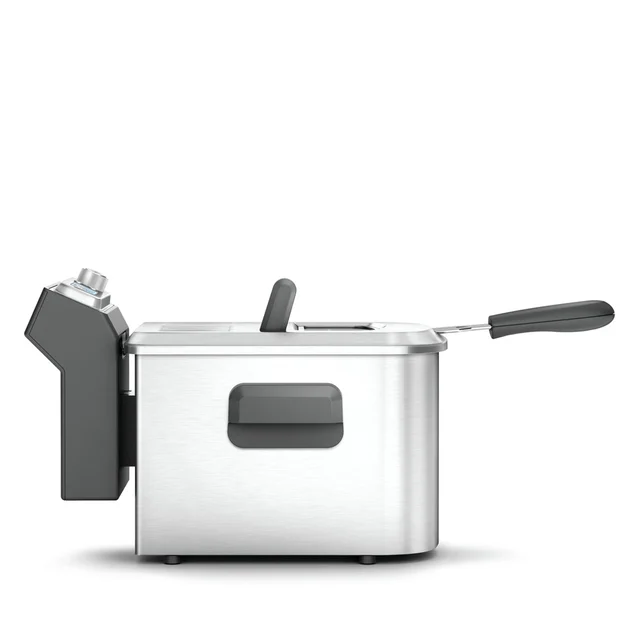
In this guide
A real oil deep fryer submerges food in hot oil for that shattering, evenly crisp crust an air fryer can't fully match, but the machines vary wildly in how well they hold temperature and how miserable they are to clean. First-time buyers usually fixate on capacity and looks, when the things that actually separate crispy from greasy are heat recovery and an accurate thermostat. This guide decodes the specs so you can match a fryer to how you actually cook.
The 30-second version
- Temperature control beats everything. an accurate thermostat and fast heat recovery matter far more than any feature on the box, because oil that plunges and can't climb back leaves food greasy.
- Size the oil to your batch, not your ambitions. more oil means bigger batches but also more money to fill, more to store, and more lingering odor, so a right-sized fryer usually beats the biggest one.
- Cleanup is a spec, not an afterthought. removable, dishwasher-safe pots and a pour spout turn oil changes from a dreaded chore into a two-minute job.
- A deep fryer is a hot-oil appliance, so treat safety features as core. a breakaway or magnetic cord, cool-touch handles, and a stable base genuinely reduce the risk around a heavy pot of hot oil.
- Adjustable heat is what makes it versatile. a fixed-temperature fryer locks you into one style of food, while an adjustable thermostat lets you fry everything from doughnuts to chicken properly.
What actually matters
- Oil capacity and batch size — how much food you can cook at once, and how much oil you have to buy, store, and eventually dispose of. Bigger isn't automatically better; it's more cost and more odor if you rarely fry for a crowd.
- Heat recovery — how fast the fryer climbs back to your set temperature after cold food drops the oil. Slow recovery means food sits in cooler oil and soaks up grease; this is the single biggest driver of crisp versus soggy.
- Temperature accuracy — whether the fryer actually holds the number it claims. A dial that reads 375 but drifts will quietly ruin results no matter how nice the machine looks.
- Cleanup and oil handling — removable pots, pour spouts, and dishwasher-safe parts decide how often you'll actually want to use the thing. Fixed pots you have to bail out by hand are the fastest route to a fryer that lives in a cabinet.
- Splatter and odor control — a vented lid with a viewing window lets you cover heating oil and monitor food without a face full of steam, and a right-sized oil volume keeps frying smell down.
- Safety design — a breakaway or magnetic cord that releases if snagged, cool-touch handles, and a stable footprint all matter more here than in almost any other countertop appliance.
The specs, in plain English
Green flags vs red flags
Green flags
- A real temperature readout or a thermostat owners report as accurate, so you're not guessing where the oil actually sits
- A higher-wattage element paired with notes about fast heat recovery, the combination that keeps batches crisp
- A removable oil pot or bowl with a pour spout, plus dishwasher-safe parts, for genuinely easy cleanup and oil changes
- A cool zone or fine strainer that helps oil stay clean and last through more uses
- A vented lid with a viewing window so you can cover heating oil and watch food without lifting it
- Safety touches like a breakaway/magnetic cord, cool-touch handles, and a stable, wide base
Red flags
- A fixed, non-adjustable temperature, which locks you into one kind of food and gives you no control
- No basket (just a scoop) or no timer/ready indicator, leaving you to fry by guesswork
- A fixed pot you have to bail out by hand, which makes oil changes messy enough that you'll stop frying
- An oversized oil capacity you don't need, meaning more money to fill, more to store, and more frying odor
- Vague or missing temperature-range specs, a sign the thermostat may be imprecise
- Flimsy handles, a tippy base, or no cord safety feature on a heavy hot-oil appliance
Who's who: the brands
- Breville - Premium countertop appliances known for precise, digitally managed controls and polished heat management.
- Cuisinart - Mainstream kitchen brand offering strong performance and practical touches like removable oil pots at mid-range value.
- Hamilton Beach - Value-focused maker of larger, dual-basket, professional-style fryers aimed at big-batch and hosting use.
- Presto - Long-running budget brand behind compact, simple classic fryers that prioritize low price and small footprint.
How to read a listing without getting fooled
Start by ignoring the hero feature and hunting for the two numbers that actually predict results: wattage (as a stand-in for heat recovery) and the temperature range the thermostat covers. A listing that brags about capacity but goes quiet on temperature control is telling you where its weaknesses are. Translate oil volume into your reality: a pot that holds a lot of oil means a lot of oil to buy and store, so ask whether you'll really fry batches that big or just pay to keep excess oil going rancid. Look for the cleanup words that matter, 'removable,' 'dishwasher-safe,' and 'pour spout,' because their absence usually means you'll be bailing hot oil by hand. Check for a real basket and a timer or ready light; a scoop-only design with no feedback means frying blind. Finally, scan for safety language like a breakaway or magnetic cord and cool-touch handles, and treat glowing mentions of 'presets' as nice-to-have rather than proof the machine holds temperature well.
How much should you spend?
You're mostly paying for control and convenience, not raw frying ability, since even inexpensive fryers can get oil hot. Budget models typically drop the things that make frying pleasant: adjustable temperature, a proper basket, a timer, and easy oil handling, so the savings come with real guesswork. The value sweet spot sits at the mid-range, where you get an adjustable thermostat, fast heat recovery, a removable oil pot, and a vented lid, which covers nearly everyone's needs. Stepping up to premium buys a live digital temperature readout and slightly more refined heat management, worth it if you fry often and want zero second-guessing, but not essential if you're comfortable trusting a good dial. Spending more for a bigger pot only pays off if you genuinely fry for crowds; otherwise you're buying oil cost and odor you don't need. The one place skimping usually backfires is cleanup and safety, an easy-drain pot and a breakaway cord earn their keep every single use.
Questions, answered
Is a deep fryer really better than an air fryer?
For genuinely deep-fried texture, yes. Submerging food in hot oil gives an even, shattering crust that circulating hot air can't fully match, which matters most for fried chicken, doughnuts, and battered fish. An air fryer is healthier and much easier to clean, so plenty of kitchens keep both. If authentic fried crispiness is the goal, real oil wins.
How much oil does a home deep fryer use, and can I reuse it?
It varies widely by model, from a few cups in a compact fryer to well over a gallon in a large dual-basket unit. You can usually reuse frying oil several times if you strain out the crumbs and store it somewhere cool and dark; designs with a cool zone or fine strainer help it last longer. Discard the oil once it darkens noticeably, smells off, or starts to foam.
What temperature should a home deep fryer hold, and why does recovery matter?
Most frying happens between roughly 350 and 375 degrees. The catch is that dropping in cold food makes the oil temperature plunge, and if the fryer recovers slowly, food sits in cooler oil and turns greasy. That's why heat recovery and an accurate thermostat matter more than headline features. Fryers that climb back to temperature quickly produce crispier, less oily results.
What kind of oil should I use for deep frying?
Use a neutral oil with a high smoke point, meaning it can handle frying temperatures without breaking down, smoking, or tasting off. Common choices include vegetable, canola, peanut, and other refined high-smoke-point oils. Avoid oils with low smoke points, since they'll smoke at frying heat and degrade quickly, and always keep the oil comfortably below its smoke point while you cook.
How do I keep frying odor and splatter under control?
Choose a fryer with a vented lid and a viewing window so you can cover the oil while it heats and watch food without lifting the lid. Fry near a range hood or open window, and don't overfill the basket, which causes bubbling and splatter. Larger oil volumes generally create more lingering smell, so a right-sized fryer helps, and cleaning up promptly cuts residual odor.
Are countertop deep fryers safe, and what should I watch out for?
They're designed for countertop use, but hot oil deserves respect. Keep the fryer back from the counter edge and away from children, never add water or wet food to hot oil, and don't fill past the max line. A magnetic breakaway cord reduces the risk of dragging a full pot off the counter if it's snagged, and you should always let the oil cool completely before moving or draining it.
Related guides
 Dehumidifiers After reading this you will know how to size a dehumidifier, decode its spec sheet, and avoid the mini that cannot keep up with a real room.
  Drip Coffee Makers After reading, you will know which drip coffee maker specs actually affect flavor and which are just marketing.
  Dutch Ovens After reading this, you will know exactly which Dutch oven specs matter for the way you cook and how to judge one without being fooled by marketing.
 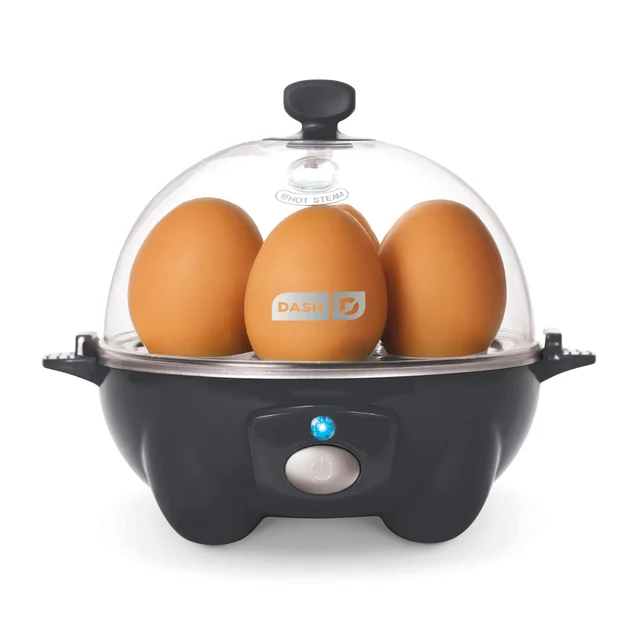 Egg Cookers After reading, you'll understand exactly how an electric egg cooker turns measured water into perfectly done eggs, and which features are worth paying for.
 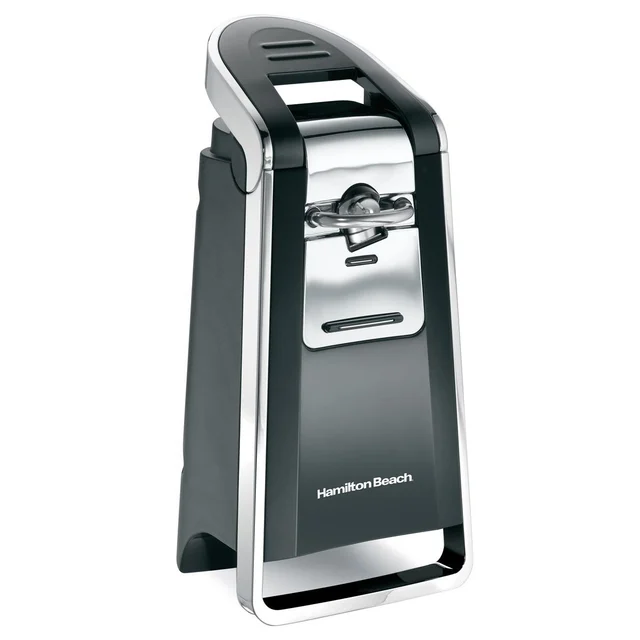 Electric Can Openers After reading, you'll know exactly which cutting style to buy and what every spec on the box actually means for your hands, your food, and your counter.
 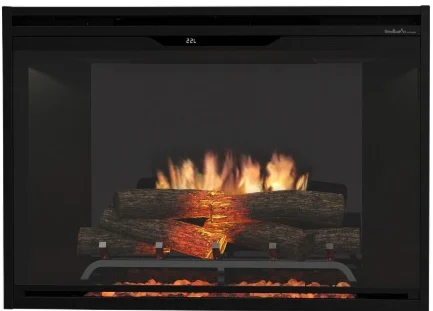 Electric Fireplaces After reading, you'll know which format fits your room, how to spot a convincing flame, and why every plug-in unit is a supplemental heater, not a furnace.