

Home & Kitchen
The Best Home Deep Fryers: 4 Compared (and One to Skip)
We compared four electric countertop oil fryers on temperature control, oil capacity, heat recovery, batch size, and cleanup to find which earn a spot.
The short version
For real oil deep frying at home, precise temperature and quick heat recovery matter more than any feature bullet. The Breville Smart Fryer is our top pick because its digital display and 1800W recovery keep oil steady for consistently crisp results, though it's the priciest. The Cuisinart CDF-200 is the value runner-up, pairing fast recovery with a removable, easy-to-drain oil pot. The Hamilton Beach 35036 is a genuine 'depends': great for big dual-basket batches, but it drinks oil and slows down when full. Skip the Presto FryDaddy unless space and price are your only concerns, since its fixed temperature, missing basket, and lack of a timer leave you frying blind. Best for: most home cooks are best served by the Breville, or the Cuisinart if you'd rather save without giving up performance.
The verdict in 30 seconds
What mattered most
- Oil capacity
- Heating & recovery
- Temperature control
- Basket & batch size
- Cleanup & oil handling
- Splatter & odor control
A real oil deep fryer does what an air fryer can't: shatteringly crisp fried chicken, doughnuts, and fish that actually taste deep-fried. But these machines live and die on how tightly they hold temperature, how fast they recover after you drop in cold food, and how miserable they are to clean. We synthesized independent testing and owner reports across the current 2026 countertop lineup and landed on two clear buys, one that depends entirely on how much you fry, and one beloved classic we'd steer most people away from.
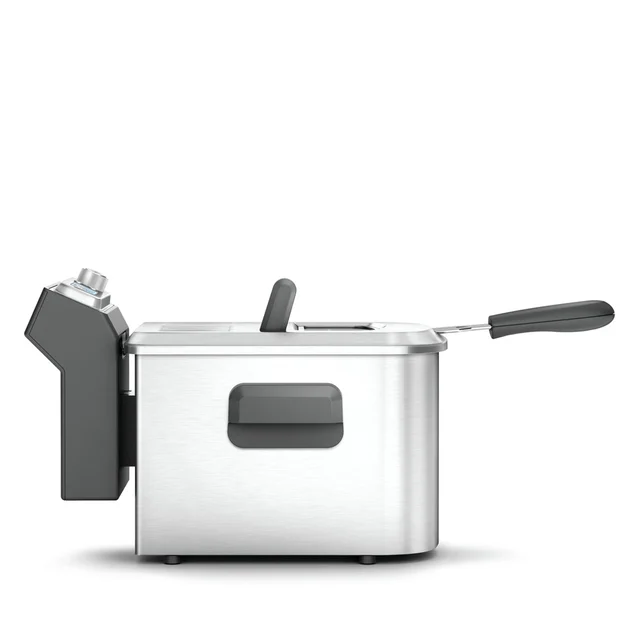
The most precise home fryer, with a digital readout and heat recovery that keeps your oil where you set it.
Best for: Anyone who fries regularly and wants restaurant-consistent results without babysitting a dial.
- Digital LCD shows real oil temperature and holds it tightly, so batches come out consistent
- 1800W element recovers heat fast after cold food goes in, which means less greasy, soggy results
- Cool-zone under the element traps crumbs and helps oil last longer between changes
- One-touch presets and a removable, dishwasher-safe bowl make setup and cleanup straightforward
- Clearly the priciest option here
- 4-quart oil capacity is mid-size, not built for huge party batches
- Takes up meaningful counter or cabinet space
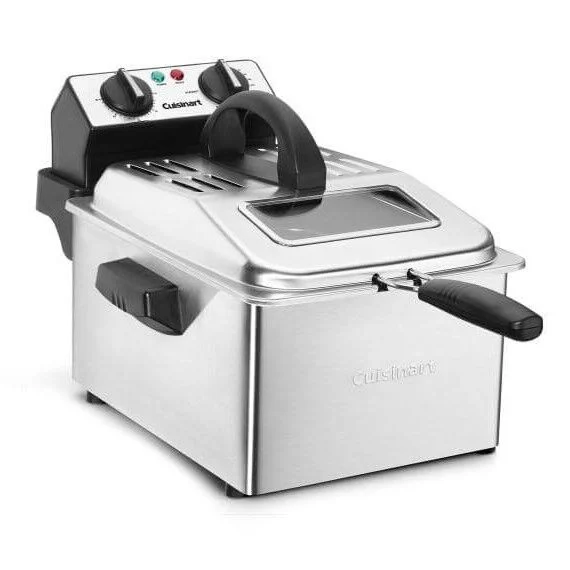
The value pick: quick recovery, a removable oil pot, and a viewing lid, minus the digital display.
Best for: Households that want dependable frying and easy oil handling without paying for a digital screen.
- 1800W immersion-style element heats and recovers quickly for its size
- Removable stainless oil container with a pour spout makes draining and storing oil far less messy
- Adjustable dial spans roughly 170 to 375 degrees to suit different oils and foods
- Vented lid with a viewing window contains splatter while you watch the food
- Analog dial only, so you're trusting the thermostat rather than reading a live temperature
- Around 2.3 lb food capacity is fine for a family but not for a crowd
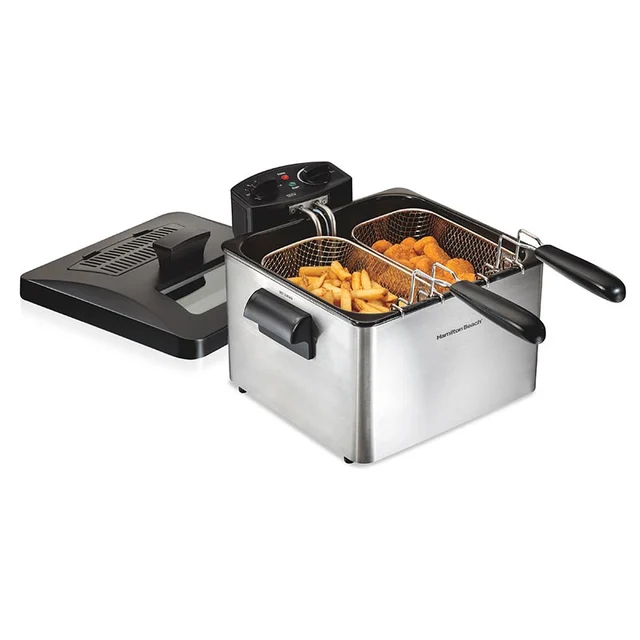
A big-batch, dual-basket workhorse that's excellent for gatherings but oil-hungry for everyday cooking.
Best for: People who host, fry in big batches, or cook two things at once and don't mind managing a lot of oil.
- Large 4.5-liter (19-cup) oil pot and two baskets let you fry two foods at once for a crowd
- 1800W element and a vented, view-window lid make big-batch frying practical and less splattery
- Enamel-coated pot, baskets, and lid are dishwasher-safe for easier cleanup
- Magnetic breakaway cord is a sensible safety touch around a heavy pot of hot oil
- Needs a lot of oil to reach its fill line, which is costly to buy, store, and eventually dispose of
- Analog dial and no digital readout; recovery slows noticeably when both baskets are loaded
- That much hot oil produces more frying odor, and the unit is bulky to store
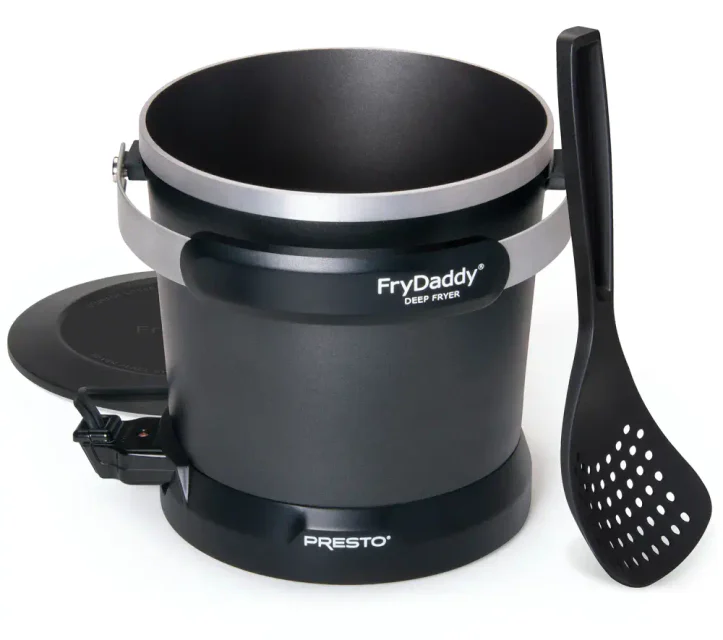
A cheap, cheerful classic, but with no temperature control, no basket, and no timer you're frying blind.
Best for: Only the space-starved cook who fries the same small item occasionally and wants the cheapest possible option.
- Uses only about 4 cups of oil, so it's inexpensive to fill and store
- Compact, lightweight, and simple with a snap-on lid to keep oil in the pot between uses
- PFAS-free nonstick surface wipes clean easily
- Fixed at roughly 375 degrees with no way to adjust temperature for different foods
- No frying basket (just a scoop) and no timer or ready indicator, so results depend on guesswork
- Owners note the oil gets very hot quickly with little feedback, which asks for extra care
- Tiny capacity handles only small portions at a time
| Criteria | Breville the Smart Fryer (BDF500XL) Top pick | Cuisinart 4-Quart Deep Fryer (CDF-200P1) | Hamilton Beach Professional-Style Deep Fryer (35036) | Presto FryDaddy Electric Deep Fryer (05420) |
|---|---|---|---|---|
| Verdict | Buy it | Buy it | It depends | Skip it |
| Best for | Anyone who fries regularly and wants restaurant-consistent results without babysitting a dial. | Households that want dependable frying and easy oil handling without paying for a digital screen. | People who host, fry in big batches, or cook two things at once and don't mind managing a lot of oil. | Only the space-starved cook who fries the same small item occasionally and wants the cheapest possible option. |
| Price tier | $$$ · premium | $$ · mid-range | $$ · mid-range | $ · budget |
| Oil capacity | ~4 qt | ~4 qt (1 gal pot) | 4.5 L / 19 cups (largest) | ~4 cups (smallest) |
| Heating & recovery | 1800W, fast, digital-managed | 1800W, fast | 1800W, slows when both baskets full | 1200W, adequate for small loads |
| Temperature control | Digital LCD, holds set temp tightly | Adjustable dial (~170-375F) | Adjustable dial | Fixed ~375F, no adjustment |
| Basket & batch size | Single basket, family-size | Single basket, ~2.3 lb food | Two baskets, big-batch | No basket (scoop only), tiny |
| Cleanup & oil handling | Removable dishwasher-safe bowl | Removable oil pot with pour spout | Dishwasher-safe pot & baskets | Wipe-clean pot, snap lid stores oil |
| Splatter & odor control | Vented lid, cool-zone extends oil life | Vented view-window lid | Vented view-window lid, but more oil means more odor | Snap lid for storage only; fry uncovered |
| Price tier | $$$ · premium | $$ · mid-range | $$ · mid-range | $ · budget |
Which one is right for you?
- Anyone who fries regularly and wants restaurant-consistent results without babysitting a dial. Buy it Breville the Smart Fryer (BDF500XL)
- Households that want dependable frying and easy oil handling without paying for a digital screen. Buy it Cuisinart 4-Quart Deep Fryer (CDF-200P1)
- People who host, fry in big batches, or cook two things at once and don't mind managing a lot of oil. It depends Hamilton Beach Professional-Style Deep Fryer (35036)
- Only the space-starved cook who fries the same small item occasionally and wants the cheapest possible option. Skip it Presto FryDaddy Electric Deep Fryer (05420)
How we judged the field
We don’t run our own frying lab. Instead we synthesized independent testing and aggregated owner reports across the current countertop lineup, then weighted the criteria that actually separate a good fryer from a frustrating one.
Top of the list: temperature accuracy and heat recovery. A fryer that reads 375 but drifts, or that plunges and can’t climb back after cold food goes in, produces greasy, unevenly cooked results no matter how nice it looks. From there we looked at oil and food capacity (how much you can cook, and how much oil you have to buy and store), basket design and batch flexibility, cleanup and oil handling (removable pots and pour spouts matter a lot), and splatter and odor management via vented, view-window lids. Wattage came into it mainly as a proxy for recovery speed. We deliberately kept air fryers out; this is about real oil deep frying.
Breville the Smart Fryer (BDF500XL) — buy
This is the fryer to beat. Its standout is a digital LCD that shows the actual oil temperature and holds it tightly, so you’re not guessing whether the thermostat is telling the truth. The 1800W element recovers heat quickly after cold food hits the oil, which independent testing consistently ties to crispier, less oily results. A cool zone beneath the element traps crumbs and helps oil last longer between changes, and the removable bowl is dishwasher-safe. It’s the priciest option here and its 4-quart capacity is family-size rather than party-size, but for consistent everyday frying it’s the most confidence-inspiring choice.
Cuisinart 4-Quart Deep Fryer (CDF-200P1) — buy
The smart-value pick. You give up the digital readout, but you keep the things that most affect results: a fast-recovering 1800W immersion-style element and an adjustable dial that spans roughly 170 to 375 degrees. What owners especially appreciate is the removable stainless oil container with a pour spout, which makes draining and storing used oil far less of a mess than lifting a fixed pot. A vented lid with a viewing window contains splatter while you watch the food. If you don’t need a screen and want strong performance for meaningfully less than the Breville, this is it.
Hamilton Beach Professional-Style Deep Fryer (35036) — it depends
Whether this one is brilliant or overkill comes down entirely to how you fry. Its large 4.5-liter (19-cup) oil pot and two baskets let you cook big batches, or two different foods at once, which is genuinely useful for gatherings. The vented view-window lid and dishwasher-safe enamel pot and baskets make that scale manageable, and the magnetic breakaway cord is a thoughtful safety feature around so much hot oil. The trade-offs are real: it needs a lot of oil to reach its fill line (expensive to buy, store, and dispose of), recovery slows when both baskets are loaded, that volume of oil means more lingering frying odor, and the unit is bulky. Fry for a crowd and it’s a workhorse; fry for two and it’s more machine than you need.
Presto FryDaddy Electric Deep Fryer (05420) — skip
The FryDaddy is a genuinely beloved classic, and we understand the appeal: it’s cheap, tiny, uses only about 4 cups of oil, and its snap-on lid lets you store that oil right in the pot. But for most people we’d skip it. It’s fixed at roughly 375 degrees with no way to adjust, so foods that want a lower temperature are out of luck. There’s no frying basket (just a scoop), and no timer or ready indicator, so you’re relying on guesswork and watching the clock yourself. Owners note the oil gets very hot very quickly with little feedback, which asks for extra caution. If absolute lowest price and smallest footprint are your only priorities it can work, but you’re accepting a real drop in control and convenience.
Breville Smart Fryer vs Cuisinart CDF-200: which should you buy?
These two are the head-to-head that matters, because both fry well and the choice is about what you value. The Breville justifies its premium with a live digital temperature display and slightly more polished heat management, so you always know exactly where your oil is; if you fry often and want zero guesswork, it’s worth it. The Cuisinart matches most of the real-world performance, an 1800W fast-recovering element and a similar temperature range, and adds a removable oil pot with a pour spout that makes cleanup a little easier, all for less money. Choose the Breville if precision and consistency are worth the spend; choose the Cuisinart if you’d rather save and won’t miss the screen. There’s no wrong answer between them.
What to look for
- Accurate temperature and fast recovery: the single biggest driver of crisp, non-greasy results. Favor higher-wattage elements and, ideally, a real temperature readout.
- Right-sized oil capacity: more oil means bigger batches but higher cost, more storage, and more odor. Match the fryer to your typical batch.
- Removable oil pot and dishwasher-safe parts: these turn cleanup from a chore into a quick task and make oil disposal far less messy.
- Adjustable temperature: lets you fry everything from doughnuts to chicken properly; a fixed temperature is limiting.
- Vented lid with a viewing window: contains splatter, helps with odor, and lets you monitor food without lifting the lid.
- Safety details: a breakaway or magnetic cord, cool-touch handles, and stable footing all matter around hot oil.
Our final take
Real deep frying rewards control more than gadgetry. The Breville Smart Fryer is our top pick because its digital readout and quick recovery take the guesswork out of getting crisp, consistent results, and it’s the fryer we’d point most serious home fryers toward. The Cuisinart CDF-200 is the value runner-up and the right call if you want strong performance and easy oil handling without paying for a screen. The Hamilton Beach 35036 is a smart buy only if you regularly fry in big, dual-basket batches and accept the oil and odor that come with it. And we’d skip the Presto FryDaddy for most kitchens: it’s charming and cheap, but frying without adjustable heat, a basket, or a timer means giving up the very control that makes a deep fryer worth owning.
Questions, answered
Is a deep fryer really better than an air fryer?
For genuinely deep-fried texture, yes. Submerging food in hot oil gives an even, shattering crust that circulating hot air can't fully match, which matters for foods like fried chicken, doughnuts, and battered fish. An air fryer is healthier and easier to clean, so many kitchens keep both. If crispiness and that authentic fried taste are the goal, an oil fryer wins.
How much oil does a home deep fryer use, and can I reuse it?
It varies widely by model. The compact Presto FryDaddy uses only about 4 cups, mid-size units like the Breville and Cuisinart take roughly a gallon, and the big Hamilton Beach holds around 19 cups. You can usually reuse oil several times if you strain it and store it cool and dark; designs with a cool zone or fine strainer help it last longer. Discard oil once it darkens, smells off, or foams.
What temperature should a home deep fryer hold, and why does recovery matter?
Most frying happens between about 350 and 375 degrees. The catch is that dropping in cold food makes the temperature plunge, and if the fryer recovers slowly, food sits in cooler oil and turns greasy. That's why wattage and heat recovery, plus an accurate thermostat or digital readout, matter more than headline features. Fryers that hold temperature tightly produce crispier, less oily results.
How do I keep frying odor and splatter under control?
Use a fryer with a vented lid and a viewing window so you can cover the oil while it heats and monitor food without lifting the lid. Fry near a range hood or open window, and avoid overfilling the basket, which causes bubbling and splatter. Larger oil volumes generally create more lingering smell, so a right-sized fryer for your typical batch helps. Cleaning up promptly also cuts residual odor.
Are these fryers safe to leave on the counter, and any safety tips?
They're designed for countertop use, but hot oil deserves respect. Keep the fryer away from the counter edge and out of reach of children, never add water or wet food to hot oil, and don't overfill past the max line. A magnetic breakaway cord, like the one on the Hamilton Beach, reduces the risk of dragging a full pot off the counter. Let oil cool completely before moving or draining it.
More Home & Kitchen reviews
 The Best Dehumidifiers of 2026: 3 Worth Buying and 1 to Skip
  Best Drip Coffee Makers (2026): Flavor, Value, and One to Skip
  The Best Enameled Cast-Iron Dutch Ovens: 4 Compared (and One to Skip)
  The Best Electric Egg Cookers: 4 Compared (and One to Skip)
  The Best Electric Can Openers: 4 Compared (and One to Skip)
  The Best Electric Fireplaces: 4 Compared (and One to Skip)