Explained
Hard Coolers, Explained
After reading this, you will understand what drives a cooler's real ice retention, which specs matter, and how to avoid paying for performance you will never see.
In this guide
A hard cooler looks simple, yet the category is full of inflated claims and confusing terms, from rotomolded shells to day-count ratings that rarely hold up in real heat. Most buyers overspend on a name or underspend on a cooler that cannot keep ice through a hot weekend. This guide decodes the specs and habits that actually decide how long your ice survives.
The 30-second version
- Rotomolded is the dividing line. A one-piece rotomolded shell with thick foam is what separates a multi-day cooler from a weekend-picnic box, and it is the single spec that most predicts real ice retention.
- Advertised ice days are marketing. Real retention depends on pre-chilling, ice ratio, lid openings, and sun exposure far more than the number printed on the lid, so treat day counts as best-case.
- Match the cooler to the trip. For multi-day heat a rotomolded cooler earns its cost, while for short outings near the car a lighter injection-molded cooler is cheaper and perfectly adequate.
- Warranty signals confidence. A lifetime or multi-year guarantee tells you how much the maker trusts its own build, and it separates the durable options from the ones designed to be replaced.
- Buy one size larger than you expect. Thick insulated walls shrink usable interior volume, and coolers hold cold best when packed full, so sizing up is usually the smarter buy.
The products this guide is about
Our verdict on each, with the full reasoning on the companion review.
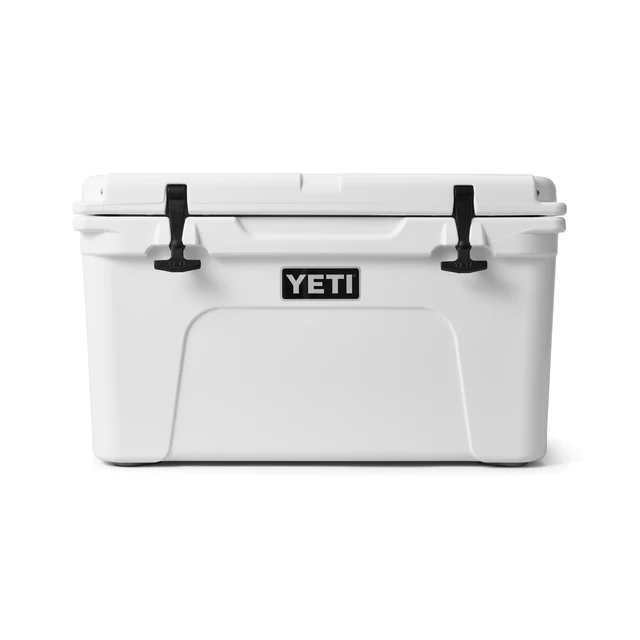
- Buy YETI Tundra 45 The all-round benchmark: consistent multi-day cold and hardware built to outlast the trip.
- Buy RTIC 45 QT Hard Cooler Rotomolded performance close to the premium coolers for a lot less money.
- It depends Pelican 50QT Elite Cooler An overbuilt, lifetime-guaranteed tank for people who value durability over portability.
- Skip Coleman 50-Quart Xtreme 5-Day Wheeled Cooler Light, wheeled, and cheap, but its ice retention and hardware do not hold up.
What actually matters
- Construction (rotomolded vs injection-molded) decides everything downstream: wall thickness, seal quality, and how long ice survives in real heat.
- Real-world ice retention is the number that matters most, and it is best judged from repeated owner reports and independent testing, not the printed day count.
- Insulation thickness in the walls and lid drives how slowly heat leaks in; more foam usually means longer cold but a heavier, bulkier box.
- Gasket and latch quality control the seal, and a consistent freezer-grade gasket with strong rubber latches holds temperature far better than a loose hinged lid.
- Portability matters because a loaded rotomolded cooler is a genuine two-person lift, and wheels help on pavement but add parts that can fail.
- Warranty and build durability determine whether the cooler lasts a decade or becomes landfill, so hinges, drain plugs, and latch hardware deserve attention.
- Usable capacity is often smaller than the badge suggests, because thick walls eat interior volume, so read internal dimensions rather than the quart label alone.
The specs, in plain English
Green flags vs red flags
Green flags
- One-piece rotomolded shell with thick, evenly molded walls
- A freezer-grade gasket paired with strong rubber or cam latches
- A long warranty, ideally multi-year or lifetime, that signals build confidence
- Consistent owner reports of multi-day ice retention in real heat
- Recessed handles, molded tie-down slots, and a reliable drain plug
Red flags
- Ice-day claims that sound too good, with no independent support
- A thin, hinged lid with no latches or a loose-fitting gasket
- A short or vague warranty that hints at limited durability
- Telescoping handles and wheel assemblies that owners report failing
- Dark shells marketed for hot climates that absorb sun and melt ice faster
- A badge capacity that hides a much smaller usable interior
Who's who: the brands
- YETI - The premium benchmark, known for consistent seals, tough hardware, long warranties, and strong resale value.
- RTIC - The value challenger, offering rotomolded performance close to the leaders for far less money.
- Pelican - The overbuilt, made-in-the-USA option, backed by a lifetime guarantee and built to take abuse.
- Coleman - The mainstream budget brand, light and affordable but mostly injection-molded with modest ice retention.
- ORCA - A rotomolded premium alternative, known for durable builds and a range of sizes.
How to read a listing without getting fooled
Start by finding the construction method, because rotomolded almost always beats injection-molded on retention, and treat any listing that hides this as a warning. Next, look past the headline day-count claim and read what long-term owners say about real ice life in heat; patterns that repeat across many reviews are more trustworthy than a single number. Check the gasket and latch description, since a freezer-grade seal and strong latches do more for cold than an extra printed day. Compare internal dimensions rather than the quart badge alone, because thick walls shrink usable space. Finally, read the warranty terms in full, as a lifetime or multi-year guarantee is one of the clearest signals of how durable the maker believes the cooler really is.
How much should you spend?
How much to spend comes down to how you use a cooler rather than the brand on the lid. For multi-day trips in real heat, a rotomolded cooler is worth the step up, because thicker walls, better gaskets, and stronger latches deliver cold and durability that cheaper coolers cannot. For short outings close to the car, a light injection-molded cooler is easier to carry and entirely adequate, so spending more buys performance you will never see. The value sweet spot sits with the challenger brands that match most premium ice retention for a meaningfully smaller outlay; paying the full premium mainly buys tighter finish, a longer warranty, and resale value. Spending more is worth it when you plan to keep the cooler for years, use it hard, or need a certified bear-resistant build; it is not worth it for occasional, casual use.
Questions, answered
How long does a good hard cooler really keep ice?
A quality rotomolded cooler holds ice for several days in real conditions, not the full week many labels promise. Actual retention depends on pre-chilling the cooler, keeping roughly a two-to-one ratio of ice to contents, limiting how often you open the lid, and keeping it out of direct sun. Treat advertised day counts as best-case marketing.
Is a rotomolded cooler worth it over a cheap one?
For multi-day trips in heat, yes. Rotomolded coolers use thicker walls, better gaskets, and stronger latches, so they hold cold far longer and survive rough handling. For short day outings, a lighter injection-molded cooler is cheaper, easier to carry, and perfectly adequate.
What single habit improves ice life the most?
Pre-chilling the cooler and packing it full with roughly a two-to-one ratio of ice to contents. That habit changes retention more than the brand on the lid, because empty space and a warm starting shell both waste your ice.
Do I need a bear-resistant cooler?
Only if you camp or store food in bear country, where some parks require a certified, lockable cooler. Elsewhere it is unnecessary, and you can prioritize ice retention, weight, and warranty instead of paying for that certification.
Are wheeled coolers worth buying?
Wheels help on pavement and boat ramps, but they add failure points, and most wheeled coolers are injection-molded, so their ice retention trails rotomolded rivals. For casual, short outings they are convenient; for serious multi-day trips, choose a rotomolded cooler and carry it.
Why does my cooler hold less than its quart rating?
Thick insulated walls are what keep ice frozen, and they take up space, so usable interior volume is smaller than the quart badge suggests. Check the internal dimensions rather than the capacity number, and consider sizing up one step.
Or jump to the head-to-head: YETI Tundra 45 vs RTIC 45 QT Hard Cooler.