

Outdoors & Fitness
The Best Hard Coolers of 2026: Value vs. Premium, and One to Skip
We weighed four 2026 hard coolers on real-world ice retention, build, and warranty to name the one worth buying, the value runner-up, and the one to skip.
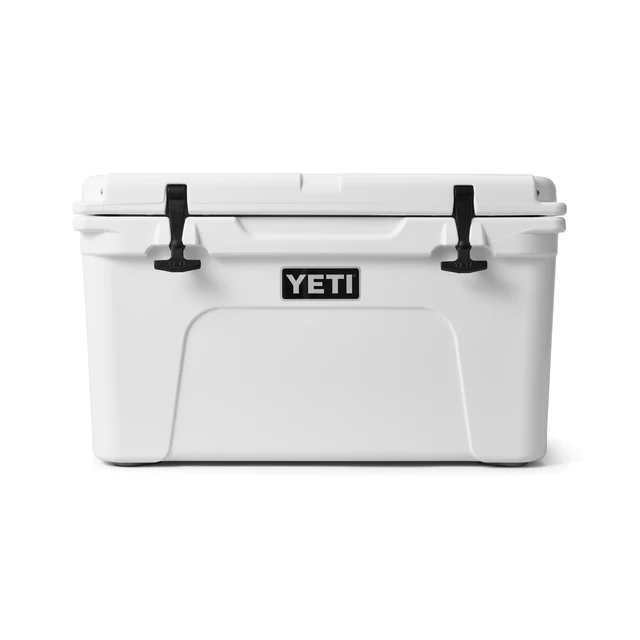
The short version
For most buyers the YETI Tundra 45 is the hard cooler to own: a rotomolded shell, a consistent seal, and tough latches and hinges that add up to a cooler you keep for years. The RTIC 45 QT is the value runner-up, matching most of that ice retention for far less. Step up to the Pelican 50QT Elite if you want an overbuilt shell and a lifetime guarantee. Skip the Coleman Xtreme wheeled cooler for any trip where ice must last.
Our picks at a glance
- YETI Tundra 45 - Buy. The all-round benchmark: consistent multi-day cold and hardware built to outlast the trip.
- RTIC 45 QT Hard Cooler - Buy. Rotomolded performance close to the premium coolers for a lot less money.
- Pelican 50QT Elite Cooler - It depends. An overbuilt, lifetime-guaranteed tank for people who value durability over portability.
- Coleman 50-Quart Xtreme 5-Day Wheeled Cooler - Skip. Light, wheeled, and cheap, but its ice retention and hardware do not hold up.
The verdict in 30 seconds
What mattered most
- Construction
- Real-world ice retention
- Latches and seal
- Portability
- Warranty
- Best use
Hard coolers are where marketing and reality drift furthest apart, with nearly every brand promising a week of ice that few deliver in real heat. We compared four models sold in 2026, from a premium benchmark to a genuine value and a cooler we think most people should skip. The goal is simple: match the right cooler to how you actually use it, without paying for performance you will not see.
The all-round benchmark: consistent multi-day cold and hardware built to outlast the trip.
Best for: Buyers who want one cooler to keep and trust for a decade.
- Thick PermaFrost insulation with a consistent ColdLock seal
- Durable T-Rex latches, NeverFail hinge, and a certified bear-resistant build
- Premium price and heavy to carry when loaded
- Thick walls shrink the usable interior and there are no wheels
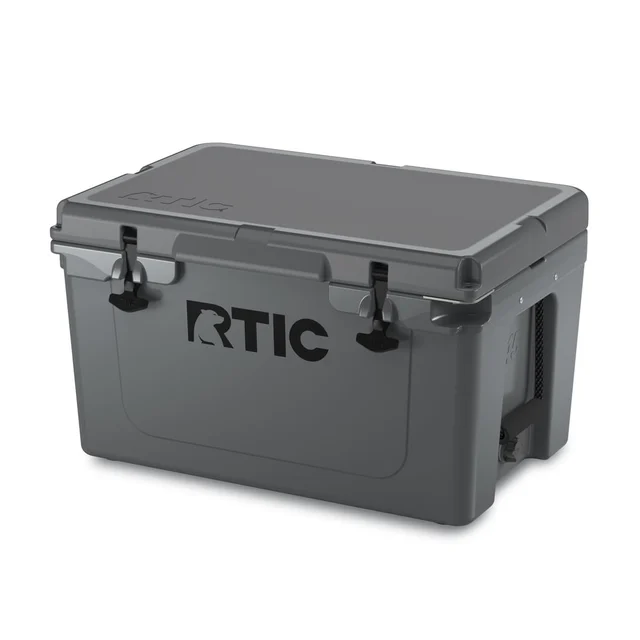
Rotomolded performance close to the premium coolers for a lot less money.
Best for: Value seekers who want rotomolded cold without the premium price.
- Rotomolded shell with up to 2.8 inches of closed-cell foam
- Ice retention close to premium coolers for far less money
- Rougher fit and finish than the premium leaders
- Stiff latches out of the box and heavy for its stated capacity
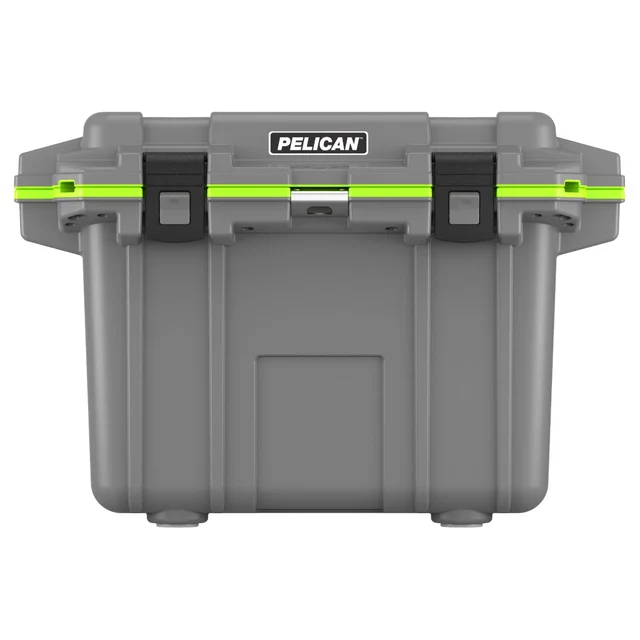
An overbuilt, lifetime-guaranteed tank for people who value durability over portability.
Best for: Overland travel and hard use where a lifetime warranty matters more than weight.
- Overbuilt shell with press-and-pull latches and a freezer-grade gasket
- Backed by a lifetime guarantee
- Bulky and heavy for its usable interior
- A committed two-person lift when full
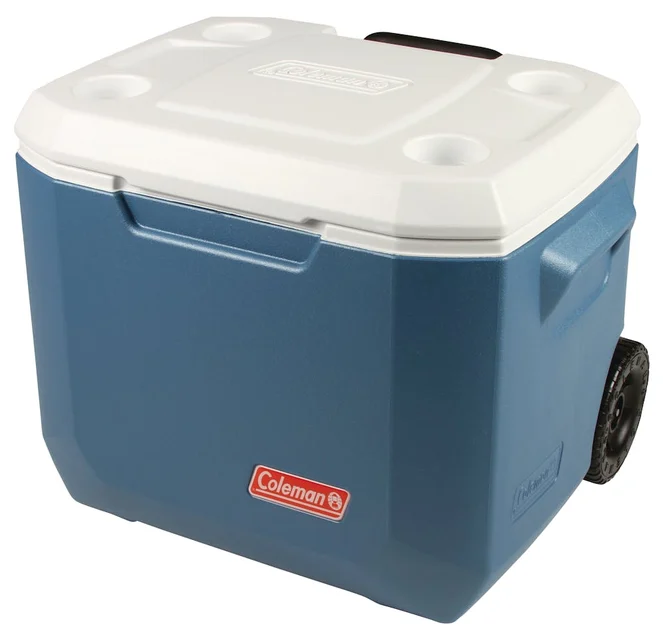
Light, wheeled, and cheap, but its ice retention and hardware do not hold up.
Best for: Short, casual outings close to the car where ice only needs to last a day.
- Light and inexpensive, with wheels and a telescoping handle for easy rolling
- Handy Have-A-Seat lid, molded cup holders, and a built-in drain
- Ice retention falls well short of the five-day claim in real heat
- Telescoping handle and wheel hardware are common failure points
| Criteria | YETI Tundra 45 Top pick | RTIC 45 QT Hard Cooler | Pelican 50QT Elite Cooler | Coleman 50-Quart Xtreme 5-Day Wheeled Cooler |
|---|---|---|---|---|
| Verdict | Buy it | Buy it | It depends | Skip it |
| Best for | Buyers who want one cooler to keep and trust for a decade. | Value seekers who want rotomolded cold without the premium price. | Overland travel and hard use where a lifetime warranty matters more than weight. | Short, casual outings close to the car where ice only needs to last a day. |
| Price tier | $$$$ · flagship | $$ · mid-range | $$$ · premium | $ · budget |
| Construction | Rotomolded | Rotomolded | Heavy-duty molded, 2 in. foam | Injection-molded |
| Real-world ice retention | Excellent, multi-day | Excellent, multi-day | Very good | Modest, a day or two |
| Latches and seal | T-Rex latches, ColdLock gasket | Silicone T-latches | Press-and-pull cam latches | Simple hinged lid |
| Portability | Two-person carry, no wheels | Two-person carry, no wheels | Heavy, no wheels | Wheels and telescoping handle |
| Warranty | Multi-year | 5-year | Lifetime | Limited |
| Best use | All-round premium | Value rotomolded | Abuse and overland | Casual short trips |
Which one is right for you?
- Buyers who want one cooler to keep and trust for a decade. Buy it YETI Tundra 45
- Value seekers who want rotomolded cold without the premium price. Buy it RTIC 45 QT Hard Cooler
- Overland travel and hard use where a lifetime warranty matters more than weight. It depends Pelican 50QT Elite Cooler
- Short, casual outings close to the car where ice only needs to last a day. Skip it Coleman 50-Quart Xtreme 5-Day Wheeled Cooler
How we judged the field
We looked only at hard coolers sold new in 2026, and we leaned on the points where independent testers and long-term owners tend to agree: how long ice survives a hot weekend, how well the lid seals, whether the latches and hinges hold up, and how much abuse the shell absorbs. RBE does not run its own thermal tests, so we weight patterns that repeat across expert teardowns and years of owner feedback rather than any single number. We also gave credit for the unglamorous details that decide whether a cooler lasts a decade: gasket quality, drain design, and warranty terms. Advertised day-count claims were treated with suspicion, because nearly every brand inflates them, and real retention depends on pre-chilling, ice ratio, and how often the lid is opened. Four coolers made the cut, including one most buyers should walk past.
YETI Tundra 45
Buy itThe Tundra 45 is the reference point the rest of the category is measured against, and it earns that position through consistency rather than any single trick. Its rotomolded shell carries thick PermaFrost insulation, and the ColdLock gasket plus the T-Rex rubber lid latches produce a seal that holds temperature steadily across a multi-day trip. The NeverFail two-pin hinge and the interagency-approved bear-resistant rating speak to how little of this cooler is likely to break. What owners like more is the predictability: pre-chill it, keep a healthy ice ratio, and it performs the same way trip after trip. What they like less is the obvious part, cost and weight, along with an interior that feels smaller than the badge because the thick walls eat volume, and there are no wheels to help you move it loaded.
RTIC 45 QT
Buy itRTIC built its reputation by copying the rotomolded formula and undercutting the leaders, and the 45 QT is the clearest example of that value. It uses a rotomolded body with up to 2.8 inches of closed-cell foam, a freezer-style gasket, silicone T-latches, and marine-grade rope handles that make a two-person carry manageable. In practice it lands within striking distance of the premium coolers on ice retention, which is the number that matters most. What buyers like more is exactly that: they get the large majority of the performance for a meaningfully smaller outlay. What they like less is the finish: latches that are stiffer out of the box, rougher molding seams, and a heavier feel than the stated capacity suggests. RTIC now sells it as the 45 QT Ultra-Tough Cooler with a 5-year warranty.
Pelican 50QT Elite
It dependsThe Pelican Elite is the overbuilt option, closer to the company’s hardcase heritage than to a picnic cooler. Two inches of polyurethane insulation, a freezer-grade gasket, and press-and-pull cam latches give it strong retention, while the molded-in lock hasp with a stainless plate, integrated cup holders, and a built-in bottle opener round out a rugged package. It is backed by a lifetime guarantee, which is the strongest warranty here by a wide margin. What owners like more is that combination of a tank-like shell and a warranty that removes long-term risk. What they like less is the heft: it is bulky and heavy for its usable interior, the walls are thick, and lifting it full is a committed two-person job. It suits abuse, overland travel, and buyers who value the guarantee over portability.
Coleman 50-Quart Xtreme 5-Day Wheeled
Skip itThis is the honest skip. The Xtreme is injection-molded rather than rotomolded, and the gap shows once the weather turns hot. The Have-A-Seat lid, molded cup holders, telescoping handle, wheels, and built-in drain make it convenient and easy to move, and it is light and inexpensive, which is what buyers like more. The problem is the core job. Owner reports repeatedly describe ice retention falling well short of the five-day name, often a day or two in real heat, and the telescoping handle and wheel hardware show up again and again as failure points. For a short cookout it is fine. For anything that depends on ice staying frozen, it is the wrong tool, and that is what buyers like less.
YETI Tundra 45 vs RTIC 45 QT: which should you buy?
This is the decision most shoppers actually face, because both are rotomolded coolers in the same size class and the performance gap between them is narrow. The YETI justifies its higher cost with tighter seal consistency, cleaner finish, a certified bear-resistant design, and the resale value that follows a strong brand. The RTIC answers with most of the same real-world ice retention for a much smaller outlay, and if you are not counting on reselling it later, that trade is easy to make. Choose the Tundra 45 if you want the surest long-term ownership and plan to keep it for years or use it in bear country. Choose the RTIC 45 QT if you want rotomolded performance and would rather spend the difference on more ice, a better tent, or the trip itself.
What to look for
Start with size, then buy one step larger than you expect to need, because thick insulated walls shrink the usable interior and coolers work best when packed full. Decide whether you need rotomolded construction at all: for multi-day trips in heat it is worth it, while for day outings a lighter injection-molded box is fine. Whatever you buy, pre-chill the cooler and aim for roughly a two-to-one ratio of ice to contents, since that single habit changes retention more than the brand on the lid. Weigh portability honestly, as wheels help on pavement but add failure points, and a loaded rotomolded cooler is a two-person lift. Finally, read the warranty, because a lifetime guarantee or a multi-year term tells you how much the maker trusts its own build.
Our final take
The YETI Tundra 45 is the pick for most buyers who want one cooler to keep for a decade, thanks to its consistent seal and durable hardware. The RTIC 45 QT is the value runner-up, delivering most of that performance for far less. The Pelican 50QT Elite is the choice when abuse resistance and a lifetime guarantee outrank portability. The Coleman Xtreme wheeled cooler is convenient and cheap, but its weak ice retention and fragile hardware make it a skip for any trip where cold actually matters.
Questions, answered
How long does a good hard cooler really keep ice?
A quality rotomolded cooler holds ice for several days in real conditions, not the week many labels promise. Actual retention depends on pre-chilling, keeping a two-to-one ice ratio, limiting lid openings, and staying out of direct sun. Treat advertised day counts as best-case marketing.
Is a rotomolded cooler worth it over a cheap one?
For multi-day trips in heat, yes. Rotomolded coolers use thicker walls, better gaskets, and stronger latches, so they hold cold far longer and survive rough handling. For short day outings, a lighter injection-molded cooler is cheaper, easier to carry, and perfectly adequate.
YETI Tundra 45 or RTIC 45 QT: is the premium worth it?
Both are rotomolded and perform closely on ice retention. The YETI adds tighter seal consistency, cleaner finish, a bear-resistant rating, and stronger resale. The RTIC costs much less for nearly the same cold. Choose YETI for longevity, RTIC to save money.
Do I need a bear-resistant cooler?
Only if you camp or store food in bear country. The YETI Tundra is certified bear-resistant when locked, which some parks require. Elsewhere it is unnecessary, and you can prioritize ice retention, weight, and warranty instead of paying for that certification.
Are wheeled coolers like the Coleman Xtreme worth buying?
Wheels help on pavement and boat ramps, but they add failure points, and the Coleman Xtreme is injection-molded, so its ice retention trails rotomolded rivals. For casual, short outings it is convenient and cheap. For serious multi-day trips, choose a rotomolded cooler and carry it.
Deciding between the top two? See our head-to-head: YETI Tundra 45 vs RTIC 45 QT Hard Cooler.
More Outdoors & Fitness reviews
 The Best Cornhole Sets: 4 Compared (and One to Skip)
  The Best Dartboards: 4 Compared (and One to Skip)
  The Best Disc Golf Sets: 4 Compared (and One to Skip)
  The Best Dopp Kits: 4 Compared (and One to Skip)
  The Best Dry Bags: 4 Compared (and One to Skip)
  The Best Duffel Bags: 4 Compared (and One to Skip)