Explained
Bike Chain Lubes, Explained
After reading, you'll know which base type suits your weather, why cure time matters, and what ceramic means on a lube bottle.
In this guide
Chain lube looks like the simplest purchase in cycling and generates more wasted money than most. The usual mistake is buying on brand or on a word like ceramic, then applying it wrong for the conditions and wondering why the drivetrain is filthy or the chain squeaks after one wet ride. Two published numbers would prevent nearly all of it, and only some brands print them.
The 30-second version
- Cure time changes your routine, running from five minutes on a wet oil to a full day on a wax, which decides when you can lube.
- The interval sets the real cost, because a bottle's price means nothing until you know how many miles a treatment covers.
- Base type follows the weather, with wet lube for rain and salt, dry lube for dust, and wax for the cleanest drivetrain.
- Dirt does the wearing, so a sticky lube holding grit will wear a chain faster than a thinner lube that stays clean.
- Ceramic has no definition here, and cannot be compared between brands, so it should not carry weight in the decision.
The products this guide is about
Our verdict on each, with the full reasoning on the companion review.
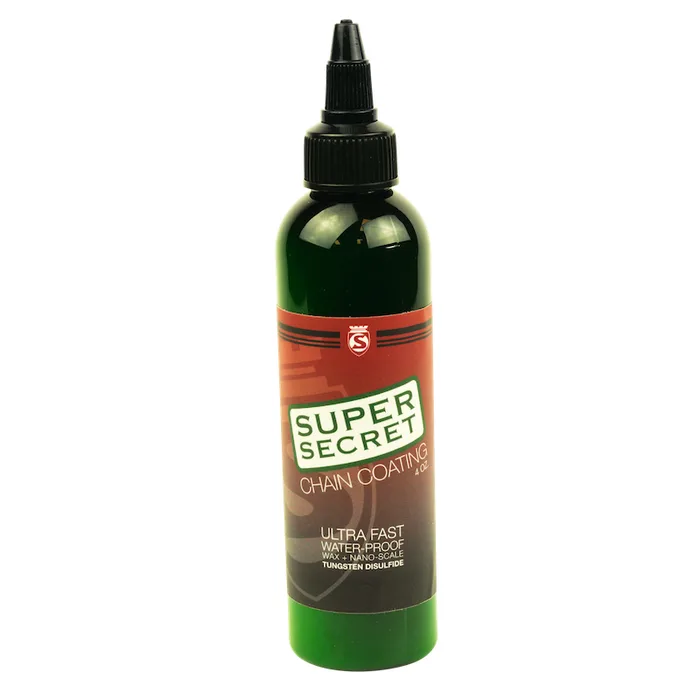
- Buy SILCA Super Secret Chain Lube Wax in a drip bottle, with both the interval and the cure time published.
- Buy Finish Line Wet Chain Lubricant The only lube here you can apply and ride five minutes later, with the interval published too.
- It depends Muc-Off C3 Dry Weather Ceramic Lube A capable dry lube whose headline ingredient is never quantified.
- Skip Peaty's LinkLube All Weather Publishes neither how long to wait nor how often to reapply, on a product that is entirely those two things.
What actually matters
- Cure time - how long the carrier needs to evaporate before riding. Ride too early and most of the lube is flung off, wasting it and leaving the chain underlubricated.
- Reapplication interval - how far one treatment lasts, in miles or kilometres. It converts a bottle price into a cost per mile, which is the only fair comparison across price tiers.
- Base type - wet oil, dry oil or wax. This is a match to conditions rather than a quality ladder, and the wrong choice for your weather will underperform a cheaper correct one.
- Drivetrain cleanliness - how much grit the lube attracts and holds. Grit in the rollers is what actually wears a chain out, so a clean drivetrain is a durability feature.
- Penetration - whether the lube reaches the rollers and pins or sits on the outer plates. Lubricant on the outside does nothing useful and collects dirt.
- Application dose - how much to apply, ideally stated per link. Over-application is the most common error and causes most of the mess people blame on the lube.
- Additives - PTFE, ceramic particles and similar. These are rarely quantified and never standardised, so treat them as brand language rather than specification.
The specs, in plain English
Green flags vs red flags
Green flags
- A cure or dry time published as a number.
- A reapplication interval given in miles or kilometres.
- An application dose, ideally stated per link.
- The intended conditions named specifically rather than all conditions.
- Instructions that say to wipe off excess.
Red flags
- No interval published on a consumable.
- No cure time, so you cannot tell when it is safe to ride.
- An additive used as the headline with no quantity or test behind it.
- All weather offered as a benefit rather than as the compromise it is.
- No mention of cleaning or degreasing before a first application of wax.
Who's who: the brands
- SILCA - Premium brand with a research-led approach to chain efficiency, publishing intervals, cure times and application doses more completely than most.
- Finish Line - Long-established lubricant specialist with a broad wet, dry and wax range and consistently published reapplication guidance.
- Muc-Off - Marketing-forward brand with a very wide range and a lube selector tool, though additive claims tend to outrun published figures.
- Peaty's - Rider-founded British brand known for inventive formulations, including two-part lubes, with lighter published specification.
- Squirt - Wax emulsion specialist, popular with riders wanting wax behaviour from a drip bottle rather than a hot wax pot.
How to read a listing without getting fooled
Decide your conditions first, because base type is a match rather than a ranking and the best wet lube will disappoint in dust. Then look for two numbers. The cure or dry time tells you whether this fits your routine, and it is the specification most likely to change how you maintain the bike. The reapplication interval tells you what the bottle actually costs you per mile, which is how a premium lube and a budget one should be compared. If a page gives neither, you are being asked to buy a consumable with no idea how long it lasts. Treat additive names like ceramic as brand language until someone quantifies them.
How much should you spend?
Chain lube looks cheap per bottle and is better judged per mile, which is exactly why the reapplication interval matters. Budget buys a competent wet or dry oil from an established lubricant brand, and these are genuinely good products that do the job when matched to conditions. Mid-range buys broader-condition formulations and additive packages, where the additional performance is real but rarely quantified. Premium is mostly wax-based systems, and the case for them is not the bottle price but drivetrain longevity: a chain that runs clean wears more slowly and takes the cassette and chainrings with it less quickly. If you ride enough miles for that to matter, the premium lube can be cheaper in the end. If you do not, it is not.
Questions, answered
How often should I actually lube my chain?
Where a maker publishes an interval, follow it and adjust for conditions, which usually means every 100 to 250 miles on an oil and around 200 on a wax. Beyond that, the chain tells you: a dry rustling or squeaking noise means it is overdue, and a chain that looks wet and black is over-lubricated and collecting grit. One wet ride can strip a dry lube completely, so conditions matter more than elapsed time.
Can I just use a general purpose spray lubricant?
It will quiet a chain and it is a poor chain lube. General purpose penetrating sprays are designed to displace water and free seized parts, so they are thin, they wash out quickly and they can strip the factory grease from inside the rollers where you actually want lubrication. They are useful for freeing a stuck derailleur pivot. For the chain itself, a lubricant formulated for the job will last many times longer.
Should I clean the chain every time I lube?
No, and over-cleaning causes its own problems. A wipe with a dry rag before reapplying is enough for oil-based lubes most of the time, since the point is to remove surface grit rather than strip the chain. A full degrease is worth doing occasionally, and is essential before switching to a wax-based lube, because wax will not bond over an oil film. Aggressive solvent cleaning every week removes lubricant from inside the rollers faster than you can replace it.
Is waxing worth the extra effort?
It depends almost entirely on your mileage and your tolerance for scheduling. Wax keeps the drivetrain cleaner than anything else, which measurably extends chain, cassette and chainring life, and those components cost far more than lube does. Against that, the cure time means lubing the day before riding and the first application needs a proper degrease. Riders doing high mileage on a maintenance routine come out ahead. Riders who lube when the chain squeaks will find it frustrating and should use an oil.
Or jump to the head-to-head: SILCA Super Secret Chain Lube vs Finish Line Wet Chain Lubricant.