Explained
Baby Strollers, Explained
After reading this you will understand the main stroller types, the specs worth caring about, and how to pick one that fits your actual life instead of the lifestyle photos.
In this guide
A stroller looks simple until you start shopping, at which point you are buried in words like modular, travel system, and reversible seat. The truth is that no single stroller is best for everyone; the right one depends on where you walk, how you travel, and how many kids you plan to push. What trips people up is buying for a fantasy of daily life rather than the errands, curbs, stairs, and car trips they actually face.
The 30-second version
- Buy for your daily job, not the brochure. The stroller you use most is the one that fits your commute, storage, and terrain, so start there rather than with brand prestige.
- Type matters more than brand. A modular all-rounder, a compact travel folder, a jogger, and a car-seat hybrid solve genuinely different problems, and buying the wrong type is the most expensive mistake.
- Fold size and weight decide how often you use it. A stroller that is a pain to lift into a trunk or up stairs quietly gets left at home.
- Watch for hidden add-ons. Bassinets, newborn packs, and second-seat kits are often sold separately, so the simplest-looking model may need extras to fit your stage.
- Think about how long it stays useful. Age and weight limits, plus expandability for a second child, determine whether a stroller lasts years or months.
The products this guide is about
Our verdict on each, with the full reasoning on the companion review.
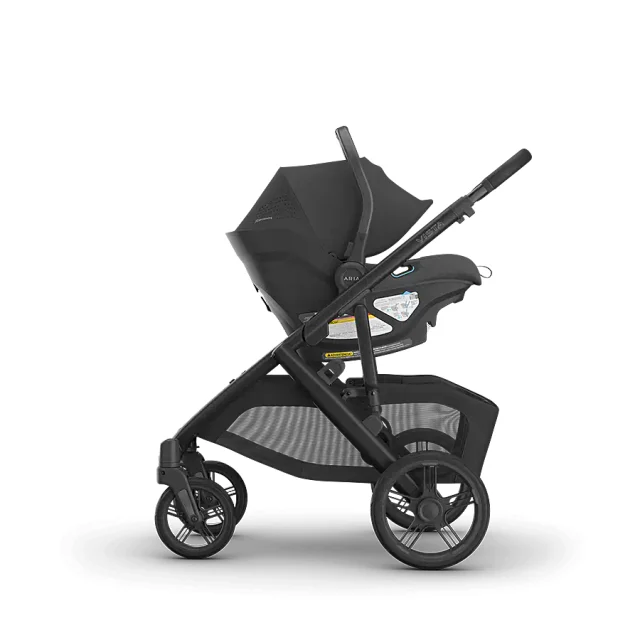
- Buy UPPAbaby Vista V3 A modular everyday flagship that grows from one baby to three without ever feeling like a compromise. Amazon
- Buy Stokke YOYO3 The travel folder to beat - cabin-legal, feather-light, and noticeably smoother than the YOYO2 it replaces. Amazon
- Buy Thule Urban Glide 3 A genuinely fast running stroller that still behaves itself on the daily coffee run. Amazon
- Skip Doona+ Car Seat & Stroller A brilliant car-seat-to-stroller trick that most families outgrow within a year. Amazon
What actually matters
- Stroller type - Whether you need an everyday all-rounder, a compact travel folder, a running stroller, or a car-seat hybrid is the single biggest decision, because each is optimized for a different life.
- Fold and weight - How small it folds and how much it weighs decide whether you will actually carry it up stairs, into a cabin, or out of a trunk every day.
- Age and weight range - A stroller usable from birth to preschool serves you far longer than one with a narrow window, so check both the lower and upper limits.
- Ride and suspension - Suspension, wheel size, and tire type determine how smoothly it rolls over cracked sidewalks, curbs, and rougher ground.
- Storage basket - A generous, easy-to-reach basket is one of the most-used features day to day, yet it is easy to overlook when comparing headline specs.
- Expandability - If a second or third child is possible, the ability to add seats or a ride-along board can save you from buying a second stroller.
- One-adult usability - Folding, unfolding, and loading it solo while holding a baby matters more in real life than almost any marketing feature.
The specs, in plain English
Green flags vs red flags
Green flags
- The type genuinely matches your most common trip, whether that is errands, flights, running, or car-heavy days.
- It folds small and light enough that you will actually lift and carry it where you need to.
- A wide age and weight range means it will serve you from the newborn stage well into toddlerhood.
- One adult can fold, unfold, and load it without a struggle.
- The storage basket is large and easy to reach, and any add-ons you need are clearly identified.
- Owners who use it for your exact scenario report they still like it after months of daily use.
Red flags
- It is sold on lifestyle images with vague claims about doing everything, which usually means it does nothing especially well.
- The useful life is short because your child will outgrow the age or weight limit within roughly a year.
- Essential pieces such as a bassinet or newborn pack are quietly extra, inflating the real cost.
- The fold is bulky or heavy enough that it will live in a closet instead of getting used.
- It cannot handle your terrain, for example small hard wheels on rough or uneven ground.
- Reviews repeatedly mention the same flaw, such as a tiny basket or an awkward two-handed fold.
Who's who: the brands
- UPPAbaby - Known for premium modular all-rounders that grow from one child to three, with a smooth ride and thoughtful details.
- Stokke - Maker of the compact, cabin-friendly YOYO travel folders (formerly Babyzen), favored by frequent flyers and city parents.
- Thule - An outdoor-gear brand known for capable running and jogging strollers with air tires and a lockable front wheel.
- Doona - Built the car-seat-that-becomes-a-stroller category, prized for seamless car-to-sidewalk use in a newborn's first months.
- Bugaboo - A design-led premium brand associated with maneuverable, well-made everyday strollers and travel systems.
How to read a listing without getting fooled
Read a stroller listing by translating each feature back into your daily life. When a spec sheet leads with the number of configurations or a suspension name, ask what that actually buys you: more configurations only matter if you will use them, and fancy suspension only matters for the surfaces you walk on. Check the folded dimensions and weight against where the stroller has to fit, whether that is a trunk, an apartment closet, or an airline cabin. Confirm the age and weight range at both ends, and hunt specifically for the phrase sold separately, because bassinets, newborn packs, and second seats are the most common hidden costs. Finally, weight the opinions of owners who use the stroller for the same job you will, since a glowing review from a runner tells you little if you never run.
How much should you spend?
Spend according to how central the stroller is to your life rather than to a number on a spec sheet. If it is your everyday workhorse for years and possibly for more than one child, a premium modular all-rounder is often the better long-term value, because a smooth ride, big basket, and expandability are things you feel every single day. If the stroller serves a narrow purpose, such as occasional flights or a short car-heavy newborn window, paying flagship prices rarely pays off, and a well-reviewed specialist or a shorter-lived model is the smarter allocation. The genuine trap is a mid-priced stroller that tries to do everything and excels at nothing; you often get more real value from a focused stroller matched to your main job. Always factor required add-ons into the total, because a cheaper frame that needs a bassinet and a newborn pack can quietly cost as much as a more complete rival.
Questions, answered
Do I really need a stroller that works from birth?
Only if you want a single stroller to cover the newborn stage. Very young babies should lie flat, which usually means a bassinet or a newborn pack rather than a propped-up seat. If you plan to use a car-seat travel system for the first months, you can choose a stroller whose seat starts a bit later and still be fine.
What is the difference between a travel system and a travel stroller?
They sound alike but are unrelated. A travel system is a frame that accepts an infant car seat so you can move a sleeping baby from car to stroller. A travel stroller is a compact, lightweight stroller designed to fold small for flights and tight storage. You can want one, the other, or both.
Is an expensive stroller actually worth it?
It depends on how much you will use it. For a family that pushes a stroller daily for years and maybe for a second child, a premium all-rounder often earns its price through comfort, storage, and expandability. For occasional or short-term use, a focused, moderately priced model usually makes more sense.
Can one stroller do everything?
Not really. A modular all-rounder comes closest for everyday family life, but it will be bulkier than a dedicated travel folder and less capable than a purpose-built jogger. Many families end up with a main stroller plus a compact second one for travel, which is often cheaper than forcing one stroller to do jobs it was never designed for.
How long will my child use a stroller?
It varies by model and child, but check the upper age and weight limits before buying. Some strollers are outgrown in about a year, while all-rounders can last well into the preschool years. If longevity matters, favor a wide weight range and, where relevant, the option to add a ride-along board.
Or jump to the head-to-head: UPPAbaby Vista V3 vs Stokke YOYO3.