Explained
Baby Sleep Sacks, Explained
After reading, you'll understand how to choose a sleep sack's warmth, fabric and size, and which features safe sleep guidance warns against.
In this guide
Sleep sacks look simple, but first-time buyers often trip over TOG numbers that differ between brands, sizes that overlap, and marketing claims about soothing. Some products add weight or are sold for tummy sleeping, which safe sleep guidance advises against. Others list certifications that are about fabric chemistry, not crib safety. Knowing which label means what makes the choice much easier.
The 30-second version
- A sleep sack replaces loose blankets, which safe sleep guidance says to keep out of the crib.
- TOG measures warmth, and you should match it to your room temperature using the maker's own chart.
- Fit is a safety feature, so size by current weight and height and never size up so far that the neckline can reach the face.
- Skip weighted sacks, because the AAP says not to use weighted sleepers on or near a baby.
- Fabric labels are about materials, so OEKO-TEX or GOTS tell you about textiles, not about sleep safety.
The products this guide is about
Our verdict on each, with the full reasoning on the companion review.
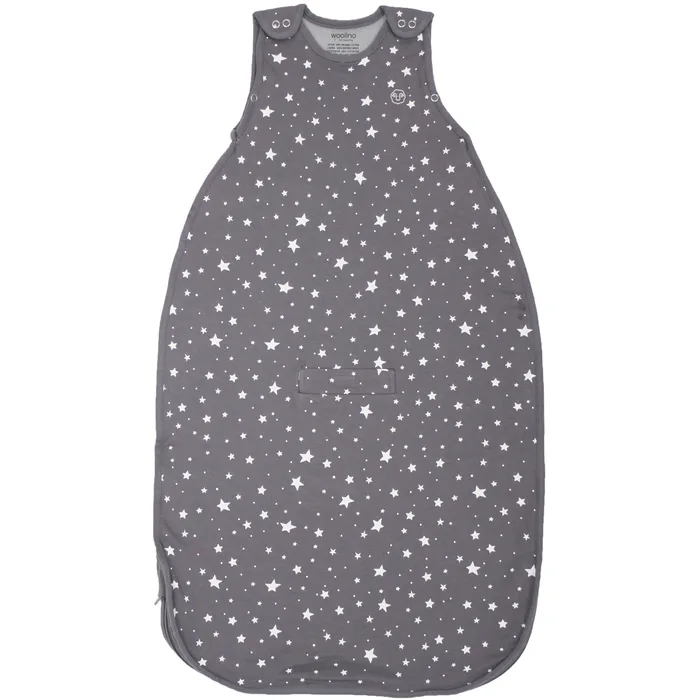
- Buy Woolino 4 Season Ultimate Baby Sleep Bag (2 months to 2 years) A merino and organic cotton sack meant to work across seasons and from 2 months to 2 years in one size.
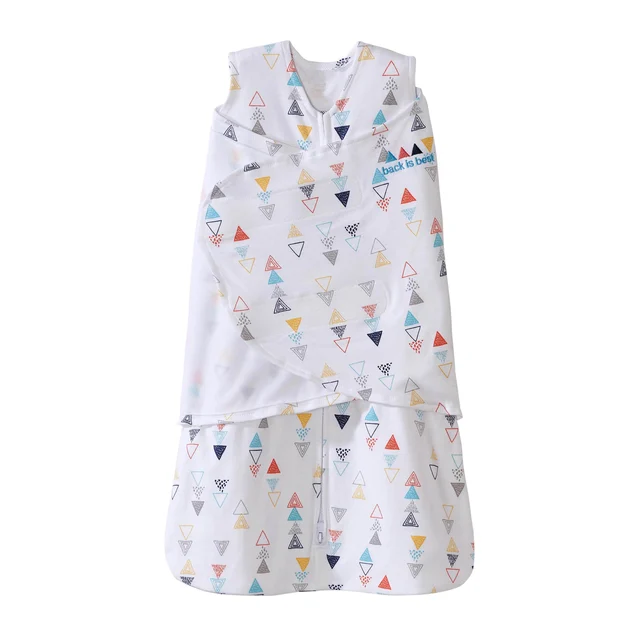
- Buy HALO SleepSack Wearable Blanket 100% Cotton TOG 0.5 The classic, inexpensive cotton sack for warm rooms, with an IHDI hip-healthy approval and easy care.
- It depends Kyte Baby Sleep Bag 1.0 TOG (Sage) A very soft bamboo rayon sack with sizes that run to 50 lb, but one fixed TOG and gentler care.
- Skip Nested Bean Zen Sack Classic A gently weighted sleep sack, which runs against the AAP's advice to keep weighted sleepers away from babies.
What actually matters
- Warmth rating - The TOG or stated room range tells you which nights the sack suits. Overheating is a safe sleep concern, so err toward lighter rather than heavier.
- Neck and armhole fit - A snug neckline keeps the sack from riding up over the face. This is why sizing by current weight matters more than buying room to grow.
- Hip room - A roomy bottom lets the legs bend up and out naturally. Some sacks carry an International Hip Dysplasia Institute approval as an extra check.
- No added weight - Weighted pads and beads are sold for soothing. The AAP advises against weighted sleepers, so they are best avoided.
- Zipper design - Two-way, inverted or side zippers make diaper changes possible without fully undressing the baby. Zipper covers keep the pull away from the chin.
- Fabric - Cotton is easy care, merino wool handles a wider temperature range, and bamboo rayon feels very soft. Each has different washing needs.
- Care - Some sacks tumble dry, others need air drying. If drying takes a day, plan on owning at least two.
The specs, in plain English
Green flags vs red flags
Green flags
- A clear TOG or room temperature range on the product page
- Sizing given by weight and height, not only age
- A roomy bottom or hip-healthy approval
- A zipper cover or zipper garage at the top
- Washing and drying instructions you can realistically follow
Red flags
- Any weighted pad, beads or added pressure
- Marketing aimed at tummy sleeping
- Sleep improvement claims based only on parent testimonials
- Hoods, loose attachments or decorations near the face
- No warmth rating or temperature guidance at all
Who's who: the brands
- HALO - Known for the long-running SleepSack wearable blanket and swaddle line in a wide range of TOGs.
- Woolino - Known for merino wool and organic cotton sleep bags designed to work across seasons.
- Kyte Baby - Known for bamboo rayon sleepwear and sleep bags in a range of TOGs and sizes.
- Nested Bean - Known for gently weighted swaddles and sleep sacks marketed for soothing.
How to read a listing without getting fooled
Start with the warmth: find the TOG or stated room temperature range and check it against the maker's own chart, because charts vary between brands. Then read the size chart in weight and height, and note the minimum weight, which some sacks set above newborn size. Look for how the sack closes and opens for diaper changes, whether there is a zipper cover, and whether the bottom is described as roomy or hip healthy. Read the fabric and care section to see if it can be tumble dried. Finally, check the safety section for anything about weight or tummy sleeping, which are reasons to look elsewhere.
How much should you spend?
Budget cotton sacks do the core job well and are the easiest way to keep spares in rotation, though you will buy new sizes and TOGs as your baby grows. Mid-range sacks usually add softer fabrics such as bamboo or longer size runs. Premium sacks, typically merino wool, cost much more up front but can cover more of the year and a longer age span in one size, which narrows the gap over two years. Paying more never buys extra safety; an unweighted, well-fitting sack at any tier meets the same basic standard.
Questions, answered
How many sleep sacks do I need?
Most families find two of the current size is the practical minimum, so one can be washed while the other is in use. If your sack needs air drying, a third helps. If your nursery temperature changes a lot with the seasons, you may also need two TOGs, unless you choose a sack that covers a wider room range.
Can my newborn use a sleep sack?
Many sacks come in newborn or extra small sizes, but check the minimum weight, since some start at 10 lb or 2 months. Many parents swaddle first and switch to a sack once the baby shows signs of rolling. Whichever you use, place the baby on their back on a firm, flat surface.
Is a sleep sack safe for a baby who can roll?
Yes, an unweighted sleeveless sack leaves the arms free, which is why it is the usual next step after swaddling. The AAP says to keep placing your baby on their back, and if they can roll both ways on their own, you do not need to keep turning them back over. Keep the crib bare of blankets, pillows and toys.
Can a baby wear a sleep sack in a car seat?
Check before you try. A sleep sack sits between the baby and the harness, and while some, like Woolino's, include a closable seatbelt opening, you should follow your car seat maker's instructions about anything worn under the straps. For travel, it is often simpler to buckle the baby in regular clothes and put the sack on at the destination.
Or jump to the head-to-head: Woolino 4 Season Ultimate Baby Sleep Bag (2 months to 2 years) vs HALO SleepSack Wearable Blanket 100% Cotton TOG 0.5.