

Audio & Headphones
The Best XLR Microphones: 4 Compared (and One to Skip)
We compared four popular XLR mics for podcasting, streaming, and vocals on sound, room forgiveness, gain demands, and setup cost.
The short version
For most podcasters, streamers, and vocalists the Shure SM7B is the pick to beat: independent testing and owner reports agree it sounds smooth on almost any voice and hides a messy room, so long as your interface (or an inline booster) supplies enough clean gain. The Rode PodMic is the smart-money choice, delivering most of that broadcast character with an easier gain load and a lower price. The Electro-Voice RE20 is a superb career mic but it depends on budget and a sturdy arm, since it is heavy and the most expensive here. Skip the MXL 990 for podcasting or streaming: as a sensitive condenser it drinks in room noise and echo that a dynamic would ignore, and it only shines in a treated space. Best for: buy the SM7B if you want near-foolproof sound and can power it, or the PodMic if you want the strongest value in a real XLR mic.
Our picks at a glance
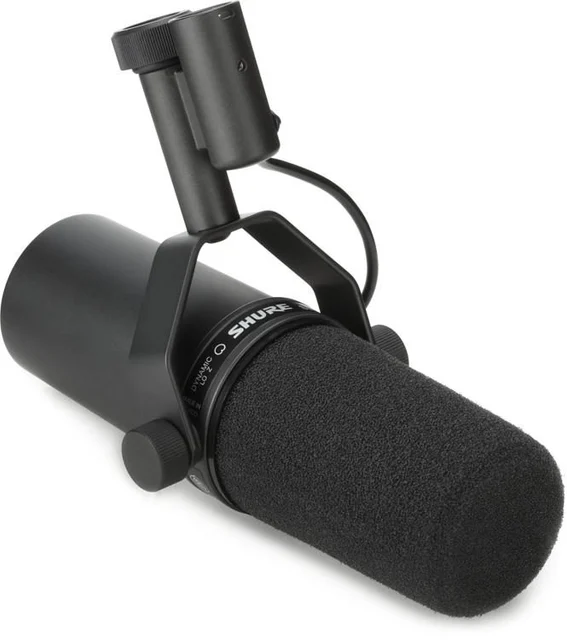
- Shure SM7B - Buy. The broadcast-grade dynamic that flatters almost any voice and forgives an untreated room, provided you feed it enough clean gain.
- Rode PodMic - Buy. A tank-built dynamic that delivers most of a flagship broadcast sound for a fraction of the outlay.
- Electro-Voice RE20 - It depends. A legendary broadcast mic with uncanny consistency up close, but it asks for a strong front end and a real budget.
- MXL 990 - Skip. A cheap large-diaphragm condenser that sounds nice in a treated booth but sabotages most home podcasters.
The verdict in 30 seconds
What mattered most
- Capsule type
- Room forgiveness (untreated space)
- Clean gain / preamp demand
- Voice character
- Build & mounting
- Best use
An XLR microphone is the grown-up path for podcasting, streaming, and vocals: better capsules, real mounting, and room to upgrade the gear around it. But it also drags in an interface, cables, and sometimes a gain booster, so the wrong pick gets expensive fast. We synthesized independent testing and long-run owner reports to sort four widely bought mics into two clear buys, one that genuinely depends on your setup, and one most creators should skip.
The broadcast-grade dynamic that flatters almost any voice and forgives an untreated room, provided you feed it enough clean gain.
Best for: Podcasters, streamers, and voice talent who want a near-foolproof sound in a real-world room and can budget for proper gain.
- Reviewers consistently describe it as smooth and full on a huge range of voices, with tame plosives and sibilance
- Tight cardioid pickup plus internal shock and pop protection makes it very forgiving in noisy, untreated rooms
- Built-in bass roll-off and presence switches let you tune the sound without any plugins
- Very low output: Shure rates it at 1.12 mV/Pa and advises an inline booster if your preamp offers no more than 60 dB of gain
- The mic alone is only part of the cost once you add an arm, interface, and possibly a preamp
Own the Shure SM7B? Tell us how it held up.
Thanks. Counted, and shown once enough owners have weighed in.
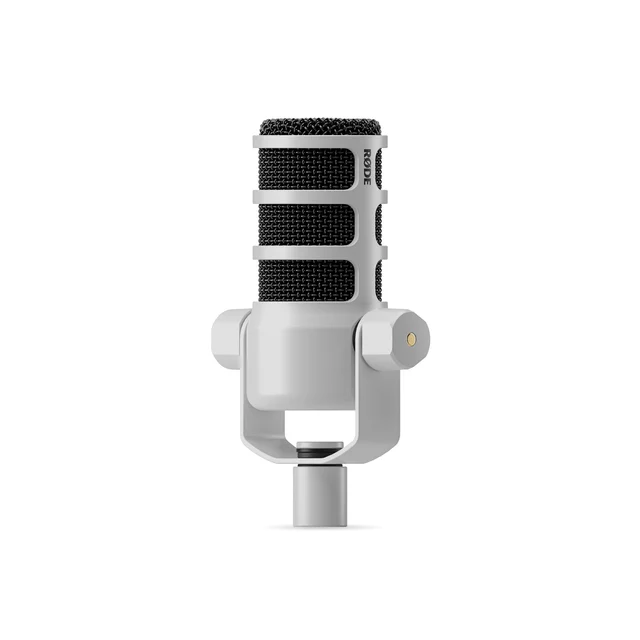
A tank-built dynamic that delivers most of a flagship broadcast sound for a fraction of the outlay.
Best for: First-time XLR buyers and multi-seat podcast setups who want serious build and sound without premium spend.
- Independent testing rates its speech tuning as punchy and articulate straight out of the box
- All-metal body with an integrated swing mount and internal pop filter keeps the accessory bill low
- Rode rates it at 1.4 mV/Pa, a little hotter than the SM7B, so it asks slightly less of an interface
- The forward, colored voicing is great for talk but less neutral than pricier mics for sung vocals
- It still needs an interface and cable, so it is not a plug-and-play solution on its own
Own the Rode PodMic? Tell us how it held up.
Thanks. Counted, and shown once enough owners have weighed in.
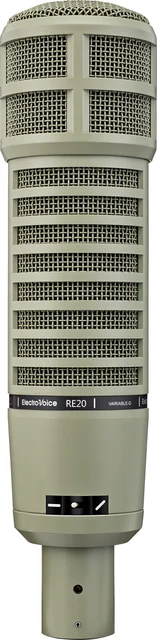
A legendary broadcast mic with uncanny consistency up close, but it asks for a strong front end and a real budget.
Best for: Established broadcasters and studios that already own a capable interface or preamp and want a career-long mic.
- Its Variable-D design keeps tone remarkably even as you move off-axis, which owners praise for close-up radio delivery
- Minimal proximity bass build-up means voices stay natural even when you work the mic tight
- Decades of professional use back its reputation for a smooth, authoritative broadcast sound
- Heavy and large, so it demands a sturdy boom arm rather than a light desk stand
- It is the priciest option here, and like any dynamic it still wants a quiet preamp
Own the Electro-Voice RE20? Tell us how it held up.
Thanks. Counted, and shown once enough owners have weighed in.
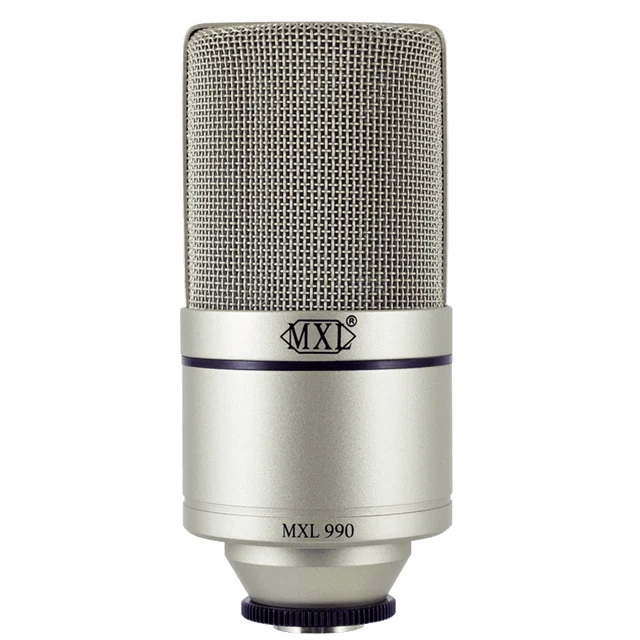
A cheap large-diaphragm condenser that sounds nice in a treated booth but sabotages most home podcasters.
Best for: Hobbyists recording in an acoustically treated room who specifically want a bright condenser character.
- Genuinely inexpensive and ships with a shock mount, making it an easy first purchase
- In a quiet, treated space reviewers find it detailed and pleasant for voice and acoustic sources
- As a sensitive condenser it captures keyboard clatter, fans, and room echo that dynamics reject
- Needs phantom power and a quiet room to shine, which is exactly what most streaming and podcast setups lack
- Owner reports flag unit-to-unit variation, so two of the same mic may not sound alike
Own the MXL 990? Tell us how it held up.
Thanks. Counted, and shown once enough owners have weighed in.
| Criteria | Shure SM7B Top pick Buy it Buy | Rode PodMic Buy it Buy | Electro-Voice RE20 It depends Buy | MXL 990 Skip it Buy |
|---|---|---|---|---|
| Best for | Podcasters, streamers, and voice talent who want a near-foolproof sound in a real-world room and can budget for proper gain. | First-time XLR buyers and multi-seat podcast setups who want serious build and sound without premium spend. | Established broadcasters and studios that already own a capable interface or preamp and want a career-long mic. | Hobbyists recording in an acoustically treated room who specifically want a bright condenser character. |
| Price tier | $$$ · premium | $$ · mid-range | $$$$ · flagship | $ · budget |
| Capsule type | Dynamic (cardioid) | Dynamic (cardioid) | Dynamic (Variable-D) | Condenser (needs phantom power) |
| Room forgiveness (untreated space) | Excellent | Very good | Excellent | Poor |
| Clean gain / preamp demand | High (booster often needed) | Moderate | Moderate (1.5 mV/Pa) | Low (but phantom required) |
| Voice character | Smooth, full, neutral | Punchy, forward, articulate | Even, natural, authoritative | Bright, detailed, room-dependent |
| Build & mounting | Rugged, integrated yoke | All-metal, integrated swing mount | Heavy, needs sturdy arm | Shock mount included |
| Best use | Podcasting, streaming, vocals | Podcasting, streaming, gaming | Broadcast, radio, voiceover | Treated-room voice & instruments |
| Setup complexity | Moderate | Low | High | Moderate |
| Price tier | $$$ · premium | $$ · mid-range | $$$$ · flagship | $ · budget |
Which one is right for you?
- Podcasters, streamers, and voice talent who want a near-foolproof sound in a real-world room and can budget for proper gain. Buy it Shure SM7B
- First-time XLR buyers and multi-seat podcast setups who want serious build and sound without premium spend. Buy it Rode PodMic
- Established broadcasters and studios that already own a capable interface or preamp and want a career-long mic. It depends Electro-Voice RE20
- Hobbyists recording in an acoustically treated room who specifically want a bright condenser character. Skip it MXL 990
How we judged the field
We do not run our own lab. Instead we synthesize independent testing, long-form expert reviews, and aggregated owner reports to find where the consensus lands and, just as importantly, where real-world experience diverges from the spec sheet. For XLR mics aimed at podcasting, streaming, and vocals, four things matter most. First, how the mic sounds on a typical voice without heavy processing. Second, how forgiving it is in an ordinary, untreated room, because most creators are not recording in a booth. Third, how much clean gain and front-end gear it demands, since a hungry mic can quietly double your budget. And fourth, whether the build and mounting hold up to daily use. We weigh those factors together rather than chasing a single frequency graph, and we flag total cost of ownership, not just the price of the capsule.
Shure SM7B
Buy itThe SM7B has become the default studio and podcast dynamic for good reason. Across independent testing and years of owner reports, the same words recur: smooth, full, and flattering on an unusually wide range of voices, with plosives and harsh sibilance kept in check. Its tight cardioid pattern plus internal shock and pop protection make it genuinely forgiving in a noisy, untreated room, which is where most home setups actually live. The onboard bass roll-off and presence-boost switches let you shape the tone without touching a plugin. The one caveat everyone raises is output: it is very quiet, and Shure itself rates it at 1.12 mV/Pa and advises an inline booster or stronger preamp if yours offers no more than 60 dB of gain. Pair it with a capable interface or an inline booster and it is close to foolproof; pair it with a weak, hissy preamp and you will be disappointed. Budget for the whole chain and it earns its place.
Rode PodMic
Buy itThe PodMic is the value benchmark of this group. Independent testing describes its speech tuning as punchy and articulate right out of the box, and its all-metal body with an integrated swing mount and internal pop filter keeps your accessory spend low. Rode rates it at 1.4 mV/Pa, a little hotter than the SM7B’s 1.12 mV/Pa, so it asks slightly less of a mid-tier interface, easing the SM7B’s biggest friction point. The trade-off is that its forward, deliberately colored voicing is tailored for talk; it is excellent for podcasting, streaming, and gaming, but a touch less neutral than pricier mics if your main goal is sung vocals. For first-time XLR buyers and multi-seat podcast tables, it delivers most of a broadcast sound for a fraction of the outlay.
Electro-Voice RE20
It dependsThe RE20 is a genuine broadcast legend, and nothing here disputes its pedigree. Its Variable-D design keeps the tone remarkably even as you move off-axis, and it resists the bass build-up that makes other mics boomy up close, so voices stay natural even when you work the mic tight. Owners and engineers have relied on it for decades of radio and voiceover. So why only “it depends”? Because it asks the most of you. At 737 g it is heavy and large, demanding a sturdy boom arm rather than a light desk stand, and like any dynamic it wants a quiet preamp, though Electro-Voice rates it at a relatively healthy 1.5 mV/Pa. It is also the most expensive option in this comparison. If you already own a capable interface and a solid arm and want a career-long mic, it is superb; if you are still assembling your first setup, its demands make it overkill.
MXL 990
Skip itThe MXL 990 is a perennial “first mic” because it is cheap and ships with a shock mount, and in a quiet, treated space reviewers do find it detailed and pleasant. The problem is that most people buying it for podcasting or streaming do not have that space. As a sensitive large-diaphragm condenser it needs phantom power and captures everything: keyboard clatter, computer fans, air conditioning, and room echo that a dynamic would simply reject. Owner reports also flag noticeable unit-to-unit variation, so your mic may not sound like the one in a given review. For the untreated rooms where podcasting and streaming actually happen, a dynamic in a similar budget gets you a cleaner, more usable result, which is why this one is a skip for the stated use.
Sources
Specs in this review come from these pages.
Shure SM7B vs Rode PodMic: which should you buy?
These are the two mics most creators should be choosing between, and the decision comes down to gear and goals. The SM7B is the more refined, more neutral, more universally flattering mic, and it is the safer bet if your voice is difficult or you want a sound you will not outgrow. Its cost, though, is not just the sticker: it needs enough clean gain that many buyers add an interface upgrade or an inline booster to get there. The PodMic flips that equation. It gives up a little neutrality and outright polish, but its slightly higher rated output means a mid-tier interface has an easier job, and it costs meaningfully less while still feeling like a serious, all-metal broadcast tool. Buy the SM7B if you can invest in proper gain and want the most forgiving, professional result. Buy the PodMic if you want the strongest value and a simpler signal chain, especially when outfitting more than one seat.
What to look for
- Dynamic over condenser for untreated rooms. Unless you have acoustic treatment, a cardioid dynamic will reject far more background noise than a sensitive condenser.
- Clean gain headroom. Check whether your interface can supply roughly 60dB of quiet gain; if not, plan for an inline booster with the hungrier dynamics.
- Total cost, not just the mic. Factor in an interface, XLR cable, and a boom arm or stand before comparing prices.
- Mounting and weight. Heavier mics need a sturdy arm; lighter ones are more flexible but may still need an external shockmount.
- Voice match. Neutral, smooth mics suit vocals and varied voices; forward, presence-boosted mics excel at spoken clarity.
- Onboard tone controls. Built-in roll-off and presence switches let you shape sound without software.
Our final take
For the widest range of podcasters, streamers, and vocalists, the Shure SM7B remains the pick to beat: it sounds smooth on nearly any voice, hides an imperfect room, and rewards you as long as you give it clean gain. The Rode PodMic is the value champion and the right call when budget or simplicity matters, delivering most of that broadcast character with an easier signal chain. The Electro-Voice RE20 is a phenomenal mic that depends on your having the budget and a sturdy arm to match its demands. And the MXL 990, while fine in a treated booth, is the wrong tool for the noisy home setups where most streaming and podcasting happen. Match the mic to your room and your front end, and any of the first three will serve you for years.
Questions, answered
Do these mics need a Cloudlifter or special interface?
The SM7B is the hungry one. Shure rates it at 1.12 mV/Pa and advises an inline booster or stronger preamp if yours offers no more than 60 dB of gain. The RE20 (1.5 mV/Pa) and PodMic (1.4 mV/Pa) are rated a little hotter, so a quiet mid-tier interface is more likely to drive them without extra help. If your interface hisses when turned up, an inline gain booster helps any of them.
Is XLR really worth it over a USB microphone?
XLR adds an interface, cable, and setup, but it buys better capsules, real mounting, per-channel control, and an easy upgrade path as you add guests or better preamps. If you want a single plug-in-and-talk device, a USB mic is simpler; if you are building a setup you will grow into, XLR pays off.
Should I choose a dynamic or a condenser for podcasting and streaming?
For untreated home rooms, dynamics like the SM7B, PodMic, and RE20 are the safer choice because their tight pickup rejects keyboard noise, fans, and echo. Condensers such as the MXL 990 are more sensitive and detailed but capture everything around them, so they only work well in a quiet, treated space.
Can I use these for singing and vocal recording too?
Yes. The SM7B and RE20 are studio staples for sung and spoken vocals, and the PodMic handles vocals capably even if its voicing leans toward speech. The MXL 990 can record vocals nicely, but only in a controlled room where its sensitivity is an asset rather than a liability.
What else do I need to budget for beyond the mic?
Plan for an audio interface with enough clean gain, an XLR cable, and a sturdy boom arm or stand, plus possibly an inline booster for the hungrier dynamics. Heavier mics like the RE20 in particular need a solid arm, so factor mounting into your total rather than just the mic price.
Deciding between the top two? See our head-to-head: Shure SM7B vs Rode PodMic.
More in Audio & Headphones
XLR Microphones, Explained Plain-English guide → Shure SM7B vs Rode PodMic Head-to-head →  The Best Speaker Stands: 4 Compared (and One to Skip)
  The Best Acoustic Guitars for Beginners: 4 Compared (and One to Skip)
  The Best Acoustic Panels: 4 Compared (and One to Skip)
  The Best USB Audio Interfaces for Home Recording: 4 Compared (and One to Skip)