

Audio & Headphones · Head-to-head
Shure SM7B vs Rode PodMic
Which should you buy? Our verdict on both, pulled from our full The Best XLR Microphones: 4 Compared (and One to Skip) comparison.
The SM7B is the safest all-round pick: it flatters nearly any voice and shrugs off an imperfect room, as long as you feed it enough clean gain. The Rode PodMic gets most creators to a broadcast-grade result for far less money and simpler gain needs.
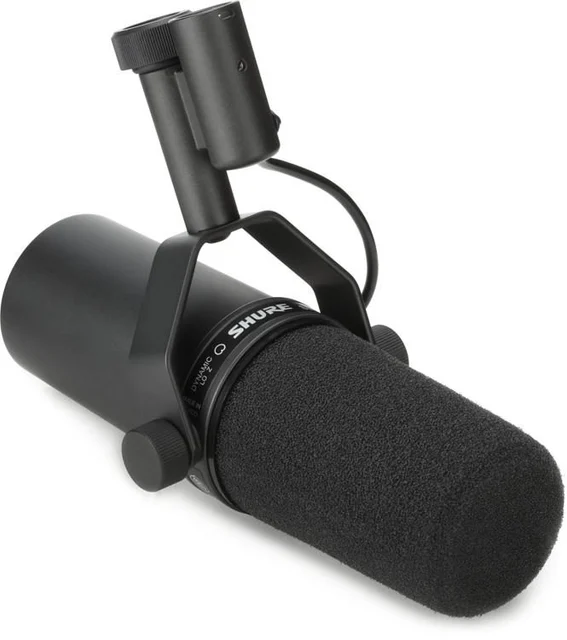
Shure SM7B
Buy itThe broadcast-grade dynamic that flatters almost any voice and forgives an untreated room, provided you feed it enough clean gain.
- Reviewers consistently describe it as smooth and full on a huge range of voices, with tame plosives and sibilance
- Tight cardioid pickup plus internal shock and pop protection makes it very forgiving in noisy, untreated rooms
- Built-in bass roll-off and presence switches let you tune the sound without any plugins
- Very low output: Shure rates it at 1.12 mV/Pa and advises an inline booster if your preamp offers no more than 60 dB of gain
- The mic alone is only part of the cost once you add an arm, interface, and possibly a preamp
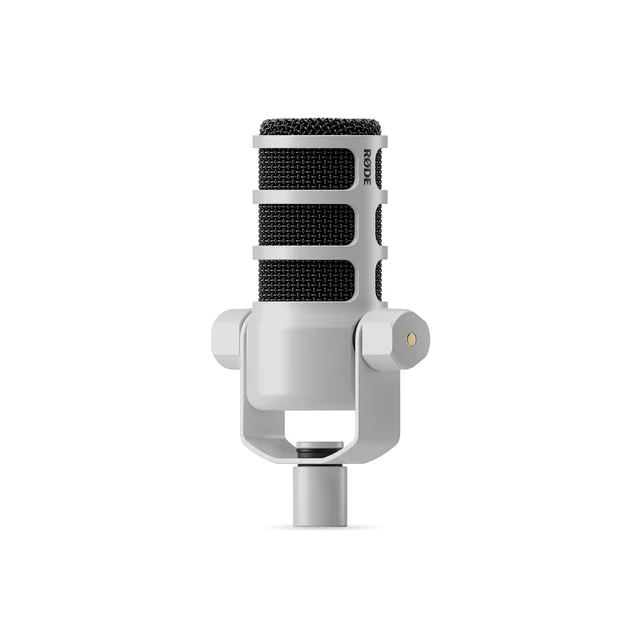
Rode PodMic
Buy itA tank-built dynamic that delivers most of a flagship broadcast sound for a fraction of the outlay.
- Independent testing rates its speech tuning as punchy and articulate straight out of the box
- All-metal body with an integrated swing mount and internal pop filter keeps the accessory bill low
- Rode rates it at 1.4 mV/Pa, a little hotter than the SM7B, so it asks slightly less of an interface
- The forward, colored voicing is great for talk but less neutral than pricier mics for sung vocals
- It still needs an interface and cable, so it is not a plug-and-play solution on its own
Side by side
The 7 criteria below are the ones our full comparison judged every product on, narrowed to these two.
| Shure SM7B Our pick | Rode PodMic | |
|---|---|---|
| Our verdict | Buy | Buy |
| Best for | Podcasters, streamers, and voice talent who want a near-foolproof sound in a real-world room and can budget for proper gain. | First-time XLR buyers and multi-seat podcast setups who want serious build and sound without premium spend. |
| Price tier | $$$ · premium | $$ · mid-range |
| Capsule type | Dynamic (cardioid) | Dynamic (cardioid) |
| Room forgiveness (untreated space) | Excellent | Very good |
| Clean gain / preamp demand | High (booster often needed) | Moderate |
| Voice character | Smooth, full, neutral | Punchy, forward, articulate |
| Build & mounting | Rugged, integrated yoke | All-metal, integrated swing mount |
| Best use | Podcasting, streaming, vocals | Podcasting, streaming, gaming |
| Setup complexity | Moderate | Low |
Which one is right for you?
Pick the Shure SM7B if
podcasters, streamers, and voice talent who want a near-foolproof sound in a real-world room and can budget for proper gain.
Know before buying: very low output: Shure rates it at 1.12 mV/Pa and advises an inline booster if your preamp offers no more than 60 dB of gain.
Pick the Rode PodMic if
first-time XLR buyers and multi-seat podcast setups who want serious build and sound without premium spend.
Know before buying: the forward, colored voicing is great for talk but less neutral than pricier mics for sung vocals.
The bottom line
Our overall pick is the Shure SM7B - The broadcast-grade dynamic that flatters almost any voice and forgives an untreated room, provided you feed it enough clean gain. Choose the Rode PodMic instead if first-time XLR buyers and multi-seat podcast setups who want serious build and sound without premium spend.
Want the full picture, including the other options we compared and the popular one we'd skip? Read the complete The Best XLR Microphones: 4 Compared (and One to Skip).